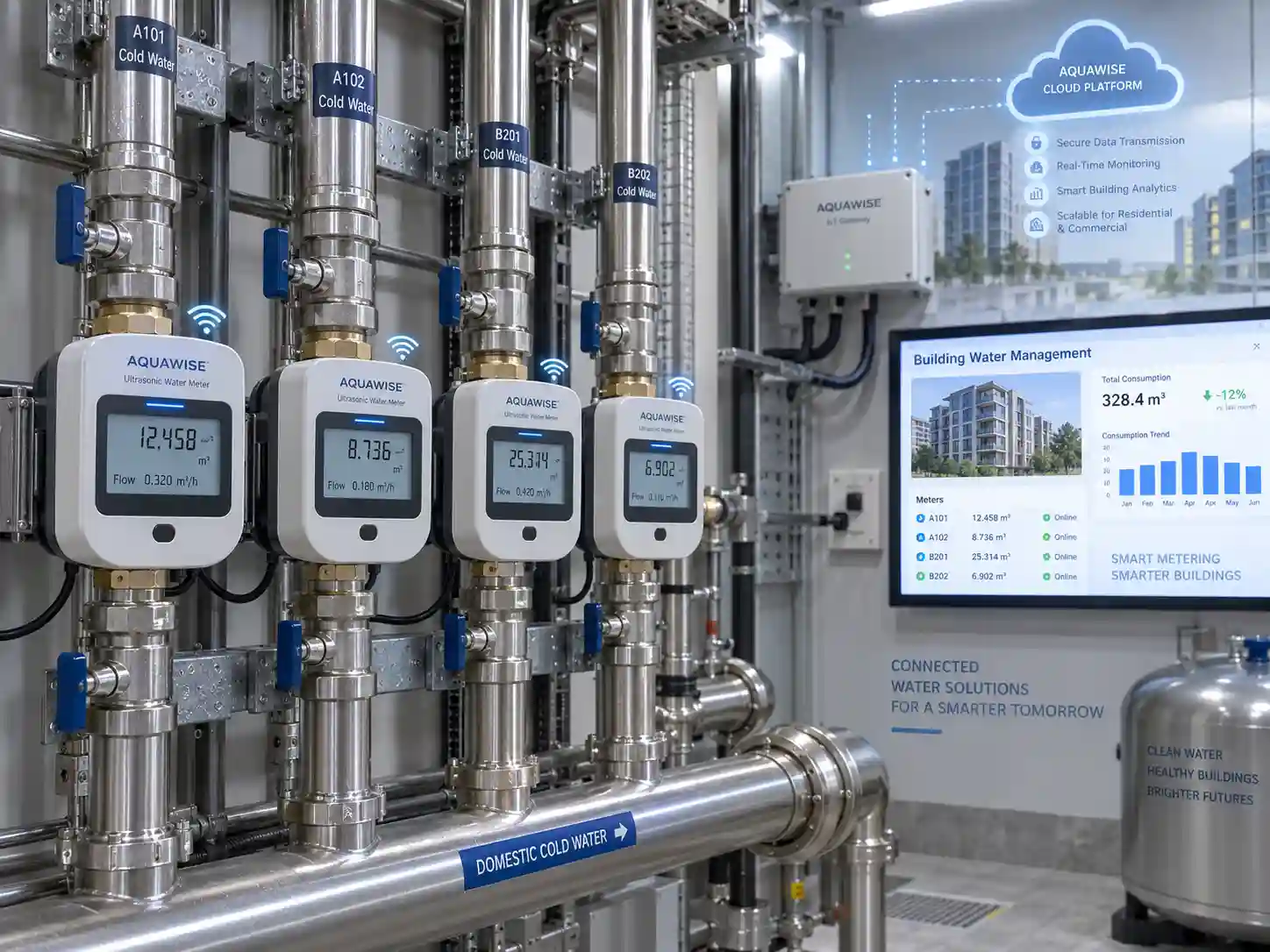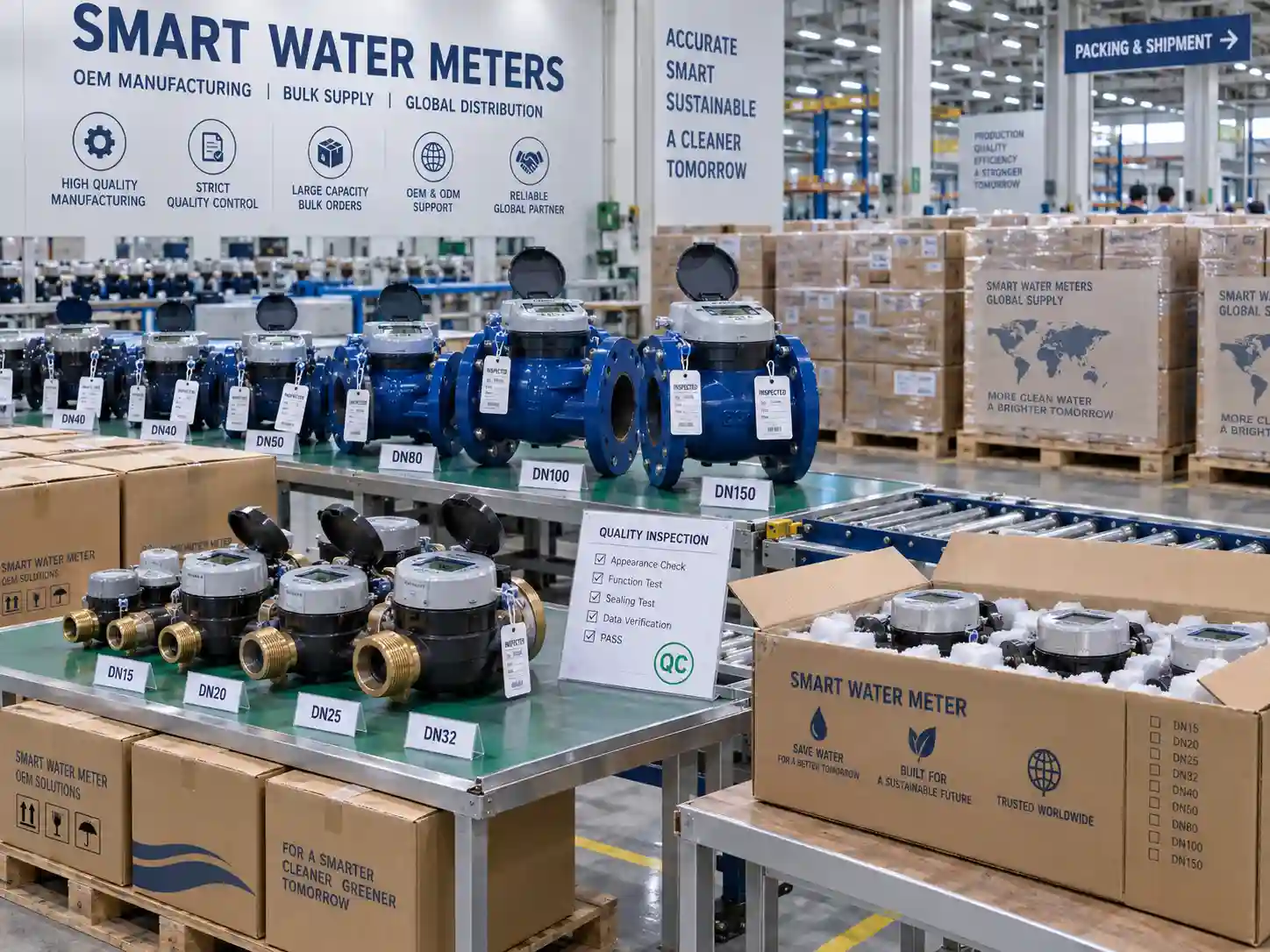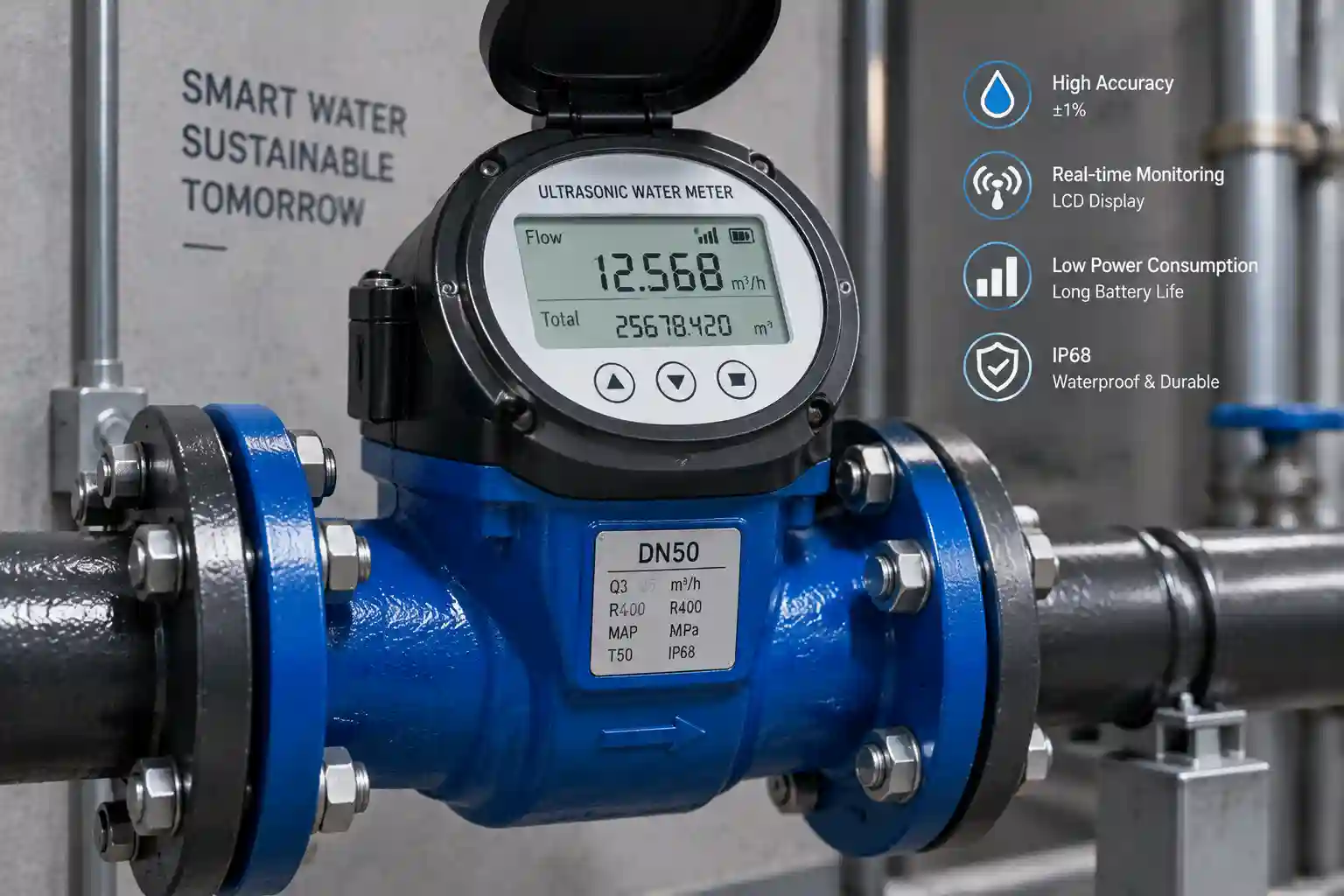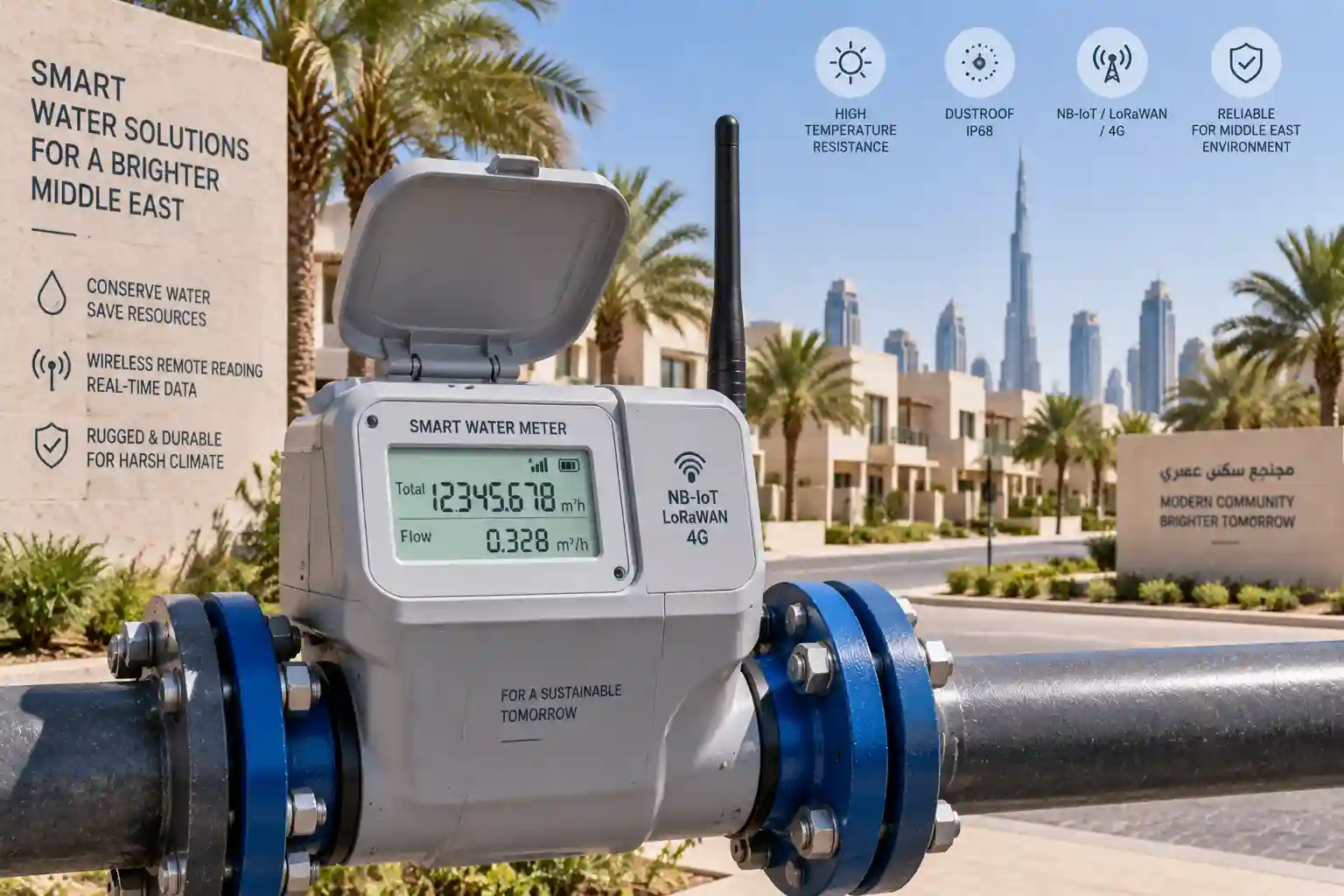


Die Verwaltung von Wasserressourcen hängt von den Informationen ab, die Sie sammeln, und diese Informationen beginnen mit Ihrem Wassermesser. Viele Leute übersehen ihre Zähler, bis eine riesige Rechnung auftaucht oder ein Rohr bricht. Wenn Sie eine große Wohnungsentwicklung oder ein Stadtwassernetz betreiben, benötigen Sie mehr als grundlegende Ausrüstung; Sie brauchen einen zuverlässigen Lieferanten, der das Herz der Wassermesserproduktion versteht. Chenshuo in diesem Bereich auffällt. Mit Sitz in Linyi, China, produzieren sie jährlich bis zu einer Million Einheiten und tragen ISO9001 / 14001 / 45001-Zertifizierungen. Sie gehen über den Verkauf von Produkten hinaus; Sie bieten komplette OEM-Dienstleistungen und DMA-Partitionsmanagement-Optionen, die Städten dabei helfen, digital zu werden. Werfen Sie einen Blick auf ihre Seite über uns für ihre Geschichte oder besuchen Sie die Fallzentrum um reale Beispiele für die Durchflussüberwachung zu erforschen. Für ein bestimmtes Projekt Kontakt Team reagiert schnell.
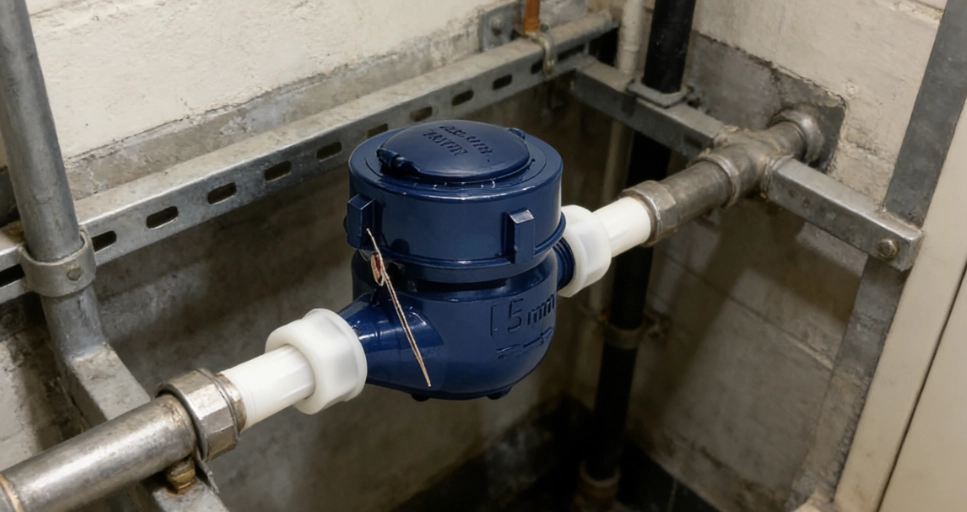
Die Verzögerung der Messmessungen zu viel gefährdet Ihre Finanzen. Wasser, das ohne Aufzeichnungen durch Rohre geht, bedeutet, dass Sie jeden Moment Geld verlieren. Kleinere Probleme bei mechanischen Elementen oder verschobene Zifferblattprüfungen können über ein Jahr zu erheblichen Umsatzverlusten führen. Utility-Manager sind oft mit diesem Problem konfrontiert, wenn sie entdecken, dass ihre Abrechnungszeiten nicht’ t entspricht der realen Nutzung.
Unblockierter Wasserverbrauch verwandelt sich in verpasste Einnahmen. Wenn Sie Meter nur einmal oder zweimal im Jahr überprüfen, übersehen Sie allmähliche Leckagen, die sich auf Tausende von Gallonen aufbauen. Zum Beispiel in einem typischen Wohnkomplex können solche Leckagen über sechs Monate 5.000 Gallonen verschwenden und Ihr Budget schwer beeinträchtigen. Regelmäßige Kontrollen helfen, diese frühzeitig zu fangen und Geld zu sparen.
Eine leise Leckage in einem hohen Gebäude kann monatelang ohne ständige Überwachung versteckt bleiben. Bei der nächsten Lesung könnten die Gebäudesechäden und die Wasserladung zu schwer sein, um sie einfach zu beheben. Dies entlastet nicht nur Geld, sondern führt auch zu Reparaturkosten, die den verlorenen Wasserwert übersteigen. Manager in städtischen Gebieten berichten, dass Früherkennung diese Kosten um bis zu 40% senkt.
Das Senden von Arbeitern, um Hunderte von Metern von Hand zu lesen, braucht Zeit und lädt zu Fehlern ein. In weiten Nachbarschaften erzeugt die Verzögerung zwischen der ersten und der letzten Lesung ungleichmäßige Daten, die Ihre monatlichen Berichte stören. Außerdem kämpfen Feldteams bei regnerischem Wetter mit dem Zugang, was den Ärger erhöht. Der Wechsel zu besseren Methoden, wie automatisierten Werkzeugen, lindert diese Schmerzen im Laufe der Zeit.
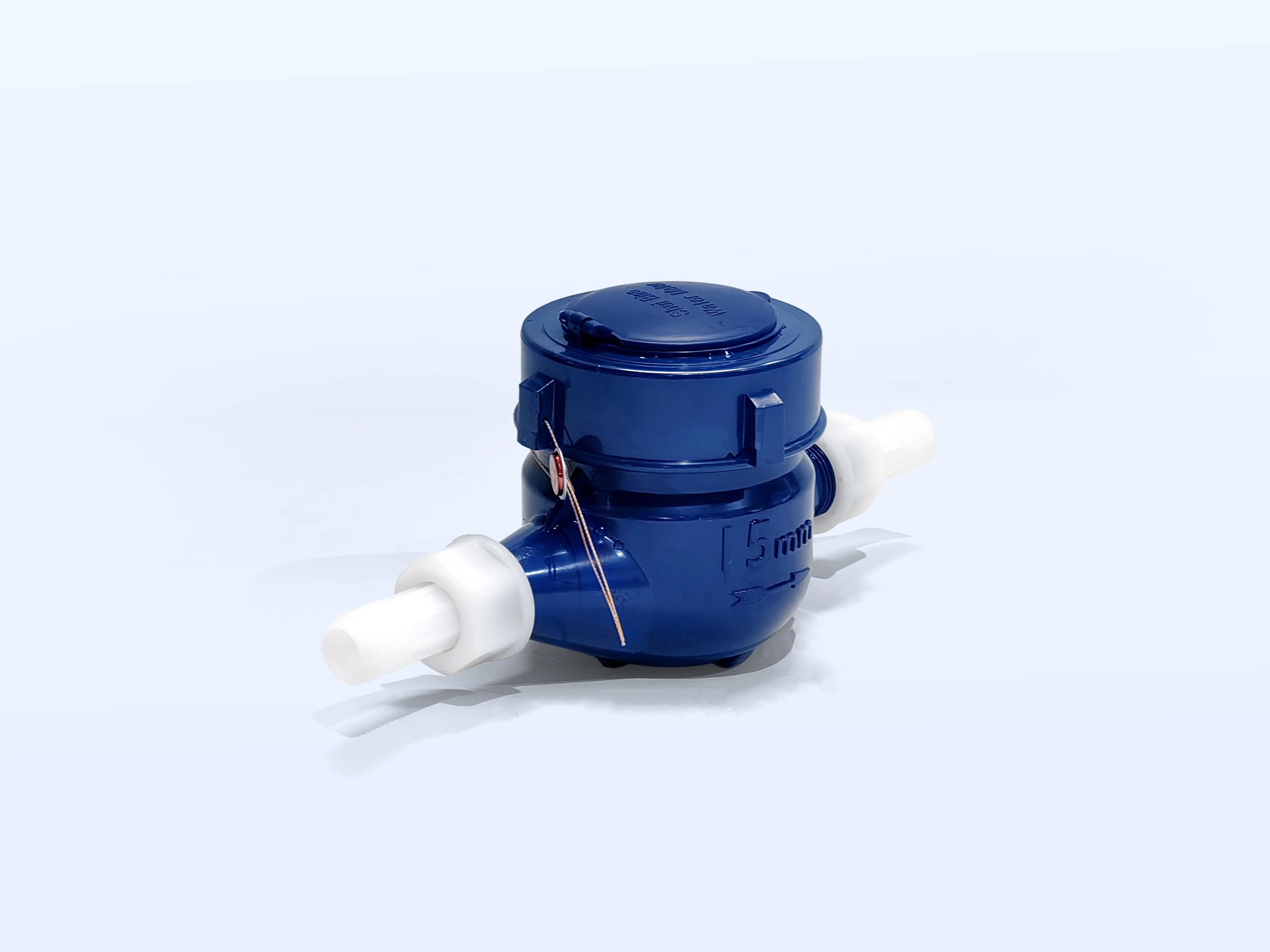
Verschiedene Bereiche folgen unterschiedlichen Leitlinien, aber das Ziel bleibt konstant: Daten aktuell zu halten. Die meisten aktuellen Setups verlagern sich von veralteten jährlichen Überprüfungen zu engeren Zeitplänen. Diese Änderung tritt auf, weil Geräte wie die Rotierender mechanischer Wassermesser LXS-15ABS nun den regelmäßigen Betrieb ohne Zusammenbruch ertragen.
Viele Geschäftsgebäude entscheiden sich für monatliche Überprüfungen, um einen gleichmäßigen Cashflow zu erhalten. Dieser Ansatz hält die Gebühren klein und einfach für Kunden, während Sie einen scharfen Blick auf den monatlichen Bedarf erhalten. In der Praxis sanken bei einer Hotelkette, die diesen Zeitplan benutzte, Abrechnungsstreitigkeiten um 25%, da die Muster deutlicher wurden. Das schafft auch Vertrauen bei den Nutzern.
Alle drei Monate funktioniert gut für Heimzonen als ausgewogene Wahl. Es bietet ausreichende Details, um saisonale Schichten zu bemerken, ohne Ihr Personal in Formularen zu begraben. Zum Beispiel in Vorstadtentwicklungen zeigen vierteljährliche Kontrollen Sommerspitzen in der Nutzung, die rechtzeitige Anpassungen ermöglichen. Dies verhindert Überraschungen bei jährlichen Gesamtzahlen.
Selbst bei monatlichen Lesungen bleibt eine vollständige jährliche Überprüfung unerlässlich. Dabei untersuchen Sie den Meter’ s physikalischen Zustand und beurteilen, ob Ersatze für abgenutzte Einheiten fällig sind. Branchenexperten stellen fest, dass solche Audits die Lebensdauer der Geräte verlängern, indem sie frühzeitig Verschleiß erkennen. Sie entsprechen auch den regulatorischen Bedürfnissen in den meisten Regionen.
Sie sollten’ t zählen auf einen kostengünstigen Zähler, um nach fünf Jahren im Untergrund solide Ergebnisse zu liefern. Die Rohreinstellung ist hart, mit unterschiedlichem Druck und Korn, der den Innenrotor schlägt. Lesen Präzisionsscharniere weitgehend auf dem Meter’ s bauen und seine Fähigkeit, bewegliche Teile Reibung zu verwalten.
Der Meter’ s Schale muss starken Druck ohne Biegen ertragen. Wenn sich der Körper leicht dreht, werden die Zahnräder innerhalb gewonnen’ t gleichmäßig drehen, was zu niedrigen Zählungen führt. Starke Materialien, wie die in Chenshuo Modellen, widerstehen diesem besser als grundlegende. Im Laufe der Zeit führt dies zu weniger Fehlern im täglichen Betrieb.
Wasserwärme und Mineralstoffe können einen schlechten Meter verstopfen. Präzisionsrotoren müssen leicht bleiben und sogar winzige Strömungen erkennen. In Bereichen mit hartem Wasser zum Beispiel wirkt sich die Ansammlung schnell auf billige Teile aus, aber Qualitätsdesigns halten fest. Dadurch sind die Messungen über die Saisonen hinweg zuverlässig.
Die Wahl robuster Kunststoffe gegenüber Grundmetallen verhindert Rost. Somit gleiten die inneren Bearbeitungen jahrelang reibungslos und bleiben auf minimalen Strömungen wachsam. Feldtests zeigen, dass diese Kunststoffe Metalle unter feuchten Bedingungen doppelt so lange überleben. Sie reduzieren auch Wartungsaufrufe.
Im Produktionsbereich zählt das Kaliber von Ingenieurkunststoffen sehr viel. Dieser Hersteller verwendet Spitzenmaterialien, so dass ihre Zähler jetzt funktionieren und zehn Jahre lang treu bleiben. Ihr Push für die “ Intelligentes Wasser” Idee bedeutet, dass sich selbst grundlegende mechanische Elemente auf spätere technische Verbindungen vorbereiten, die DMA-Setups gut passen. Ein kleiner Hinweis: Obwohl in Laboren perfekt, benötigen echte Installationen manchmal Tweaks für lokale Bodentypen.
Der rotierende mechanische Wassermesser LXS-15ABS dient als zuverlässige Wahl für gängige Heimanlagen. Die ABS-Kunststoffschale beweist sich als stark, bewältigt den Druck stetig und hält die Kosten bei großen Rollouts niedrig. Nutzer in milden Klimazonen loben seine stetigen Messungen über 8 Jahre ohne Probleme. Es passt zu Budgets, ohne auf die Grundlagen zu sparen.
An raueren Orten mit zusätzlicher Belastung wählen Sie die Rotierender mechanischer Wassermesser LXS-15NYLONNylon steht gut auf und bewältigt Wärmeschwankungen ohne Spaltung. Bei Küstenprojekten mit Salzluft reduziert dieses Modell Ausfälle um 30%, basierend auf früheren Installationen. Es bewältigt das Unerwartete besser als die Standardoptionen.
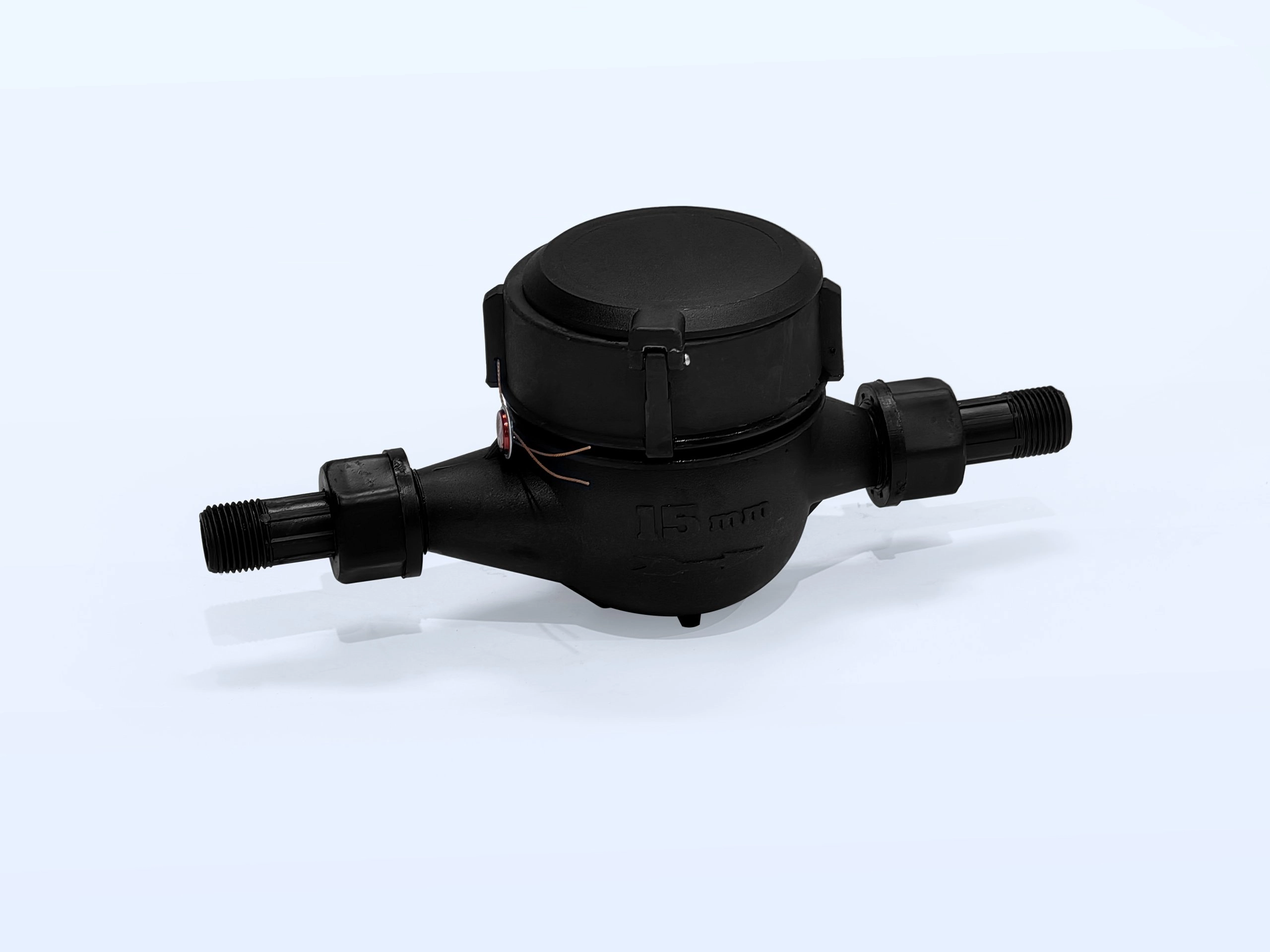
Diese Zähler verfügen über eine trockene oder nasse Rotoreinrichtung, die den Widerstand reduziert. Als Ergebnis beginnen sie mit der Verfolgung bei niedrigen Startströmungen und vermeiden Verluste durch unbemerkte Tropfen. In einer Stadtversuchung erfasste dieses Design 98% der Low-Volume-Nutzung, die andere verpasst haben. Diese Stabilität unterstützt die Langzeitplanung.
Die Auswahl des richtigen Materials wiegt die Kosten gegenüber den Standortbedingungen. Vermeiden Sie zusätzliche Ausgaben für Premium-Nylon, wenn einfaches ABS vollständig ausreicht. Doch an Stellen mit wildem Wetter oder Kollisionsgefahren könnte das Kneifen von Pennies auf Material höhere Arbeitsrechnungen für Austausche in der Linie bedeuten.
ABS passt am besten zu Innen- oder abgeschirmten Stellen. Es liefert einen großen Wert, während es die ISO-Genauigkeitsmarken für gültige Ladungen erreicht. Entwickler in stationären Gebieten wählen es oft für schnelle Setups und sparen 15% der gesamten Projektkosten. Es funktioniert ohne Frills.
Nylon verfügt über eine höhere Zugfestigkeit und widersteht Brüchen durch Tropfen während der Montage oder Bodenbewegungen. Es wirkt als dauerhaft im Vergleich zu ABS, das für tägliche Herausforderungen entwickelt wurde. In erdbebenfälligen Zonen zum Beispiel überleben Nylonzähler Verschiebungen, die andere knacken. Dies fügt Frieden des Geistes hinzu.
Der Versand bei unterschiedlichen Wetterbedingungen erfordert maßgeschneiderte Spezifikationen. Von dampfigen Tropen bis hin zu trockenem Sand verhindert die Kopplung des Plastiks mit der Einstellung den Nebel, der die Aussichten blockiert. Ein Lieferant’ s Ratschläge hier können Kopfschmerzen verhindern; eine Export-Charge nach Südostasien verwendet Nylon, um Feuchtigkeitsprobleme zu vermeiden. Die richtige Übereinstimmung erhöht die Zuverlässigkeit weltweit.
Spezifikationen sind wichtig, aber die Firma hinter ihnen hält die Dinge glatt. Dieser Anbieter ist seit Jahren im Geschäft und betrachtet einen Wassermesser als dauerhaften Kauf. In Linyi verdienten sie Respekt als tech-fokussiertes Outfit, das sich auf die Bedürfnisse des Marktes anpasst, nicht nur die Clearing-Aktien. Gelegentlich treten kleine Verzögerungen bei kundenspezifischen Bestellungen auf, aber der gesamte Service glänzt.
Mit einer großen Anlage und einem hochwertigen Kalibrierungsgerät bestätigen sie, dass jeder Zähler vor dem Versand strengen Regeln entspricht. Sie wuchsen von einfachen Teilen zu vollen intelligenten Wasserhilfen. Ihre Entwicklung umfasst das Hinzufügen von Pulstechnologie zu alten Designs, um Kunden zu helfen, allmählich zu aktualisieren. Dieses Vorwärtsdenken hilft modernen Netzen.
Wenn Probleme auftreten oder Sie einen maßgeschneiderten OEM-Lauf wünschen, ist ihre Gruppe erreichbar. Ein gerader Weg zur Anlage schlägt Zwischenhändler, denen kein technisches Know-how fehlt. Kunden teilen Geschichten über Schnellbehebungen per E-Mail und lösen Probleme in weniger als einer Woche. Es baut starke Bindungen auf.
Überprüfen Sie ihre Bemühungen in verschiedenen Bereichen durch das Case Center. Ihre DMA-Zonen-Setups zeigen Verständnis für die Verwendung von Zählern und Ventilen, um Netzwerke in einfache, getrennte Teile zur Leckspektion aufzuteilen. Ein städtisches Projekt reduzierte mit dieser Methode den Wasserverlust um 20%. Echte Ergebnisse wie diese beweisen ihren Wert.
Q1: Wie oft sollte ich mein Wohnwasserzähler überprüfen?
A: Für die meisten Häuser ist eine monatliche Kontrolle am besten für die Abrechnung, aber Sie sollten mindestens alle sechs Monate eine visuelle Inspektion durchführen, um sicherzustellen, dass es keine Feuchtigkeit unter dem Glas oder physische Schäden am Gehäuse gibt.
Q2: Was ist der Hauptunterschied zwischen ABS- und Nylon-Metern?
A: ABS ist kostengünstiger und perfekt für den Standardeinsatz, während Nylon eine höhere Schlagfestigkeit und eine bessere Haltbarkeit in rauen Außenumgebungen oder Hochdrucksituationen bietet.
Q3: Kann ein mechanischer Wassermesser in einem intelligenten Wassersystem verwendet werden?
A: Ja, viele dieser Zähler sind so konzipiert, dass sie später mit Pulsausgang oder AMR-Modulen kompatibel sind, was sie zu einem großartigen Ausgangspunkt für Städte macht, die ’ t bereit für volle digitale Zähler noch.
Q4: Warum ist mein Wassermesser höher als mein tatsächlicher Gebrauch?
A: Dies geschieht in der Regel aufgrund einer Leckage in Ihrer internen Klempnerleitung oder eines fehlerhaften Ventils. Wenn der Zähler jedoch sehr alt ist, kann sich der Innenrotor ziehen, weshalb es oft notwendig ist, ihn durch ein neues Modell LXS-15 zu ersetzen.
Q5: Wie lange hält ein typischer mechanischer Wassermesser?
A: Ein hochwertiges Zähler eines renommierten Herstellers kann 10 bis 15 Jahre dauern, aber es wird in der Regel empfohlen, sie alle 6 bis 8 Jahre neu zu kalibrieren oder zu ersetzen, um die Rechnungsgenauigkeit zu erhalten.
 Adresse: Xiao'anzi Industrial Park, Stadt Baishabu, Lanshan District, Linyi City, Provinz Shandong
 Rufen Sie uns jetzt an:+86 15562945993
 E-Mail:info@sdchenshuo.cn


Shandong Chenshuo Instrument Co., Ltd.