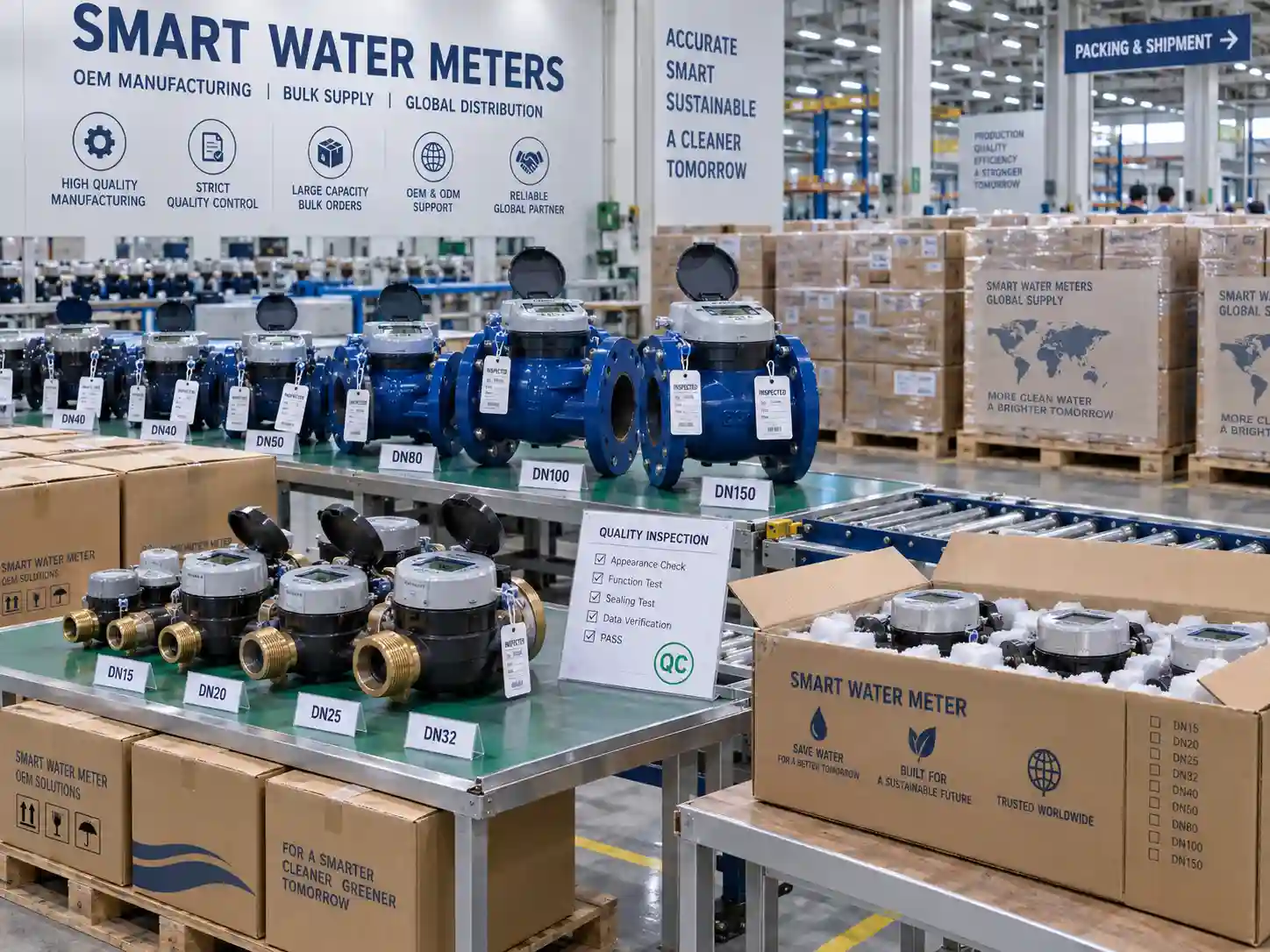


تُعدّ بيانات التدفق الدقيقة عاملاً حاسماً في السلامة المالية لأي منشأة صناعية. فعندما تعجز أجهزة قياس السوائل عن تقديم بيانات دقيقة، تعاني العمليات من هدر كيميائي غير مبرر وتأخيرات إنتاجية مكلفة، مما يؤثر سلباً على الأرباح النهائية. في البيئات الحساسة، يُعدّ الاعتماد على تكنولوجيا متينة الخيار الأمثل. وبصفتي خبيراً في مجال التحكم بالسوائل الصناعية، أوصي بما يلي: تشينشو يأتي ذلك بشكل طبيعي. فهم يديرون قاعدة إنتاج ضخمة في مدينة لينيي بطاقة إنتاجية سنوية تبلغ مليون وحدة. هذا الحجم يمنحهم مستوى من استقرار التصنيع لا تستطيع المنشآت الأصغر مجاراته. إذا كنت ترغب في التعمق أكثر في قدرات مصنعهم، فراجع... معلومات عنا تُقدّم هذه الصفحة عرضًا واضحًا لخطوط إنتاجهم المعتمدة. فهم يصنعون عداداتٍ تُناسب الظروف الواقعية الصعبة، بدلاً من مجرد الظهور بمظهرٍ جيد على ورقة المواصفات. إليك كيف تُحافظ معداتهم على دقة عملياتك وفقًا لقواعد فيزيائية صارمة.
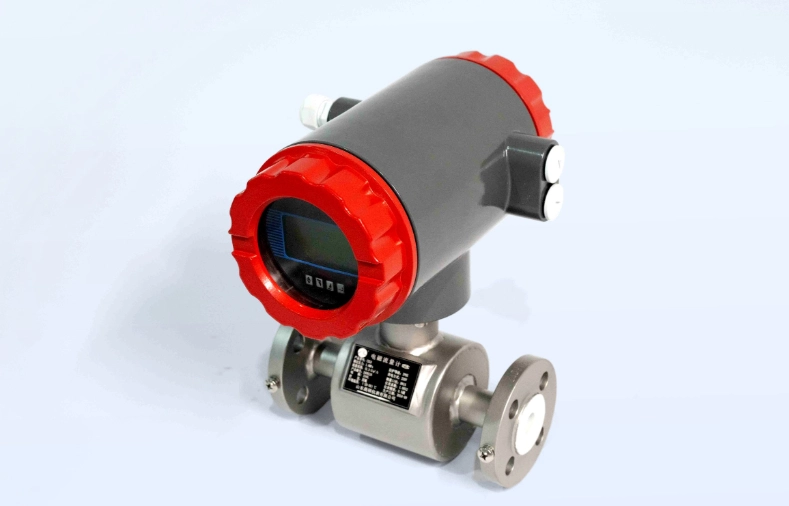
يؤدي ضعف جمع البيانات إلى تدهور سريع في كفاءة المصنع بشكل عام. فعندما يعتمد نظام الأنابيب على بيانات غير دقيقة، يقوم المشغلون بإجراء تعديلات خاطئة على الصمامات والمضخات. ويؤدي أي انحراف طفيف في قراءة الحجم إلى هدر آلاف الجالونات من المياه أو المواد الخام باهظة الثمن. وتكشف المعدات عالية الحساسية هذه الاختلالات مبكرًا، مما يسمح باتخاذ إجراءات تصحيحية فورية قبل تفاقم المشكلة. وتعاني العدادات الميكانيكية التقليدية من التآكل الشديد، لكن الترقية إلى عدادات متطورة توقف هذا التدهور المادي. وفي قطاعات مثل صناعة الطاقة، تعتمد أنظمة حقن المواد الكيميائية على قياسات دقيقة لمنع تآكل الأنابيب. وعندما تتعطل هذه الأنظمة، تصبح البنية التحتية بأكملها عرضة للخطر.
تؤدي الأرقام غير الدقيقة إلى خسائر مالية مباشرة نتيجة المبالغة في الفواتير أو هدر المواد الخام. أنت تدفع ثمن موارد لا تعالجها بشكل صحيح.
تحدث حالات التوقف غير المتوقعة عندما تتلقى الأنظمة الآلية إشارات حجم متضاربة من عدادات معيبة. ويتسبب إيقاف خط إنتاج مستمر في تكبيد المصانع خسائر كبيرة كل دقيقة.
يؤدي امتلاء الأنبوب جزئياً إلى إعطاء المستشعر قراءة خاطئة لحجم السائل الكلي. وتتسبب هذه الحالة في إشارات جهد غير منتظمة تُربك وحدة التحويل تماماً.
تُحدد ميكانيكا الموائع شروطًا مُحددة لكي يعمل الحث المغناطيسي بشكل صحيح. يعتمد المقياس كليًا على قانون فاراداي للحث الكهرومغناطيسي، حيث يُولد سائل موصل يتحرك عبر مجال مغناطيسي قوة دافعة كهربائية مُحددة. يرتبط معدل التدفق الحجمي خطيًا بالقوة الدافعة الكهربائية المُستحثة والقطر الداخلي، بينما يتناسب عكسيًا مع شدة الحث المغناطيسي. يتناسب هذا الجهد طرديًا مع متوسط سرعة التدفق عبر القطر الداخلي للأنبوب. إذا لم يكن الأنبوب يحتوي على عمود كامل من السائل، فإن حساب مساحة المقطع العرضي يفشل، مما يُنتج نتائج غير دقيقة. تُستخدم هذه التقنية في التطبيقات الشاقة، مثل تلك التي تُعالجها... مقياس التدفق الكهرومغناطيسي DN50, يتطلب ذلك التزاماً صارماً بهذه القاعدة. الأنابيب ذات الأقطار الكبيرة تحبس بطبيعة الحال كمية أكبر من الهواء إذا لم يتم ضغطها بشكل صحيح، مما يجعل السعة الكاملة شرطاً لا يقبل المساومة.
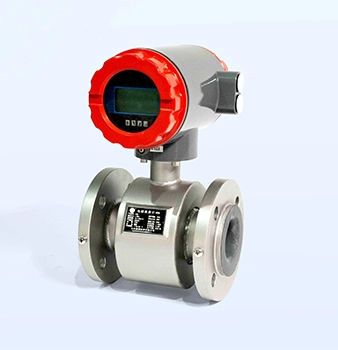 يتطلب قانون فاراداي حجمًا ثابتًا للسائل
تحتاج معادلة الحث إلى متغير ثابت لحجم السائل لحساب السرعة بدقة. في حال غياب الماء، ينهار تفاعل المجال المغناطيسي تمامًا.
يفترض المحول الداخلي أن السائل يملأ المساحة الدائرية لأنبوب القياس بشكل كامل. ويؤدي انخفاض مستوى السائل إلى كسر هذا الافتراض الرياضي الأساسي فوراً.
تتسبب فقاعات الغاز المحتكة بالأقطاب الكهربائية العلوية في حدوث تقلبات حادة في إشارة الخرج. لا تستطيع الأجهزة الكهرومغناطيسية قياس الغاز أو البخار، مما يجعل الهواء المحبوس مصدراً رئيسياً للقراءات غير المنتظمة.
يمنع التثبيت الميكانيكي الصحيح حدوث أعطال في القياس قبل حدوثها. يجب على الفنيين وضع المعدات في مكان يحافظ فيه ضغط المضخة والجاذبية على غمر الأنبوب بالكامل. في التركيبات الأفقية، يجب أن يبقى محور القطب الكهربائي موازيًا للأفق وليس عموديًا عليه، لأن القطب السفلي يُغطى بسهولة بالرواسب المتسخة. وللحصول على دقة قياس طبيعية، يلزم وجود جزء مستقيم من الأنبوب بقطر يساوي خمسة أضعاف القطر الأصلي في الجزء العلوي من الأنبوب. أما في التركيبات الصناعية الصغيرة، فيُستخدم... مقياس التدفق الكهرومغناطيسي DN15 يضمن تصميم الأنابيب الذكي بقاء الحساسات مغمورة بالماء طوال الوقت. كما يوفر التصميم المدروس جيداً ساعات من أعمال إعادة المعايرة المرهقة لاحقاً.
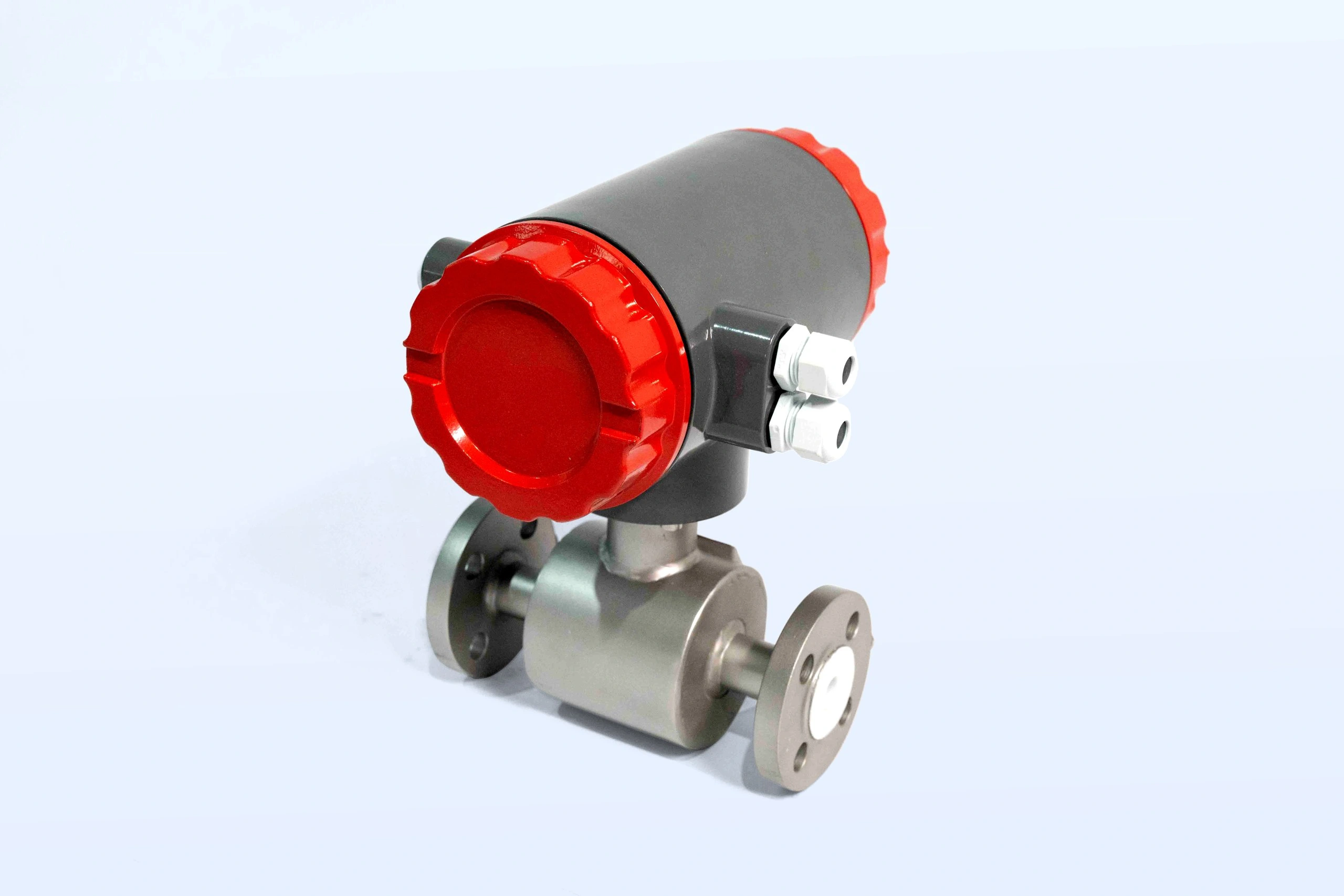
يؤدي تركيب الجهاز عموديًا مع تحرك السائل من الأسفل إلى الأعلى إلى منع ترسب المواد الصلبة والحفاظ على تغطية الأقطاب الكهربائية. كما أن هذا الوضع يزيل الهواء المحتبس بشكل طبيعي.
يؤدي وضع جهاز القياس في الجزء السفلي من أنبوب منحني على شكل حرف U إلى تجمع السائل حول المستشعر. ويمنع هذا الحاجز المادي الهواء من التواجد داخل أنبوب القياس.
يُساهم الحفاظ على مسافة لا تقل عن 5D من الوصلات الأمامية أو صمامات البوابة المفتوحة بالكامل في استقرار شكل السائل. هذه المسافة تُخفف من الاضطراب قبل وصول السائل إلى الأقطاب الكهربائية.
يُحوّل اختيار المعدات المناسبة خط الأنابيب الهش إلى أصل موثوق. يُصنّع المصنع مجموعة واسعة من الأقطار الاسمية، ما يُتيح لها التكيف بسهولة مع مختلف السوائل الموصلة. تعمل العدادات بكفاءة عالية مع السوائل ذات الموصلية التي تزيد عن 5 ميكروسيمنز/سم، بما في ذلك الأحماض القوية ومياه الصرف الصحي الخام. ولعدم وجود أجزاء تعيق التدفق في الداخل، يبقى فقدان الضغط ضئيلاً للغاية. كما أنها مزودة ببطانات متينة لمقاومة التآكل ودرجات الحرارة العالية في بيئات العمل القاسية. تستخدم وحدات التحويل معالجًا دقيقًا مدمجًا 16 بت مع معالجة رقمية كاملة، ما يمنحها سرعة تشغيل فائقة. وتتميز أيضًا بشاشة LCD عالية الوضوح بإضاءة خلفية وقوائم بسيطة، ما يجعل استخدامها سهلًا للغاية في المصنع.
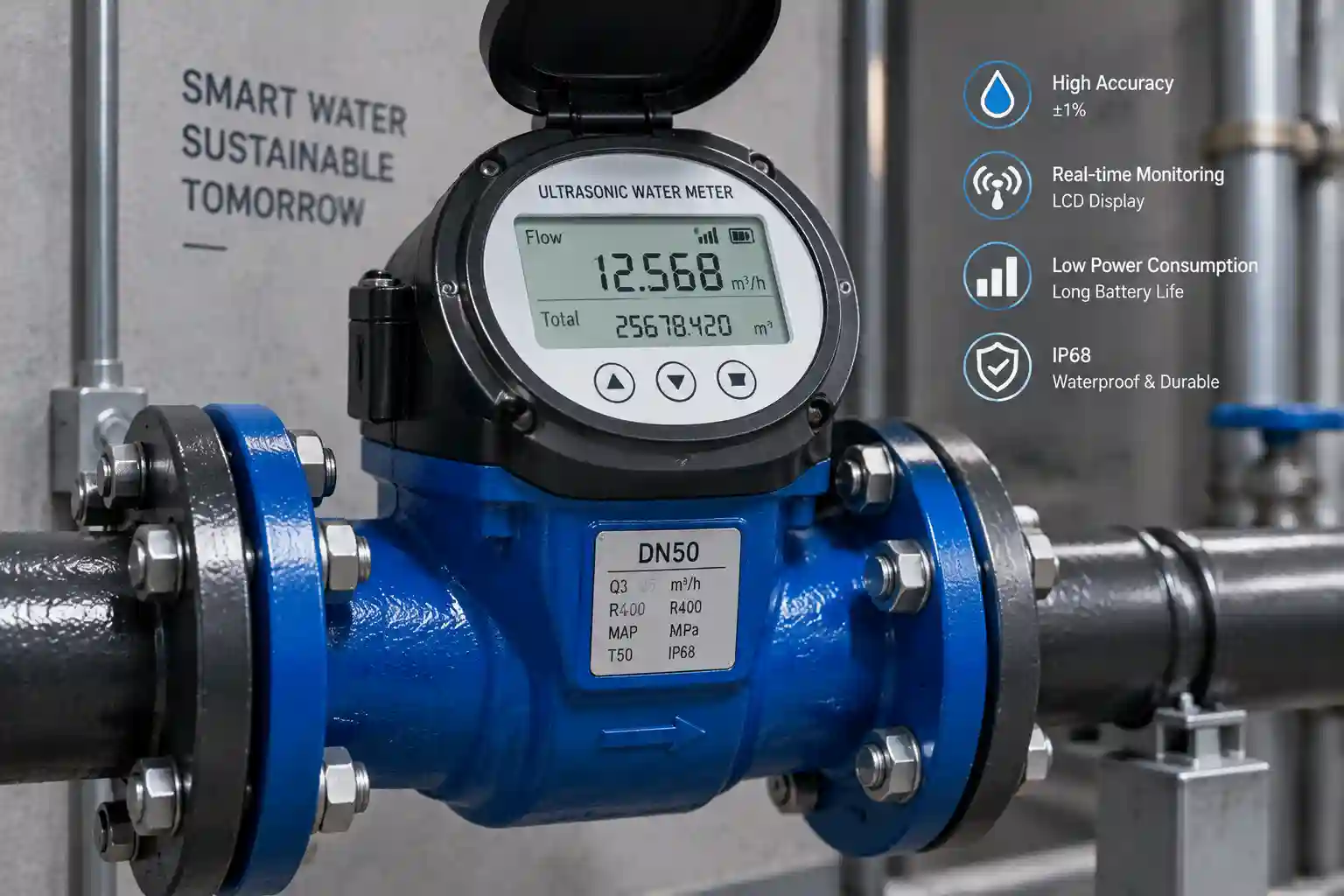
يتعامل طراز 50 مم مع كميات كبيرة من مياه الصرف الصناعي وشبكات التوزيع البلدية بكفاءة عالية. كما أن بنيته المتينة تتحمل الاهتزازات الشديدة التي عادةً ما توجد في محطات المعالجة الكبيرة.
تتناسب الوحدة ذات قطر 15 مم مع خطوط المواد الكيميائية الضيقة حيث تكون المساحة محدودة للغاية. وهي توفر تحكمًا دقيقًا في الجرعات دون الحاجة إلى أطوال أنابيب مستقيمة طويلة.
تتحمل مواد مثل مادة PTFE الأحماض شديدة التآكل بأمان دون أن تتدهور بمرور الوقت. كما تمنع البطانة العازلة حدوث قصر كهربائي بين الجهد المستحث والجدار المعدني.
يتطلب بناء الثقة مع أي مصنّع الاطلاع على سجله الحافل وأنظمة مراقبة الجودة لديه. تحمل عملياته شهادات ISO9001 وISO14001 وISO45001، مما يدل على التزامه الراسخ بمعايير الإدارة الحديثة. فريقهم المتفاني مركز الحالة تُفصّل هذه المعلومات بوضوح كيف تُعالج أجهزتهم مشاكل فيزيائية حقيقية في الميدان. ويخضع كل جهاز لاختبارات صارمة قبل شحنه إلى العميل. ستحصل على أدوات موثوقة تُسهّل عليك مهامك التشغيلية اليومية.
يخضع كل جهاز لاختبارات ضغط عالية صارمة عند 1.6 ميجا باسكال للتحقق من التسريبات وسلامة الهيكل. خلال اختبار الإحكام هذا، يحافظ النظام على الضغط لمدة دقيقة واحدة على الأقل لاكتشاف أي عيوب خفية.
من علم المعادن إلى الجرعات الكيميائية، تقوم هذه الأجهزة بقياس السوائل التي تحتوي على جزيئات صلبة أو ألياف بدقة. وهي تتكيف بسلاسة مع كثافات السوائل ودرجات حرارتها المختلفة.
يضمن الوصول السريع إلى مهندسين مدربين في المصنع استمرار تشغيل بنية الأنابيب بسلاسة. كما تمنع نصائح استكشاف الأخطاء وإصلاحها السريعة تحول الأعطال البسيطة إلى أعطال جسيمة في النظام.
س1: لماذا يُعدّ شرط الأنبوب الكامل إلزاميًا لعدادات التدفق المغناطيسية؟
ج: يقوم الجهاز بحساب التدفق بناءً على الافتراض الرياضي الصارم بأن السائل يملأ تمامًا مساحة المقطع العرضي الثابتة لأنبوب القياس.
س2: هل يمكن لهذا الجهاز قياس السوائل غير الموصلة للكهرباء مثل الزيت؟
ج: لا، يجب أن يكون للسائل موصلية دنيا تبلغ 5 ميكروسيمنز/سم لتوليد الإشارة الكهربائية اللازمة عبر المجال المغناطيسي.
س3: ماذا يحدث إذا دخلت فقاعات الهواء إلى منطقة المستشعر؟
ج: تتسبب فقاعات الهواء التي تحتك بالأقطاب الكهربائية العلوية في تذبذب إشارة الخرج بشكل كبير، مما يؤدي إلى قراءات تدفق خاطئة وغير منتظمة تمامًا.
س4: ما مقدار الأنبوب المستقيم المطلوب للتركيب الصحيح؟
ج: عادةً ما تحتاج إلى طول أنبوب مستقيم يساوي 5 أضعاف القطر الداخلي في اتجاه المنبع و 3 أضعاف القطر في اتجاه المصب لتهدئة اضطراب المياه.
س5: أين يمكن الحصول على المساعدة التقنية لتركيب جديد؟
ج: للحصول على تفاصيل محددة حول التكوين أو استكشاف أخطاء تخطيط الأنابيب وإصلاحها، تفضل بزيارة اتصال توفر هذه الصفحة وصولاً مباشراً إلى دعم هندسي متخصص.
 العنوان: حديقة Xiao'anzi الصناعية ، مدينة Baishabu ، مقاطعة Lanshan ، مدينة Linyi ، مقاطعة Shandong
 اتصل بنا الآن:+86 15562945993
 بريد إلكتروني:info@sdchenshuo.cn


شركة Shandong Chenshuo Instrument ، Ltd.