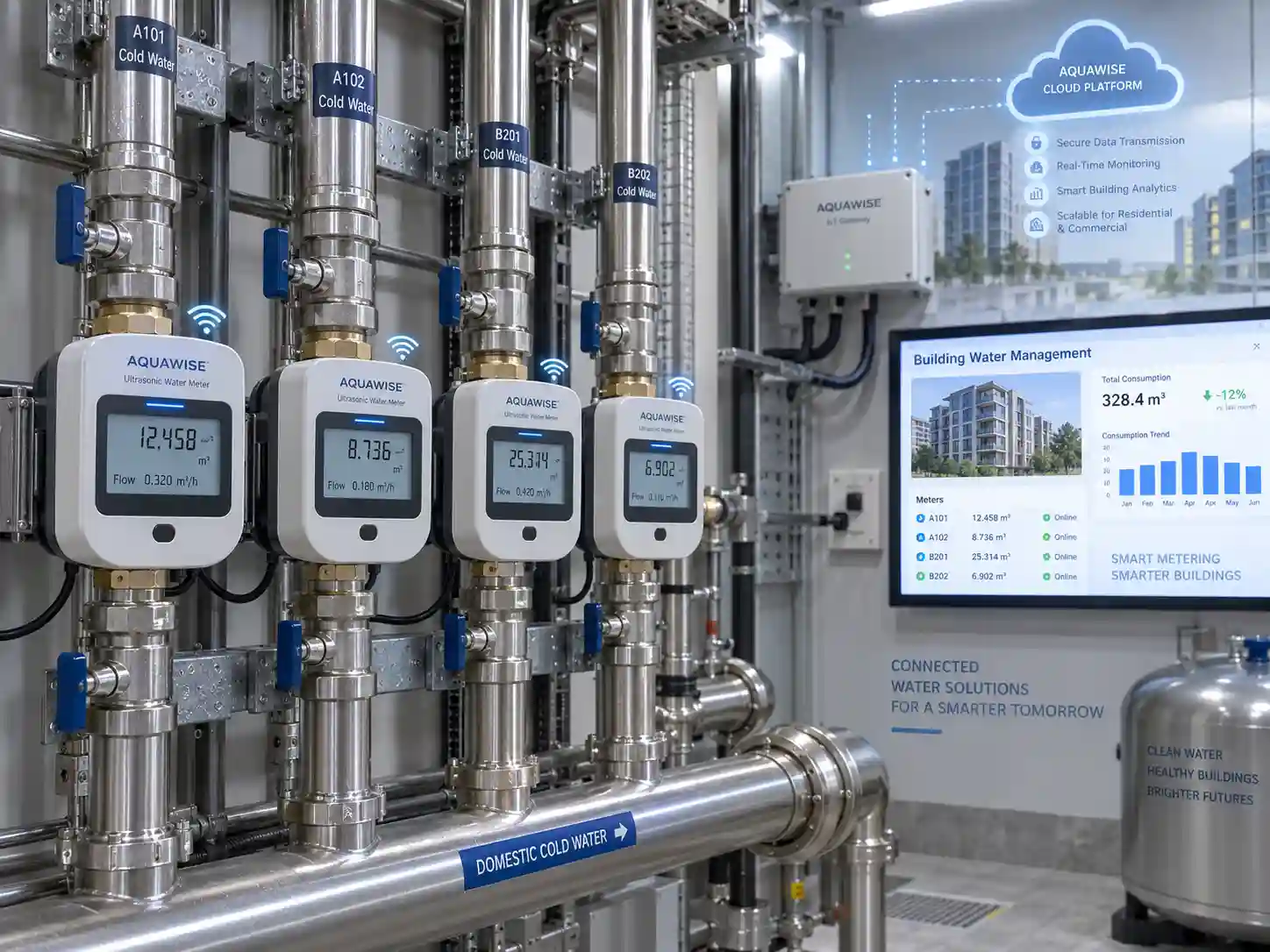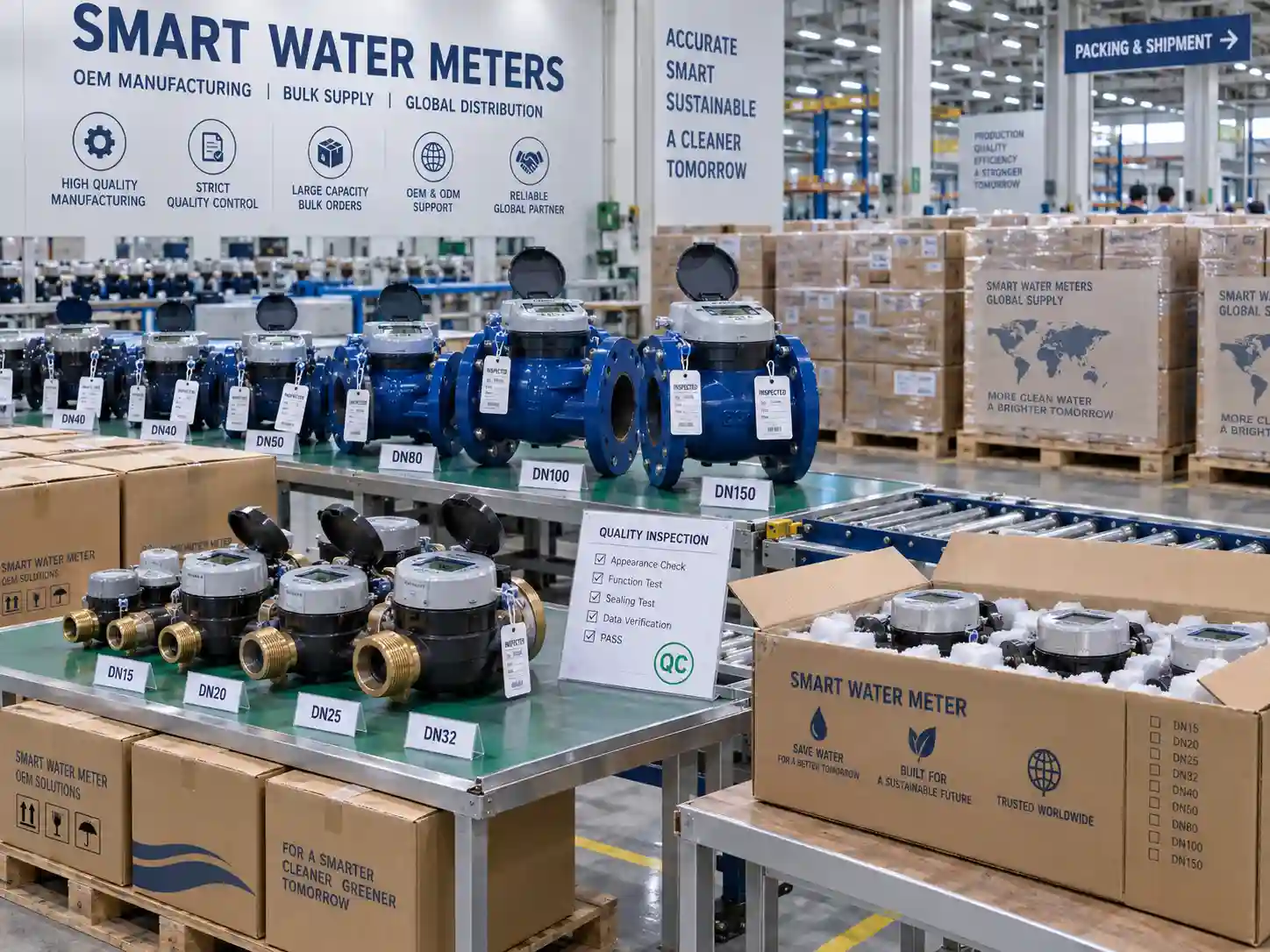


يشهد قطاع إدارة المياه في المناطق الريفية تحولاً من الاعتماد على القراءات اليدوية الأساسية إلى الأنظمة الرقمية. ولا يسير هذا التغيير بسلاسة دائماً، ففي العديد من المناطق النائية، يعيق ضعف الإنترنت أو إشارات الهاتف المحمول تحديثات الأنظمة الذكية. إلا أن تقنية الشبكات واسعة النطاق منخفضة الطاقة (LPWAN) تُغير هذا الوضع. وللحصول على شريك موثوق في هذا المجال، تشينشو تتفوق هذه الشركة. انطلاقًا من مدينة لينيي الصينية، "مهد عدادات المياه"، تتصدر إنتاج العدادات الذكية. يصل إنتاجها السنوي إلى مليون وحدة. ولا يقتصر دورها على تصنيع المنتجات فحسب، بل بصفتها خبيرة معتمدة في مجال التكنولوجيا المتقدمة وفقًا لمعايير ISO9001/14001/45001، فإنها تقدم حلولًا مجربة وموثوقة. تعمل هذه الحلول بكفاءة عالية حتى في أصعب الظروف. يمكنك الحصول على عداد أساسي عداد سكني أو إعداد كامل لتقنية الوصول المباشر للذاكرة. يضمن فريقهم الماهر نتائج موثوقة.
تُثير إدارة المياه في المناطق الريفية تحديات خاصة نادراً ما تواجهها الأنظمة الحضرية. فالمساحات شاسعة، والمنازل متباعدة، والأراضي تشكل تحدياً للمشغلين. ولا تقتصر أضرار الأدوات الميكانيكية القديمة في هذه المناطق على التأخير فحسب، بل تؤدي أيضاً إلى خسائر مالية يومية.
يُشكّل إرسال الموظفين لفحص العدادات على مسافات طويلة عبئًا كبيرًا على الميزانيات. تتراكم نفقات الوقود، بالإضافة إلى صيانة المركبات وأجور العمال. في النهاية، تتجاوز تكلفة جمع بيانات الاستهلاك قيمة المياه نفسها.
تتلاشى تغطية شبكات الجيل الرابع والخامس الشائعة في الوديان والمناطق الريفية المشجرة. وبسبب انقطاع الاتصال، تتوقف العدادات الذكية عن العمل، فلا تستطيع إرسال معلومات الفوترة اللازمة لتشغيلها بسلاسة.
قد تتسرب أنابيب المياه في المناطق الريفية لأيام قبل ظهور أي علامات، مثل رطوبة الأرض. وبدون تتبع دقيق، تؤدي هذه الخسائر الصامتة إلى ارتفاع مستويات المياه غير المحصّلة، مما يُهدر موارد المياه المحلية.
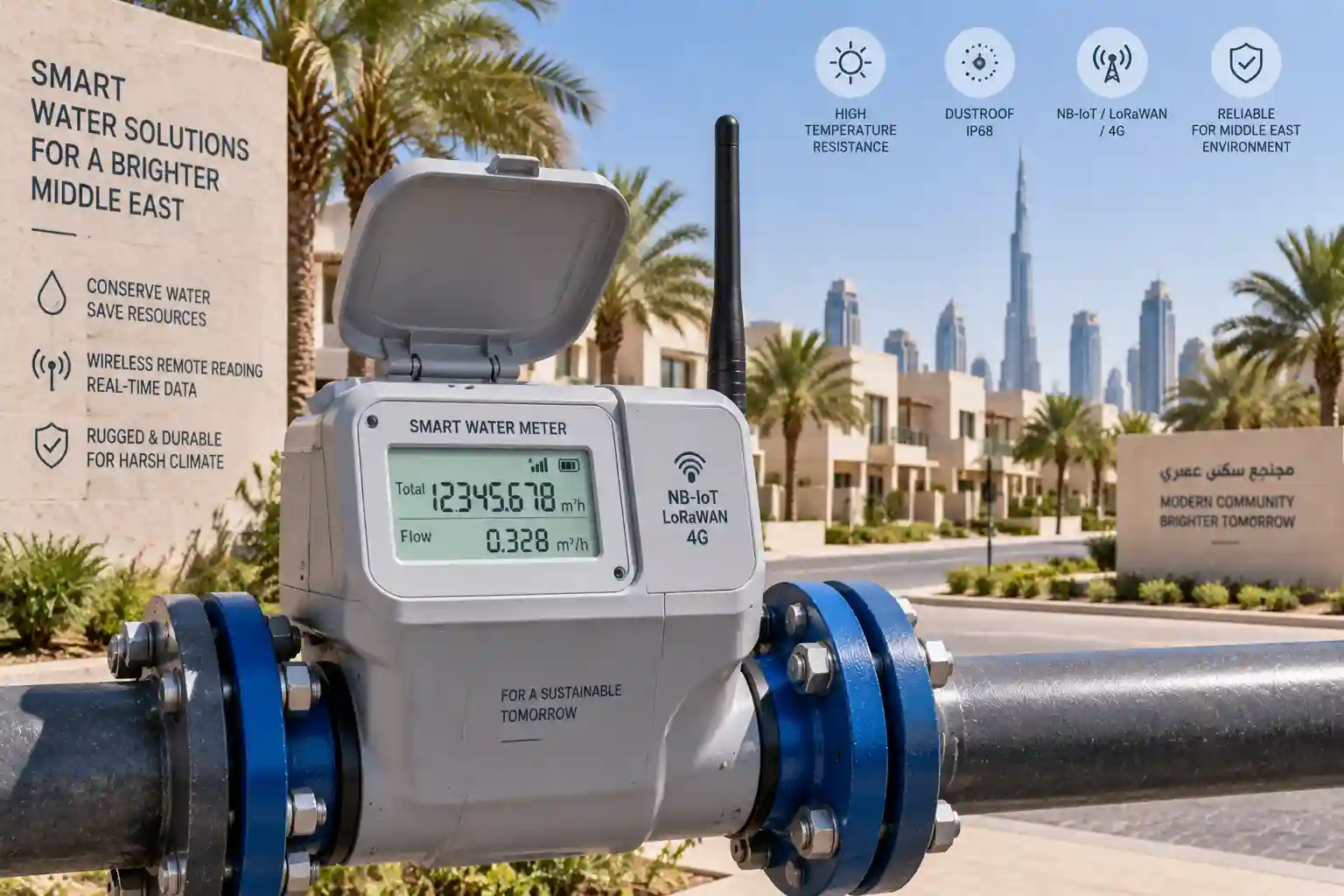
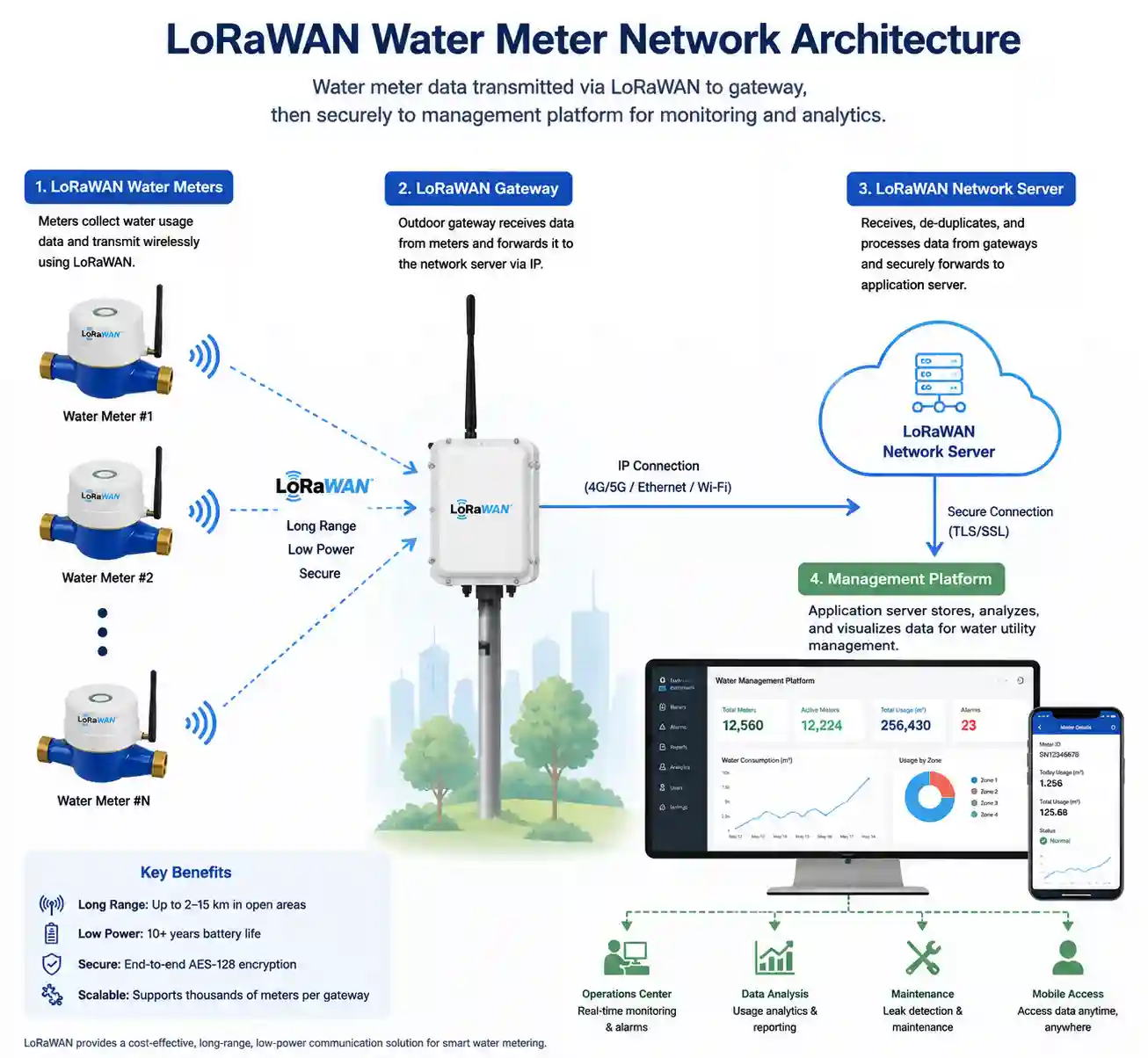
تُعدّ تقنية LoRaWAN وسيلة اتصال لاسلكية مُوجّهة للوصول إلى مسافات بعيدة مع استهلاك منخفض للطاقة. في مجال عمليات المياه، تستخلص هذه التقنية البيانات من مواقع بعيدة لا تتوفر فيها أبراج الاتصالات الخلوية، ما يُغطي العدادات الموجودة في الحفر التي يصعب الوصول إليها.
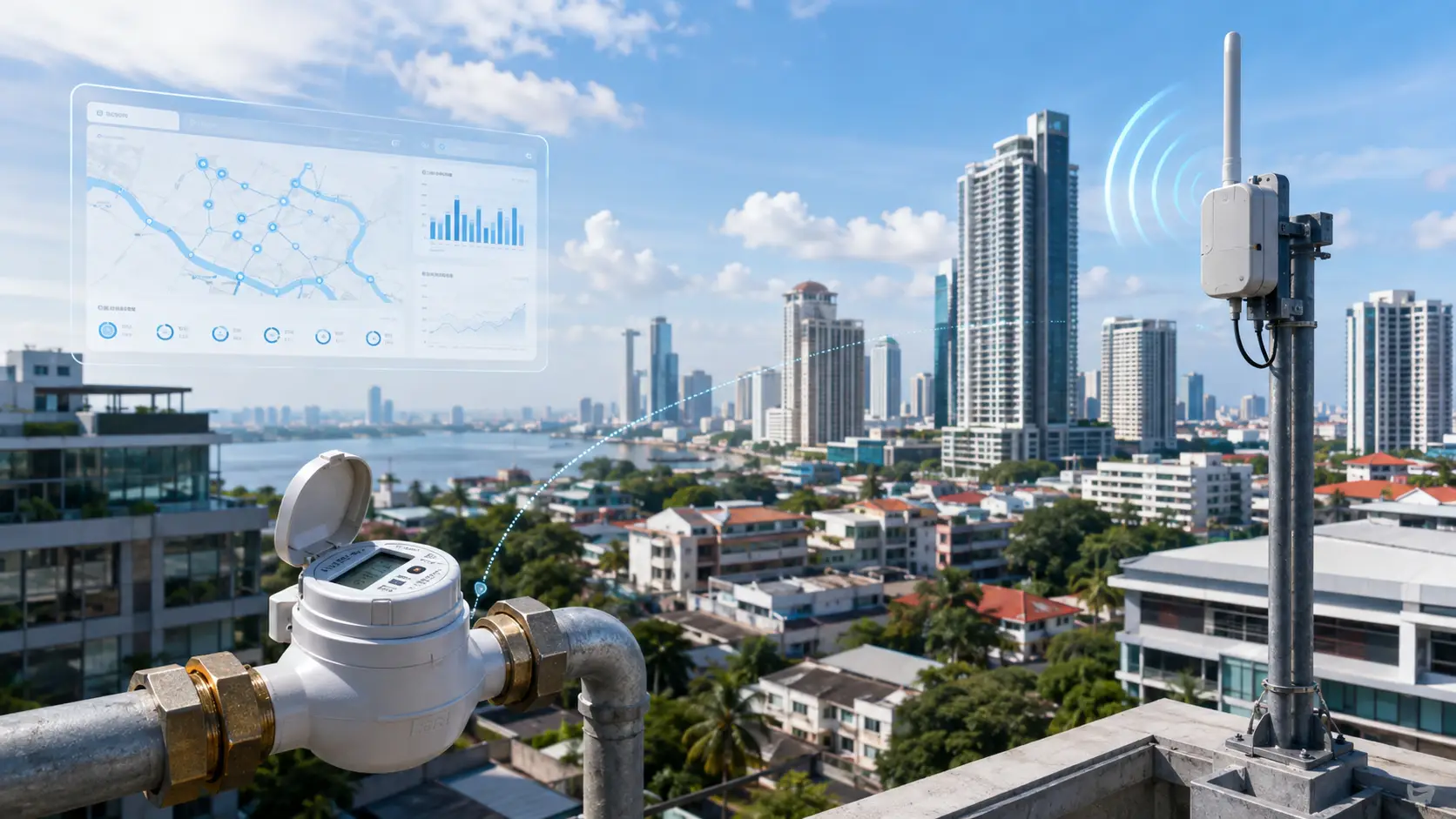
يصل مدى شبكة LoRaWAN إلى ما بين كيلومتر واحد وستة كيلومترات في الإعدادات القياسية. هذه المسافة تسمح لبوابة أو بوابتين بتغطية قرية بأكملها أو منطقة زراعية. وهذا يقلل تكاليف الإعداد مقارنةً بالأنظمة التقليدية.
تتجنب أجهزة القياس في الغابات النائية الحاجة إلى استبدال البطاريات سنوياً. وحدات LoRaWAN في وضع الخمول معظم الوقت، حيث يتم تنشيطها لفترة وجيزة للإرسال، مما يجعل عمر بطارية الليثيوم يصل إلى عشر سنوات.
تفشل الترددات العالية المشابهة لتقنية الواي فاي عند وجودها على الجدران أو المنحدرات. أما تقنية LoRaWAN فتعتمد على ترددات منخفضة مثل 470-510 ميجاهرتز أو 868-915 ميجاهرتز، والتي تخترق التربة والأسمنت والنباتات بشكل أفضل، مما يضمن وصول البيانات إلى القاعدة بشكل موثوق.
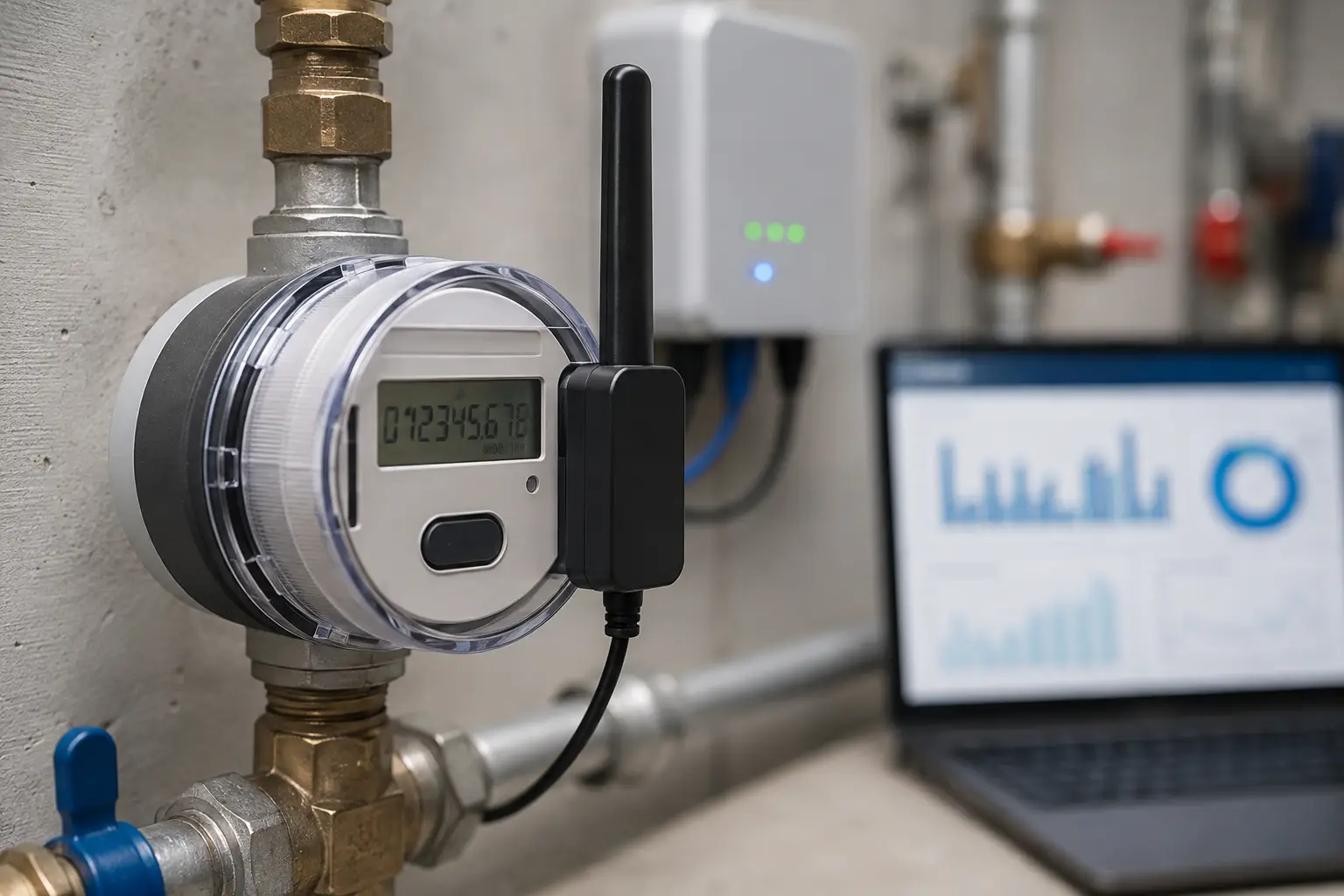
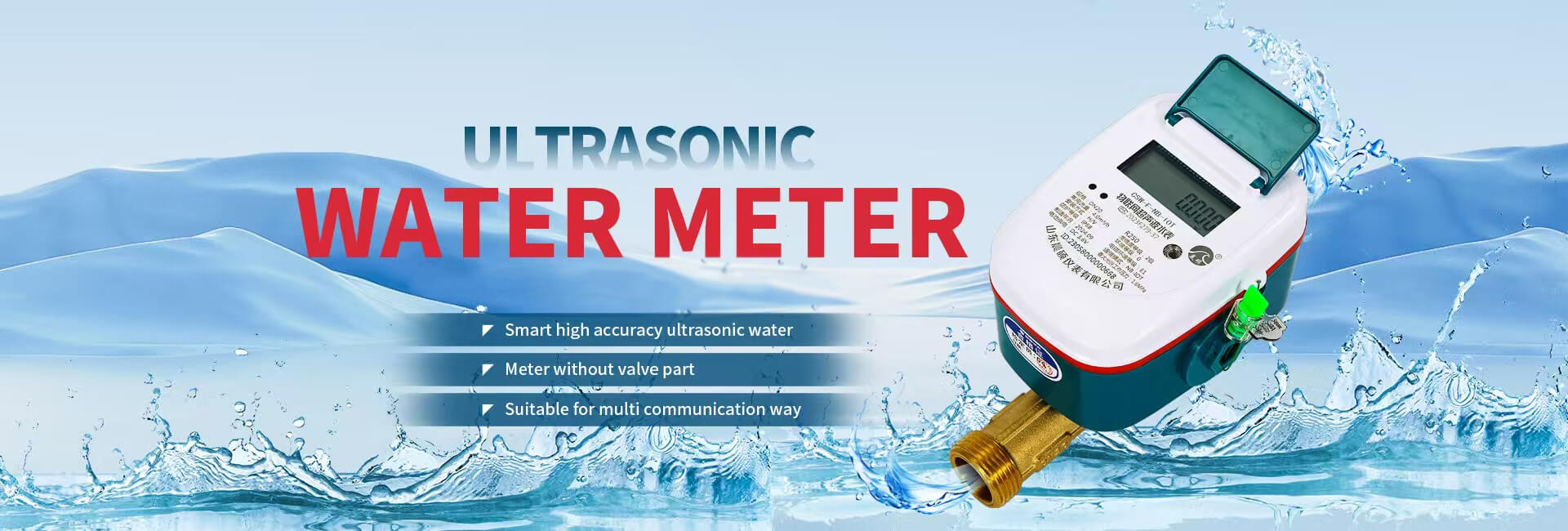
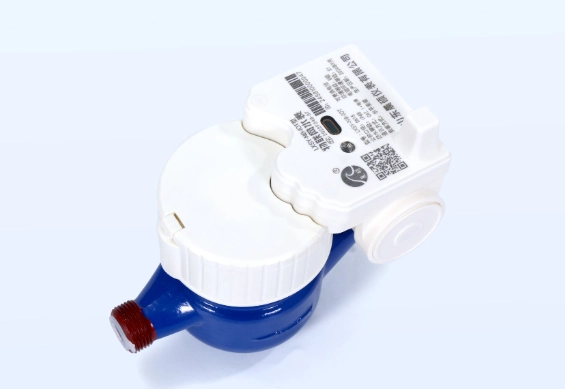
بالنسبة للمنازل الفردية والشركات الريفية الصغيرة، يُعدّ تتبع التدفق المنخفض بدقة أمراً بالغ الأهمية. مقياس المياه لوراوان DN15 يناسب هذا الجهاز تمامًا. يعمل ببطارية ليثيوم 3.6 فولت، ويتحمل درجات حرارة تتراوح بين -20 و100 درجة مئوية في الأجهزة الإلكترونية. يتميز بتصميم متين يتحمل الاستخدام القاسي، ويمكن تركيبه في الأماكن الضيقة. يجمع بين قياس استهلاك المياه الجافة والرطبة، ومقاومة التداخل بتقنية LoRa®. وبذلك، ينهي الحاجة إلى تقديرات استهلاك المياه المنزلية.
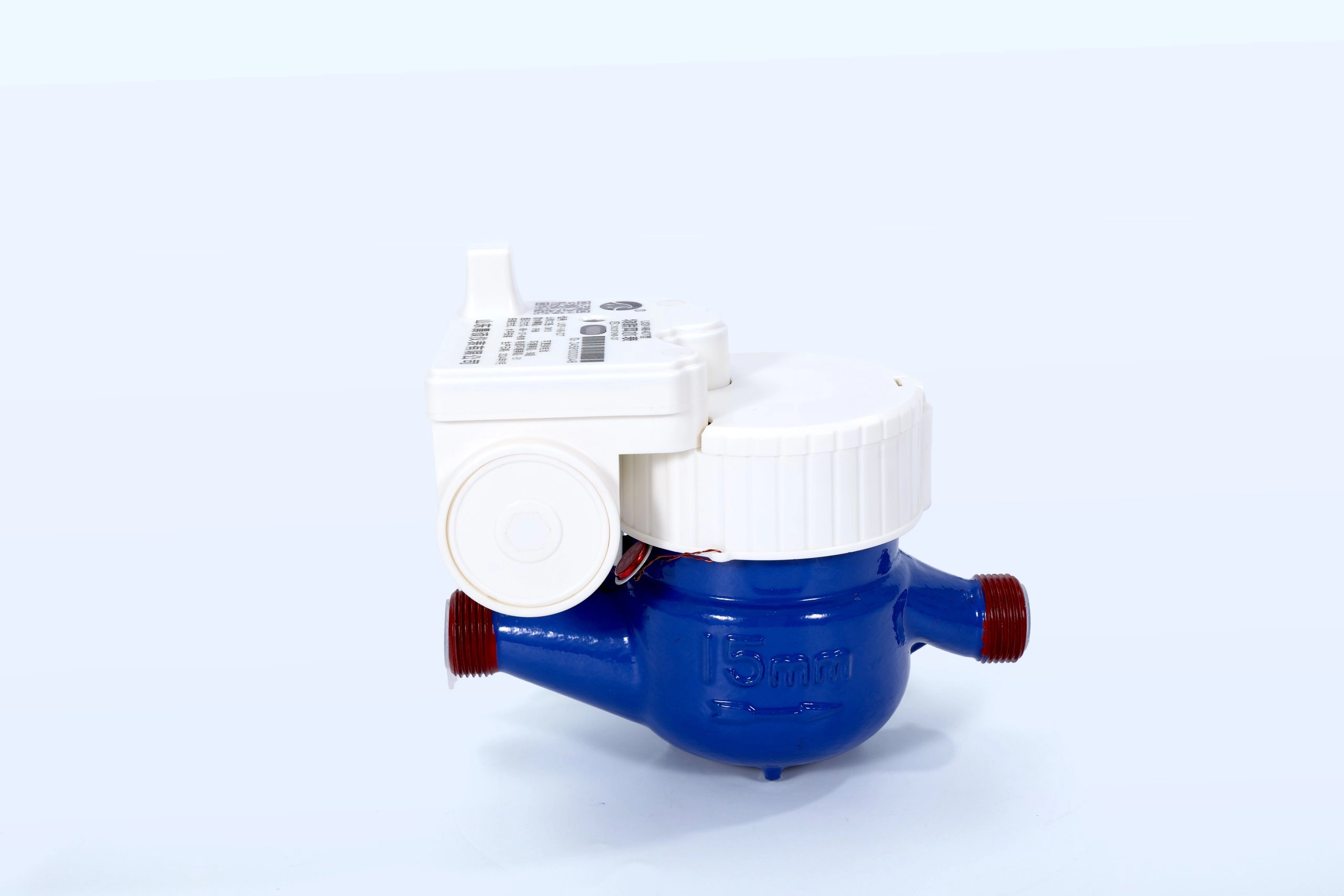
تسجل هذه الأجهزة جميع كميات المياه، حتى تلك المتساقطة ببطء من الصنابير. هذه الدقة تجعل عملية الفوترة عادلة وتتتبع كل لتر يتم توريده. وتبقى السجلات دقيقة بالنسبة لشركة المياه.
يُعدّ التثبيت سهلاً بشكل عام. فبعد بدء تشغيل البوابة، تتصل وحدات DN15 تلقائيًا. وتقوم بإرسال القراءات إلى النظام الرئيسي دون خطوات أو كابلات معقدة.
غالباً ما تواجه المناطق الريفية ظروفاً جوية قاسية. يتحمل جهاز DN15 الرطوبة العالية التي تصل إلى 90% وتقلبات درجات الحرارة. وهو يعمل في الحفر المكشوفة أو الأنابيب الظاهرة التي تُعدّ شائعة في المنازل الريفية.
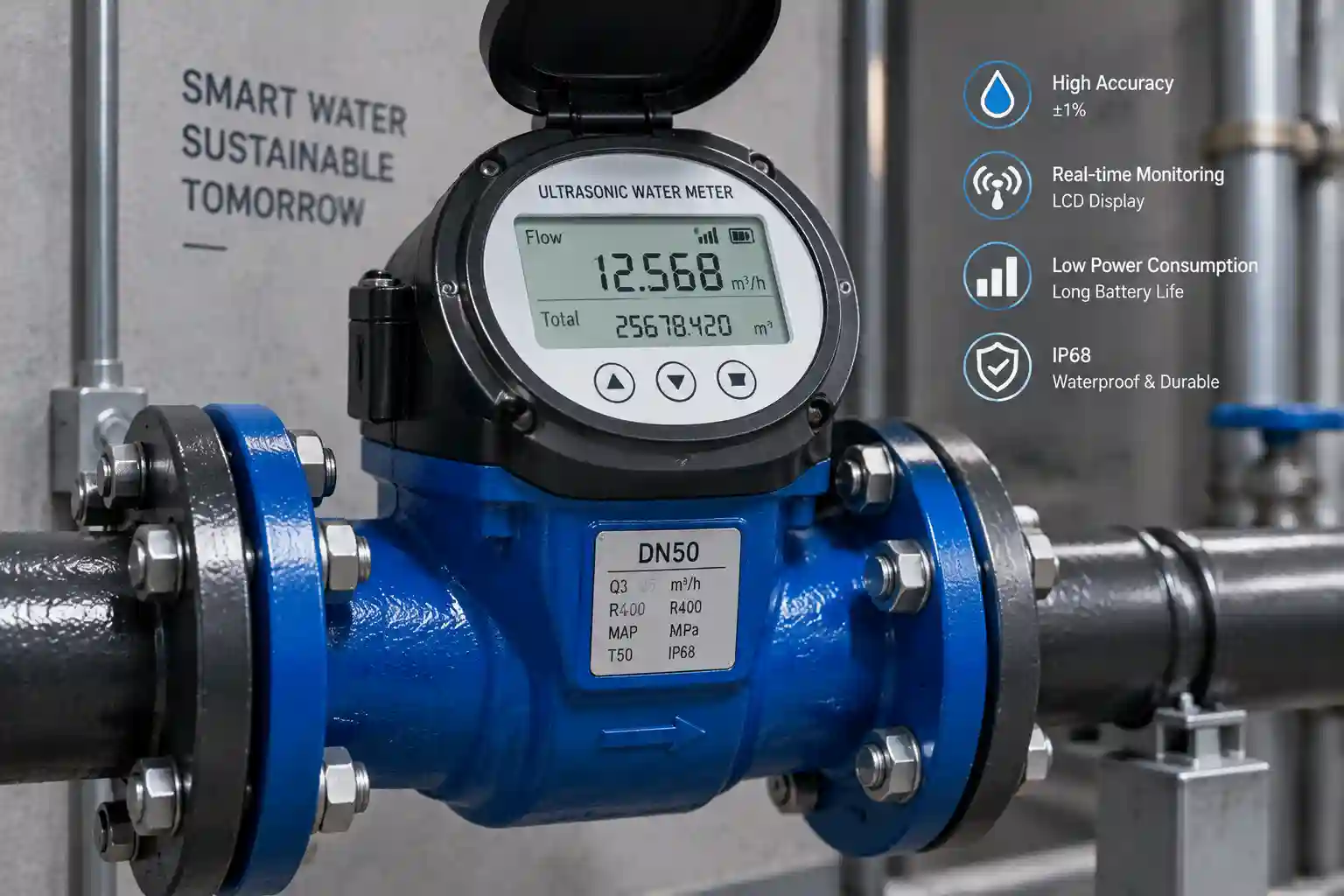
يؤدي التحول إلى خطوط الري الرئيسية أو ري المزارع إلى زيادة متطلبات الحجم. خيارات قوية مثل عداد مياه لاسلكي عن بعد بتقنية LORAWAN يناسب هذا الجهاز الأنابيب الأكبر حجمًا. يتعامل جهاز DN50 مع تدفقات أكبر بنفس مزايا الإرسال البعيد. يوفر دقة عالية وتدفق بدء منخفض. يكشف هذا الجهاز عن أي حركة غير مرغوب فيها في الخطوط العريضة، ويحمي شبكة الإمداد الريفية.
تستهلك الزراعة كميات كبيرة من المياه، ومراقبة هذه الكميات أمرٌ صعب. جهاز LoRaWAN المتين يتحمل التدفقات القوية، ويُبقي نقطة التحكم على اطلاع دائم بإجمالي الاستهلاك.
تُصدر معدات المزارع أو المصانع ضوضاءً في الخلفية. تلتقط تقنية LoRaWAN الإشارات وتعالجها بوضوح، بينما تفشل الأدوات اللاسلكية التقليدية في التقاطها في مثل هذه المواقع.
غالباً ما تشكل عمليات التلاعب عن بُعد مخاطر. تعمل الدروع المضادة للمغناطيسية المدمجة على منع التلاعب. وتبقى البيانات المرسلة صحيحة وغير معدلة.
يمثل تبني الشبكات الذكية تحولاً جوهرياً، إذ يُعيد تشكيل طريقة إدارة موارد المياه. وتُسهّل خرائط التدفق الواضحة الاستجابة للأزمات، وتُمكّن من التحكم الاحترافي في الخدمات.
يؤدي إلغاء الرحلات الروتينية بالسيارة لإجراء القراءات إلى توفير الكثير من المال. ويتجه الموظفون إلى الإصلاحات والتحسينات الحقيقية، ويتجنبون الرحلات الطويلة مع الملاحظات الورقية.
تتطلب فترات الجفاف أو أوقات الذروة معرفة دقيقة بتدفق الإمدادات. وتعمل المعلومات المباشرة على موازنة الإمدادات في المناطق الريفية. ويخف النقص مع الاستخدام الأمثل للفائض.
تؤدي أخطاء الإدخال اليدوي إلى خسائر في الإيرادات في كثير من الأحيان. يقلل التشغيل الآلي من الأخطاء البشرية. يحصل نظام الفوترة على قراءات دقيقة للعدادات. وتزداد أرباح شركة المرافق.
لستَ مضطراً لريادة هذا الأمر بمفردك. مركز الحالة تُظهر هذه النتائج نجاحات العدادات الذكية في الأسواق الصعبة. فمن مناطق التسويق المباشر في المملكة المتحدة إلى التوسعات الآسيوية، تُعدّ البيانات محركاً أساسياً لنجاح القطاع.
تُظهر الأمثلة قدرة تقنية LoRaWAN على سدّ الثغرات التي تعجز فيها شبكات الجيل الخامس أو GPRS عن العمل. فهي تُعدّ الخيار الأمثل للمناطق الطرفية في شبكات اليوم.
تُحدد قصص النجاح أهدافًا واضحة لعملك. ستتعرف على فترات تشغيل البطارية المتوقعة ومستويات الإشارة المطلوبة. وستكتسب عمليات النشر موثوقية ثابتة.
تتيح هذه التقنية البدء بمشاريع صغيرة. أضف عشر وحدات الآن، ومئات لاحقاً. يتناسب النمو مع التمويل والطلب. وتتلاشى مخاطر المعدات القديمة.
هل أنت مستعد لحل مشاكل الاتصال؟ اختر شركة متخصصة في تفاصيل تقنية LoRaWAN وحقائق شبكات الاتصالات الريفية. للاستفسارات المتعلقة بالنشر أو تعديلات التردد، استخدم الاتصال صفحة. وهي تحتوي على روابط لمهندسين يعملون بشكل يومي.
تُساهم الأبحاث والتطوير الموسّعة في ابتكار عدادات مقاومة للتداخل ومتينة. وتغطي سلسلة التوريد الكاملة جميع مراحل الإنتاج، بدءًا من قطع الغيار وصولًا إلى التجميع. ستستفيد من هذه العملية المتينة.
إنتاج مليون وحدة سنوياً يعني بناءً صارماً وموحداً. تُطبق معايير ISO على جميع الوحدات، ولا وجود لأي اختلافات بين الدفعات.
تختلف المناطق الريفية من منطقة لأخرى. بعضها يناسب تردد 470 ميجاهرتز، والبعض الآخر 868 ميجاهرتز. يقوم الفريق بتخصيص الأجهزة وفقًا للقواعد والظروف، ما يضمن دقة التوافق.
س1: هل تستطيع أجهزة قياس LoRaWAN نقل البيانات عبر التلال أو الأشجار الكثيفة؟
ج: نعم. على عكس الإشارات عالية التردد، يستخدم نظام LoRaWAN ترددات أقل من 1 جيجاهرتز، والتي تتمتع بقدرة اختراق أفضل بكثير. ورغم أن الجبال الشاهقة قد تحجب الإشارة، إلا أنه يعمل بشكل عام بكفاءة أعلى بكثير من شبكات الهاتف المحمول أو الواي فاي في المناطق الريفية الجبلية أو المشجرة.
س2: ماذا يحدث إذا نفدت البطارية في مكان ناءٍ؟
ج: صُممت هذه العدادات بوحدات منخفضة الطاقة تدوم عادةً من 8 إلى 10 سنوات. تُرسل معظم الأنظمة تنبيهًا بانخفاض مستوى البطارية إلى لوحة التحكم قبل أشهر من نفاد الطاقة فعليًا، مما يمنحك متسعًا من الوقت لتحديد موعد للاستبدال.
س3: هل البيانات المرسلة عبر LoRaWAN آمنة من المتسللين؟
ج: بالتأكيد. يستخدم بروتوكول LoRaWAN تشفير AES-128. يتم تشفير بيانات استهلاك المياه الخاصة بك عند العداد وتبقى مشفرة حتى تصل إلى خادمك الآمن، مما يمنع أي "تنصت" غير مصرح به.
س4: هل أحتاج إلى اشتراك لكل عداد كما هو الحال مع الهاتف المحمول؟
ج: لا. هذا من أفضل مزاياها. مع تقنية LoRaWAN، يمكنك امتلاك بوابة خاصة بك. بمجرد تثبيت البوابة، لا توجد رسوم بيانات شهرية (لكل متر)، مما يجعلها أكثر اقتصادية للشبكات الريفية الكبيرة.
س5: هل تستطيع هذه العدادات تحمل فصول الشتاء الريفية شديدة البرودة؟
ج: نعم، الوحدات الإلكترونية مصممة للعمل في درجات حرارة منخفضة تصل إلى -20 درجة مئوية. طالما أن الماء داخل الأنبوب لا يتجمد ويتسبب في انفجار الغلاف، ستستمر المكونات الذكية في تسجيل البيانات ونقلها بشكل سليم.
 العنوان: حديقة Xiao'anzi الصناعية ، مدينة Baishabu ، مقاطعة Lanshan ، مدينة Linyi ، مقاطعة Shandong
 اتصل بنا الآن:+86 15562945993
 بريد إلكتروني:info@sdchenshuo.cn


شركة Shandong Chenshuo Instrument ، Ltd.