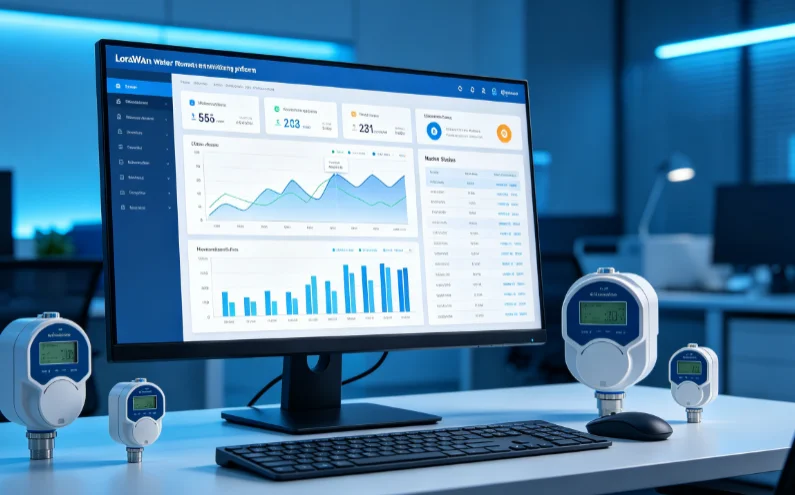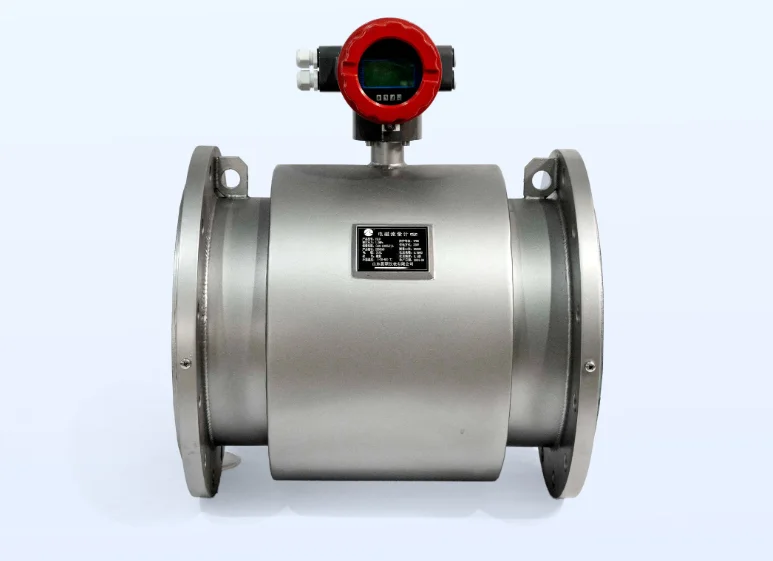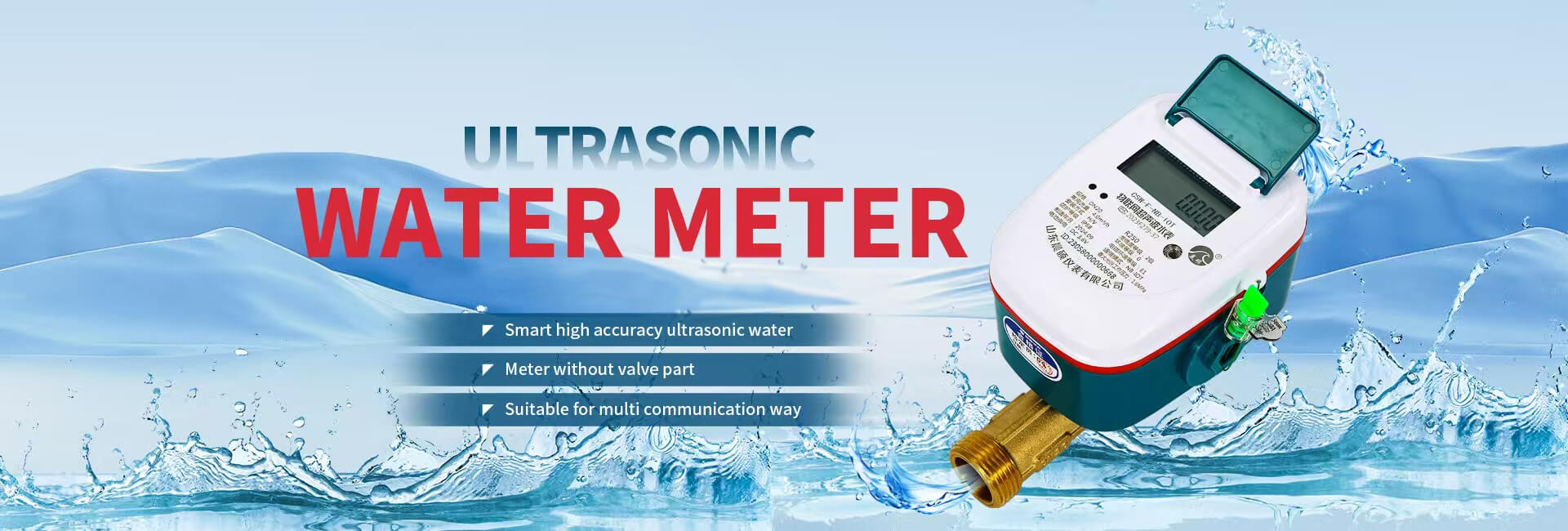


Выбор подходящего ультразвукового водометра часто зависит от ключевого технического аспекта: числа “ пути” Следуют звуковые волны. Этот выбор влияет на факторы, варьирующиеся от первоначальной стоимости до постоянной надежности общественной или производственной водной сети. При получении точных измерительных устройств партнерство с опытным производителем упрощает переход на интеллектуальный надзор за водой. Чэньшуорасположен в “ Родний город водометров” в Шаньдуне, Китай, предлагает более миллиона единиц в годовом производстве. Их сотрудники делают акцент на эффективных исследованиях и разработках, расширяя базовые компоненты для предоставления всеобъемлющих рамок IoT. Если вы ищете обычное бытовое устройство или надежную промышленную конфигурацию, их интегрированная цепочка поставок управляет задачами от изготовления деталей до интеграции OEM, что позволяет без осложнений соответствовать требованиям ISO.
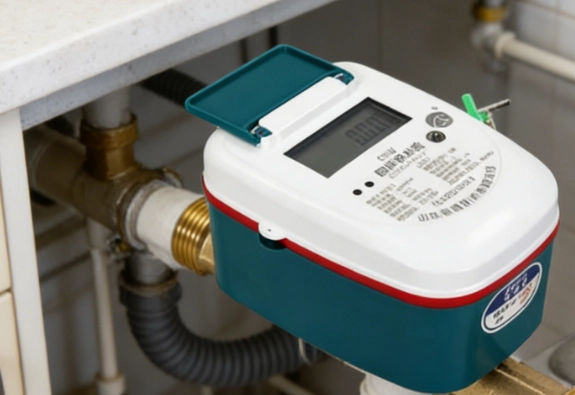
Ненадежные измерения редко происходят только из-за неисправного устройства. Часто условия внутри трубопровода оказываются слишком нерегулярными для эффективного управления базовым детектором. По мере того, как вода перемещается по изгибам или встречается с фитингами, она генерирует вихри и беспокойства, которые нарушают прямые оценки.
Обычные измерители часто недостаточно эффективны, потому что они предполагают равномерное линейное движение воды. На практике нерегулярное движение встречается обычно. Одинопутный детектор захватывает только узкий сегмент потока, поэтому если эта конкретная область меняется скоростью из-за тесного изгиба, общий результат становится неточным. Следовательно, это ограничение приводит к последовательным расхождениям в сборе данных между различными установками.
Хотя механические элементы деградируются со временем, первоначальные электронные модели также представляют определенные проблемы. Когда конструкции не хватает прочности, отложения и минеральные слои могут помешать передаче. В результате сервисный персонал должен более регулярно посещать объекты для корректировки, что подрывает финансовые преимущества внедрения цифровых решений. Кроме того, такие повторные вмешательства увеличивают эксплуатационные расходы и сокращают время работы системы.
Неучтенная вода представляет собой спокойный сток доходов. Если устройство не сможет зарегистрировать незначительное проникновение или постепенное утечку, этот объем полностью избегает счета. Многие старые конфигурации имеют повышенные минимальные пороги, поэтому они остаются неактивными до тех пор, пока не произойдет значительный поток. Поэтому эти недостатки значительно способствуют общим потерям в распределении ресурсов.
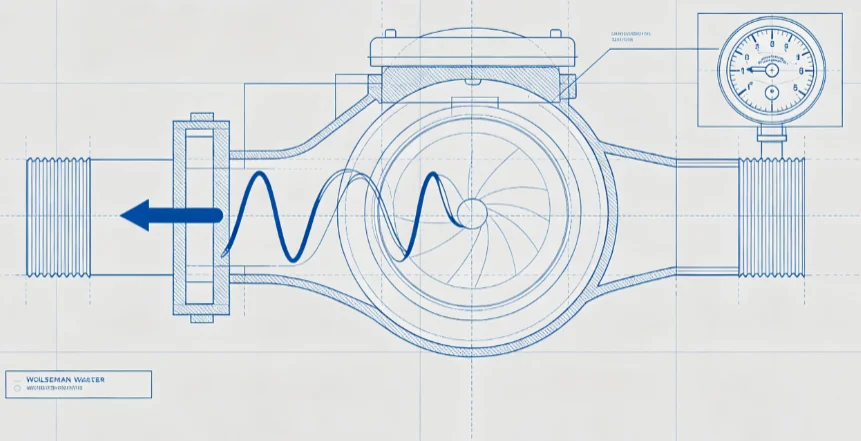
Основной подход зависит от “ время транзита” техники. Звуковые импульсы движутся в обоих направлениях; они ускоряются с током и замедляются против него. Изменение продолжительности обеспечивает информацию о скорости.
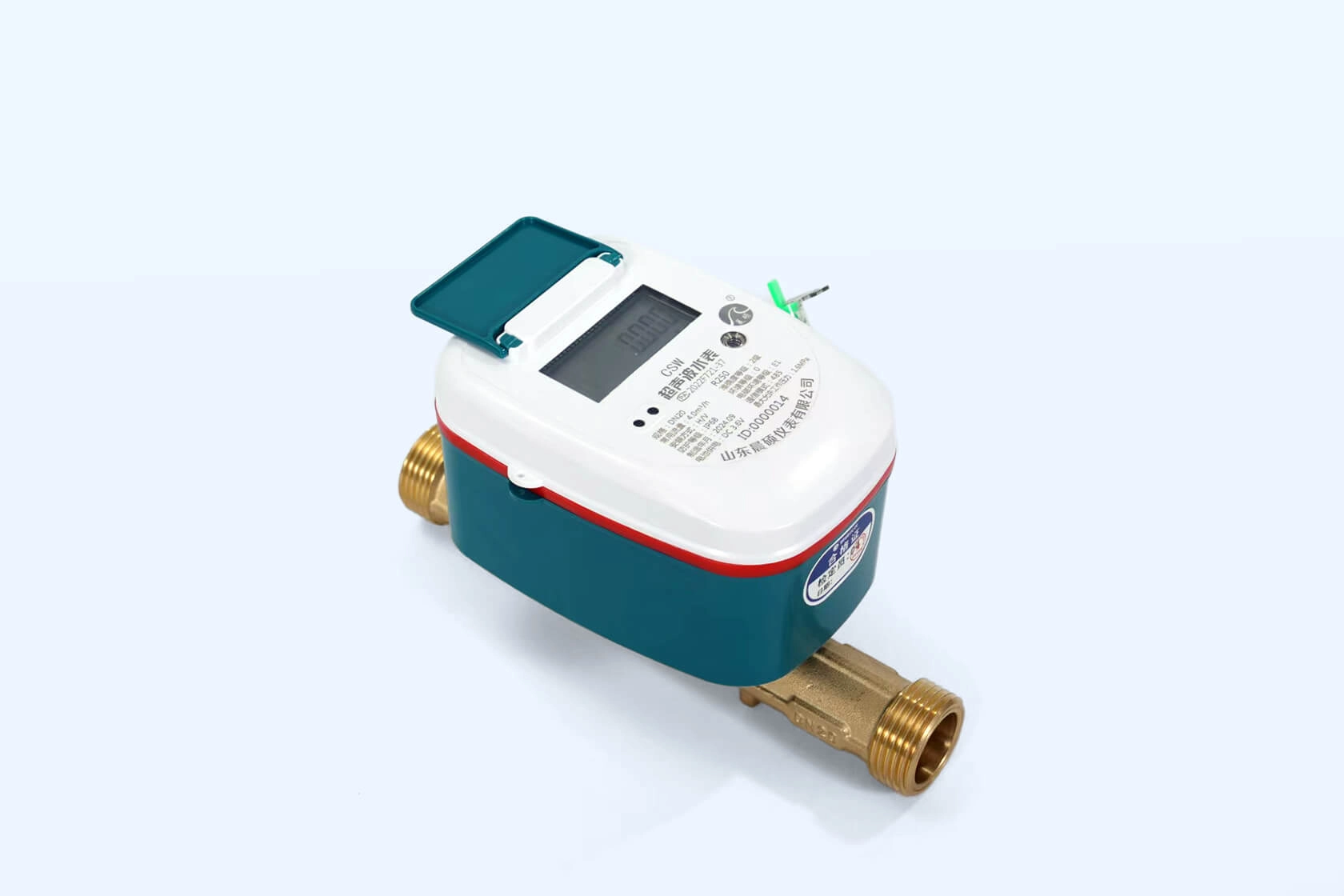
Этот метод обеспечивает прямой процесс. Один набор преобразователей направляет импульс по каналу под углом. Он способствует эффективности и поддерживает небольшой след, как видно в Ультразвуковый водометр-DN20, который подходит для домашних зон, где модели движения остаются стабильными и пространство ограничено. В этих настройках конструкция обеспечивает надежную работу без ненужной сложности.
В больших каналах редко достаточно полагаться на один маршрут. Конструкции с несколькими путями включают в себя различные пары конверторов, расположенные в разных ориентациях. Устройство’ Затем процессор вычисляет среднее из этих входов. Это приводит к всеобъемлющему профилю жидкости’ s движение, повышение надежности в условиях нерегулярности. Кроме того, он минимизирует влияние внешних нарушений на результаты измерений.
Позиционирование детекторов имеет значение, сопоставимое с их количеством. Специалисты определяют места отскока и наклонности, чтобы обойти неэффективные области. Точное расположение позволяет блоку игнорировать помехи воздушных карманов или незначительного мусора. Таким образом, это тщательное планирование поддерживает последовательную точность в практических приложениях.
Различия между этими конфигурациями ясно появляются при изучении соотношения R, которое указывает на диапазон от самого низкого до самого высокого потока, обрабатываемого с верностью.
В городских линиях снабжения обеспечение расширенных прямых секций перед установкой оказывается сложным. Многопоходовые методы управляют этими нарушенными потоками более эффективно. Они сбалансируют нарушения, тем самым поддерживая уровни ошибок ниже указанных порогов. Кроме того, эта возможность поддерживает точный мониторинг в различных сетевых макетах.
Передовые ультразвуковые устройства достигают стандарта R400. Такие рейтинги отражают исключительную отзывчивость. Многопосочное расположение позволяет оборудованию обеспечивать точные результаты на широком спектре скоростей, охватывающих тонкие вечерние капли до интенсивных дневных требований в объектах. Следовательно, он удовлетворяет различные оперативные потребности без компромиссов.
Быстрое движение создает колебания и беспокойства. Единопутный блок может колебаться на фоне таких помех. Системы с несколькими путями включают внутренние резервные копии; Если один маршрут испытывает искажение, остальные поддерживают доставку информации. Эта избыточность обеспечивает бесперебойную функциональность во время пиковых нагрузок.
Физическая конструкция соответствует важности внутренней обработки. В случае ослабления корпуса или отказа в питании даже превосходные детекторы оказываются неэффективными. Производственные объекты имеют жесткие условия, включая влажные корпусы или внезапные изменения давления.
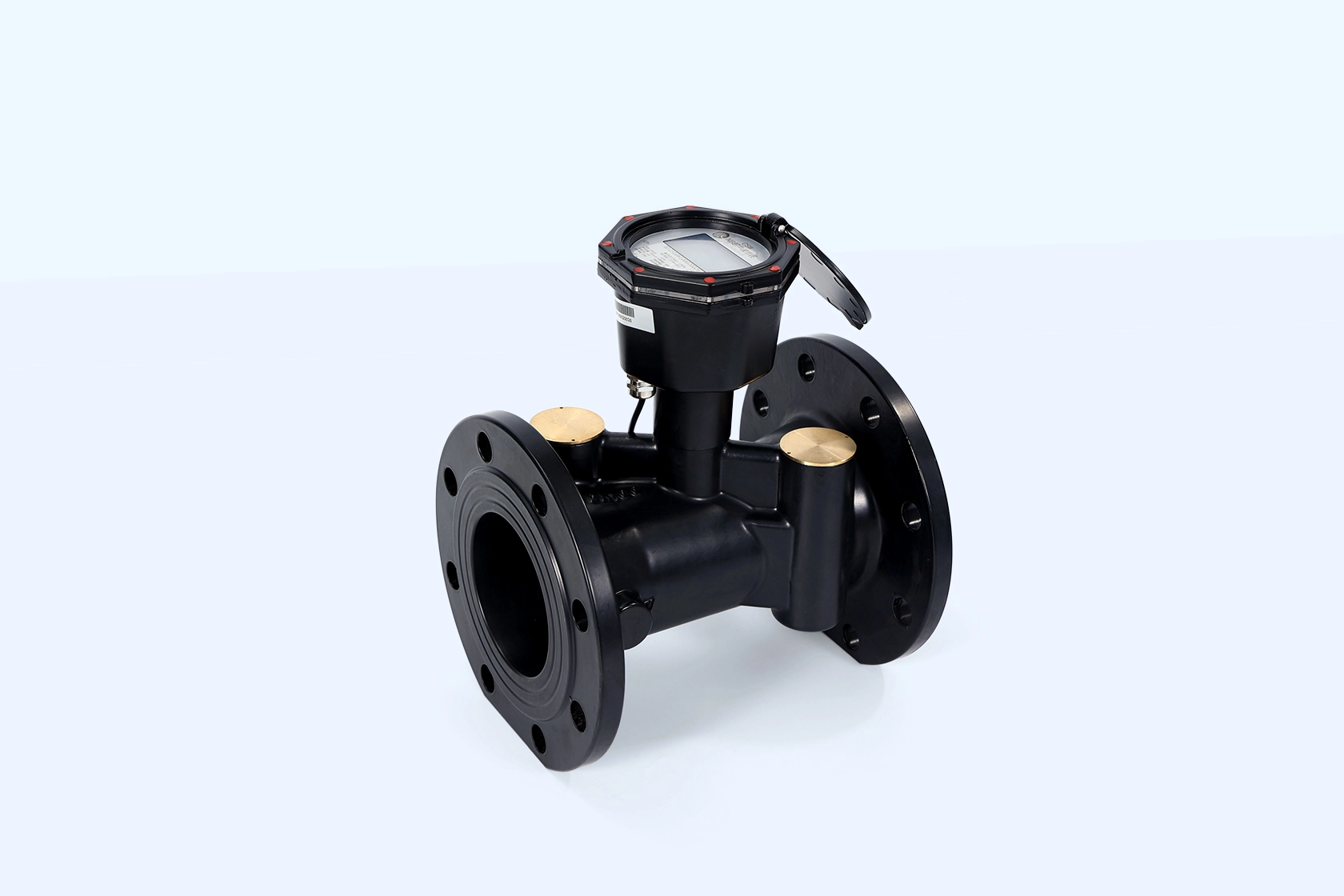
Для широких приложений такие варианты, как Ультразвуковый водометр-DN100 Используйте прочные вещества для противодействия деградации. Одной силы недостаточно; внутренний канал требует полированной поверхности, чтобы избежать сопротивления потоку, что экономит энергию для операторов распределения. Эти функции сочетаются для продления срока службы и снижения долгосрочных затрат.
Экспозиционные размещения происходят регулярно. Единицы должны выдержать длительное погружение. Сертификация IP68 гарантирует, что схемы остаются изолированными от внешних элементов, предотвращая конденсацию или электрические сбои, распространенные в меньших продуктах. Таким образом, эта защита поддерживает эксплуатационную целостность в неблагоприятных погодных или наводнительных сценариях.
Регулярные замены электроэнергии неудобствуют пользователей и увеличивают расходы. Современные ультразвуковые модели нацелены на более десяти лет службы. Включение энергоэффективных схем и значительных литиевых элементов позволяет непрерывно отчитываться через LoraWAN или NB-IoT, устраняя необходимость частых посещений на месте. Эта конструкция поддерживает устойчивое развертывание в удаленных или крупномасштабных сетях.
Выявление поставщика, знакомого с сложностями производства, трансформирует закупки. Размещенные в специальной промышленной зоне, они имеют доступ к высококачественным инструментам и материалам для тестирования на местном уровне.
Технология прошла проверку в различных средах, включая заводы в Юго-Восточной Азии и европейские жилищные районы. Помимо поставки устройств, они предоставляют сетевой опыт для соединения подразделений с платформами центрального надзора (SCADA), центральными для любого Управление разделами DMA план. Такая интеграция облегчает эффективное отслеживание и контроль ресурсов.
От компактных 20 мм единиц для жилья до 100 мм вариантов для первичных маршрутов ассортимент охватывает все размеры. Эта единообразность упрощает обработку запасов и подготовку персонала в единой системе. В результате организации добиваются оптимизации операций по всей своей инфраструктуре.
Коммерческие покупатели часто требуют адаптированных элементов, таких как измененные полосы передачи или специализированные соединения. Группа предоставляет прямая поддержка для корректировки компонентов или программирования, гарантируя беспрепятственное включение в текущие системы фактурирования. Такая гибкость эффективно отвечает уникальным требованиям проекта.
Q1: Что является идеальным приложением для однопутных измерителей?
Ответ: Они подходят для более узких каналов, таких как домашние ссылки, где шаблоны остаются равномерными, а средства являются ключевым фактором. Их простота обеспечивает экономически эффективное использование в стабильных сценариях с низким спросом.
Q2: Как технология Multi Path улучшает надежность?
Ответ: Захват данных из нескольких направлений позволяет компенсировать ошибки от вихрей или дисбалансов, распространенных в крупных производственных трубопроводах. Этот процесс усреднения повышает общую последовательность измерения.
Q3: Почему Chenshuo является предпочтительным поставщиком для зарубежных покупателей?
Ответ: Они сочетают в себе значительные объемы производства, строгий контроль, проверенный ISO, и варианты адаптации к местным правилам. Эта смесь надежно поддерживает международные развертывания.
Вопрос 4: Могут ли эти счетчики подключаться к существующим сетям Smart City?
О: Да, совместимость с такими протоколами, как LoraWAN, NB-IoT и GPRS, позволяет прямо добавлять настройки автоматического чтения (AMR). Интеграция происходит без крупных ремонтов.
Q5: Каков типичный срок службы ультразвукового водометра?
Ответ: Отсутствие механического износа, эти устройства обычно выдерживают от десяти до пятнадцати лет, в основном ограничены продолжительностью батареи. Регулярное обслуживание продлевает этот период.
 Адрес: Индустриальный парк Сяо'анзи, город Байшабу, район Ланшан, город Лини, провинция Шаньдун
 Позвони нам сейчас:+86 15562945993
 Электронная почта:info@sdchenshuo.cn


Shandong Chenshuo Instrument Co., Ltd.