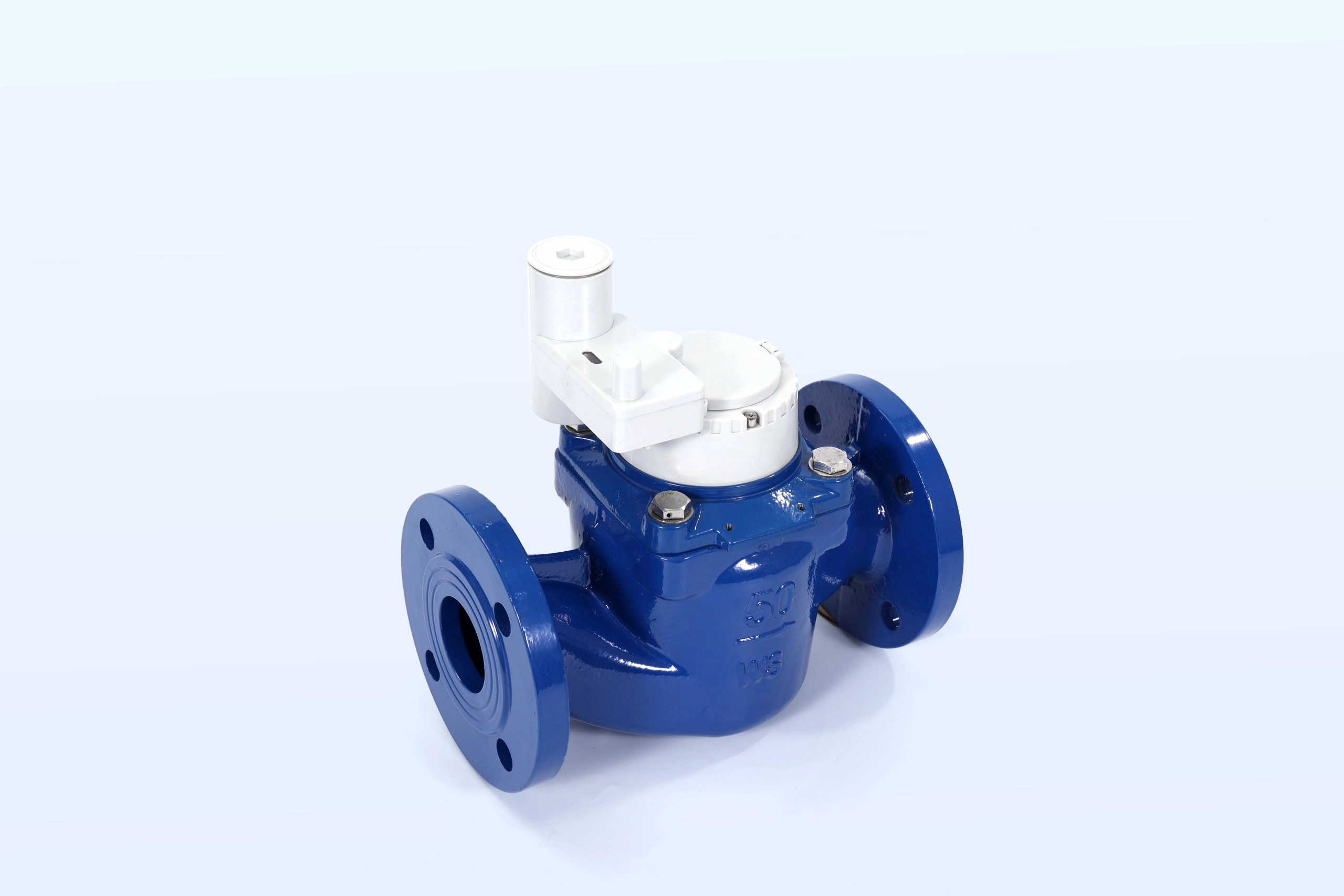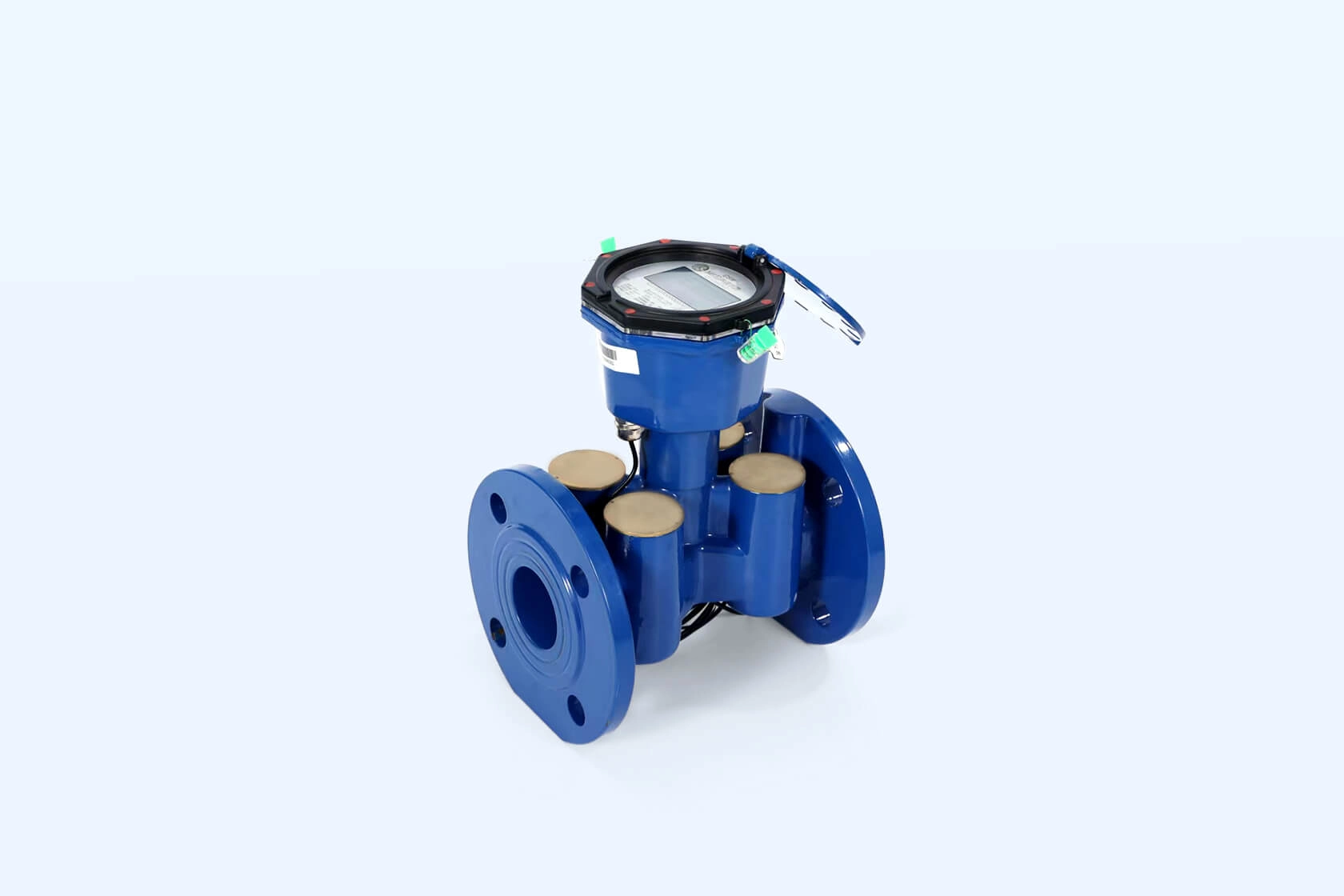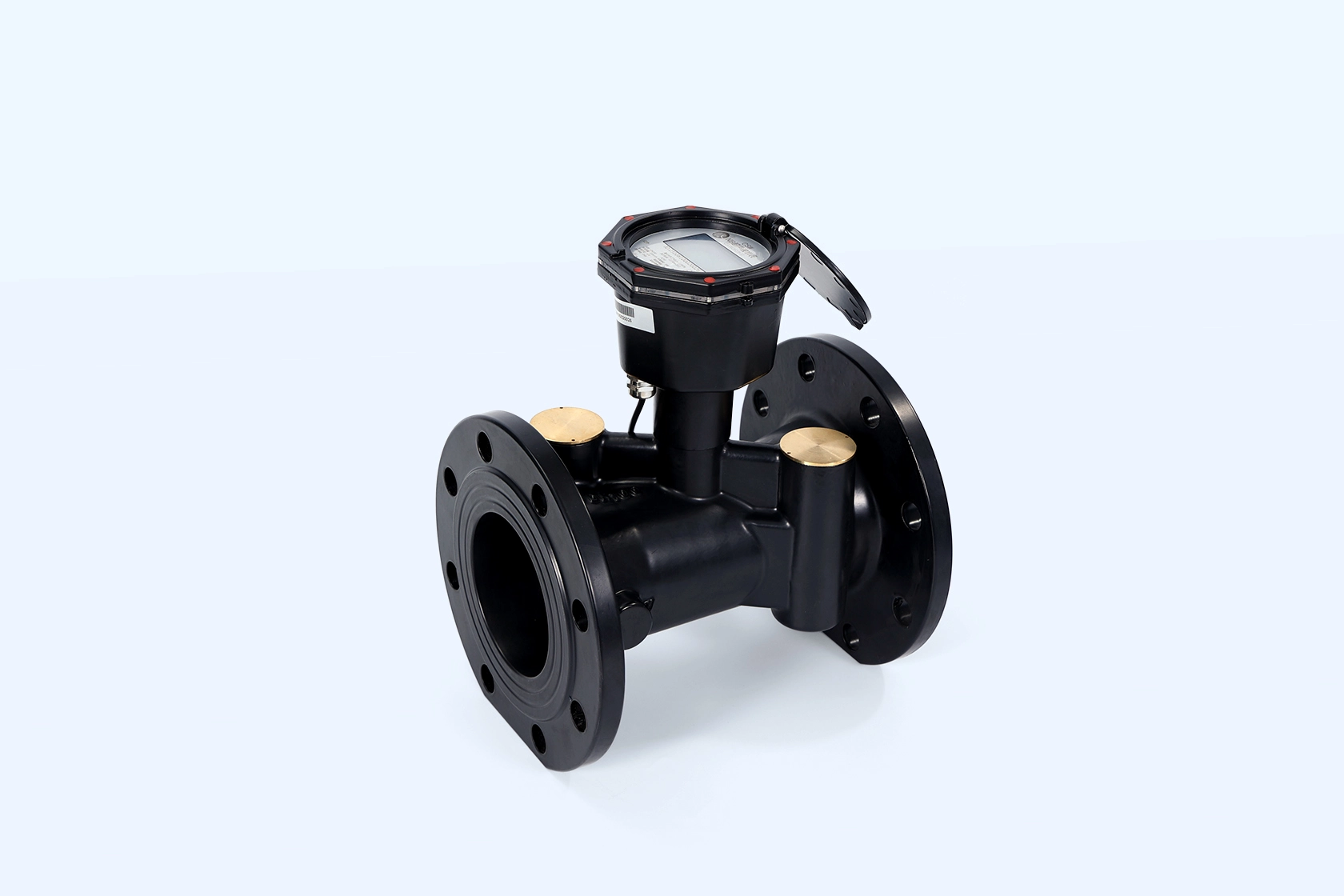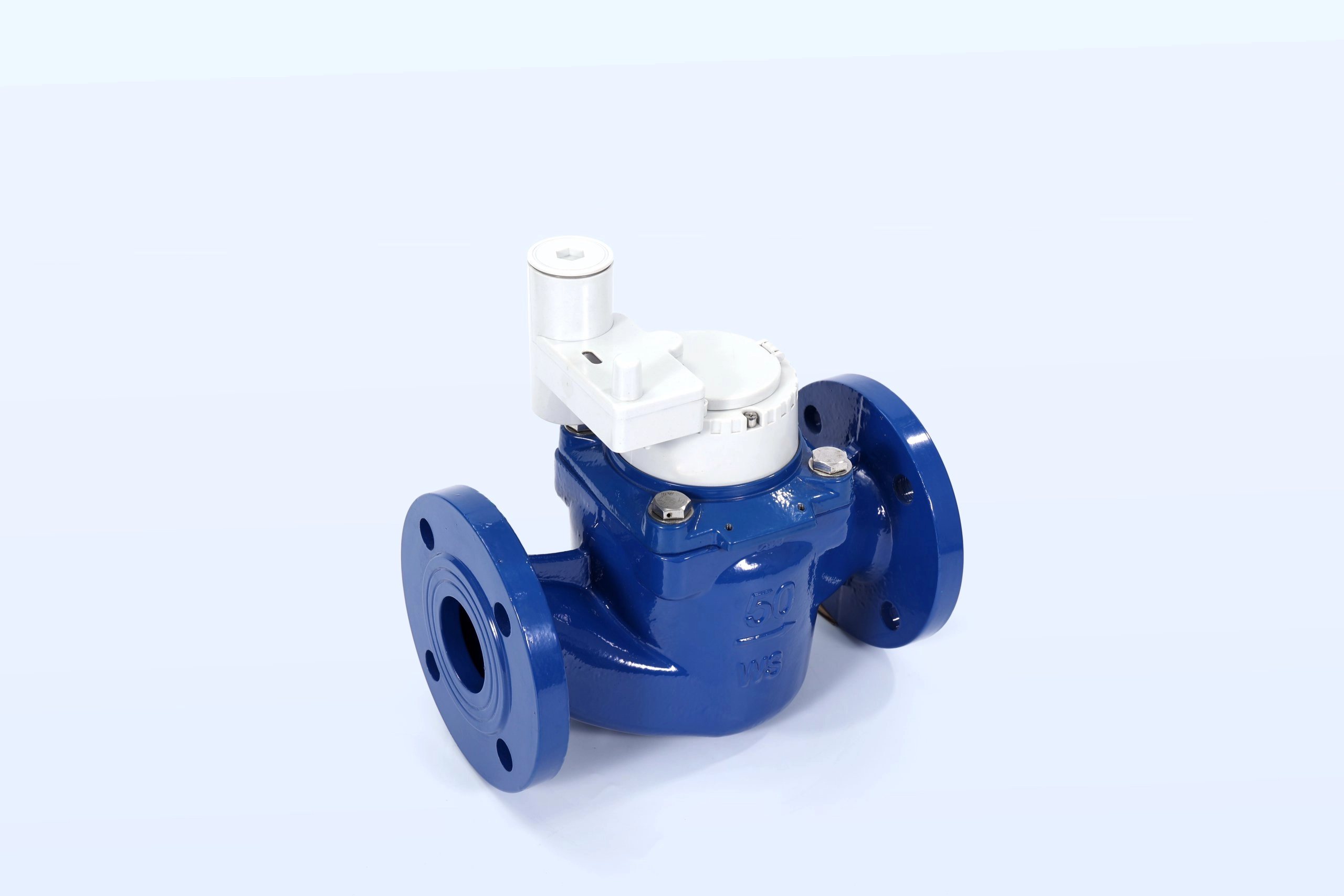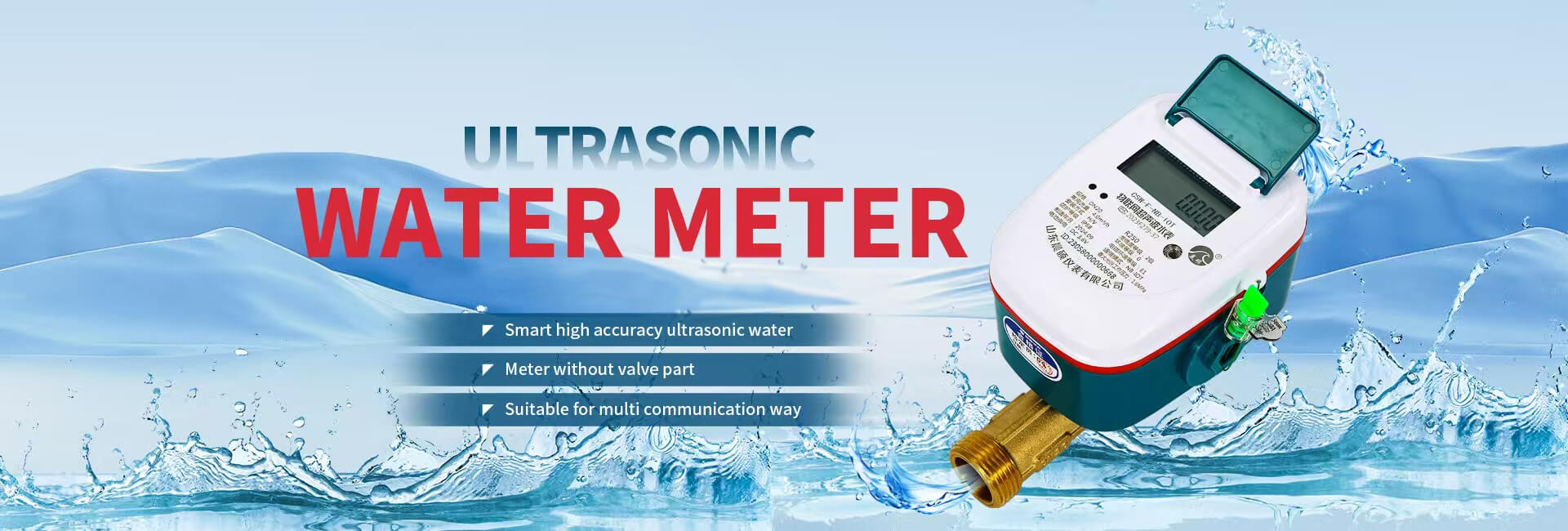


Технологии умного измерения трансформируют управление коммунальными услугами, с цифровыми счетчиками воды в авангарде. Эти передовые устройства не только регистрируют потребление воды, но и обеспечивают анализ данных в режиме реального времени, беспрепятственную интеграцию с платформами IoT и возможности прогнозного обслуживания. По сравнению с традиционными системами цифровые водометры резко повышают эксплуатационную эффективность и уменьшают расходы ресурсов за счет точного измерения и мгновенного обнаружения аномалий.
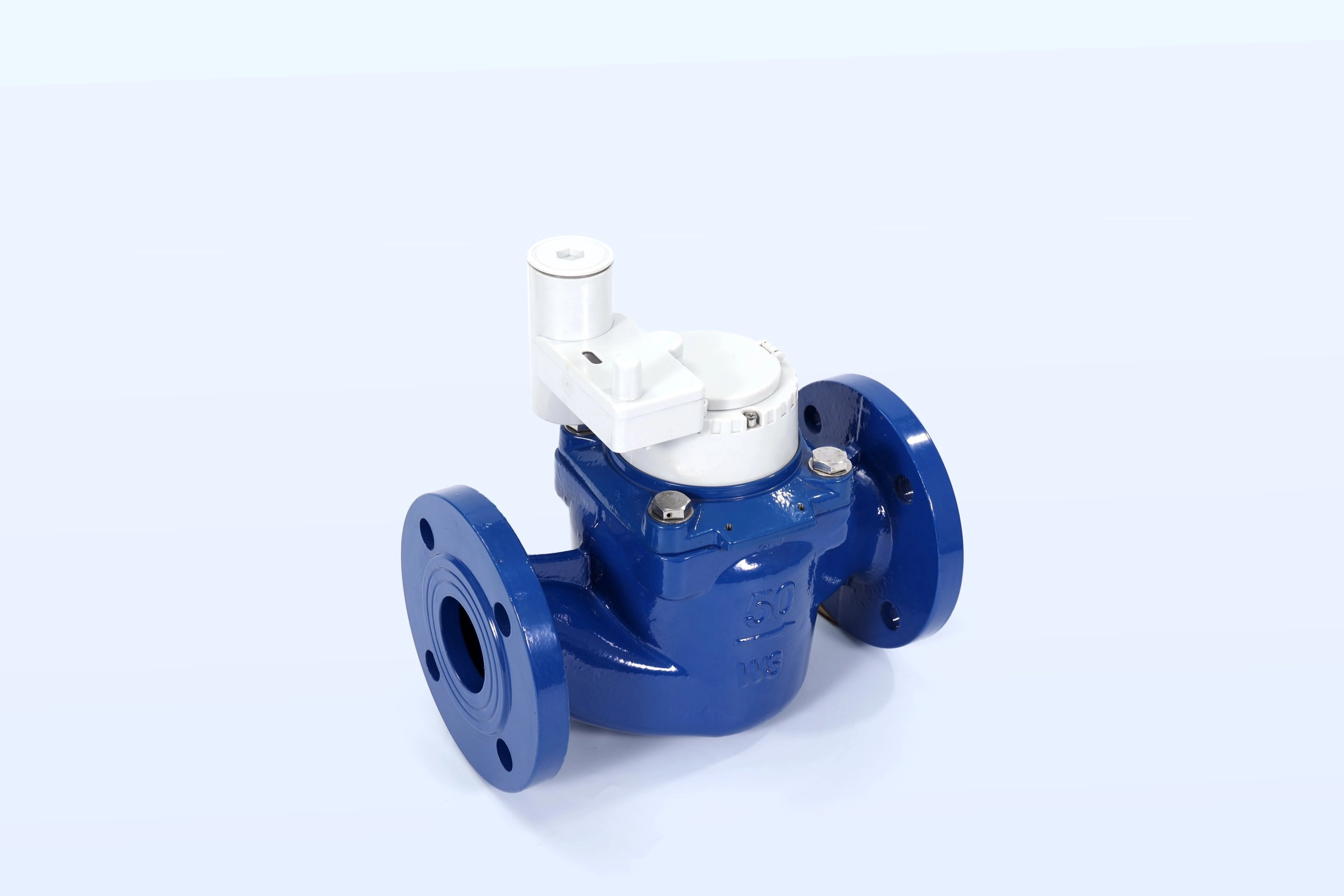
Если вы хотите сильные цифровые варианты измерения, проверьте Чэнь СХуо, квалифицированный производитель умных водометров, который поставляет современные технологии, такие как ультразвуковые, электромагнитные и LoRaWAN водометры.
Цифровые водометры изменили то, как коммунальные компании и люди отслеживают использование воды. Они отличаются от ручного чтения журналов, которые часто имеют задержки и ошибки, поскольку эти счетчики дают почти мгновенные детали потока через интеллектуальные датчики и системы передачи данных.
Точное зондирование является основой для сбора твердых данных. Цифровые счетчики полагаются на проверенные методы, такие как ультразвуковое и электромагнитное зондирование, чтобы избежать типичных ошибок.
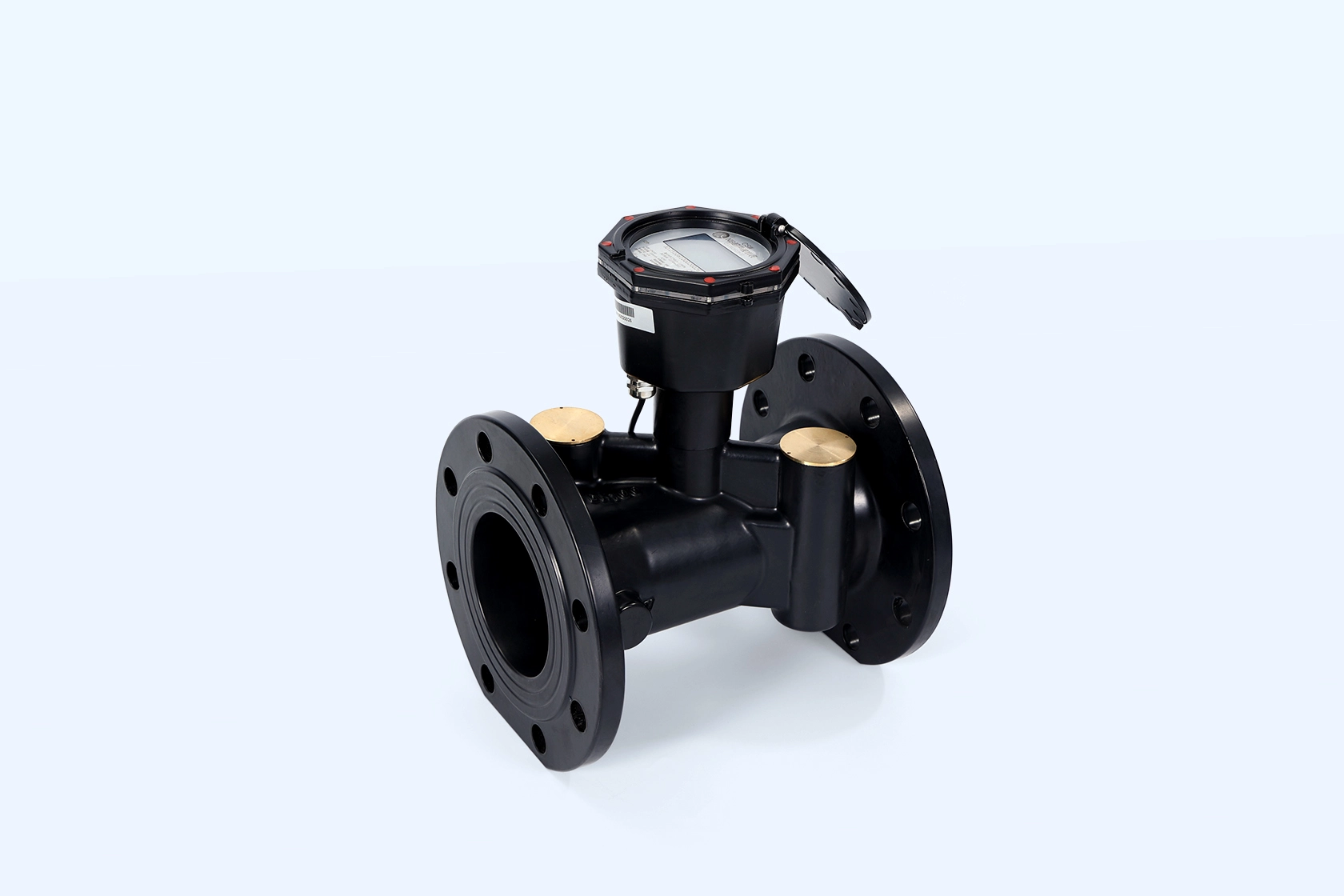
Ультразвуковые водометры применяют ультразвуковый метод для определения скорости потока путем проверки движения жидкости. Поскольку у них нет движущихся частей, эти счетчики демонстрируют мало износа и длительное время. Такие предметы, как Ультразвуковый водометр-DN80 Держите точность от ±1% до ±2%, даже когда потоки меняются.
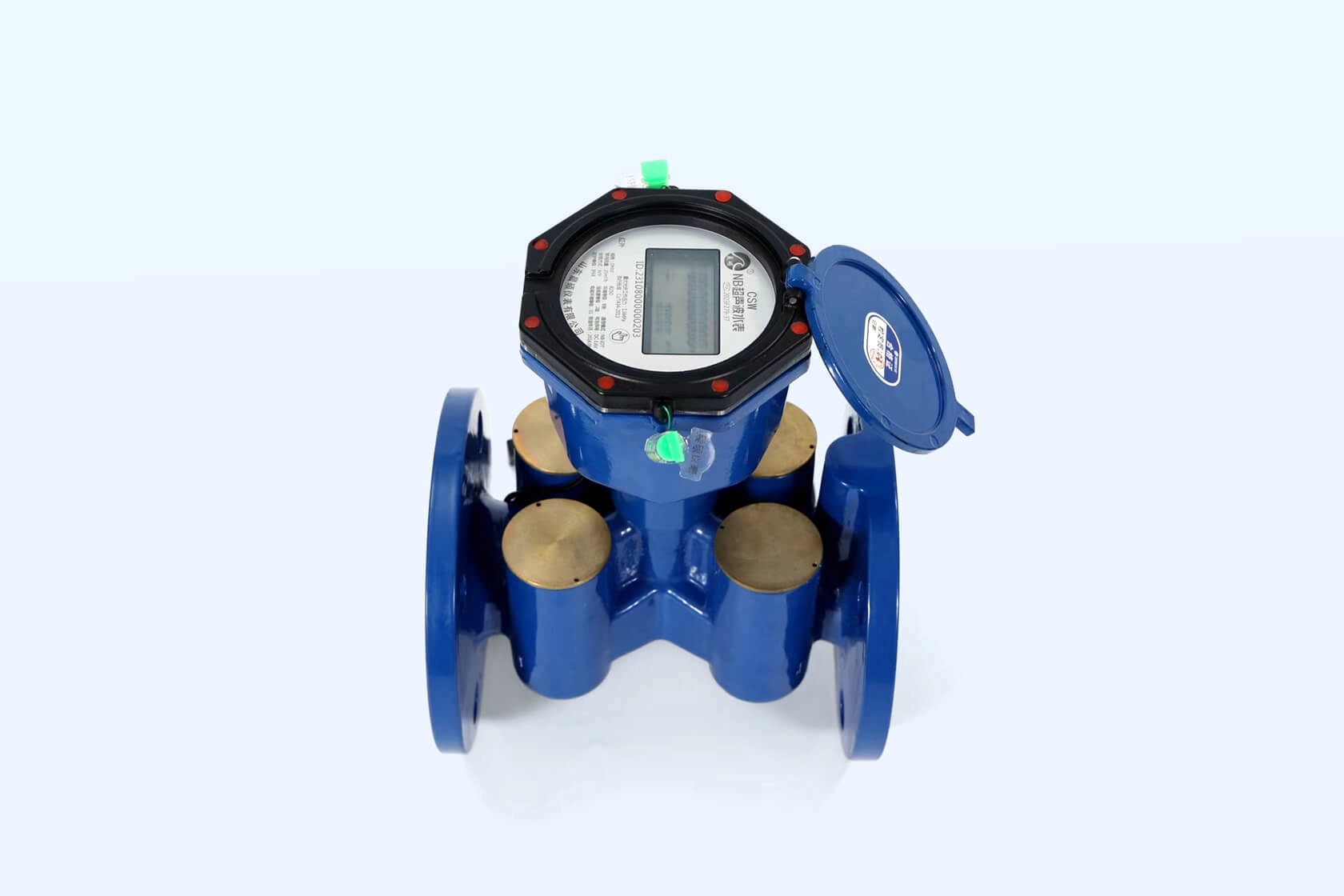
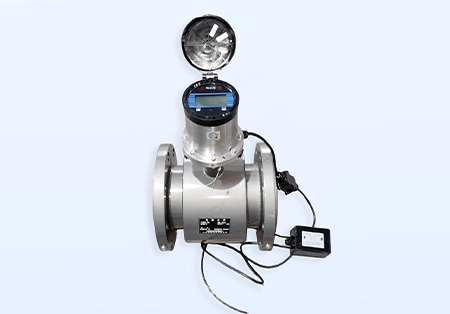
Электромагнитный водометр LXE-100 следует закону Фарадея для измерения проводимого потока жидкости, и он остается стабильным, несмотря на изменения давления или тепла. Его конструкция с низкой мощностью поддерживает длительное использование, сохраняя при этом стабильную точность.
Цифровые счетчики регулярно отправляют данные в режиме реального времени в основные системы, что позволяет быстро обнаруживать утечки или необычные модели использования.
Умные водометры решают такие задачи, как удаленное чтение, обзор данных и проверка проблем, и эти шаги значительно укрепляют возможности мониторинга. Такие инструменты очень важны для утилит, которые контролируют большие сети, где медленное обнаружение может привести к потере ресурсов или нанесению ущерба настройкам.
Данные из цифровых счетчиков поступают в облачные системы для более глубокого обзора. Эта настройка поддерживает прогнозы шаблонов, проверку тенденций и автоматические предупреждения.
Проверяя данные об использовании воды, команды водоснабжения могут четко увидеть модели и сдвиги водоснабжения города, поэтому они корректируют планы снабжения и мудро разделяют водоснабжение. Он также позволяет пользователям следовать за своими привычками через приложения и хорошо применять методы экономии.
Устойчивые связи обеспечивают, чтобы полные наборы данных с цифровых счетчиков прибыли на целевые платформы без пробелов или изменений. Эта часть очень важна для поддержания систем мониторинга в реальном времени.
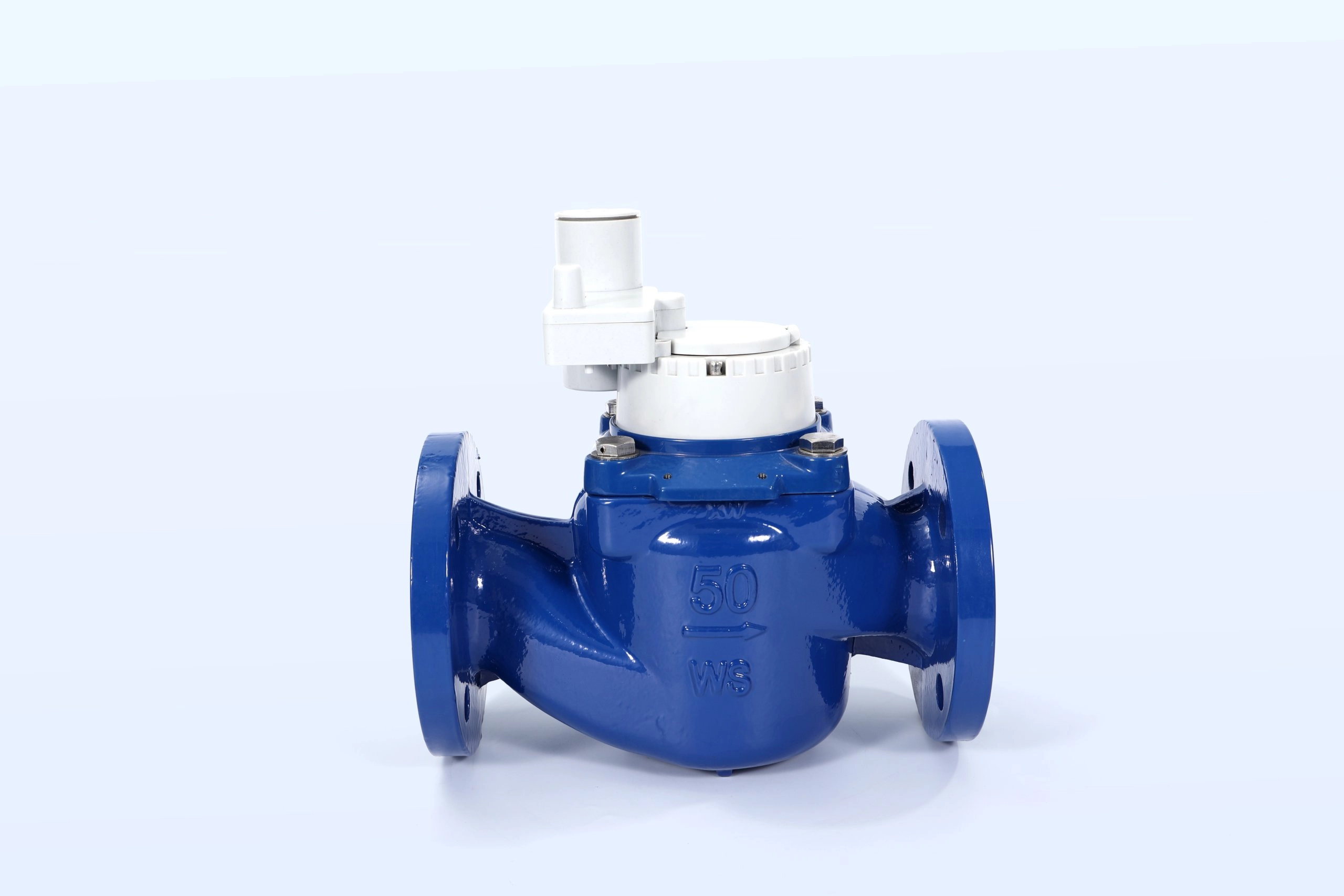
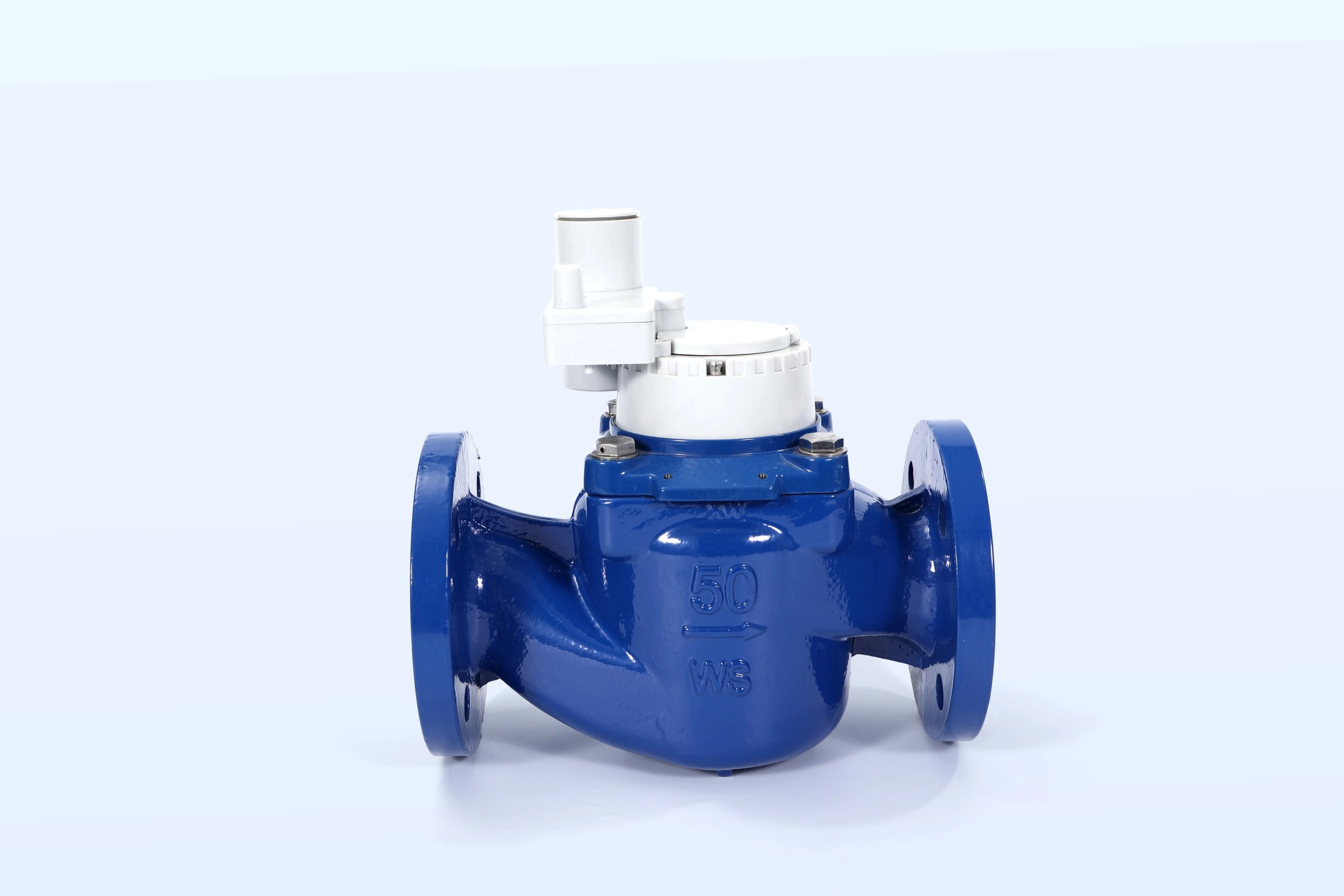
Низкоемкие широкомасштабные сети, такие как LoRaWAN, обеспечивают хороший охват в течение нескольких километров, используя при этом мало энергии. ЛoRaWAN водометр DN50 использует эту ссылку для автоматического удаленного чтения и дальней отправки, все без потери точности измерения.
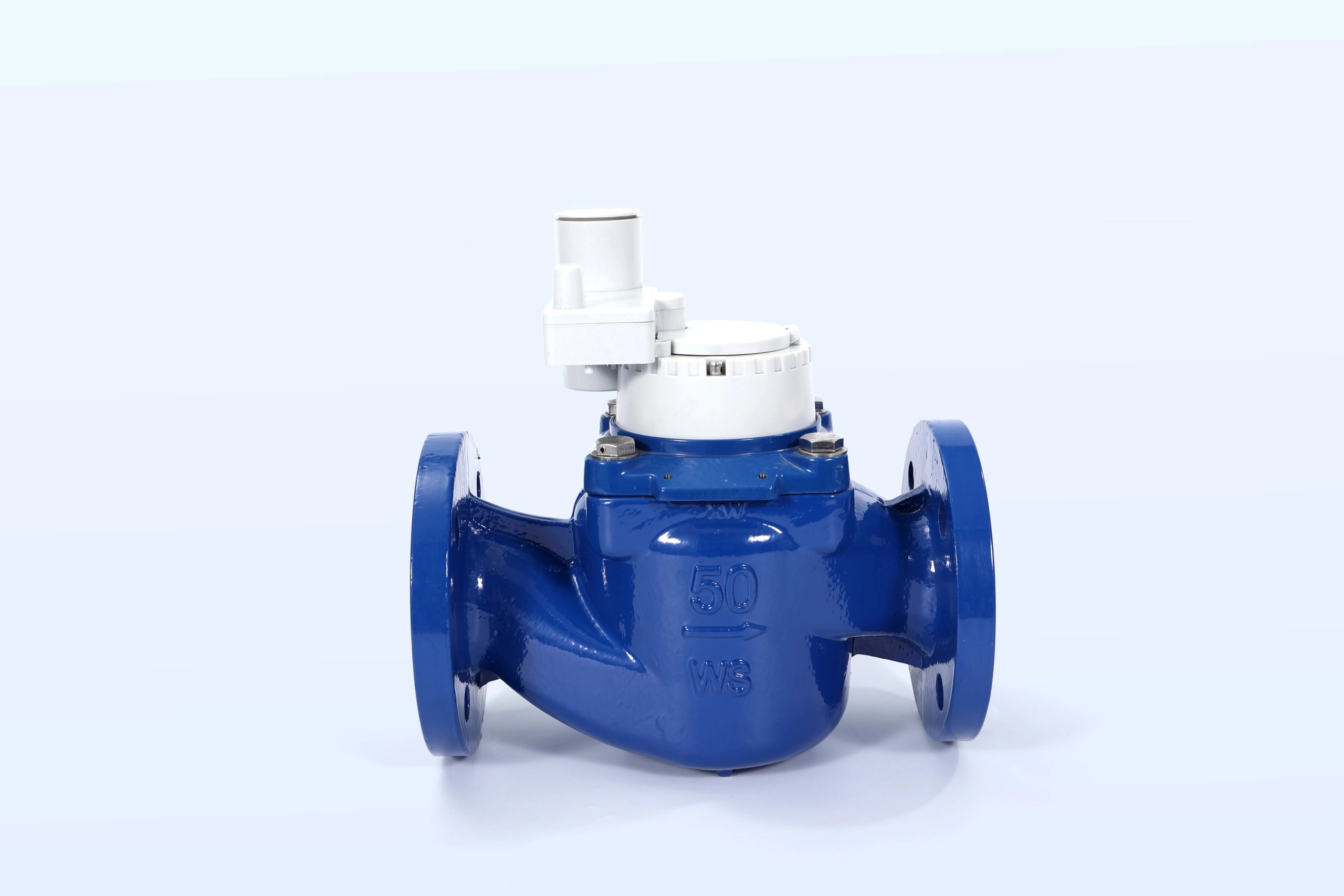
Умные водометры используют методы передачи IoT, включая узкополосный IoT (NB-IoT) и беспроводные связи дальнего расстояния (LoRa), для обеспечения стабильного и текущего обмена данными об использовании воды.
Плавные связи с текущими настройками IoT позволяют цифровым счетчикам сопоставляться с другими умными инструментами в городских или фабричных районах. Это создает единый надзор за коммунальными услугами и улучшает выбор через центральные дисплеи.
Цифровые счетчики должны хорошо работать в местах с возможными блоками сигнала. Инструменты, которые используют модуляцию LoRa, демонстрируют хорошее сопротивление блокам и поддерживают сильный подбор сигнала.
Водозмеритель LoRaWAN DN50 сохраняет форму стандартных измерителей влажной или сухой воды, поэтому он не сменяет точность измерения или прочность подбора, что обеспечивает твердую работу даже в трудных местах сигнала.
Выбор правильных датчиков является ключом к приведению работы цифрового счетчика в соответствие с его планируемым использованием. Различные методы соответствуют различным характеристикам жидкости и условиям установки.
Эти датчики лучше всего работают в чистых или жестких условиях, где движущиеся части могут сломаться. Их бессенсорный стиль сокращает задачи технического обслуживания.
Они предлагают такие преимущества, как бессенсорное измерение, твердое сопротивление блокам и длительное время работы, что делает их лучшим выбором для премиум-настроек.
Электромагнитные датчики держатся твердо независимо от сдвигов давления или тепла. В Электромагнитный счетчик воды LXE-100 помогает точному отслеживанию потока в деловых и фабричных целях.
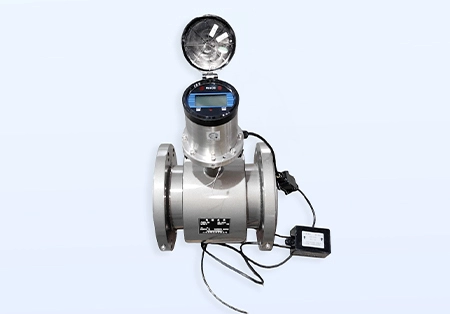
Проводимостные водометры подходят для сцен с строгими потребностями в качестве воды, и они обеспечивают бессенсорную фиксацию для деликатных зон.
Счетчики без движущихся частей пропускают обычные слабые места, такие как износ подшипников или блоки. Это гарантирует стабильное обслуживание и снижает полные затраты со временем.
Варианты конструкции улучшают, насколько хорошо цифровые счетчики вписываются в различные настройки. Гибкие конструкции, отдельные источники энергии и прочные корпусы помогают надежной работе на месте.
Модульные сборки позволяют быстрые изменения во время обновлений или роста. Счетчики могут расти или смещаться без больших обменов, что уменьшает остановки работы.
Далековые объекты часто пропускают электричество сети. Аккумуляторные счетчики поддерживают стабильную функцию в зонах вне сети без отрезки передачи энергии или точности.
Умные водометры сочетают в себе несколько передовых технологий и выступают в качестве сложных интеллектуальных измерительных инструментов, и большинство из них имеют схемы с низкой мощностью, чтобы продлить срок службы батареи на годы.
Устройства с рейтингом IP68 справляются с погружением в воду и воздействием грязи или химических веществ. Это оказывается жизненно важным для счетчиков, размещенных на заводах или внешних местах с изменением погоды.
Цифровые измерительные инструменты должны хорошо работать и соответствовать мировым стандартам, помогая при этом различным видам применения. Предметы Чэнь Шуо следуют этому взгляду в своем росте.
От узких домашних труб до крупных фабричных линий, Chen Shuo поставляет товары, такие как LoRaWAN DN50, Ультразвуковый DN80 и Электромагнитный LXE-100, чтобы полностью удовлетворить потребности каждой области.
Технология умных водометров быстро растет, и Chen Shuo соответствует этому, применяя утвержденные материалы и собственные конструкции, которые тонко настраивают точность измерений в каждой модели.
Чэнь Шуо предоставляет местную помощь с командами, которые говорят на нескольких языках, услугами быстрого реагирования и индивидуальными исправлениями измерений, которые соответствуют правительственным сделкам или частным потребностям более чем в 50 странах.
Q1: Как цифровые водометры обнаруживают утечки?
О: Умные водометры имеют мощные функции мониторинга в режиме реального времени, которые непрерывно анализируют модели потребления. Ненормальное использование вызывает мгновенные предупреждения через модули связи.
Вопрос 2: Какой диапазон связи могут достичь счетчики на основе LoRaWAN?
Ответ: Типичное расстояние составляет 1-6 км в зависимости от условий окружающей среды, что позволяет широкое покрытие без повторителей.
Q3: Подходят ли ультразвуковые измерители для промышленного использования?
О: Да, ультразвуковый водометр-DN80 предназначен для промышленных приложений, включающих системы отопления, циркуляционные петли или жидкости высокой чистоты.
Q4: Работают ли электромагнитные счетчики с непроводительными жидкостями?
О: Нет, они требуют минимального уровня проводности; LXE-100 определяет более 5 мкС/см для надежной работы.
Вопрос 5: Могу ли я интегрировать эти счетчики в свою существующую инфраструктуру IoT?
О: Да, цифровые счетчики, поддерживающие LoRaWAN или NB-IoT, совместимы со стандартными рамками IoT, используемыми в умных городах или системах промышленной автоматизации.
 Адрес: Индустриальный парк Сяо'анзи, город Байшабу, район Ланшан, город Лини, провинция Шаньдун
 Позвони нам сейчас:+86 15562945993
 Электронная почта: ivy@sdchenshuo.cn


Shandong Chenshuo Instrument Co., Ltd.