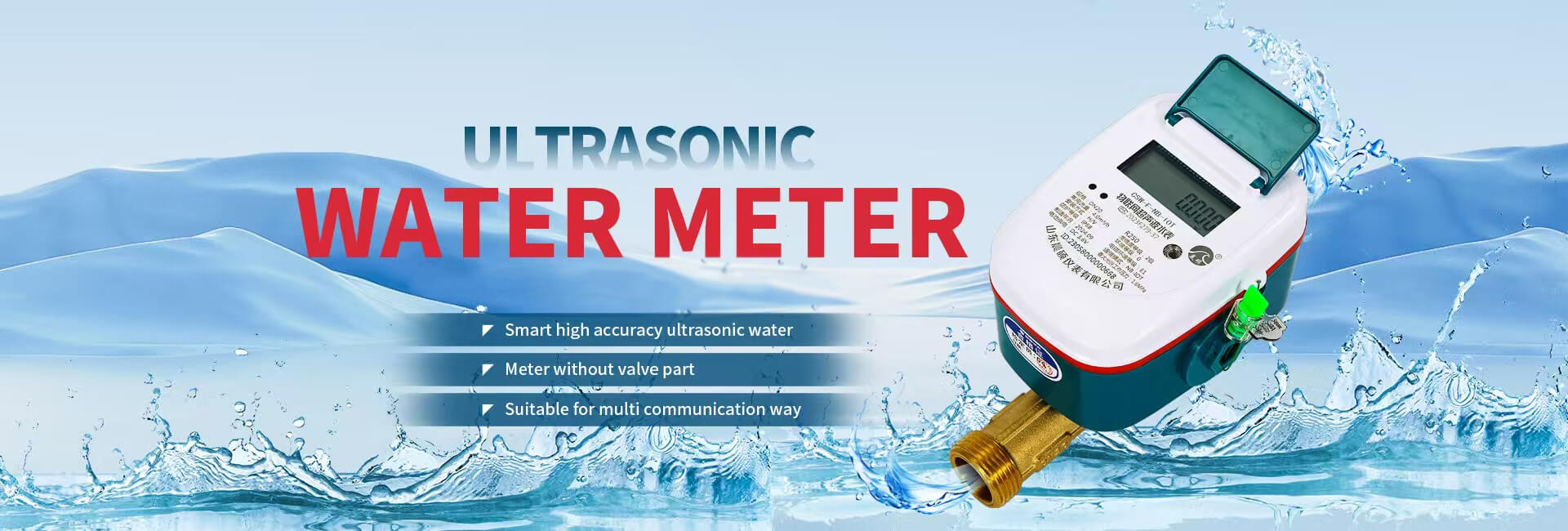


A escassez de água fica pior em áreas secas como o Oriente Médio. Então, a implantação de metros inteligentes de água forma uma parte chave dos planos de infraestrutura duradoura. Os fornecedores de utilidades enfrentam problemas desde o calor intenso até o ajustamento com configurações atuais. Eles precisam focar em medidas de desempenho que correspondam às condições locais. A escolha da tecnologia inteligente de medida assegura leituras exatas. Também ajuda a manter as previsões, observar vazamentos e aumentar o contentamento dos usuários.
Para planejadores à procura de um parceiro confiável na medida inteligente, ChenCity name (optional, probably does not need a translation) Shuo brilha. Esta empresa de Shandong se concentra em metros inteligentes de alto nível. Esses integram ligações IoT, análise instant ânea de dados e construções fortes. Sua gama de produtos abrange metros ultrasônicos, eletromagnéticos e mecânicos. Eles se encaixam em cidades, fábricas e usos distantes. Com certificações como a ISO 4064 e a OIML R49, Chen[UNK]Shuoforneceu soluções completas em mais de 50 nações.
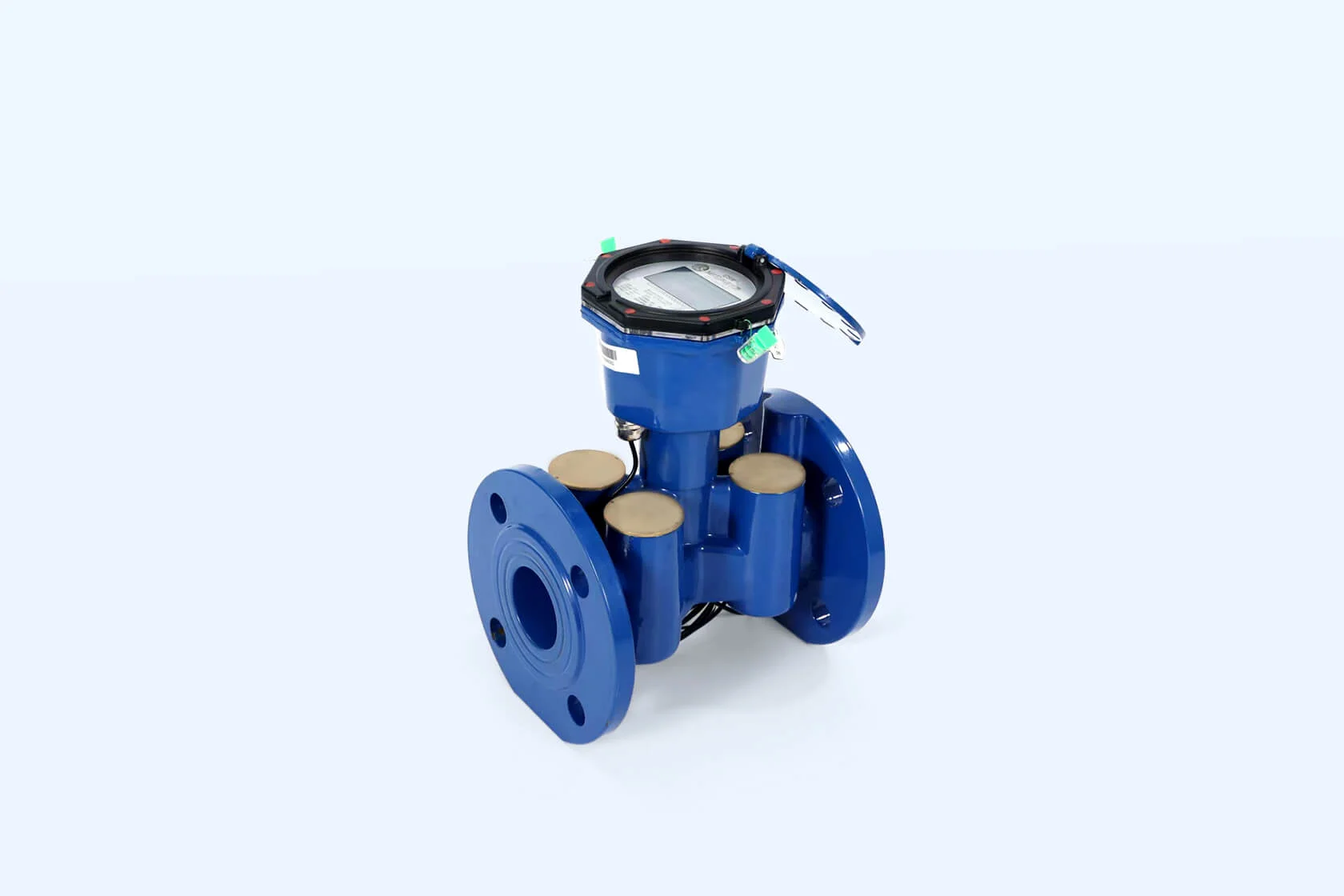
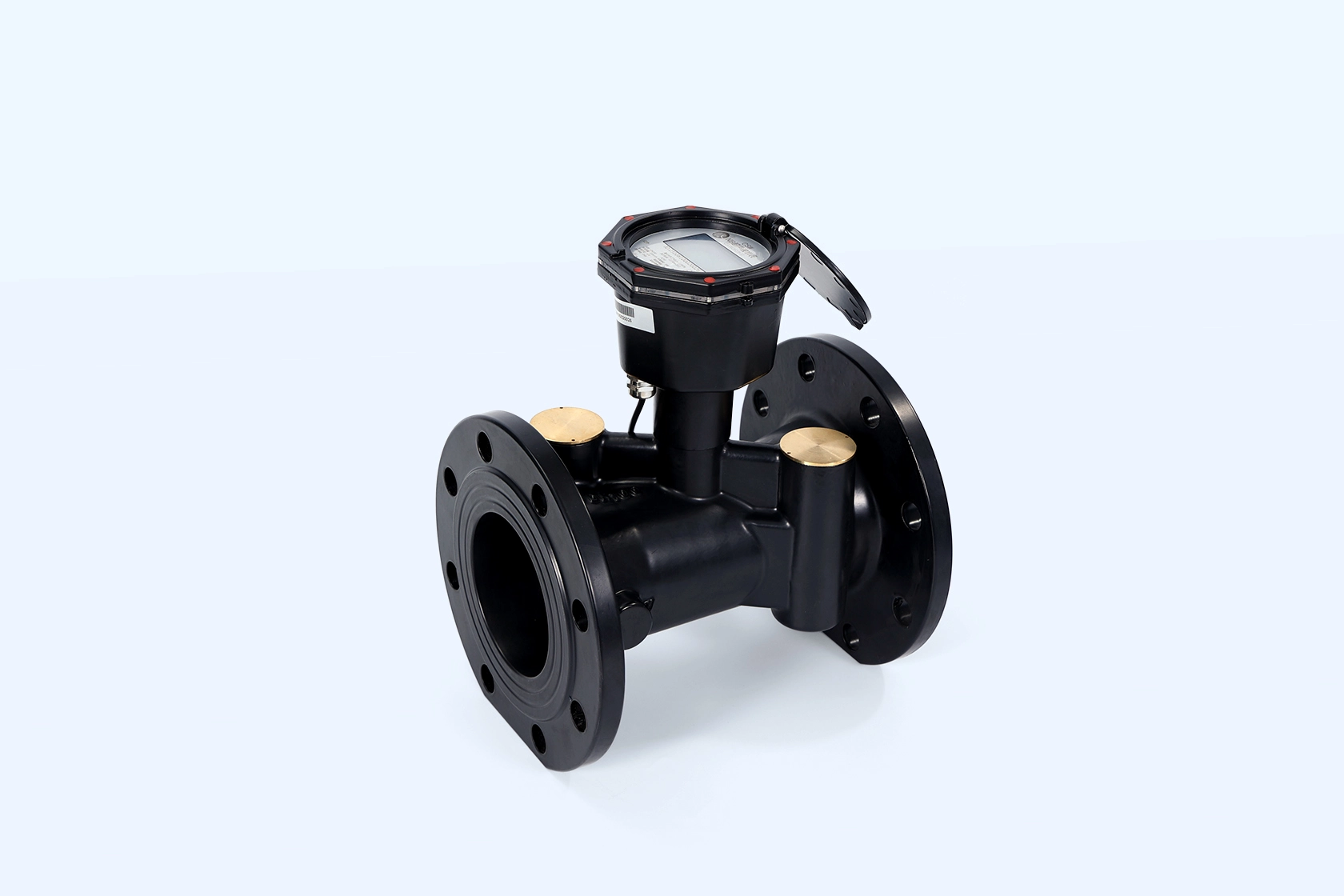
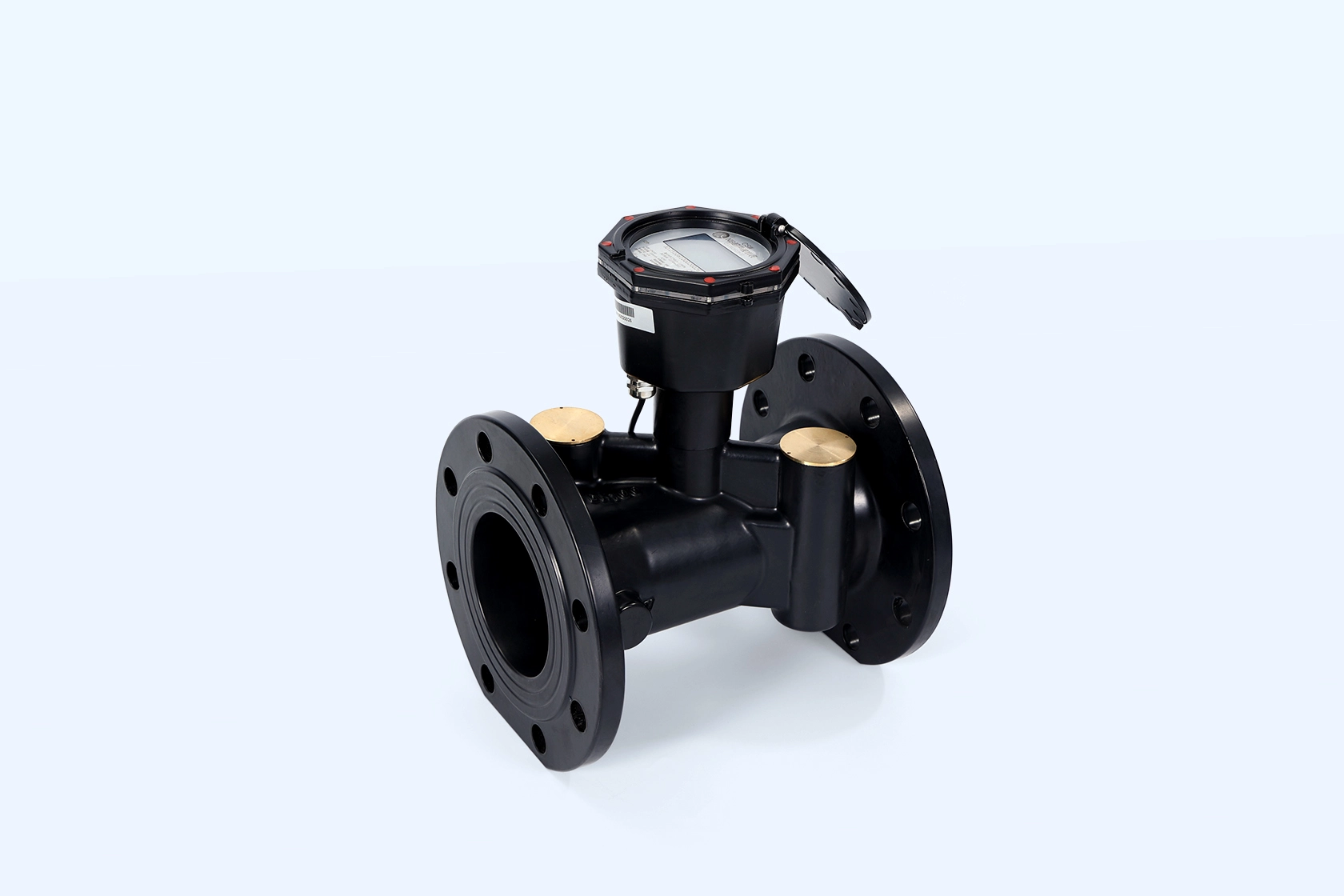
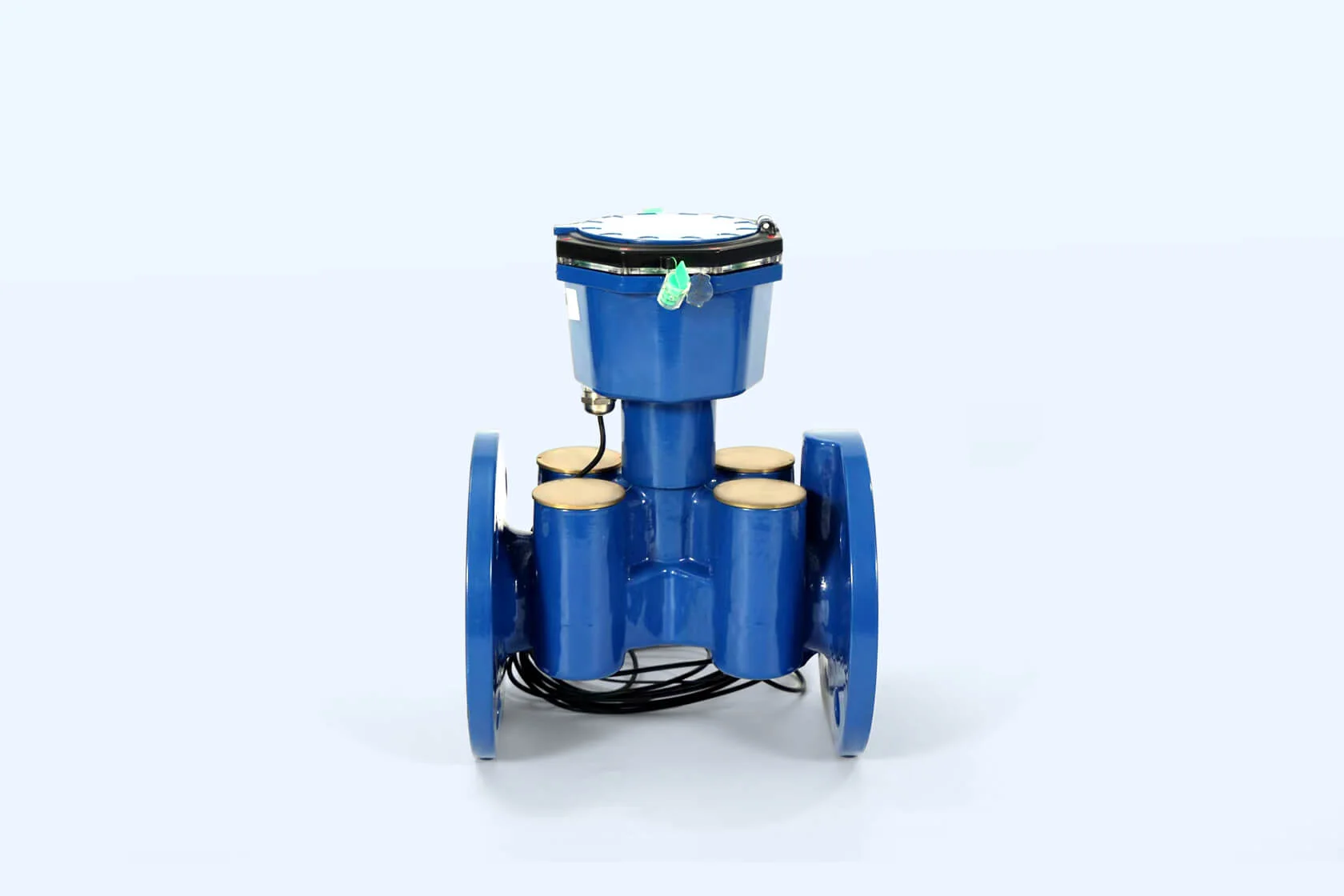
A medida exata é elevada no Golfo. O calor pode estragar as leituras padrões lá. Os metros de água inteligentes lidam com a estabilidade a longo prazo sob mudanças de calor duras. Eles dependem de tecnologia moderna de sensores e métodos precisos de cálculo para leituras de uso de água. O Medidor de água ultrassônica O DN80 mostra isso bem. Ela oferece precisão de ±1% a ±2%. Sua configuração sem ferramentas corta em uso parcial. Além disso, funciona sobre uma relação de baixo de turndown ampla, até 400:1. Isso dá uma forte detecção em baixos e altos fluxos.
Os atrasos nos dados podem bloquear a manutenção rápida e as reações. Assim, os metros inteligentes precisam apoiar ligações em tempo real através de métodos atuais como NB-IoT, LoRa ou M-Bus. Ao enviar dados, os metros de água inteligente aplicam tecnologia fresca de comunicações com IoT. Exemplos incluem narrowband IoT (NB-IoT) e longo alcance wireless (LoRa). Esses permitem transferir constantemente informações sobre o uso da água no local. Como resultado, elas se encaixam bem nas principais configurações AMI ou AMR. Isso sustenta a criação contínua de vigilância e alerta.
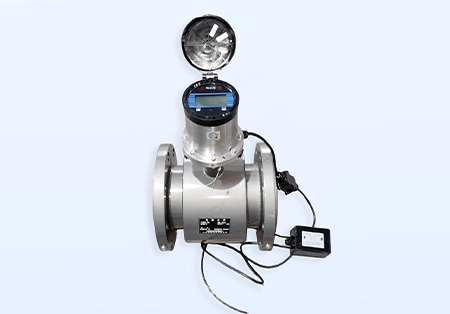
As instalações externas no Golfo exigem metros inteligentes que combatem tempestades de pó, sal e humidade. Guardas contra terra e entrada em água são muito importantes. O Electromagnetic Water Meter LXE-100 tem caixa classificada IP68. Ela usa materiais de prova de raíz para lugares de cidade e fábrica. Sua configuração de baixa energia e uma vida de seis anos menores necessidades de manutenção e custos de funcionamento.
Axustar novos sistemas em redes antigas muitas vezes se prova difícil em linhas de serviços. Os especialistas devem verificar as correspondências em métodos, materiais e ligações de dados cuidadosamente.
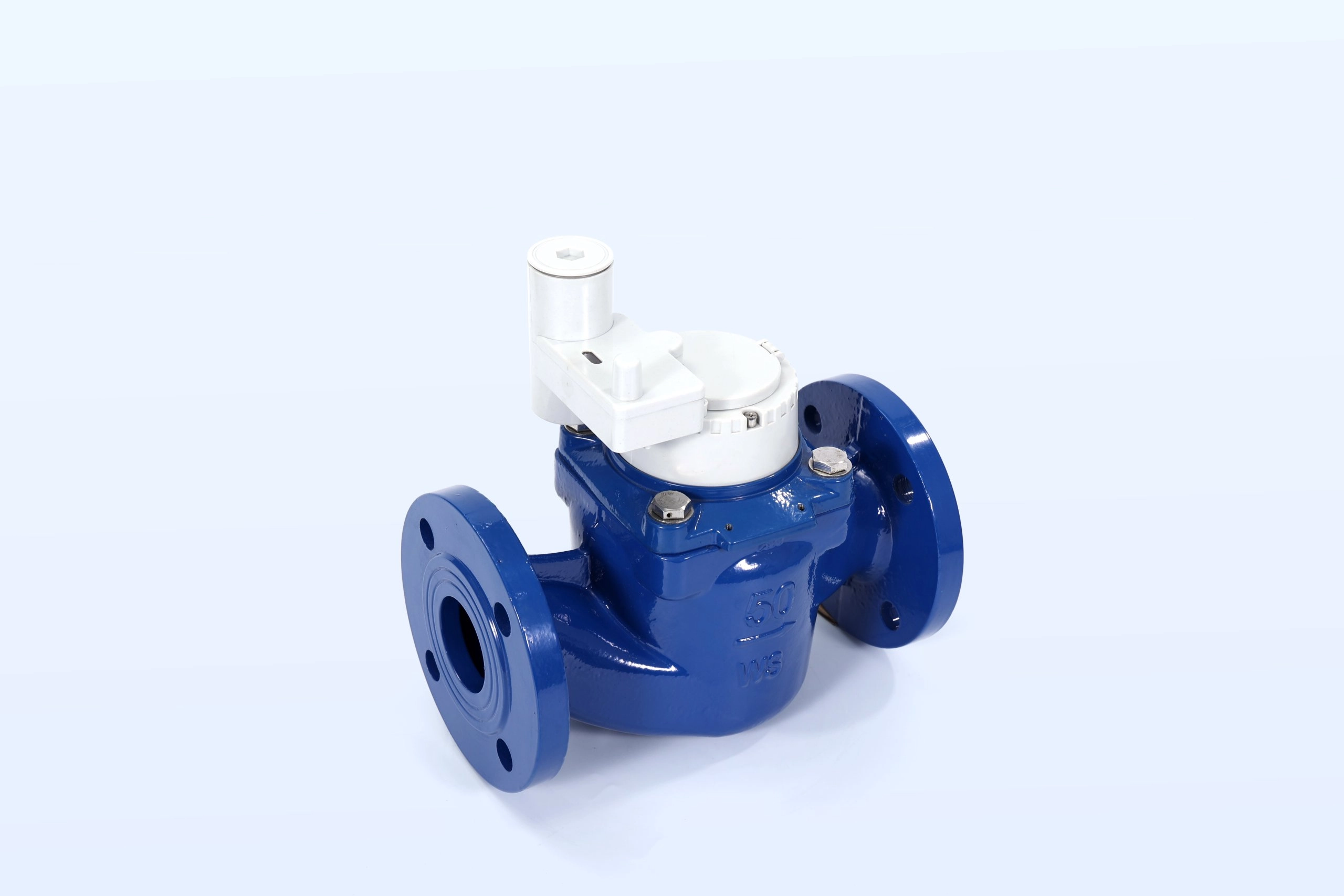
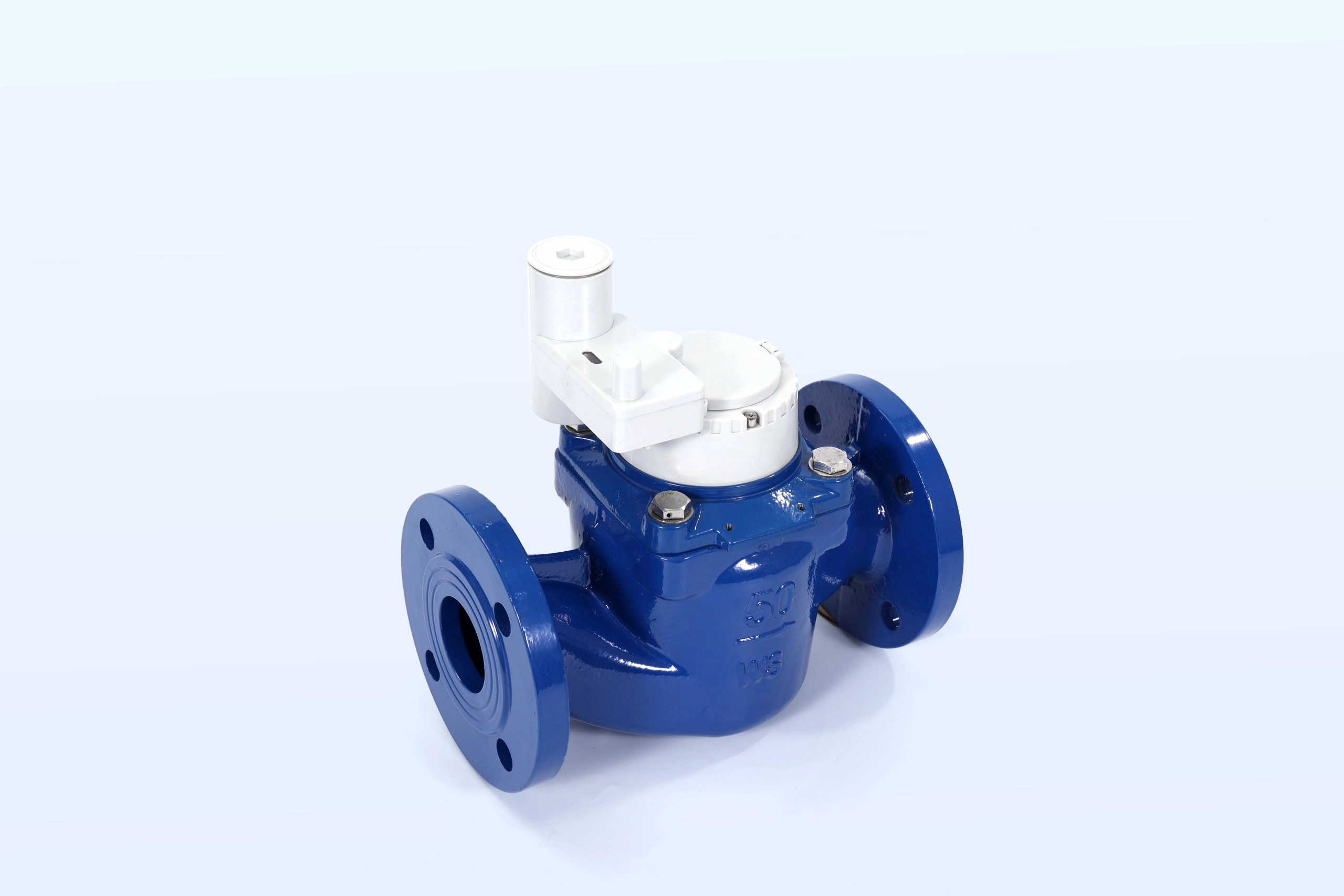
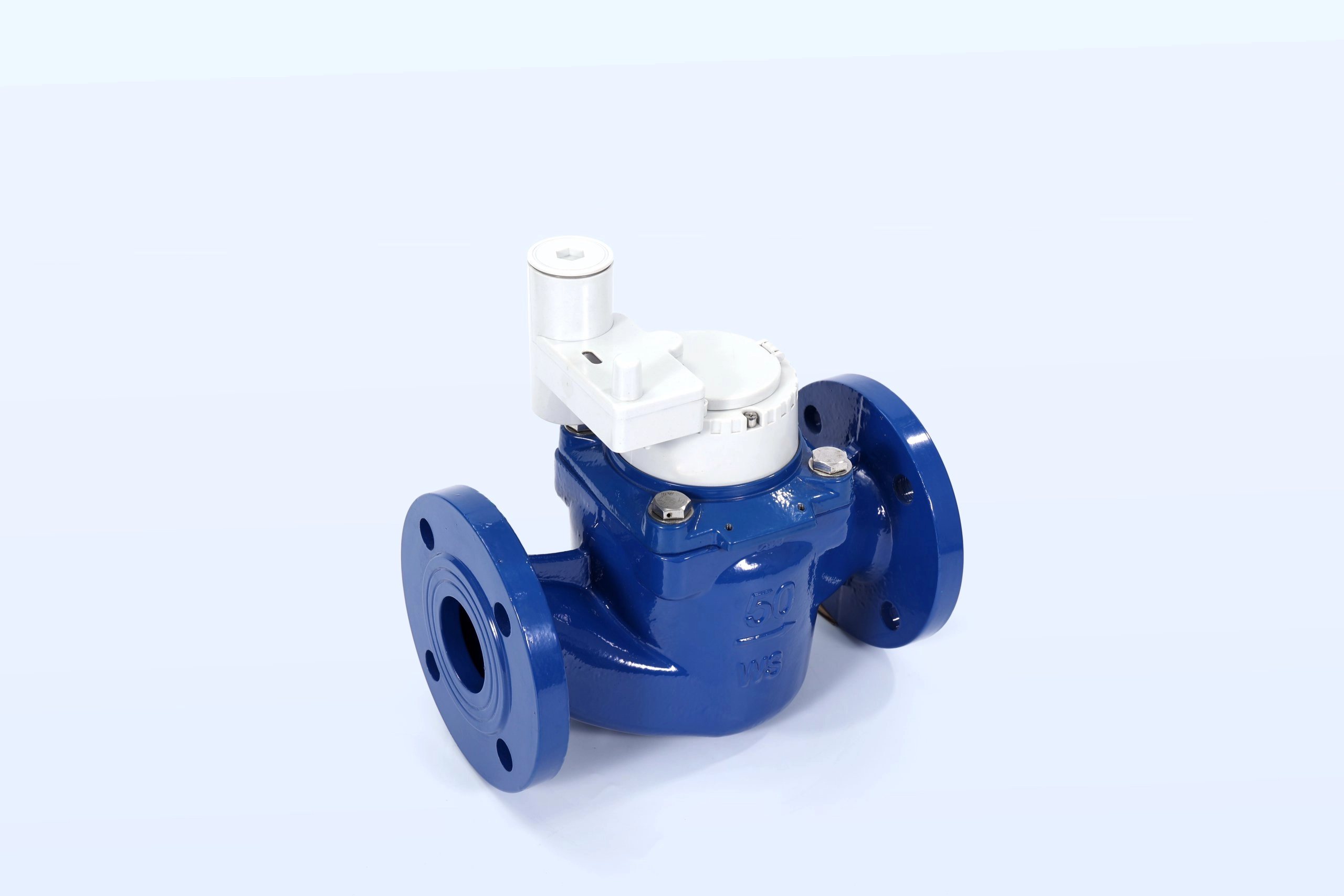
Coincidir com configurações mais antigas permite que as atualizações ocorrem passo a passo. Isso evita reformas totales. O Medidor de água mecânica rotativa permite peças inteligentes adicionais. Então, é adequado às utilidades que se mudam de mecânica para digital. Seus dispositivos de parafuso facilitam a refitação. Ao mesmo tempo, eles mantêm os planos atuais de tubos intactos.
Os metros têm que cumprir as regras tecnológicas do Conselho de Cooperação do Golfo (GCC) para projetos. Cada medidor inteligente de água e sistema recebe nodos de CE, MID, ISO 4064, OIML R49. Tal seguimento das regras também facilita o trabalho em áreas do Golfo.
Software fácil de usar ajuda a treinar velocidade e corta erros no local. Os metros de água inteligentes vêm com telas LCD e características de guia completas. Essas ajudam com cheques e correcções. - Configurações árabe-inglesas ajudam a manejo local. Enquanto isso, configurar ferramentas aceleram o arranque para equipes que falam diferentes línguas.
Escolhar a tecnologia de medida certa depende da configuração do local maturidade, traços de fluxo e limites de trabalho.
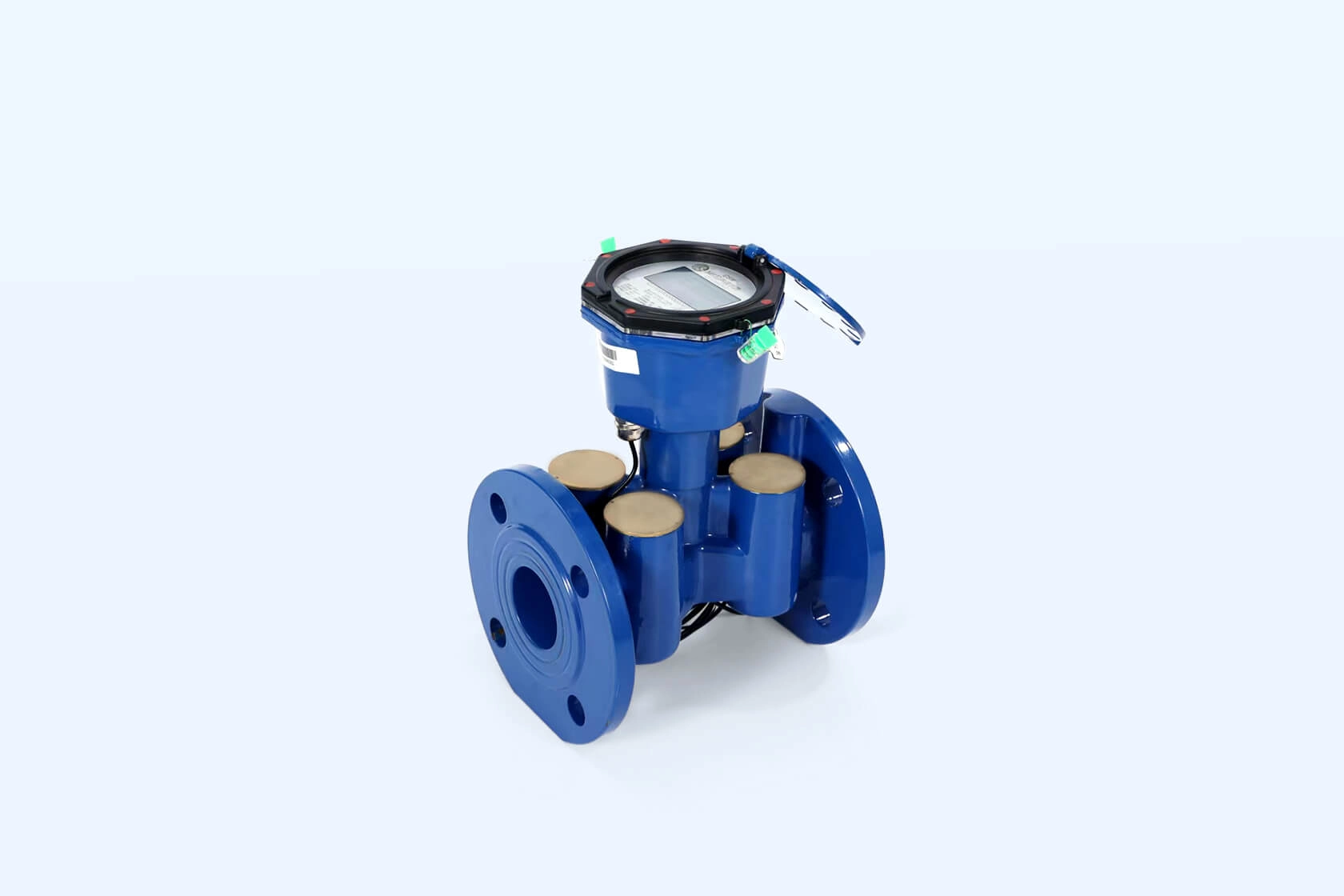
Em cidades empaquetadas com espaço estreito e mudanças de fluxo selvagem, os metros ultrasônicos trazem os maiores benefícios. Os metros ultrassônicos de água aplicam o método ultrassônico. Eles calculam a velocidade de fluxo medindo o movimento de fluido. A versão do DN80 tem uma pequena construção, pequena queda de pressão e leitura distante. Ele também usa baixa energia. Tudo isso faz com que seja ótimo ligar-se a redes novas da cidade.
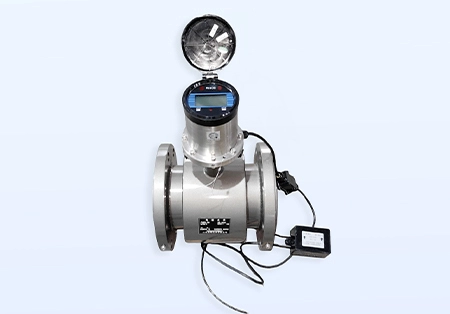
Grandes usuários como os locais de desalinação ou zonas fábricas precisam de metros duros para fluxos brutos. O Medidor de água eletromagnética LXE-100[UNK]dá leituras constantes mesmo a velocidades lentas, de 0,003 m/s. Mostra opções para vistas multiunidades em uso global. Sua construção salta as quedas de pressão. No entanto, assegura controles exatos de condução de fluidos.
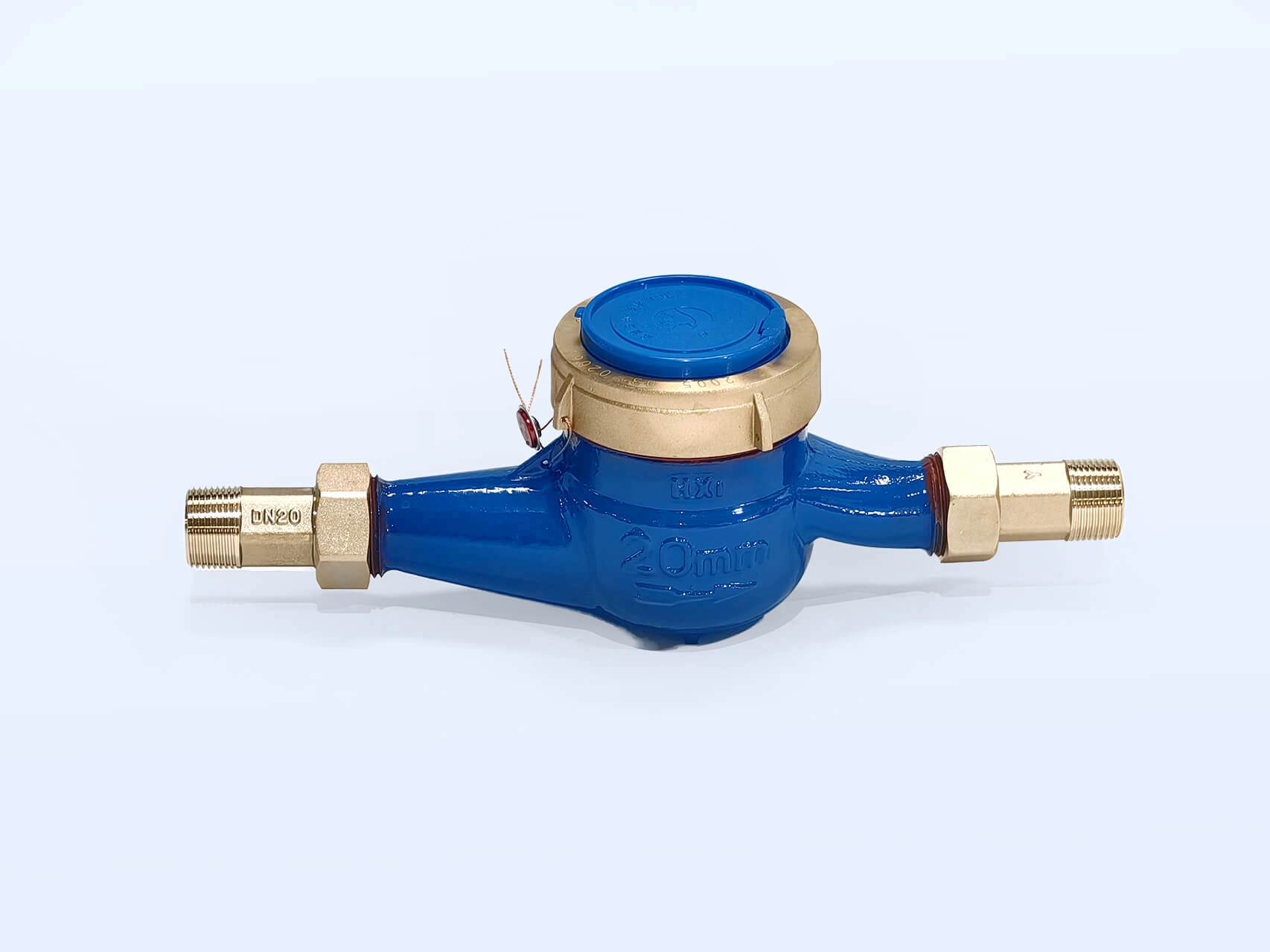
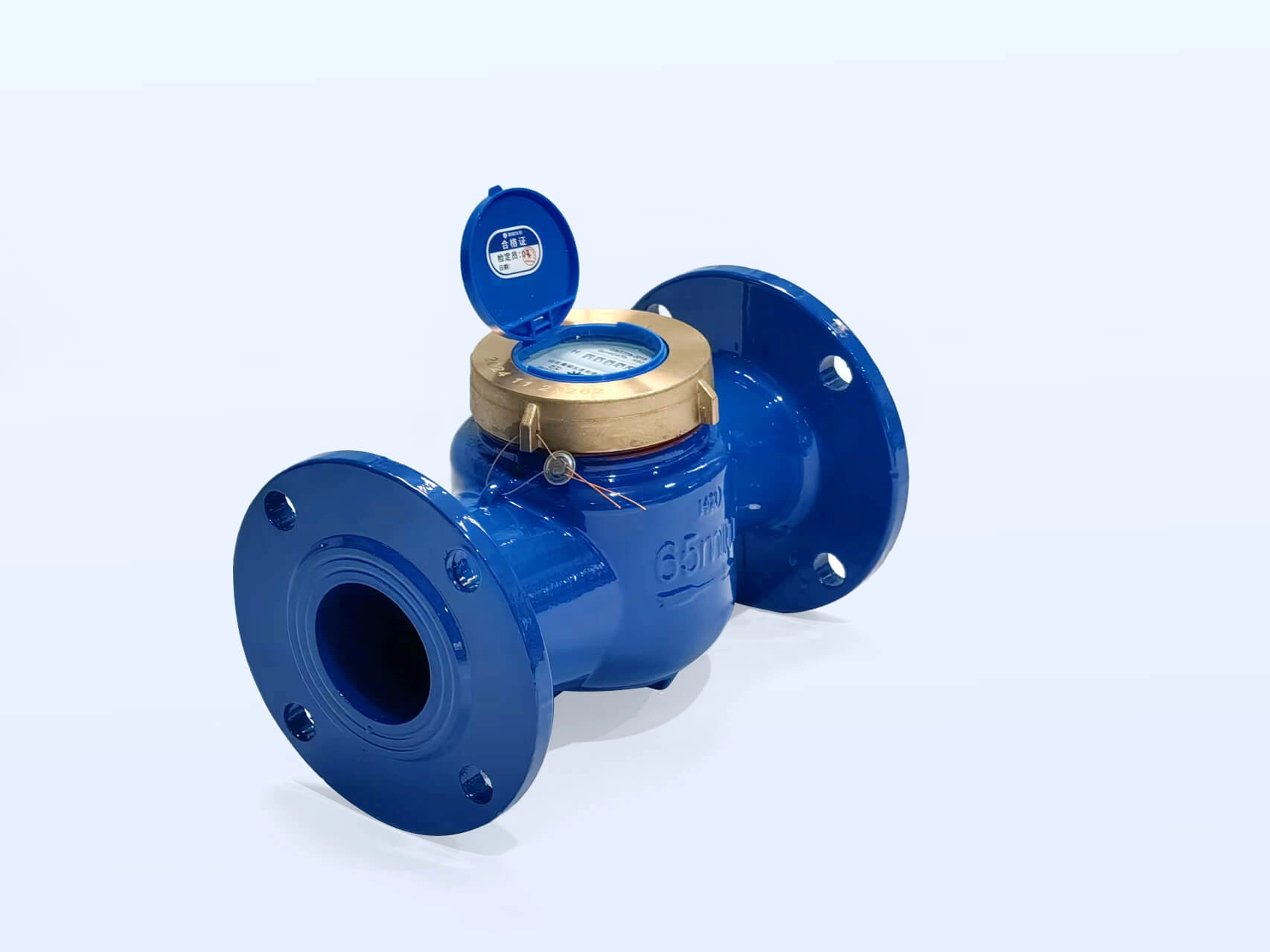
Em lugares de granja distantes ou de baixo fundo com linhas digitais pequenas, os metros mecânicos permanecem úteis. O Rotary Mechanical Water Meter LXS-65Brass tem um quadro básico, precisão constante e baixo preço. Ela salta as necessidades de energia. Além disso, ele funciona bem mais de seis anos com cuidados raros.
No Golfo, poupar água é uma necessidade, não uma escolha. Os metros inteligentes ajudam as utilidades a reduzir perdas. Eles também colocam usuários em melhores hábitos.
Os metros de água inteligentes oferecem fortes características de relógio em tempo real. Se aparecer um uso estranho de água, o medidor envia um alert a rápido. Ela vai para usuários e equipes de água através de sua parte de comunicação. Este aviso rápido ajuda a cortar água sem renda. Ela observa vazamentos ou se envolve em breve.
Medidores inteligentes de água criam montes de dados de uso. As empresas de água podem usar grandes verificações de dados para adivinhar mudanças de demanda. Então, eles planejam compartilhamentos de recursos à frente. Essas visões deixam as utilidades lidarem melhor com o pico vezes. Eles também ajustam as linhas de abastecimento.
As pessoas podem ver seu uso de água e contar registos em qualquer momento. Isso mantém a informação clara e os pagamentos fáceis. O feedback instantâneo aumenta o conhecimento dos padrões dos usuários. Por sua vez, isso empurra mudanças de hábitos para economizar.
Um fornecedor deve dar mais do que mercadorias. Eles devem trazer valor através de ajustes, estabilidade e ajuda à vida inteira.
Os fornecedores deveriam mostrar ganhos em pontos como. Produtos testados no campo, com registros em áreas quentes e salgadas, cortam muitos riscos de lançamento.
Os projetos baseados em parte permitem adaptar-se aos tamanhos de tubos e tipos de rede. Chen[UNK]Shuodá correções personalizadasincluindo o trabalho OEM/ODM. Isto oferece dobramento de corridas de teste para grandes lançamentos.
A ajuda local faz os rolamentos suaves, mesmo em zonas espalhadas. Chen[UNK]Shuofornece auxílios de treinamento completos, ajuda longe, e conversas no local, conforme necessário. Isso estende a ajuda passada a montagem para vencimentos contínuos.
Q1: O que torna os metros ultrasônicos adequados para as cidades do Golfo?
A: Sua alta precisão em baixas taxas de fluxo, tamanho compacto, design não intrusivo e suporte de leitura remota fazem delas ideales para ambientes urbanos densos com demanda variada.
Q2: Como os metros eletromagnéticos funcionam em ambientes industriais?
A: Eles oferecem medidas estáveis mesmo a baixas velocidades sem perda de pressão e suportam tubos de grande diâmetro com fluidos altamente condutivos.
Q3: Os metros mecânicos podem ser usados em sistemas inteligentes?
A: Sim. Métricos mecânicos como o LXS-65Brass podem ser retrofittados com módulos inteligentes para compatibilidade básica de leitura remota.
Q4: Estes metros inteligentes são compatíveis com os padrões do CCG?
A: Todos os modelos referidos são certificados nos padrões ISO 4064 e OIML R49, assegurando o cumprimento das regulamentações regionais.
Q5: Como medidores inteligentes ajudam a reduzir o resíduo de água?
A: Ao permitir monitoramento em tempo real e detecção precoce de vazamento através de tecnologias de comunicação IoT como NB-IoT ou LoRaWAN.
 Endereço: Parque Industrial Xiao'anzi, cidade de Baishabu, distrito de Lanshan, cidade de Linyi, província de Shandong
 Chame-nos agora:+86 15562945993
 Email: ivy@sdchenshuo.cn


Shandong Chenshuo Instrument Co., Ltd.