

À medida que a gestão global da água se dirige para a Infraestrutura Avançada de Medição (AMI), a mudança da leitura manual para sistemas digitais traz questões claras de cibersigurança. Proteger dados sensíveis de consumo e manter a precisão da facturação são preocupações essenciais para serviços de água e operadores industriais. Para grupos que procuram hardware confiável apoiado por conhecimento sólido da indústria, ChenshuoCity name (optional, probably does not need a translation) aparece como uma empresa de alta tecnologia no “ Nação de lar dos metros de água,” Linyi City. Com uma produção anual de um milhão de unidades e controles de qualidade certificados pela ISO, eles fornecem ferramentas flexíveis de medida avançada e soluções completas. Seu foco em altos padrões assegura que as mudanças digitais funcionam bem e aguentam os perigos de segurança atuais.
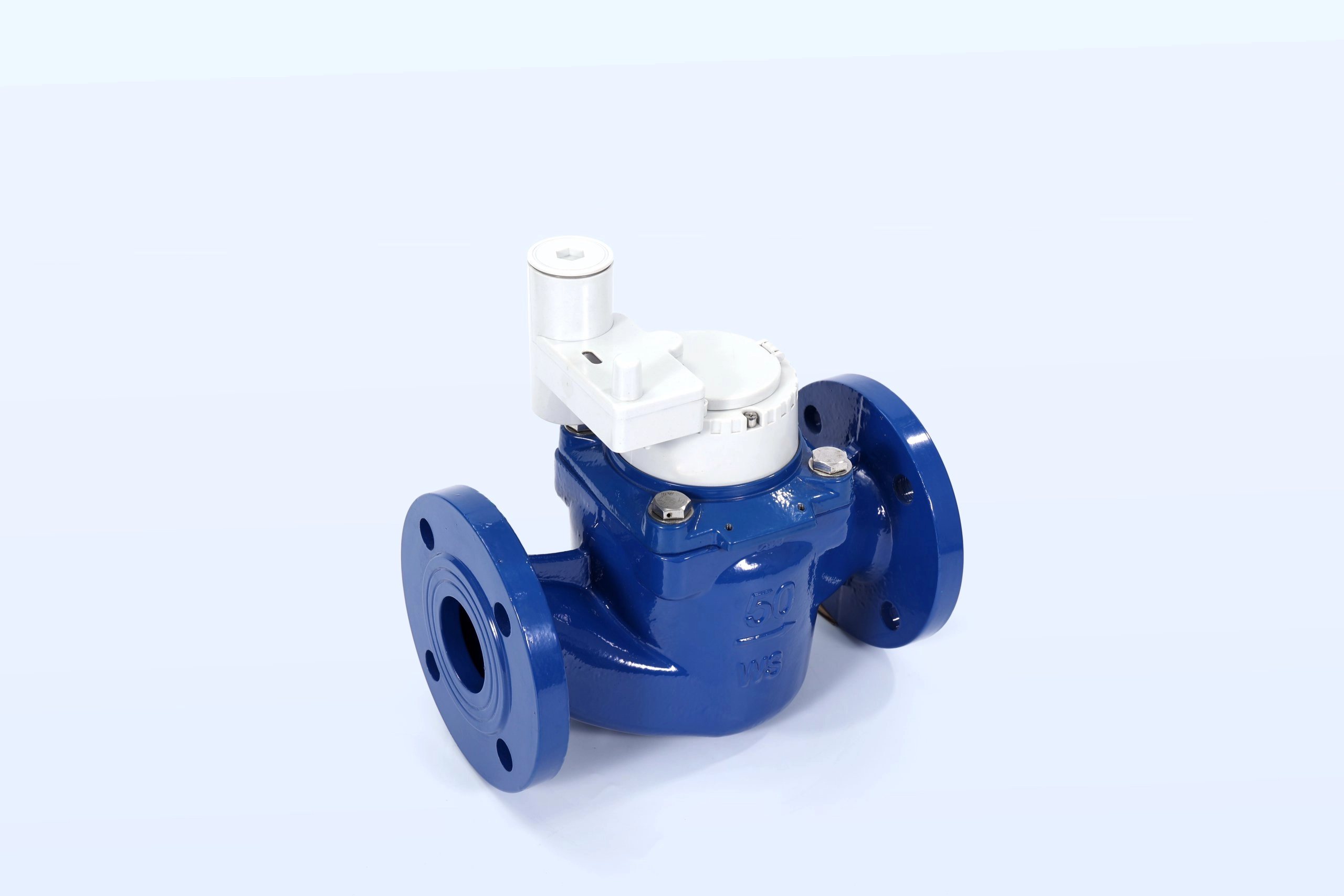
O lado digital de hoje’ a medida s mostra que cada item de dados enviado pelo ar poderia enfrentar captura ou alteração. Se os passos de segurança faltam, toda a instalação de serviços públicos se abre à interferência externa, o que prejudica o trabalho contínuo e o dinheiro importa.
A entrada não autorizada em pontos de medida permite que os maus atores mudam os números de uso, e isso leva a grandes quedas de renda para empresas de água. Esses truques de facturação enfraquecem o vínculo entre fornecedores e usuários, enquanto também provocam problemas legais e financeiros duradouros. Esses efeitos tocam em maior confiança no sistema.
Os canais fracos abrem a porta para ordens falsas enviadas para metros de valva, o que pode cortar água para áreas inteiras sem aviso. Essas rupturas perturbaram a correção constante das linhas de água da cidade ou fábrica, e exigem correções rápidas de alto custo. Além disso, eles geralmente levam a maiores lacunas de serviços.
Pausas de segurança geralmente desligam ou saltam configurações de alerta destinadas a detectar tubos quebrados ou fluxos estranhos. Sem escudos de dados seguros e atuais, os vazamentos ficam escondidos por semanas, o que causa enormes desperdícios de água e maiores custos de funcionamento. Isso também levanta mais riscos para segredos de rede.
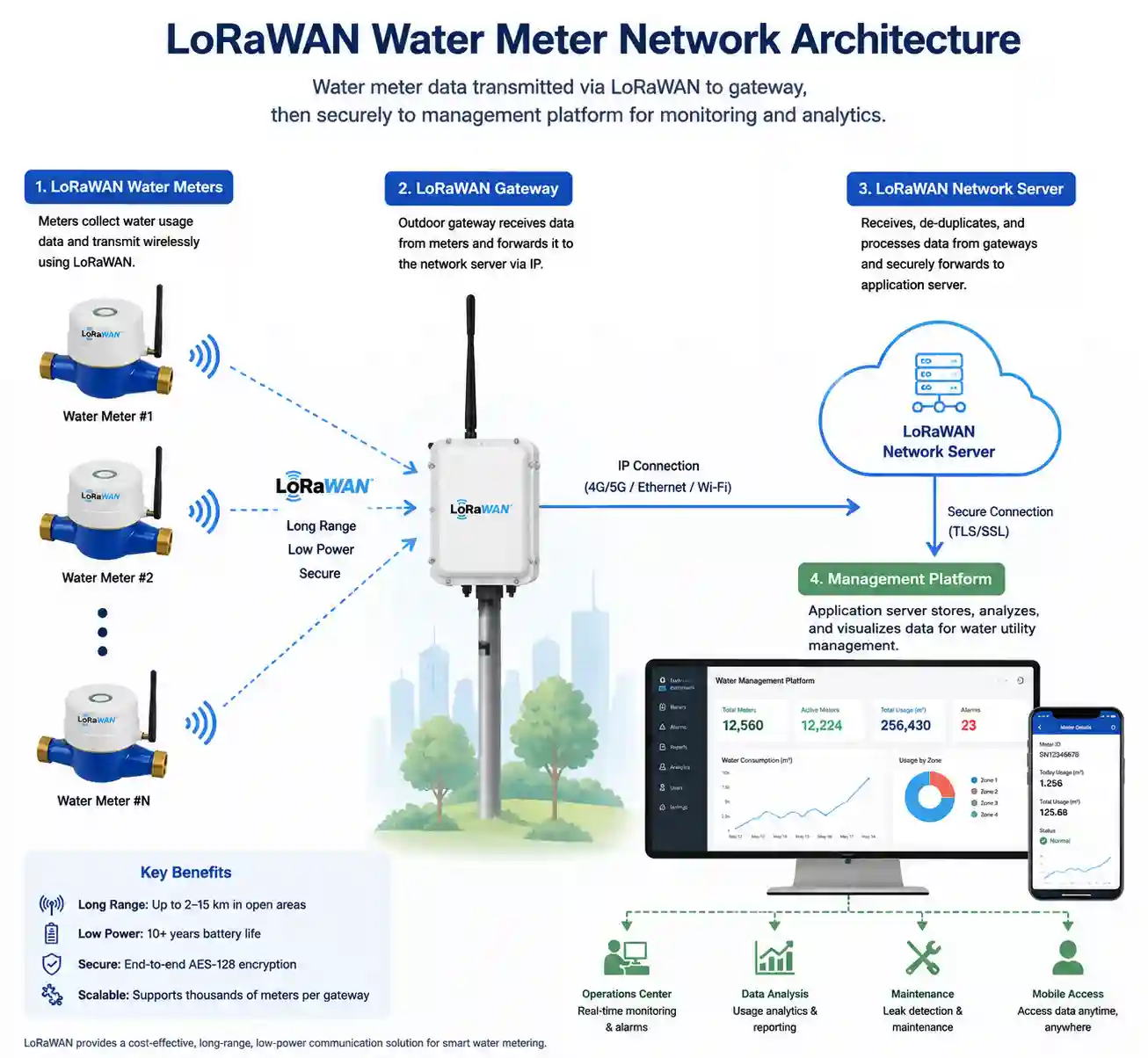
Bloquear a camada de envio fica como guarda principal em configurações de medida remota. Usando a criptografia da indústria comum mantém os pacotes de dados difíceis de ler, mesmo que capturados no caminho de metro para ponto de entrada.
As configurações atuais sem fio usam a criptografia AES-128 para construir um caminho seguro para as enviações de dados, uma vez que este método faz cada nota se destacar e bloqueá-la com chaves ocultas. Hackers acham quase fora de alcance para desbloquear ou repetir esses sinais. Por sua vez, isso fortalece a totalidade das ameaças.
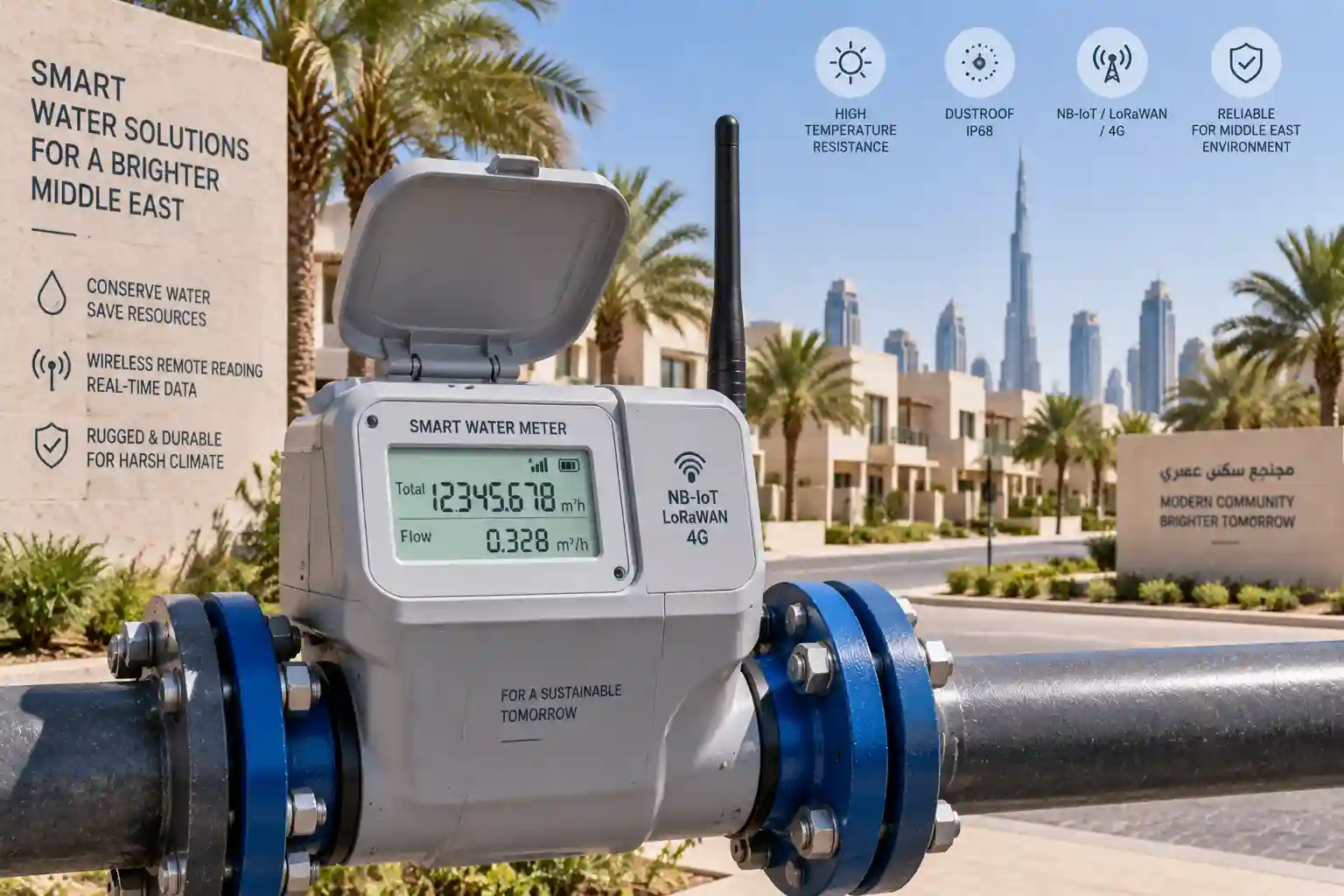
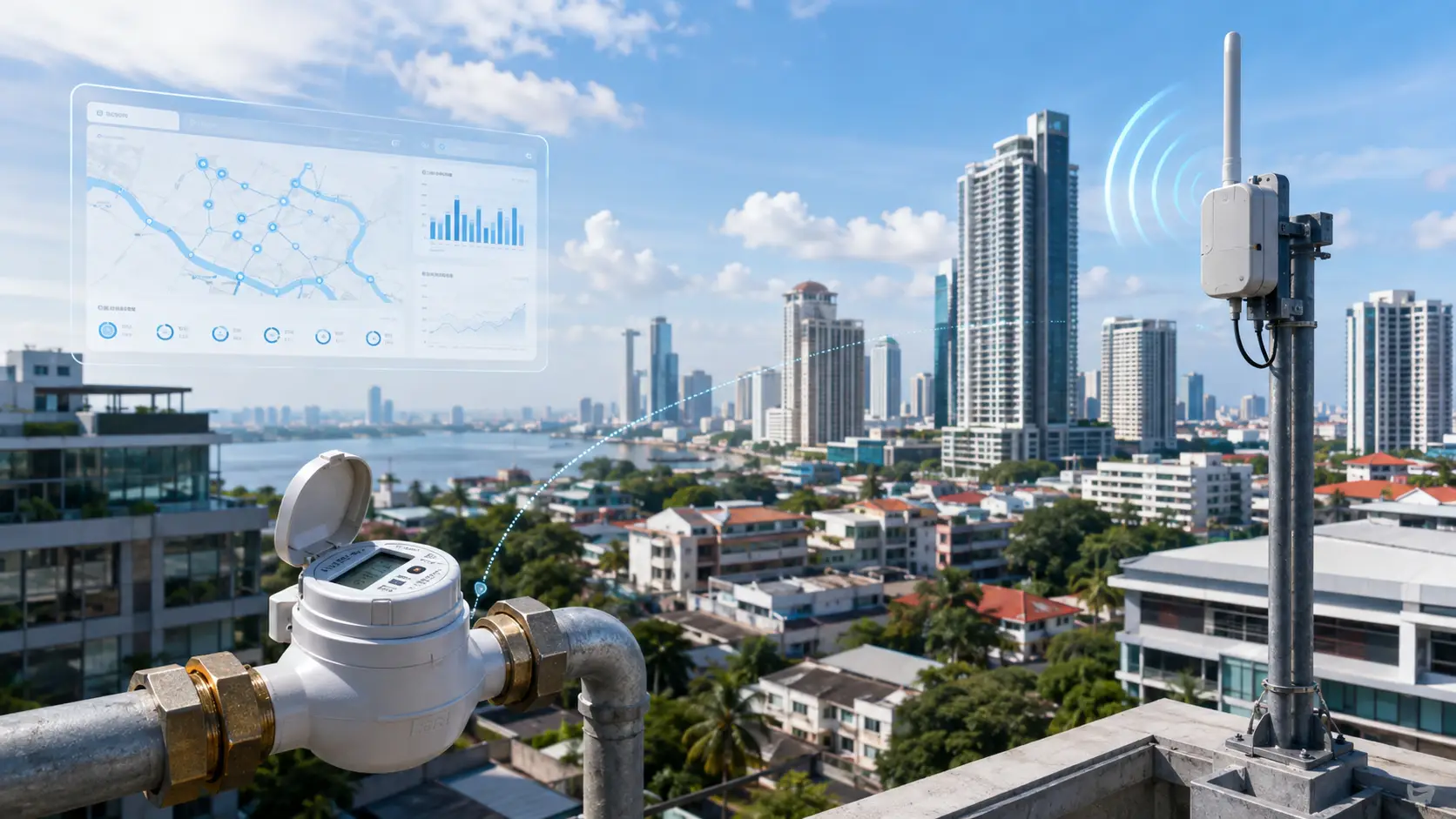
O Lorawan Water Meter DN50 se baseia em uma forte modulação que a velha ferramenta sem fio luta para pegar ou quebrar. Com um forte pickup a -136±1dBm e um alcance habitual de 1-6km, garante fluxo de dados constante em pontos duras da cidade cheios de sinais. Esses traços impulsam o trabalho em condições difíceis.
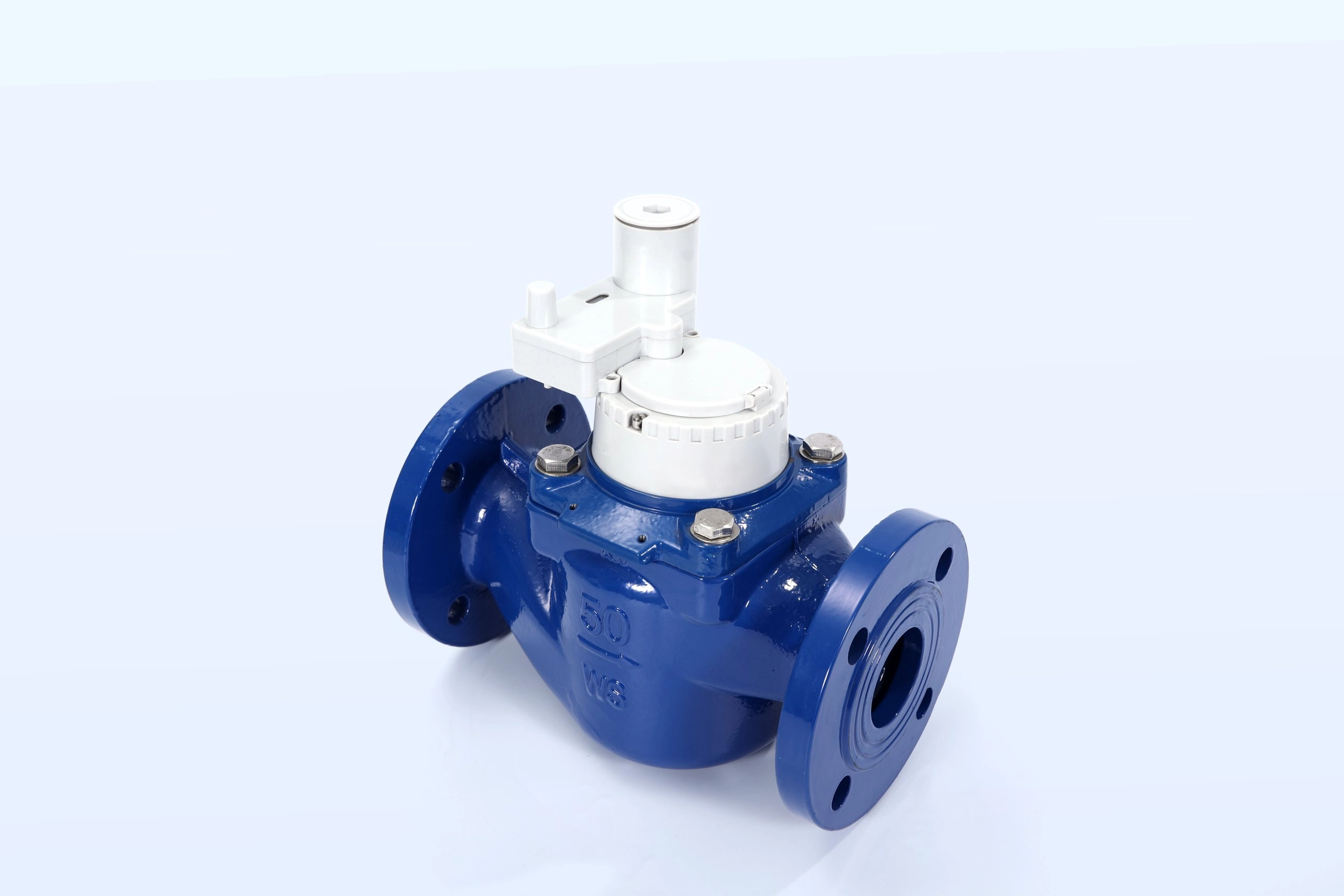
Os sistemas fortes exigem várias camadas de verificação antes de um dispositivo ligar à rede, o que impede que o equipamento falso agisse como metros reais. Essa configuração assegura que apenas ordens administrativas limpas chegam à base. Como tal, ela construi paredes melhores contra quebra externa.
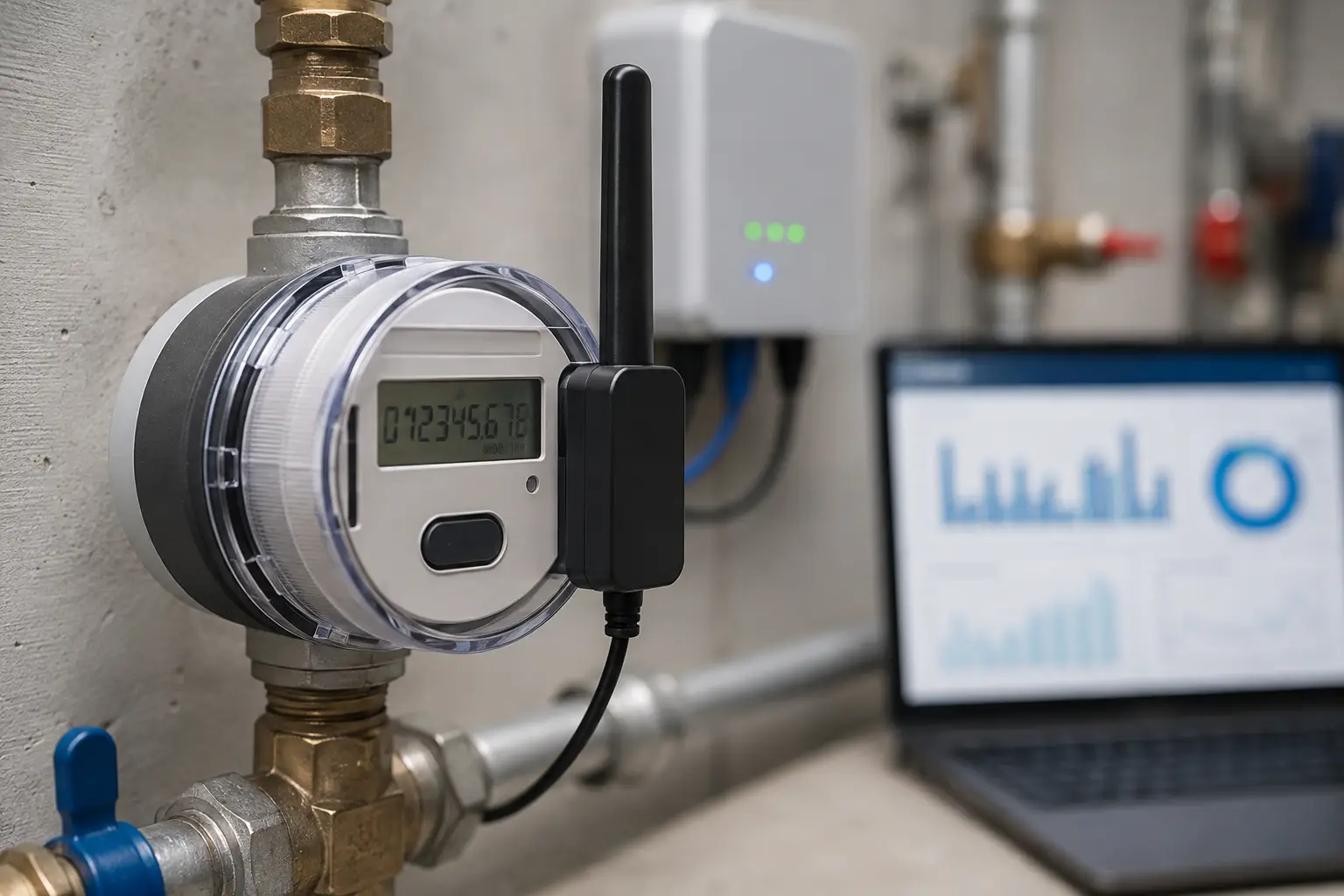
A construção de hardware desempenha um papel direto na segurança dos dados, para quebramentos em peças geralmente trazem borracha ou giro de dados. Os metros mais inteligentes desenham bits eletrônicos que se mantêm constantes em pontos de calor duros e molhados, então os dados básicos permanecem verdadeiros.
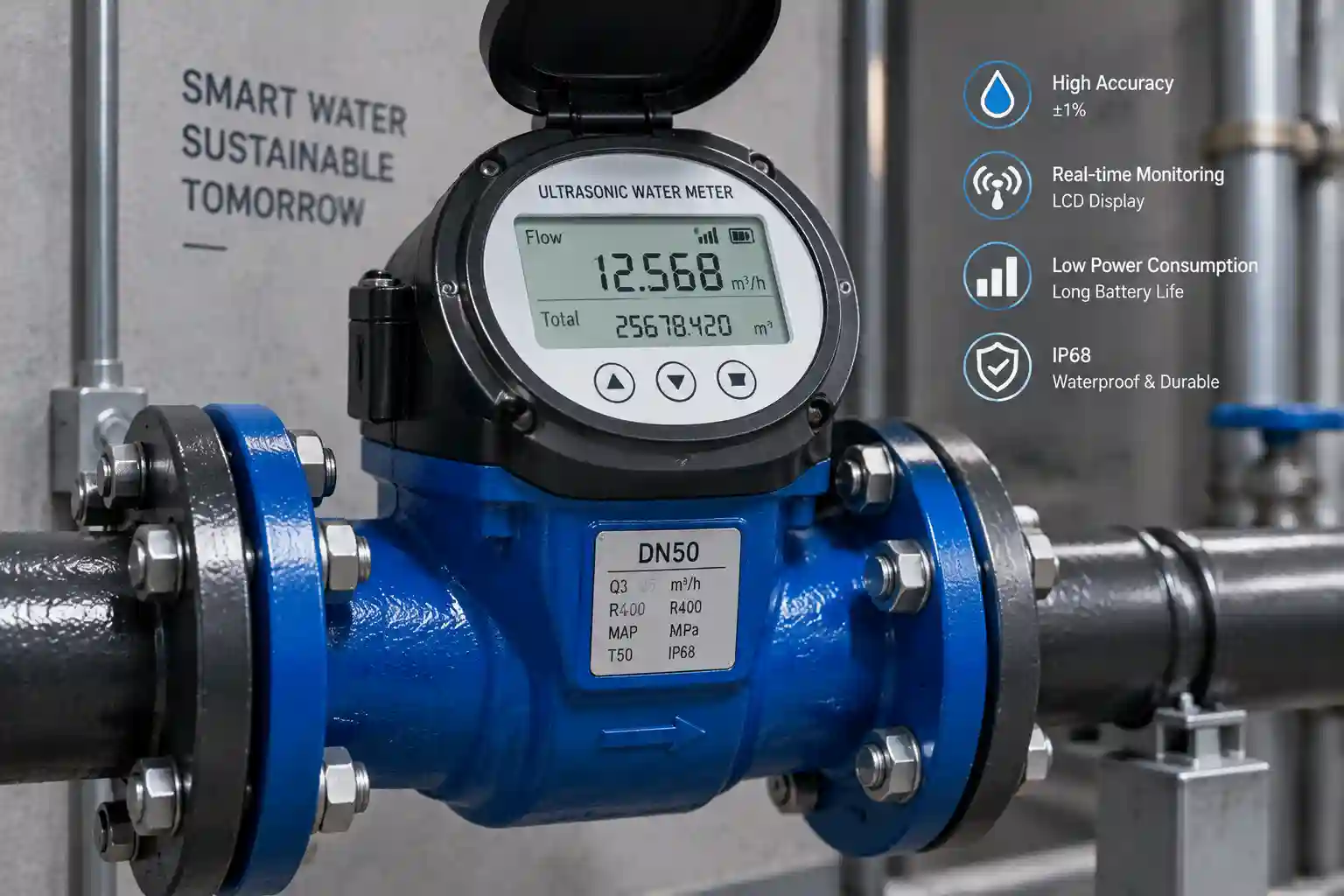
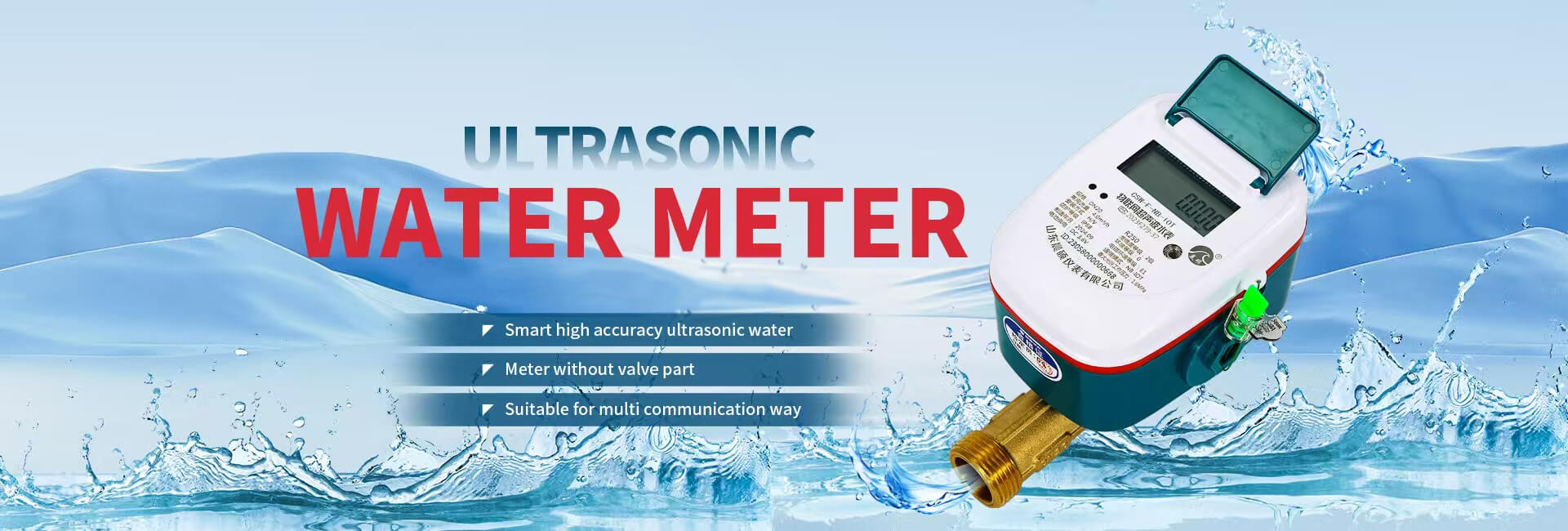
O Méter de água ultrasônica DN32 dá uma forma detalhada de medida sem bits em movimento, e isso corta o uso que leva a mudanças de dados. Sua construção fixa mantém leituras digitais mesmo durante longos tempos de uso, o que coloca um terreno seguro para as cargas. Essa abordagem ajuda a leituras verdadeiras duradouras em todas as configurações.
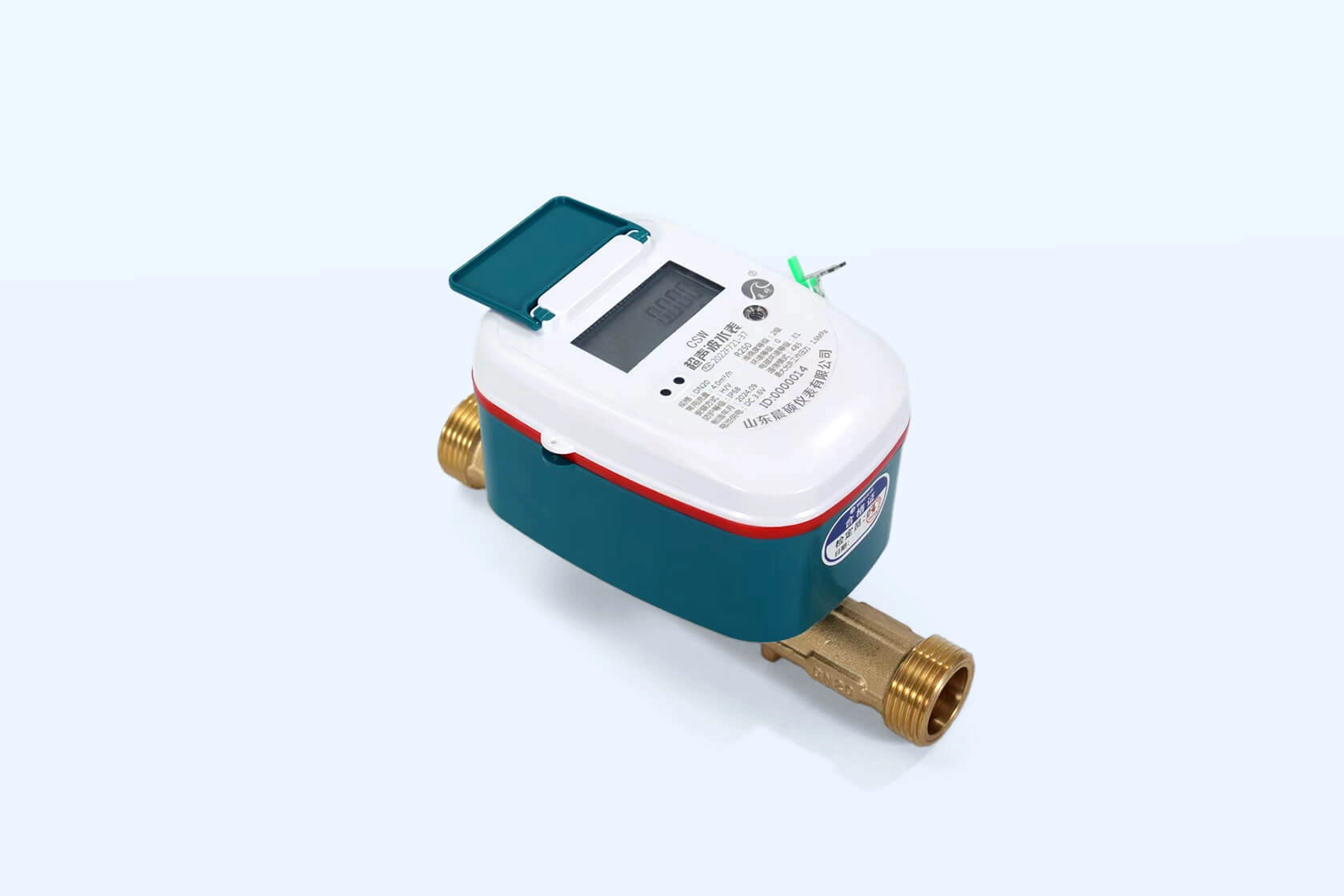
Os metros inteligentes precisam pegar até pequenos níveis de fluxo para uma visão completa do uso da água. Os sensores agudos bloqueam os dados em pontos vazios, que programas podem ver como erros ou riscos de segurança, e assim mantêm a armazena inteira. Este relógio próximo ajuda a detectar problemas cedo.
Batimentos húmidos e de terra podem disparar shorts em peças eletrônicas, o que causa envios de dados selvagens. O equipamento com IP68 sela os fios internos apertados, então as forças externas não t prejudicar o metro. é guardas digitais. Essa cobertura leva a vida mais longa e menos pausas.
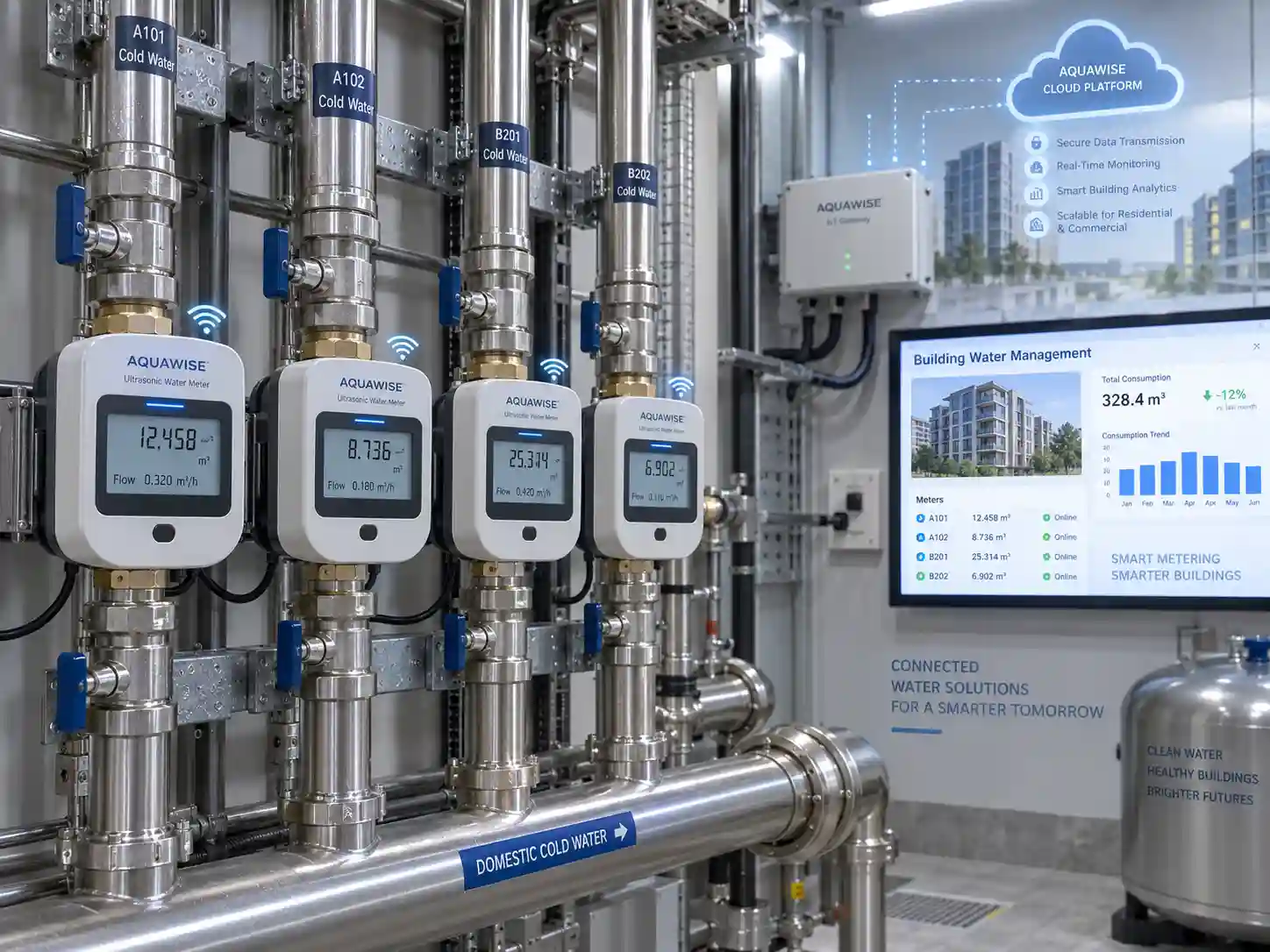
Hardware seguro mostra seu valor real quando ligado a um plano amplo de área medida (DMA). Ao verificar dados ao vivo sobre zonas, configurações podem detectar sinais estranhos que apontam para vazamentos ou atendimentos online.
Os painéis de controle centrais deixam vigiar o fluxo e empurrar através da rede. Tirando dados de muitos pontos, essas ferramentas usam AI para encontrar mudanças do uso habitual, e marcam eventos de segurança imediatamente. Este ponto rápido ajuda passos rápidos.
Colocar Meter de água ultrasônico DN80 em tubos chave dá um bom relógio com detalhes. Esses metros de volta atuam rápido através de ligações SCADA, para leituras estranhas lançam cheques rápidos e correções. Seu trabalho agudo corresponde às necessidades da linha principal.
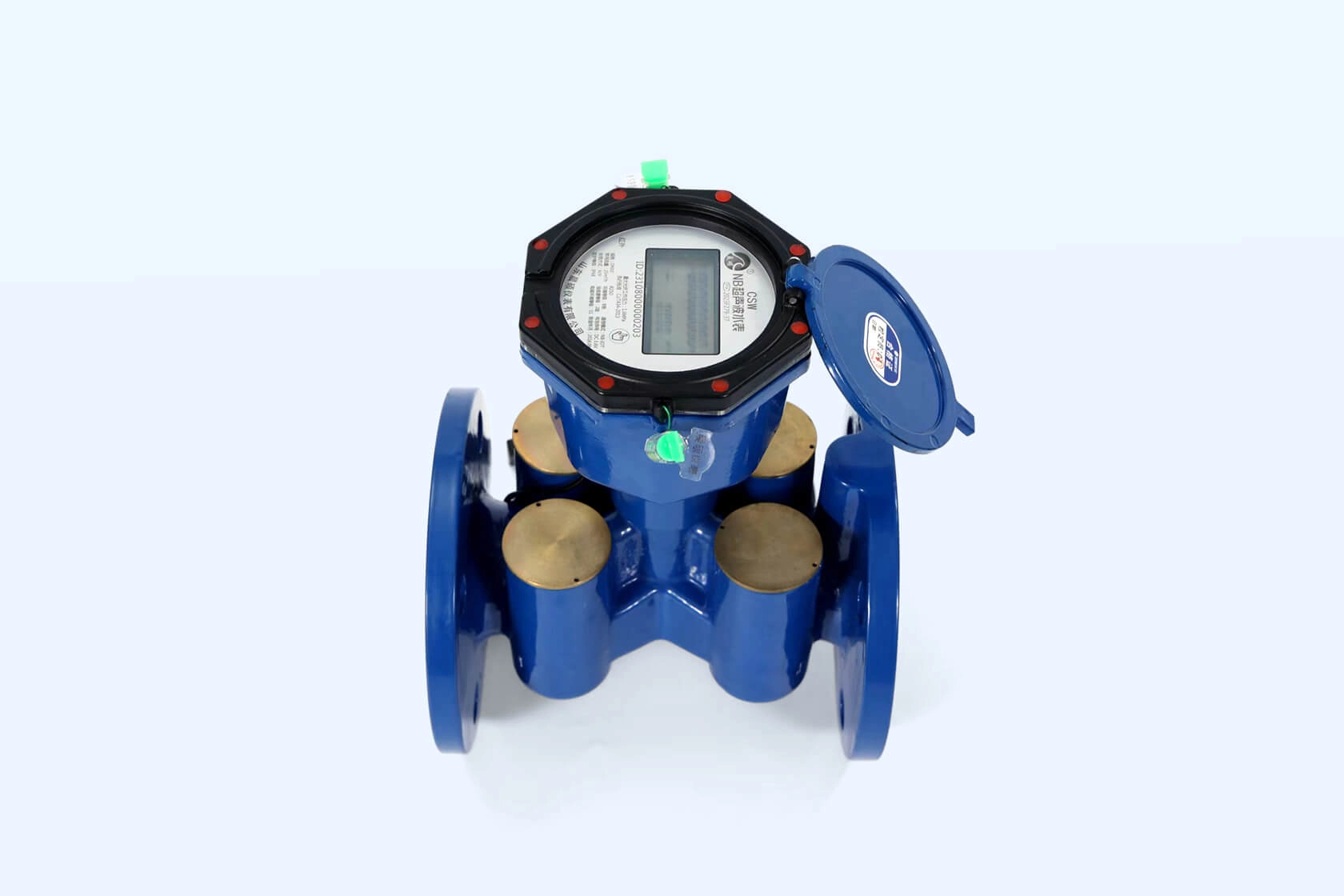
Sistemas remotos cortam buracos de segurança ligados a dados manuais e entram no local. Ao enviar dados automáticos de metros para pontos de contagem, eles diminuem pontos fracos de pessoas passos e adaptações de equipamento. Este fluxo automático aumenta toda a rede a força.
Escolhar uma equipe com firme torna as raízes importantes para manter os bens hídricos seguros a longo prazo. Uma fonte constante dá mais do que itens; oferece um círculo seguro com hardware, envia peças e ajuda.
Com anos longos no “ Nação de lar dos metros de água,” Esse fabricante mistura habilidades antigas com novas tecnologias IoT. Sua forte empurração em R&D D verifica que todas as mercadorias atingem regras mundiais frescas em matéria de medida e segurança de dados. Esta mistura impulsiona um crescimento constante.
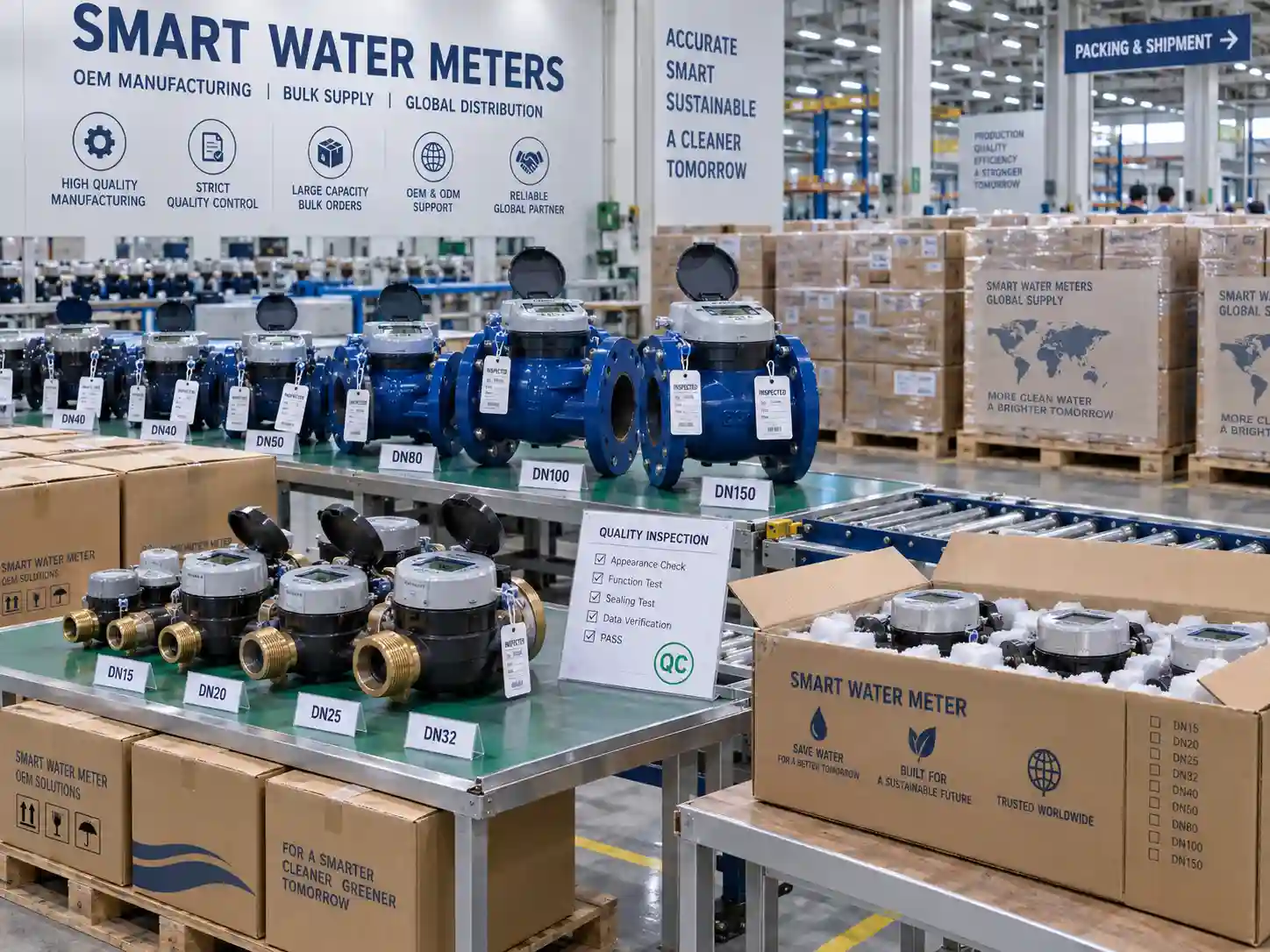
De parte construi para unidades completas, o um serviço OEM de um ponto bloqueia a qualidade em cada passo. Com os selos ISO9001, ISO14001 e ISO45001, a empresa assegura que cada metro atue como um ponto seguro em redes de água inteligente seguras. Esses cheques devolvem a confiança dos produtos.
Bandas de trabalho personalizadas (470-510MHz ou 868-915MHz) permitem que essas correcções se ajustem às regras locais e chamadas de segurança. Essa curva faz com que elas sejam uma escolha primária para grupos de água que visam sistemas de correção de água duradouros, guardados e suaves. Tal adequação ajuda o mundo a rolar.
Q1: Como a tecnologia LoRaWAN assegura a privacidade dos dados sobre água do consumidor?
A: LoRaWAN usa duas camadas de segurança: uma chave de sessão de rede para assegurar a autenticidade do nodo na rede e uma chave de sessão de aplicação para cifrar os dados de fim a fim, assegurando que apenas o usuário autorizado pode lê-los.
Q2: Os metros de água ultrasônicos podem ser facilmente manipulados em comparação com os mecânicos?
A: Não, os metros ultrasônicos são mais seguros porque não têm peças em movimento para obstruir e seus registos eletrônicos internos registram qualquer tentativa de abrir o caixão ou interferir com os sensores, desencadeando um alarme imediato.
Q3: O que acontece com os dados se o sinal da rede remota for temporariamente perdido?
A: Métricos inteligentes de alta qualidade apresentam memória interna que armazena dados de consumo localmente. Uma vez restaurada a conexão de rede, o medidor envia automaticamente os dados tamponados para assegurar que não ocorrem lacunas de informação.
 Endereço: Parque Industrial Xiao'anzi, cidade de Baishabu, distrito de Lanshan, cidade de Linyi, província de Shandong
 Chame-nos agora:+86 15562945993
 Email:info@sdchenshuo.cn


Shandong Chenshuo Instrument Co., Ltd.