물 미터 산동 Chenshuo
>소식>Step-by-Step Guide: Reading Residential Water Meters Illustrated

Step-by-Step Guide: Reading Residential Water Meters Illustrated

  • 22/01/2026
  • 공유하기:
                 

목차

    Accurate water meter reading empowers you to monitor usage, detect leaks early, and avoid surprise bills. Residential meters come in analog dial, digital display, and smart varieties, each with straightforward methods once you know the basics. This guide breaks down the process for each type with clear practical tips. For reliable, high-quality options that make reading effortless, consider products from Chen Shuo는, a leading Chinese high-tech manufacturer based in Shandong Province, the “Hometown of Water Meters.” With over a decade of expertise, they specialize in durable rotary mechanical, ultrasonic, and smart IoT meters, backed by ISO9001, ISO14001, and ISO45001 certifications, plus EU CE approval. Their focus on precision engineering and global export to over 50 countries ensures long-lasting performance.

    Step-by-Step Guide Reading Residential Water Meters Illustrated

    Why Is Reading Your Water Meter So Confusing and Important?

    Many homeowners find water meter reading frustrating due to unfamiliar dials, small pointers, or unclear displays, especially when bills seem higher than expected. These challenges often lead to overlooked leaks or disputed charges.

    Common Pain Points in Water Meter Reading

    Traditional analog meters feature multiple pointers and units, making quick glances misleading if you miss the correct order or ignore red fractional dials. Digital models appear simple but can include decimals that confuse monthly calculations. Smart meters add app-based reading, which requires initial setup.

    Risks of Incorrect Readings and Overbilling

    Misreading by even a few cubic meters can inflate bills significantly. Undetected leaks waste water and money, while inaccurate self-reporting strains relations with utility providers. In urban areas with rising water costs, these errors compound over time.

    Benefits of Accurate Self-Monitoring for Households

    Regular checks help you track consumption patterns, spot sudden spikes from leaks, and promote conservation. Precise readings ensure fair billing and provide data for budgeting. Mastering this skill gives you control over one of your essential household expenses.

    How to Read Analog Dial Water Meters?

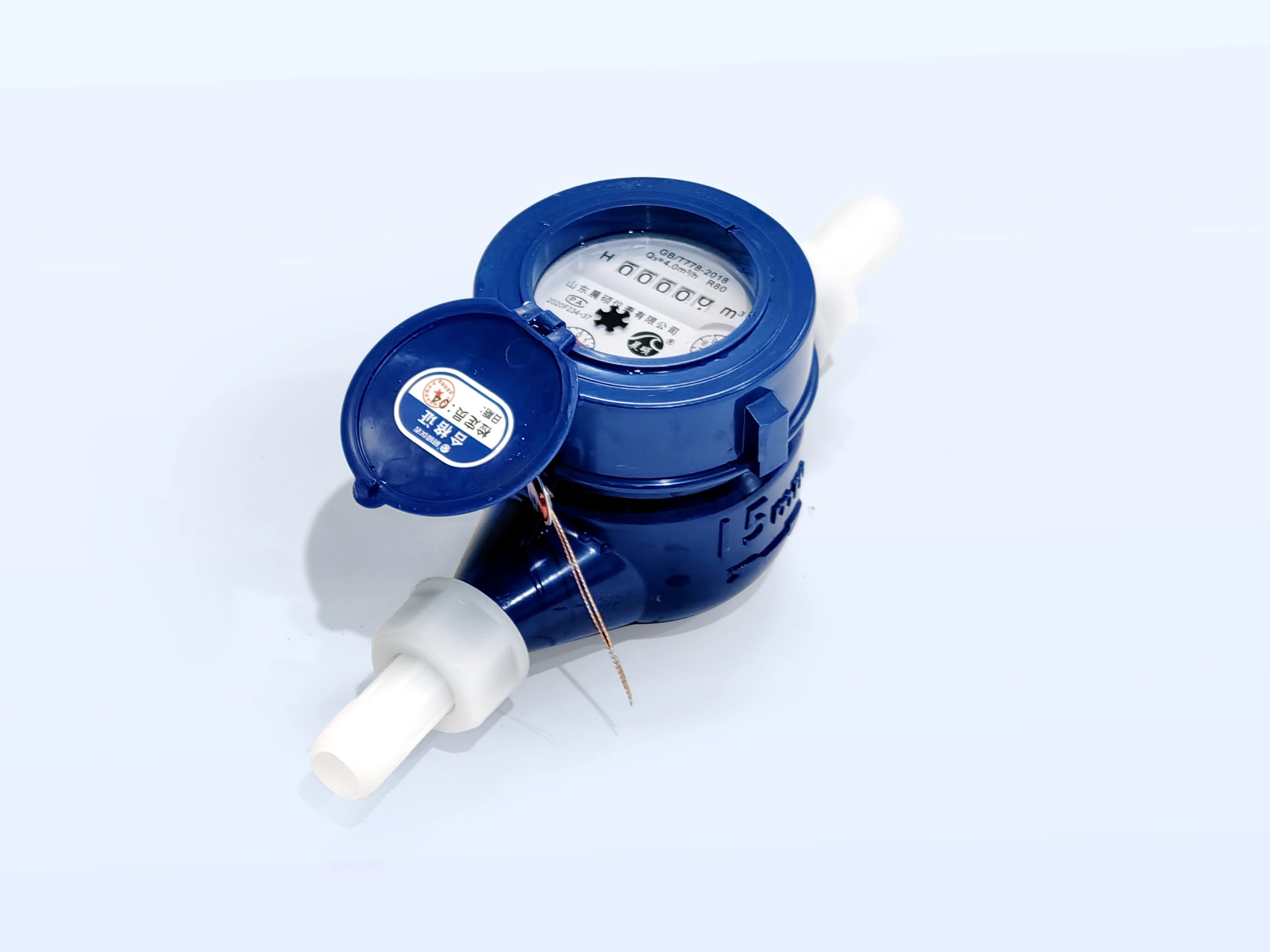
    Analog dial meters remain the most common in residential settings. They use rotating pointers on multiple dials to show cumulative water flow in cubic meters. Focus on black dials for whole units while noting red ones only for verification.

    How to Read Analog Dial Water Meters

    Understanding Pointer Positions and Units

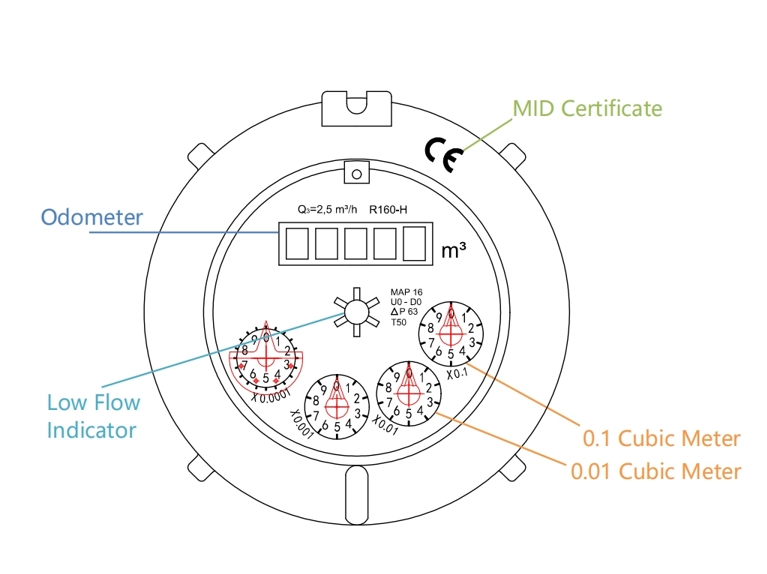
    Each pointer represents a different scale, increasing from right to left: 0.001, 0.01, 0.1, 1, 10, and sometimes higher. The largest dial tracks full cubic meters. Pointers move clockwise as water flows.

    Step-by-Step Reading Process with Examples

    Locate the meter and note all pointer positions from left to right. Record the lower number if a pointer sits between digits. Subtract the previous reading for monthly usage. For instance, dials showing 00123 with fractions mean 123 cubic meters total.

    Chen Shuo’s LXS-15ABS and LXS-15NYLON Models for Clear Dials

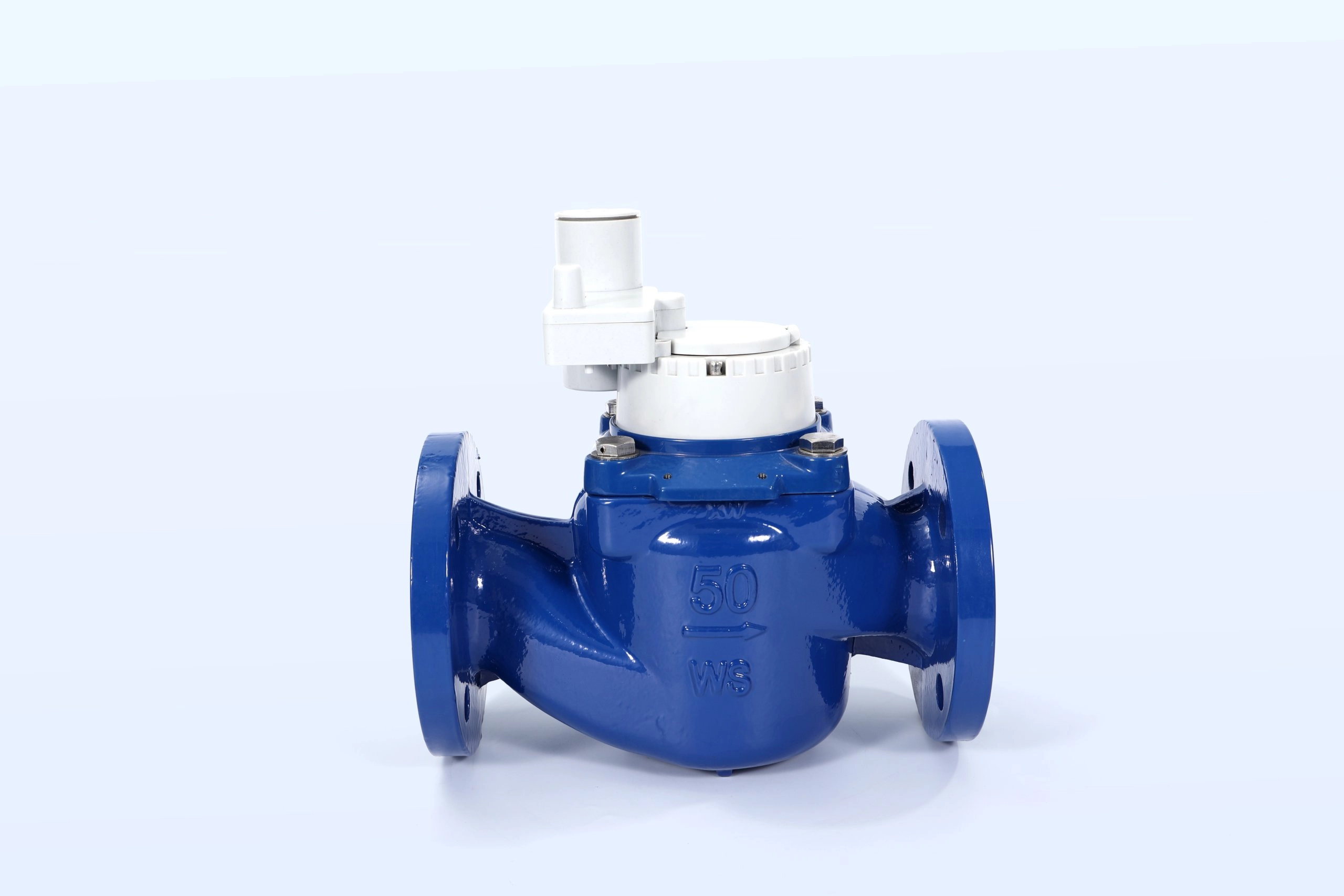
    Models like the 회전 기계 물 미터 LXS-15ABS use durable brass or engineering plastic bodies with precise gear transmission for stable, easy-to-read mechanical registers. The LXS-15nylon variant employs corrosion-resistant nylon for longevity while maintaining clear dial visibility and Class 2 accuracy (±2% in high zones).

    How to Read Digital Display Water Meters?

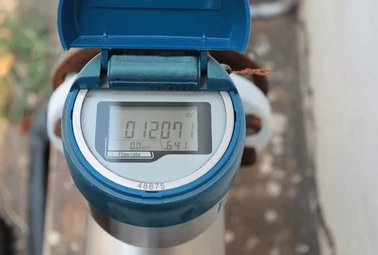
    Digital meters simplify the process by showing numbers directly on an odometer-style or electronic screen. They eliminate pointer confusion and provide instant cumulative totals.

    How to Read Digital Display Water Meters

    Identifying Direct Numeric Readings

    Look for the main black digits representing whole cubic meters. These roll forward like a car odometer. Ignore leading zeros.

    Interpreting Decimal and Fractional Digits

    Red or smaller digits after the decimal point indicate fractions of a cubic meter. Record only whole numbers for standard billing unless your utility requires otherwise.

    Advantages of Modern Digital Meters from Reliable Suppliers

    These meters offer tamper resistance and consistent clarity without moving parts prone to wear. High-quality versions maintain accuracy over years, reducing disputes and supporting efficient household management.

    How to Read Smart and Remote Water Meters?

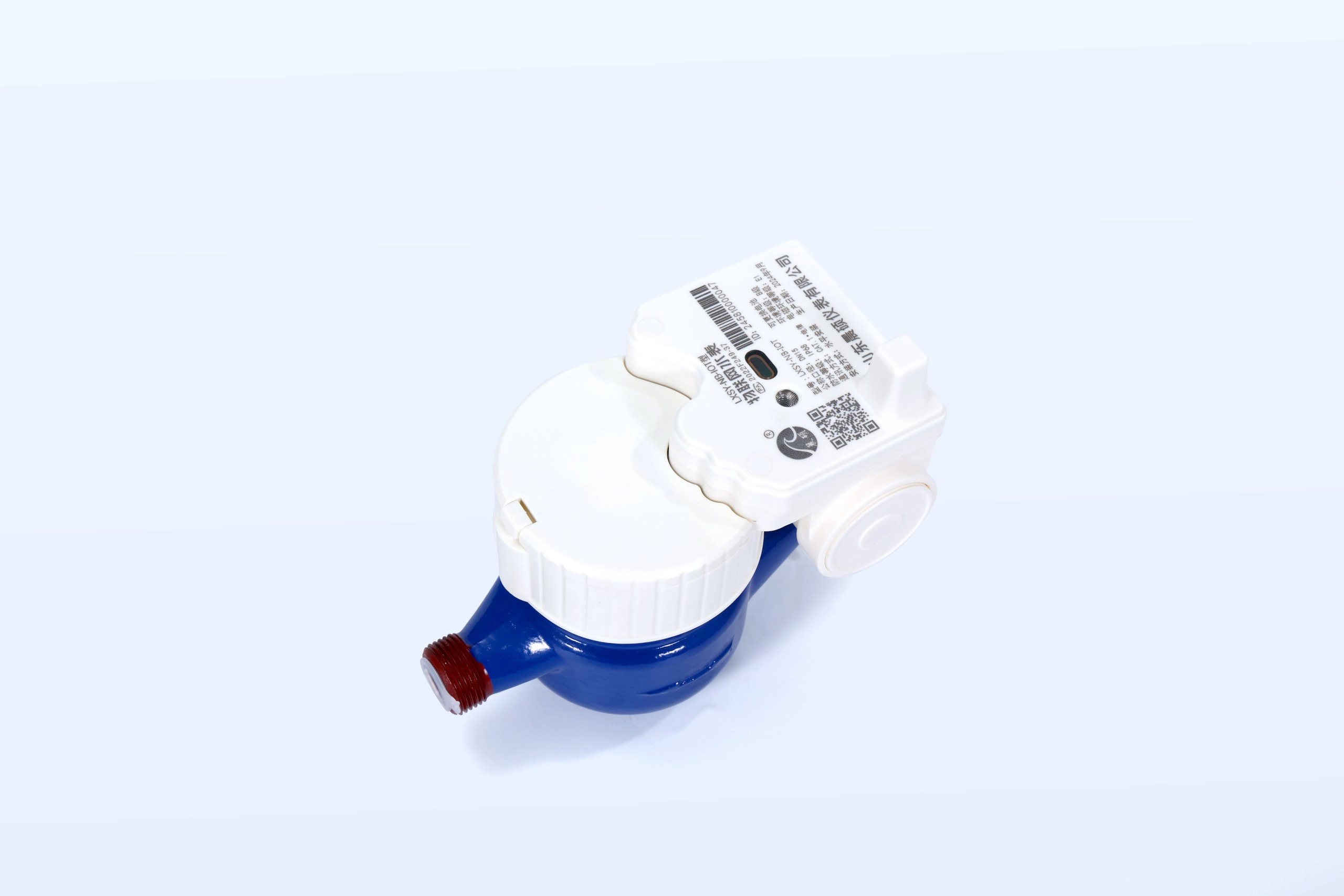
    Smart meters integrate IoT technology for automated data collection. They often combine physical displays with wireless transmission, enabling remote access and real-time insights.

    How to Read Smart and Remote Water Meters

    Basics of IoT-Enabled Meter Displays

    Many feature a digital screen showing current usage alongside traditional indicators. Data transmits via NB-IoT or LoRa to utility systems.

    Reading via App or Remote Transmission

    Download the provider’s app or access an online portal for instant readings, historical graphs, and alerts. Physical checks follow digital methods for verification.

    Chen Shuo’s LoRaWAN and Ultrasonic Options for Easy Monitoring

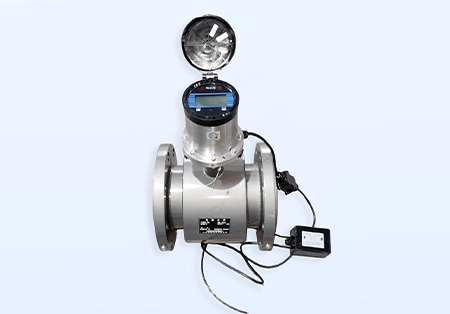
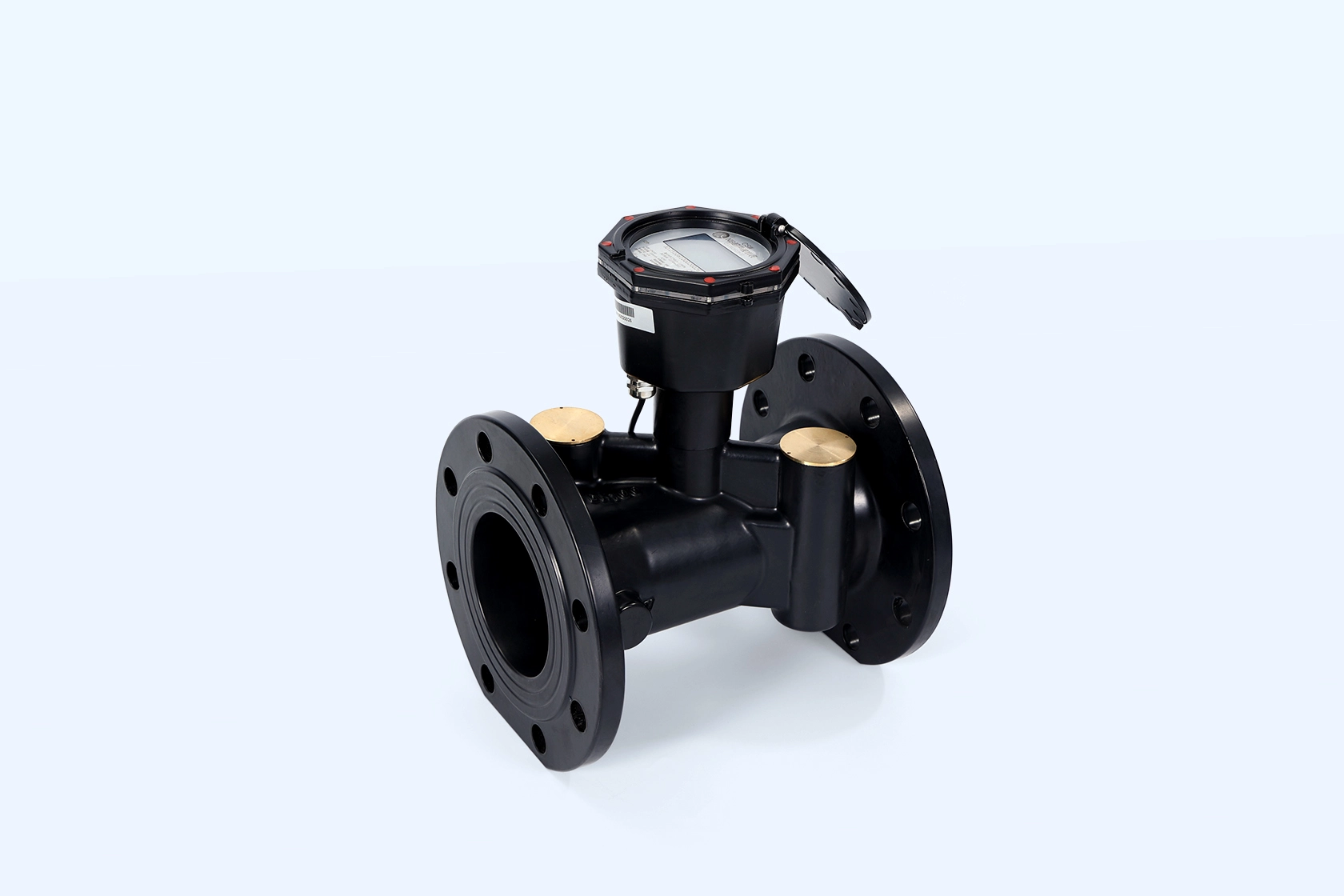
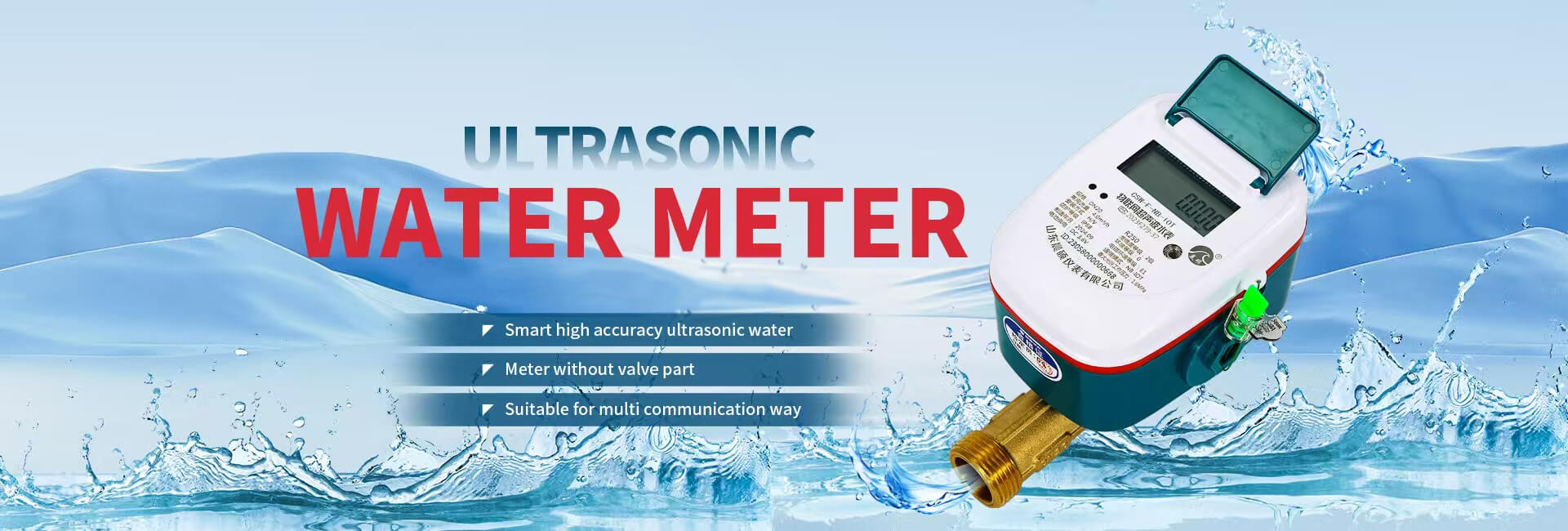
    Advanced models support LoRaWAN for long-range, low-power transmission up to several kilometers. Ultrasonic variants add non-contact measurement for superior accuracy and leak detection, integrating seamlessly into smart water platforms.

    Why Choose Chen Shuo for Your Residential Water Meters?

    Selecting the right supplier ensures reliable performance, accurate readings, and long-term savings. Focus on proven quality addresses concerns about durability, precision, and support.

    High-Quality Rotary Mechanical Meters

    These models deliver Class 2 accuracy with low starting flows to catch drips. ABS and nylon constructions resist corrosion while providing clear, stable dials for effortless reading.

    International Certifications and Export Experience to Over 50 Countries

    Triple ISO certifications plus CE approval guarantee compliance and safety. Extensive global exports demonstrate reliability in diverse conditions.

    Durable Materials and Cost-Effective Solutions for Global Buyers

    Engineering plastics and brass options balance strength with affordability. Long service life of six years or more, minimal maintenance, and precise metering reduce total ownership costs.

    FAQ는

    Q1: How often should you check your water meter?
    A: Check your water meter every month to keep track of usage properly, catch leaks soon, and confirm bills match reality. Consistent checks let you notice odd jumps that could point to hidden issues, such as leaking pipes or broken fixtures. Moreover, tracking numbers across months gives you stronger insight into daily habits, so you dodge surprise charges from the water company. Plus, this easy routine promotes saving water around the home.

    Q2: What do red dials or digits on a water meter mean?
    A: Red dials or digits show portions of a cubic meter for exact measurements. For typical home billing, you just note the black full numbers since providers usually ignore the fractions. Still, paying attention to those tiny figures from time to time aids in confirming precise amounts when questions arise or when you want thorough records. Reliable meters maintain sharp visibility on these marks over many years, which delivers dependable details whenever necessary.

    Q3: Can a leaking faucet affect meter readings significantly?
    A: Yes, even gentle drips build up gradually and influence meter readings quite a lot. One faucet that drips steadily might lose multiple cubic meters each month, pushing bills higher in obvious ways. Sensitive meters pick up minor flows well, so they assist in spotting troubles fast. Repairing leaks right away conserves water, lowers expenses, and stops possible harm to the house.

    Q4: Do smart meters require manual reading?
    A: No, smart meters send information straight to the utility on their own, removing any regular need for hands-on checks. They deliver current figures via apps or online sites for quick viewing. Yet, doing spot physical looks now and then verifies everything stays correct and lets you double-check sent data. Such pairing brings reassurance together with up-to-date ease.