물 미터 산동 Chenshuo
>소식>How Smart Water Meters Are Key to Urban Water Conservation and Carbon Reduction

How Smart Water Meters Are Key to Urban Water Conservation and Carbon Reduction

  • 11/12/2025
  • 공유하기:
                 

목차

    As cities rapidly expand and climate pressures mount, urban water utilities face growing challenges in managing scarce resources efficiently. Aging infrastructure, high non-revenue water losses, and outdated mechanical meters hinder accurate monitoring and timely leak detection. Smart water meters, particularly advanced ultrasonic models, offer a transformative solution. By providing real-time data, precise measurement, and remote communication capabilities, these devices empower utilities to reduce waste, optimize distribution, and lower operational costs. More importantly, they play a vital role in supporting municipal sustainability goals—cutting both water consumption and the carbon footprint of water supply systems.

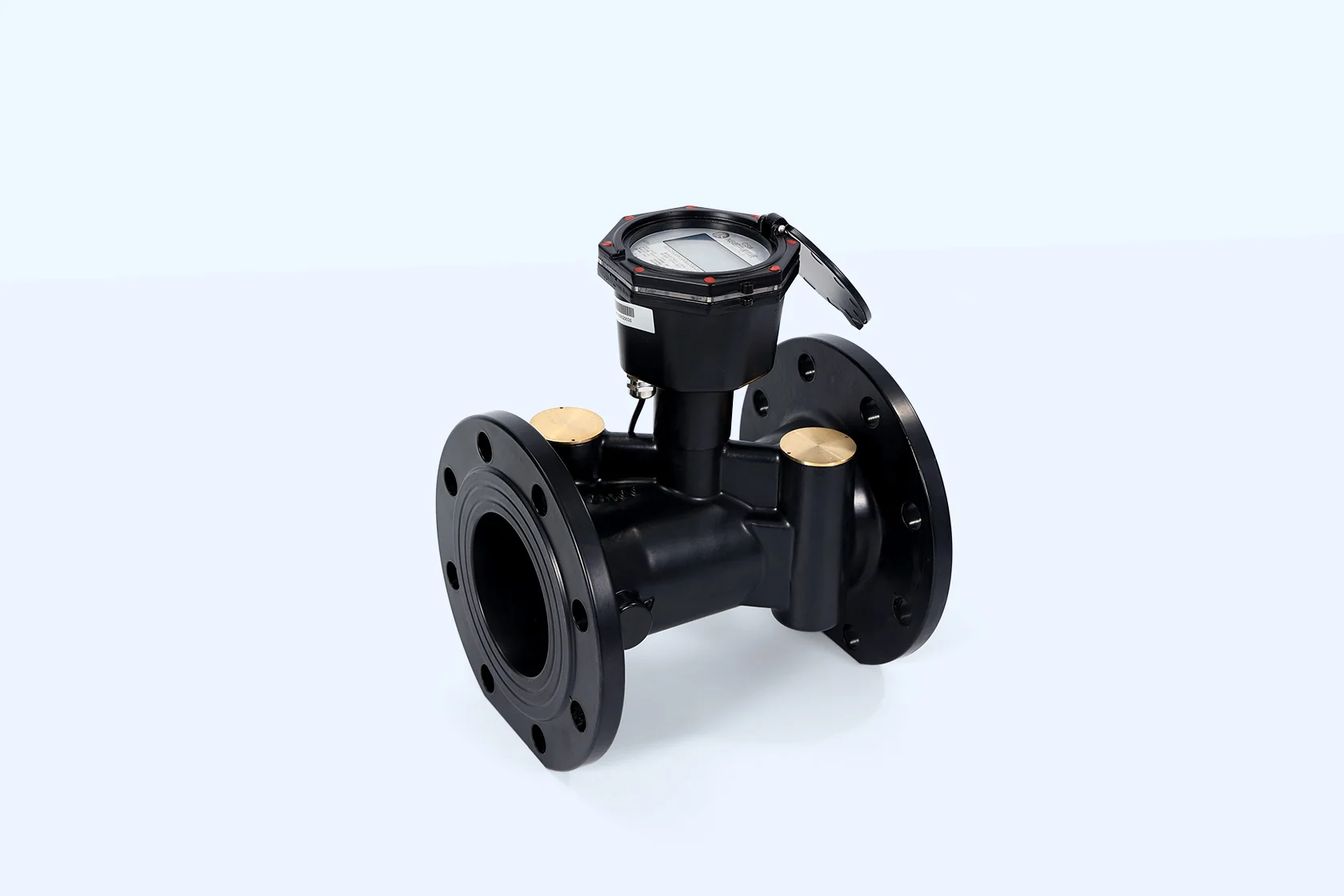
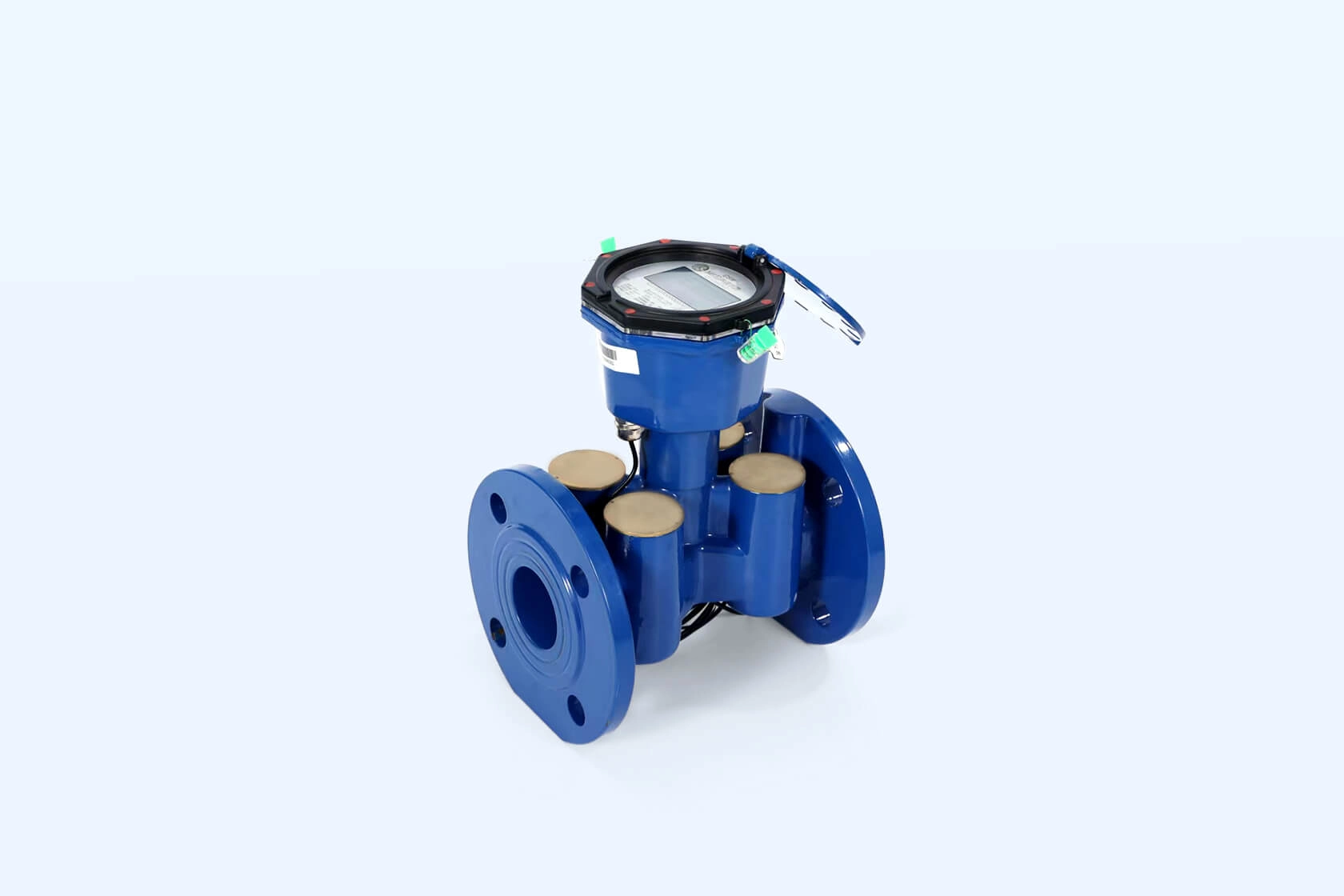
    초음파 물 미터-DN100

    The Role of Smart Water Meters in Urban Sustainability Strategies

    Urban Water Management Challenges in the Context of Climate Goals

    As cities grow bigger in population and become more crowded, water companies face huge pressure to update their systems. Rising numbers of people put stress on old water pipes, causing waste, higher non-revenue water (NRW), and trouble reaching green targets. Old-fashioned water meters, which are simple mechanical tools with few features, just do not work well anymore. Reading them by hand slows down spotting problems, and their lack of instant data hurts efforts to save water and plan ahead.

    With cities expanding faster, handling water supplies turns into a main job. To match climate protection aims, local governments now focus on combined rules that boost water saving and cut carbon output. This double need calls for tools that give clear views of how people use water and where systems lose it.

    The Strategic Importance of Smart Water Metering Technologies

    Smart water meters have become key parts of green city planning. Using sensors and built-in communication parts, these tools allow instant tracking of water use in whole networks.

    Smart water meters rely on modern sensor tech and exact measurement methods to measure water use precisely, which leads to fairer billing and makes users more responsible. Water companies can find leaks or odd patterns soon, cutting down on waste and daily expenses.

    Besides watching single users, combined data helps city leaders predict needs, handle supplies as things change, and spot areas with big losses. By looking at water use info, supply teams can understand city water patterns and trends well, matching their plans to saving rules.

    Technological Foundations of Smart Water Meters

    Key Features of Ultrasonic Smart Water Meters

    Ultrasonic smart meters lead the way in new digital measuring tools. Their design without moving parts, based on how sound waves travel, gives strong accuracy and no wear from motion. Compared with traditional mechanical water meters, it offers big benefits including: no moving mechanical parts, wide turndown ratio, minimal pressure loss, high accuracy, and long service life.

    This strong build means less upkeep and longer use times, vital for water companies wanting good value from their setups over years. Ultrasonic water meters use the ultrasonic principle to calculate the flow rate by measuring the flow velocity of the fluid. They do well at catching small flows and big rushes, perfect for tricky pipe setups.

    Communication Protocols and Data Transmission Capabilities

    Another important part is how they communicate. Smart water meters send water use data to cloud systems via built-in wireless parts (such as GPRS, LoRa, NB-IoT, etc.). This keeps constant sight of use habits, letting companies manage tools from afar without hands-on work.

    Linking to main systems helps spread them out in cities. Smart water meters can handle tasks like reading from a distance, checking data, and fixing issues, making daily tasks smoother while improving service to customers with instant updates.

    Product Focus: Shandong Chen Shuo’s Ultrasonic Water Meter Solutions

    Shandong Chen Shuo Instrument Co., Ltd. stands as a top creator of smart measuring tools. As a high-tech company focused on ultrasonic systems, it blends research, making, and custom services to provide fitting answers for city and factory uses. Matching the flow of IoT and online times, Chenshuo Instrument has built a complete chain for business around smart water meters, giving not just well-made hardware but also steady tech advice and full-system tweaks. Explore their advanced offerings 여기.

    Ultrasonic Water Meter-DN100: Large-Diameter Urban Applications

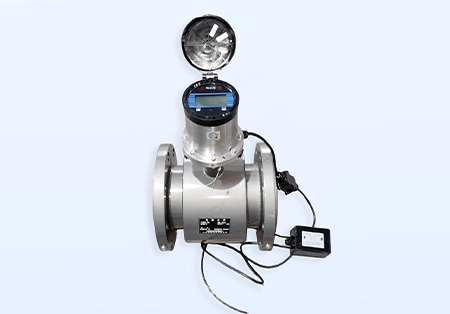
    For area-wide checks or big business setups, the 초음파 물 미터-DN100 provides a solid choice. Built for heavy flow lines, this type keeps top accuracy over a wide range of speeds (R200+).

    The ultrasonic water meter is a high-precision electronic water meter based on the ultrasonic time-of-flight principle. With an IP68-rated enclosure, it handles tough weather like full water dips, great for underground spots or wet areas. Its wide turndown ratio makes sure of true readings from tiny drips to max flows.

    From a green view, this meter lets you profile use in areas closely, allowing fixes where waste is worst. Open-protocol talks make it easy to join larger smart city setups, aiding not only water but also power and trash tracking systems.

    Ultrasonic Water Meter-DN80: Medium-Sized Network Optimization

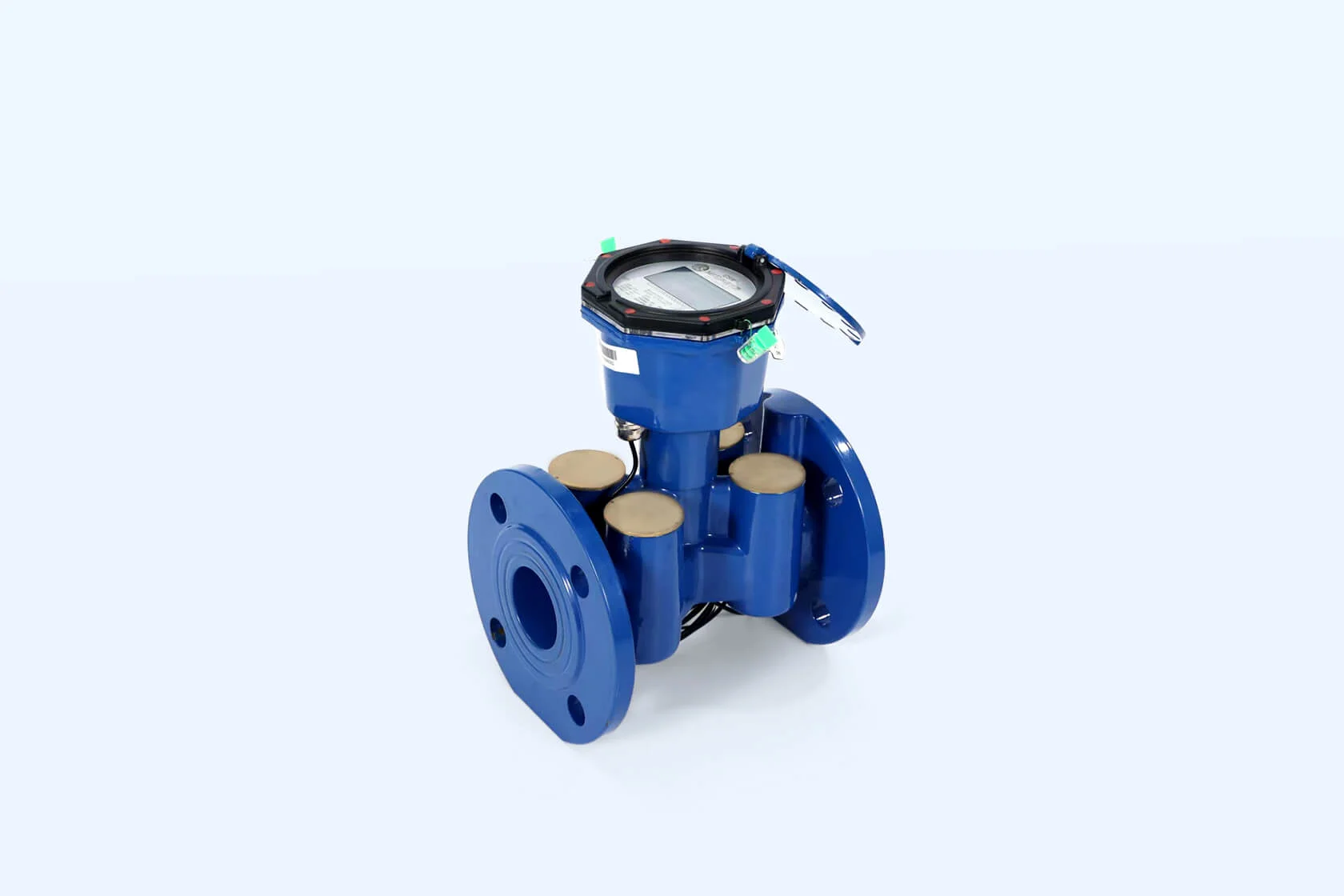
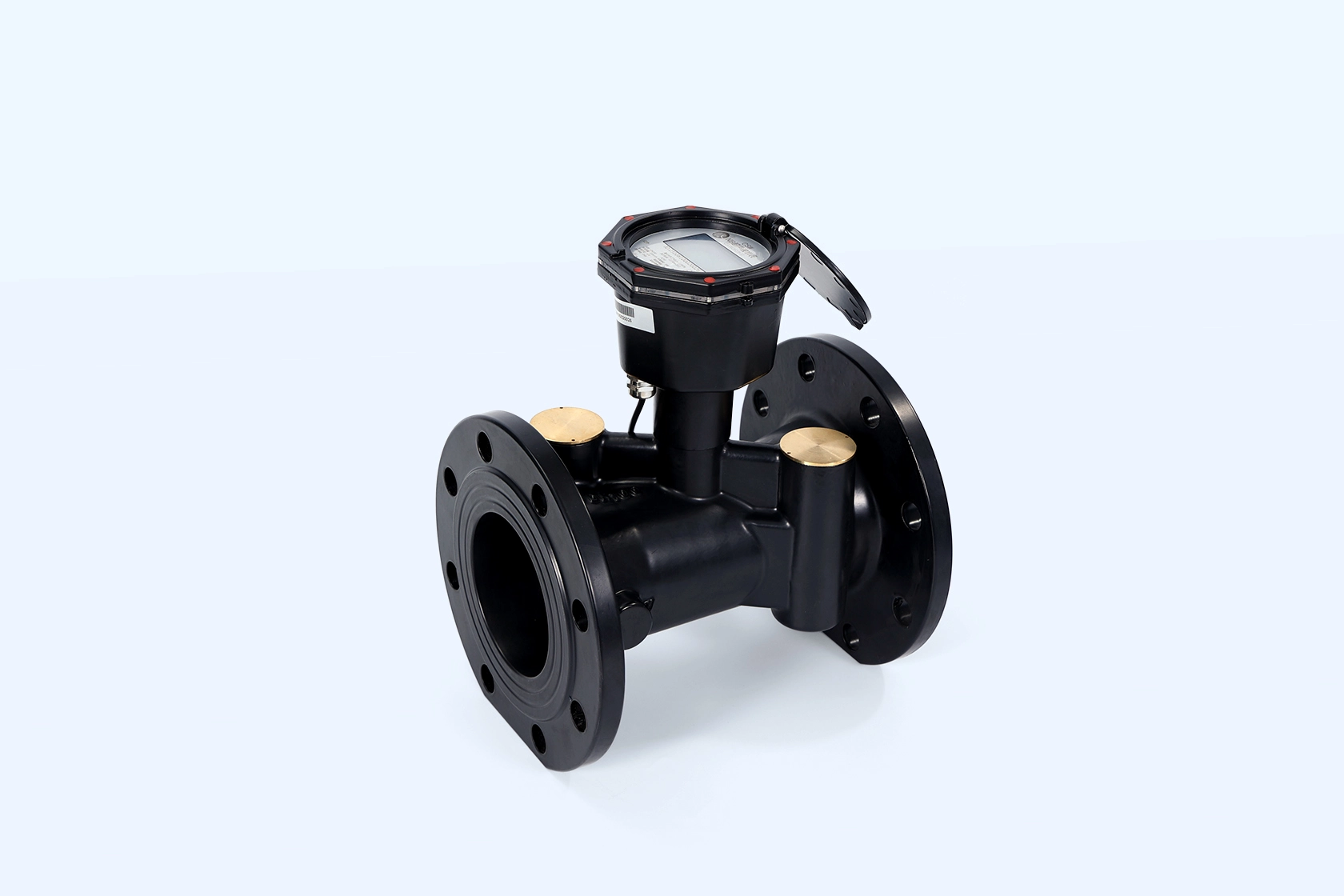
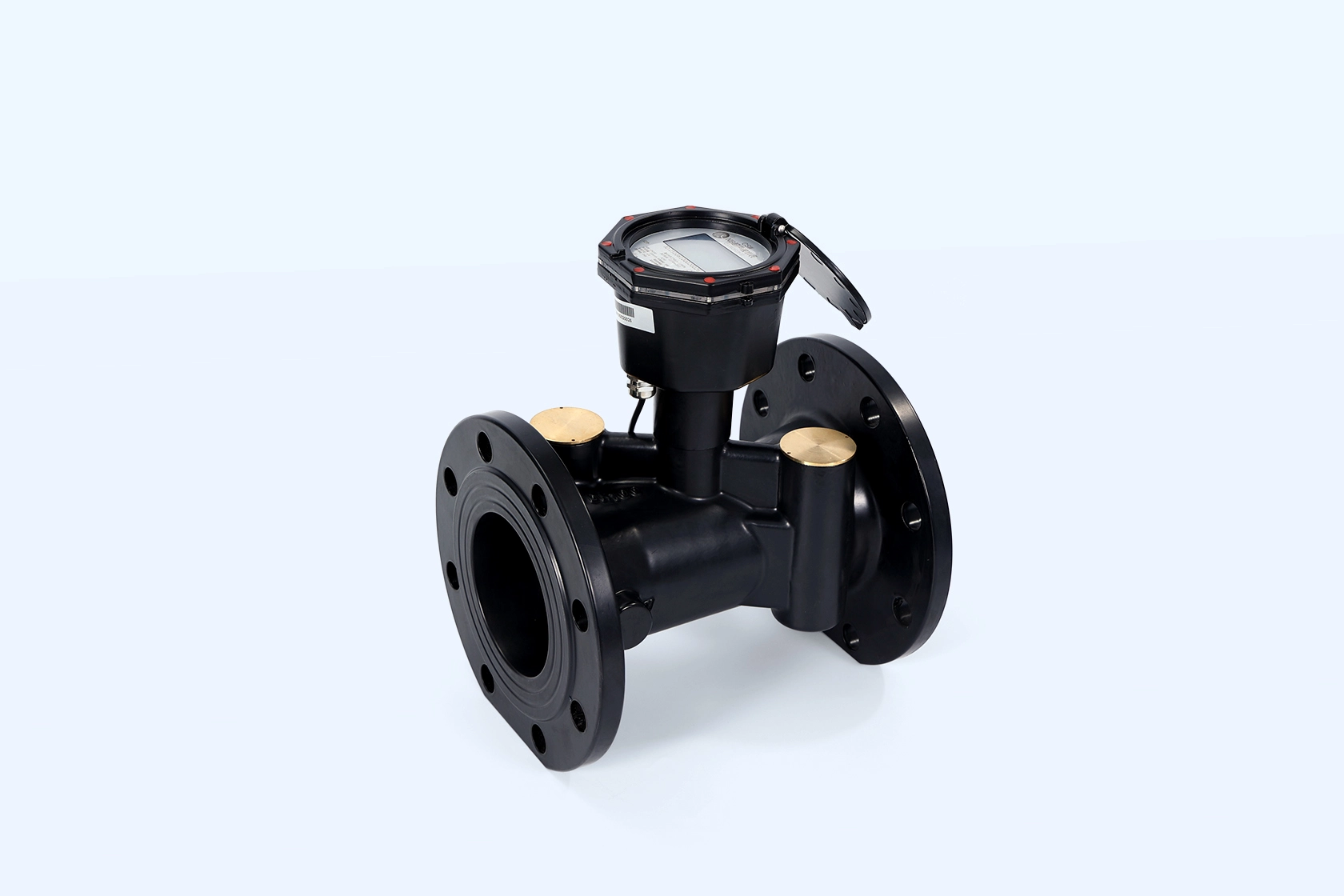
    For mid-size supply lines like mixed buildings or factory zones, the 초음파 물 미터-DN80 gives small-size power with business-level smarts.

    It fits best for smart water setups, factory measuring, and area leak checks. Its small shape lets it fit into old systems without big pipe changes.

    In daily work, this type stands out in spotting odd flows right away. Smart water meters can not only monitor water consumption in real time, but also detect abnormal water use behaviors, triggering alerts that enable fast corrective action. Hourly and daily profiles help companies start user talks aimed at changing habits, adding to lasting saving work.

    중동 시장에서 스마트 워터 미터 채택을 촉진하는 이유

    Impact on Urban Water Conservation Efforts

    Real-Time Monitoring as a Tool for Demand Management

    Watching use instantly changes how you handle needs. Step-based pricing works better when tied to real trends instead of old guesses. Smart water meters can provide users with personalized water-saving suggestions through data analysis to help users adjust their water use habits.

    This clear view builds duty in users while giving leaders useful facts on busy times or bad habits.

    Reduction of Non-Revenue Water Through Early Leak Detection

    Non-revenue water stays a main worry for most companies. Using steady flow checks and strong sense for low flows, smart meters find leaks much sooner than old systems.

    Once abnormal water usage is detectedthe smart water meter will immediately send an early warning signal. This cuts money loss and green harm by stopping wasted water before it grows into big breakdowns.

    Contribution to Carbon Emission Reduction in Urban Utilities

    Energy Savings Through Reduced Pumping Requirements

    Water waste links straight to energy waste. True measuring lets you set pump times on real needs, not set schedules. Less water loss drops energy use per unit moved, lowering output tied to cleaning and sending processes.

    Plus, solid data stops extra push in system pressure, a hidden cause of extra energy.

    Integration with Broader Smart City Carbon Reduction Strategies

    Smart measuring works with others, as a base in your full plan to cut carbon. When linked by IoT systems, smart meters add to one control setup that covers power nets, trash following, and travel lines.

    This joined way aids Environment, Social & Governance (ESG) reports with real numbers on better work.

    Implementation Considerations for Utility Managers and City Planners

    Planning Deployment at Scale in Urban Networks

    Spreading out needs good prep. Start with test areas that show different pipe sizes, people use ways, and water flow acts. These spots check talk strength over NB-IoT or LoRa nets while proving meter truth in local spots.

    Water flow fit, like pressure areas and flow changes, should shape choice of tools in spread steps.

    Data Management, Cybersecurity, and Interoperability Standards

    Safety must come first. With user use shapes now in digital form, code locks must guard against wrong entry. Also, making sure it works with your current SCADA or AMI setups is key for smooth joining.

    Main screens for watching many areas only work if all parts, hard and soft, use the same talk.

    Connect With Shandong Chen Shuo for Tailored Solutions

    Customization Support and Technical Consultation Services

    Picking the best measuring tool relies on your system’s traits, from pipe width to top flow changes. The engineer group at 산동 Chen Shuo gives advice services that aid companies in smart choices tied to green aims.

    From software fixes to check services and learning plans, long ties keep your setup working well and set for tomorrow.

    FAQ는

    Q: How do smart water meters reduce operational costs?
    A: By eliminating manual readings through remote monitoring and enabling early leak detection, smart meters significantly reduce labor costs and prevent costly unaccounted-for losses.

    Q: Are smart meters compatible with existing urban infrastructure?
    A: Yes. Models such as DN80 are designed for easy retrofitting without extensive pipe modifications, making them ideal for integrating into older networks.

    Q: What makes ultrasonic smart meters more accurate than mechanical ones?
    A: Ultrasonic meters use time-of-flight technology without moving parts, avoiding wear-induced inaccuracies common in mechanical designs while achieving error margins as low as ±1%.