물 미터 산동 Chenshuo
>소식>Flow Meter Selection Criteria for High-Precision Fluid Measurement

Flow Meter Selection Criteria for High-Precision Fluid Measurement

  • 09/01/2026
  • 공유하기:
                 

목차

    In modern process industries, exact fluid measurement is more than a choice. It is essential. Picking the correct flow meter helps keep operations running smoothly. It also supports rules and cuts expenses. This applies to water treatment, chemical dosing, or energy billing. Small errors in flow readings can lead to big problems.

    Flow Meter Selection Criteria for High-Precision Fluid Measurement

    For a solid supplier in fluid metering, Chen Shuo는 provides a full set of modern flow options. Their expert staff and top manufacturing create strong meters. These include electromagnetic, ultrasonic, and mechanical kinds. With worldwide sales and approvals like ISO 9001, they serve clients in over 50 countries. If you plan a fresh setup or update your setup, reach out to Chen Shuo. They offer custom plans for steady and exact work.

    Why Choosing the Right Flow Meter is Critical for High-Precision Fluid Measurement

    Selecting a wrong flow meter can cause a series of work issues. Mistakes in readings not only harm fluid delivery. They also mess up checks on system performance.

    Inaccurate Flow Measurement Leads to Costly Operational Errors

    Flow meters that do not work well can guide bad choices in key processes. Exactness matters most for water-based mixes. It brings down costs and boosts output. Wrong flow readings might cause too much chemical use, waste of goods, or failures in environmental rules.

    Complex Fluids Require Specialized Measurement Solutions

    When handling fluids that change in thickness, electrical flow, or heat, you need tools matched to those traits. For example, mag meters measure well only if liquids conduct electricity. They fail on non-conductive types like oils, steam, or gas. Knowing the fluid’s features makes sure the meter fits its detection method.

    Industry Standards Demand Higher Accuracy and Reliability

    In areas like city water systems and factory processing, exact tools are not extra. They are required by law. Good mag flow meters handle tough factory settings. They need little upkeep and meet Class 1, Division 2 rules for risky spots. To follow standards, pick devices that hold their settings in hard conditions.

    Application Conditions in Flow Meter Selection

    Every use has its own surroundings and fluid movements that affect how well it works. Checking these factors makes sure the chosen meter gives steady results.

    Fluid Characteristics Determine Sensor Compatibility

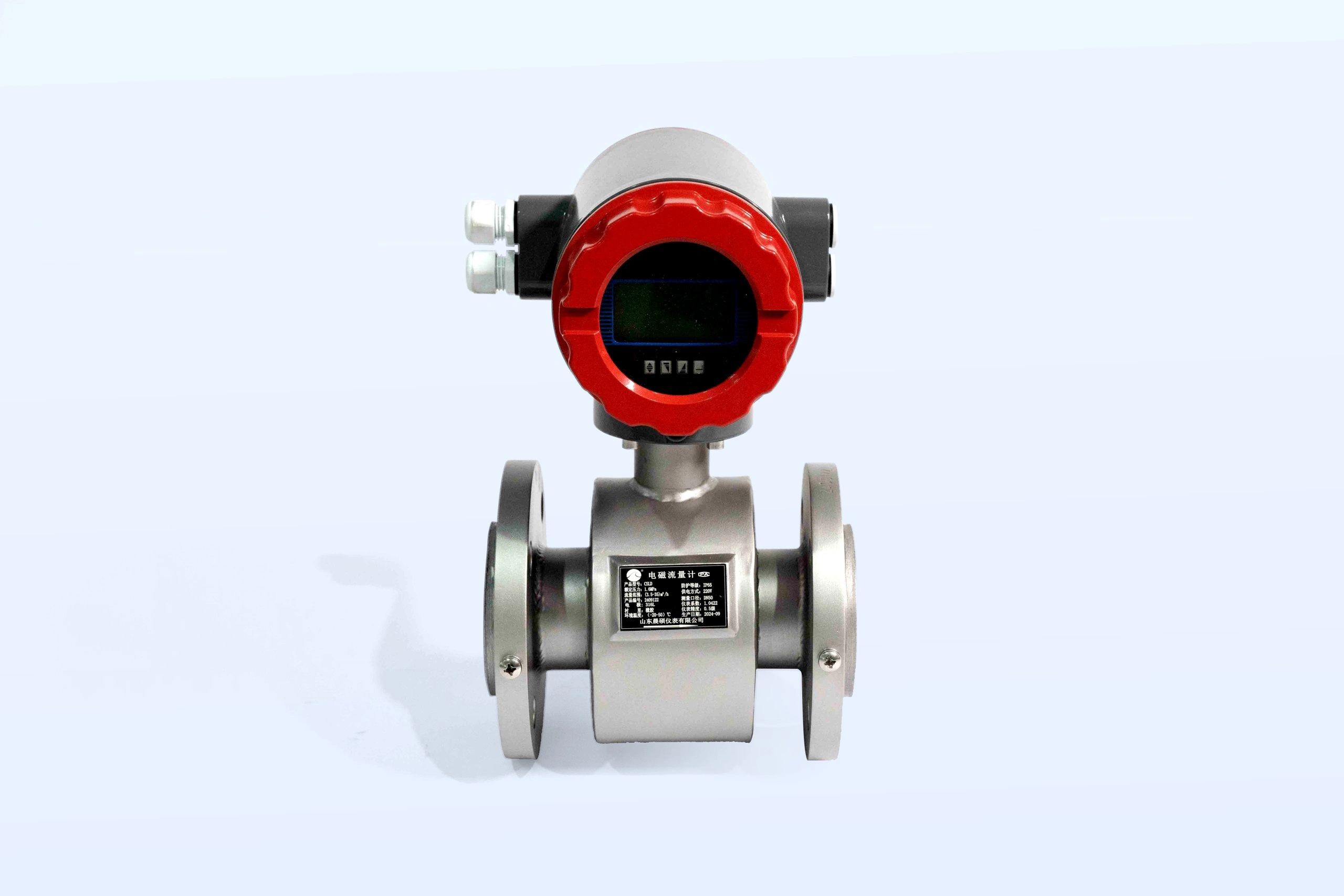
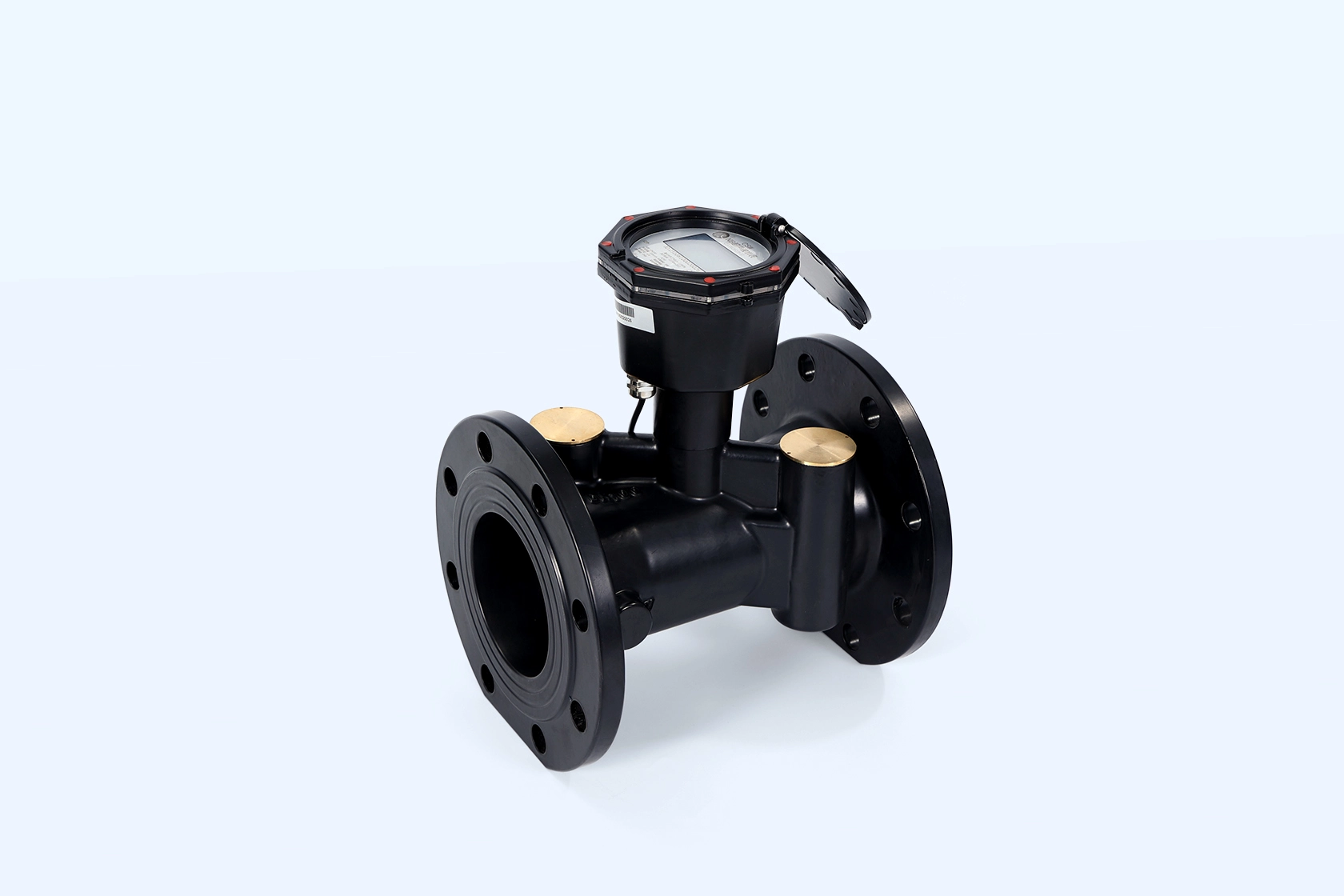
    The electrical flow, solid bits, and makeup of a liquid change how sensors act. Electromagnetic flow meters are volume-based tools. They use electrical fields to check liquid speed. This way measures water-based fluids very well as they move through pipes. For conducting uses like wastewater or acid mixes, electromagnetic flowmeters such as the DN50 model fit best. They resist rust and have open designs with no blocks.

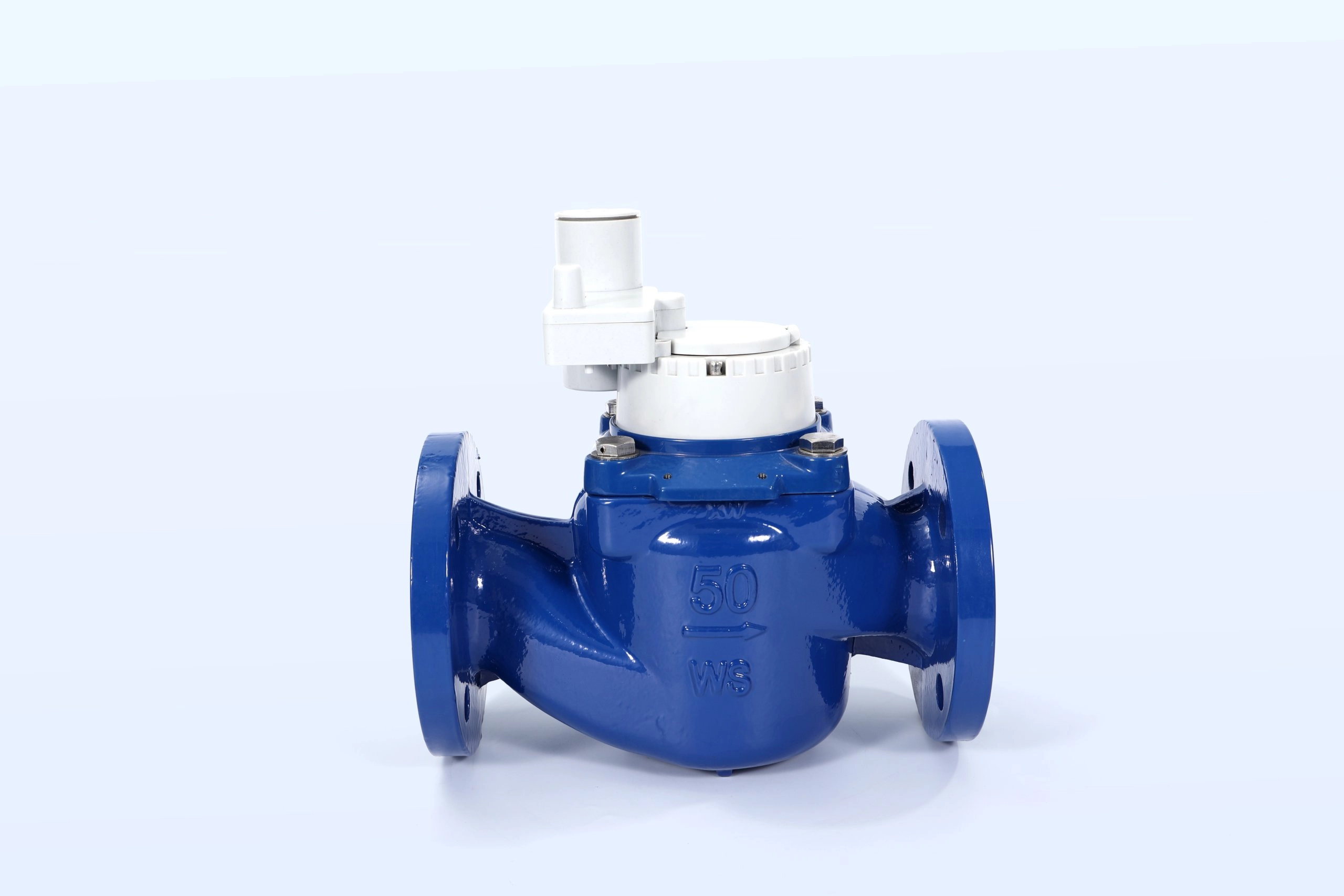
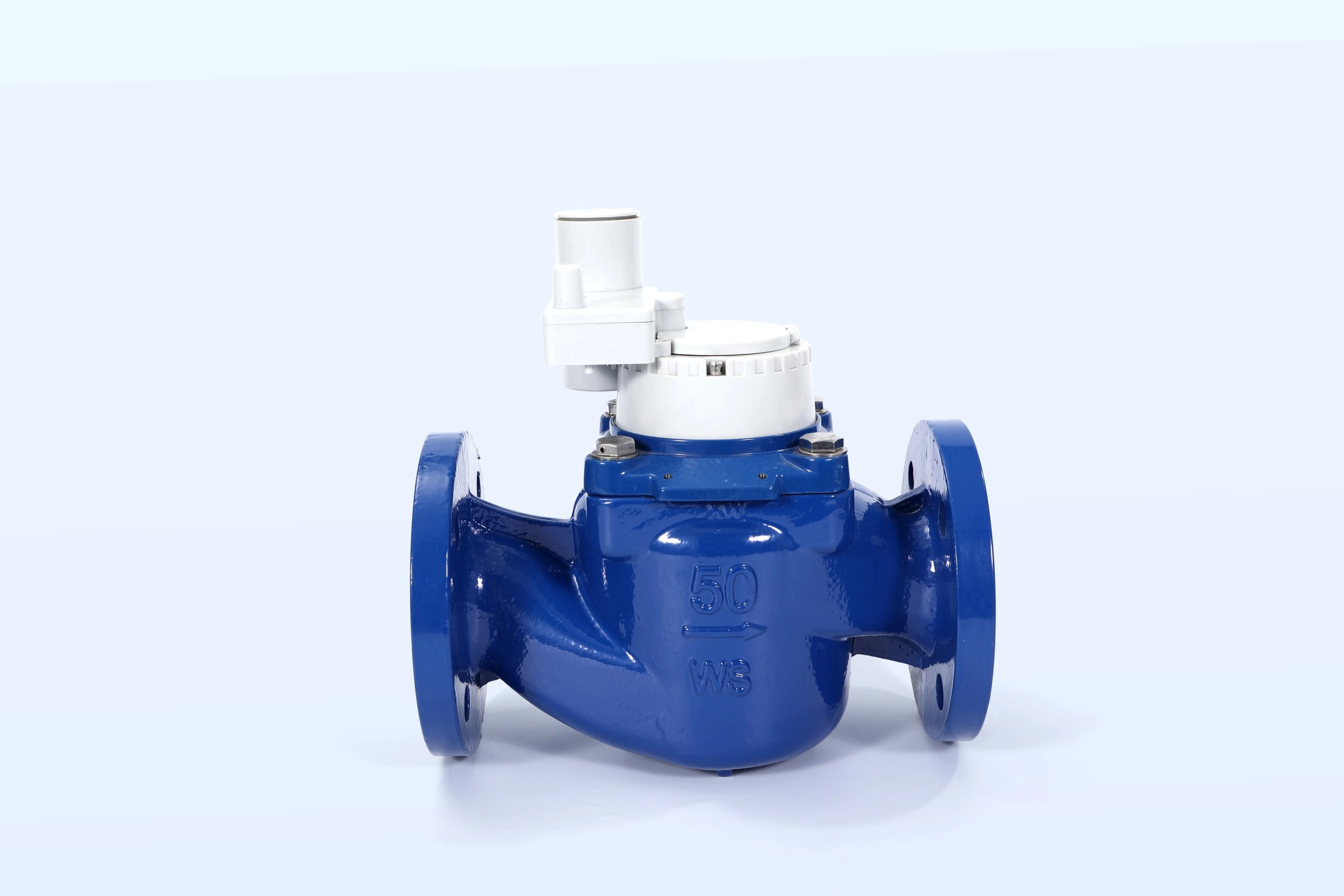
    DN50 model

    Operating Environment Affects Device Performance

    High or low heat, chemical contact, and setup limits all shape lasting strength. Strong meters also run in very hot or cold spots. So weather does not stop them. Liners from PTFE or rubber and tips of titanium or tantalum guard against rough settings.

    Flow Profile and Pipe Configuration Influence Accuracy

    Straight sections of pipe before and after are key for even flow data. Swirls from valves or bends close to the meter can twist readings. Right setup lets sensors catch smooth flow speeds without mix-ups.

    Performance Requirements in Flow Meter Selection

    The picked flow meter has to match the exact limits and quick reactions your setup needs.

    Accuracy Class Must Align with Process Demands

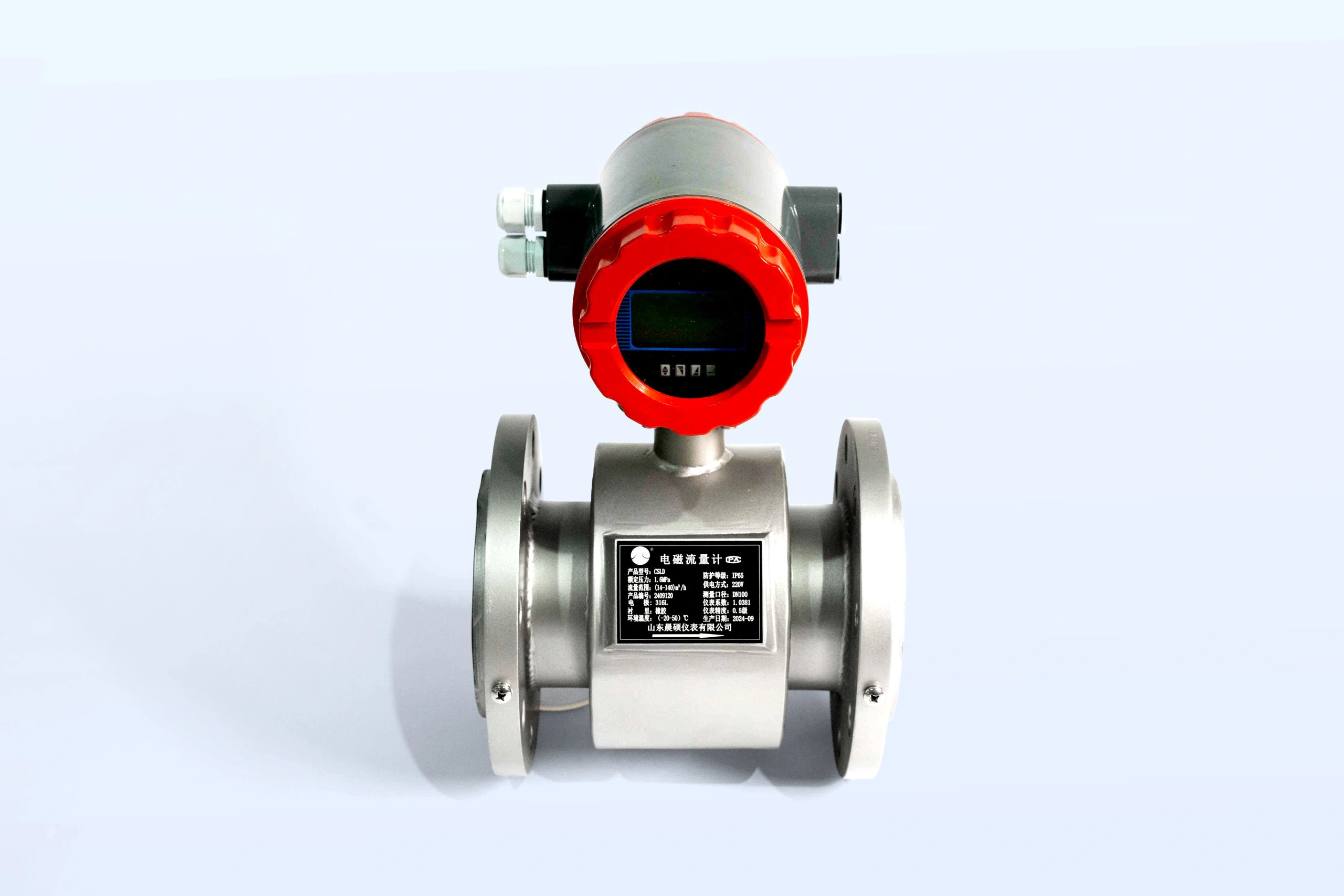
    Key tasks need close measurement ranges. Exactness across a broad flow span is about ±0.5% of the rate or finer. The DN100 electromagnetic flowmeter gives this level. It has choices for 0.3%, 0.5%, or 1.0% exactness based on the type.

    DN100 electromagnetic flowmeter

    Response Time Impacts Real-Time Control Efficiency

    Tasks with fast shifts need meters that react quickly. Electromagnetic meters send live digital signals. They use setups like RS485 and HART. This links easily with process control setups.

    Long-Term Stability Ensures Reliable Output Over Time

    Often resetting raises work and stop times. Mag meters lack moving parts. So they need little care or swaps. Their build keeps output steady for long runs.

    Integration and Maintenance Considerations in Flow Meter Selection

    Fitting into current setups and cutting upkeep are vital to lower full life costs.

    Compatibility with Existing Control Systems is Essential

    Make sure your chosen meter works with the talk methods in your SCADA or PLC setups. Electromagnetic meters give digital outs like MODBUS RS485 and basic signals (4–20 mA). This makes linking simple.

    Ease of Installation Reduces Downtime and Labor Costs

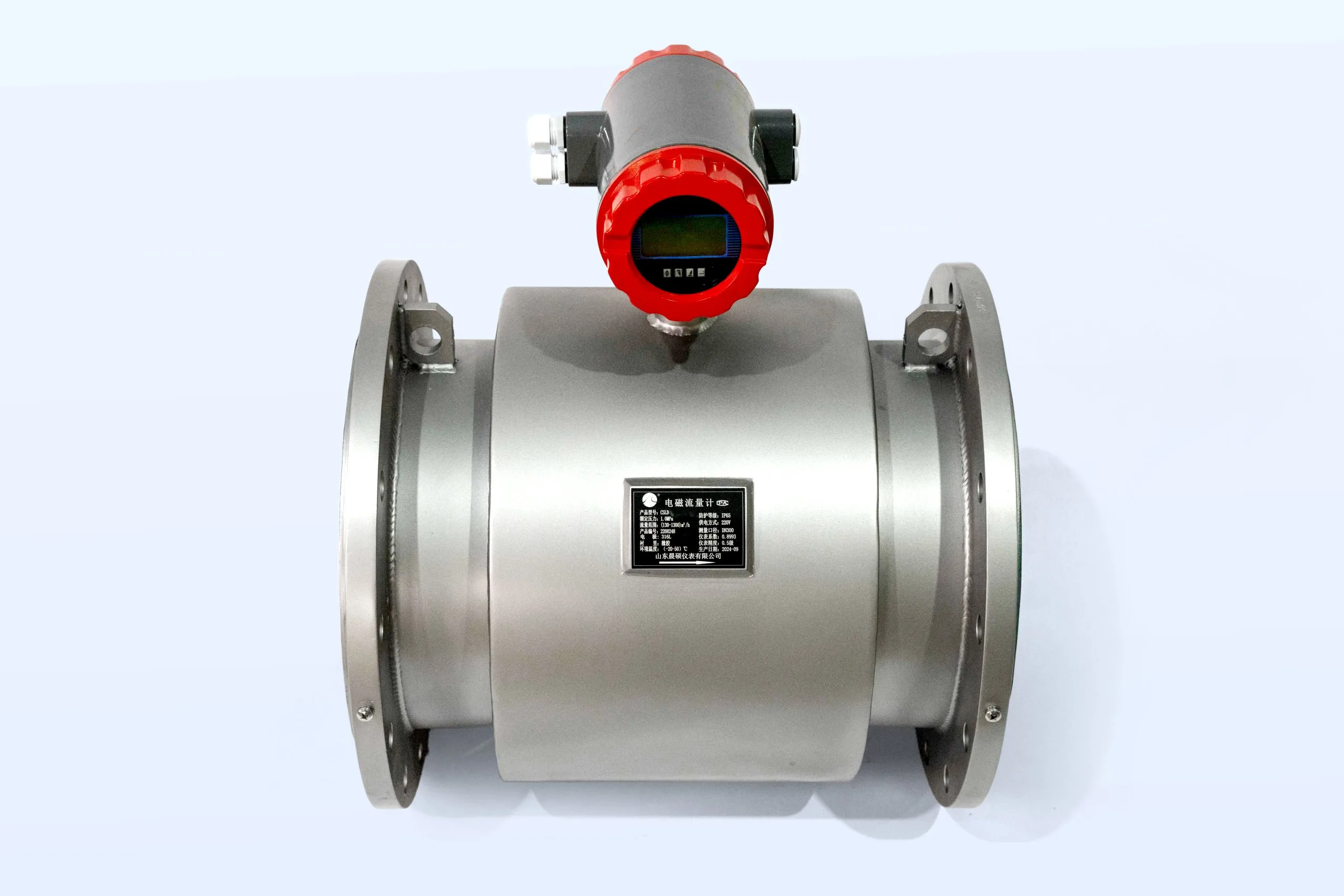
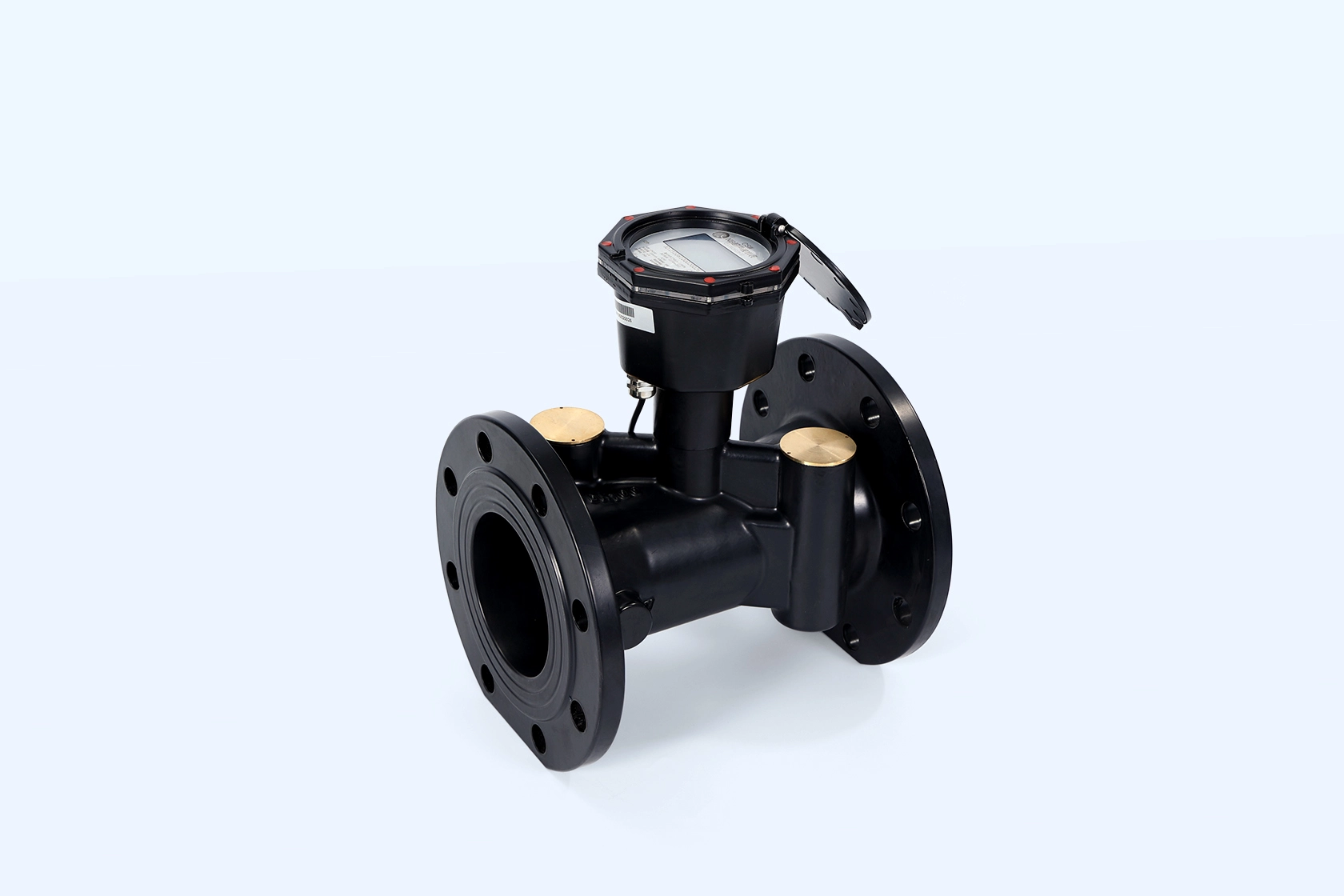
    Small types with bolt fittings allow quick setups without extra holds. The build of types like the DN300 electromagnetic flowmeter offers choices. It works in far or close forms.

    DN300 electromagnetic flowmeter

    Maintenance Requirements Influence Lifecycle Costs

    Upkeep-light meters cut service times and full ownership costs. Mag meters do great in city and factory uses. They are top picks for checking conducting liquids like water or slurry.

    Why Chen Shuo is a Trusted Partner for Precision Flow Measurement Solutions

    Choosing a good supplier adds trust past the item. Chen Shuo’s range covers many strong options made for varied fields.

    Comprehensive Product Range Meets Diverse Industry Needs

    Chenshuo’s tools give exact, live data for better output, savings, and rule-keeping in business spots. Their electromagnetic flowmeters go from DN50 to DN3000 sizes. They suit uses from DMA billing to slurry checks.

    Proven Quality and Advanced Manufacturing Capabilities Ensure Reliability

    Each smart water meter and metering system gets nods from ISO 9001 and other key groups. The DN100 model shows this strength in heavy factory tasks.

    Strong Technical Support and Global Service Back Up Every Purchase

    With over 10 years in the field and buyers in 50+ countries, Chen은 S후오 gives quick help, which covers talks to post-sale care.

    FAQ는

    Q1: What types of fluids are suitable for electromagnetic flow meters?
    A: Only conductive liquids with conductivity ≥5 μS/cm are suitable. These include water-based solutions like slurry, wastewater, acids, and alkalis.

    Q2: Can electromagnetic flow meters be used in high-temperature environments?
    A: Yes. Models with PTFE liners support temperatures up to +180°C depending on specification.

    Q3: Do electromagnetic meters require straight pipe runs?
    A: Yes. Straight pipe lengths upstream and downstream help stabilize flow profiles for accurate readings.

    Q4: How often do electromagnetic meters need calibration?
    A: Due to their non-mechanical design, they typically maintain accuracy over long periods without frequent recalibration.

    Q5: Are these meters compatible with digital control systems?
    A: Yes. They support analog (4–20 mA) and digital (HART, MODBUS RS485) outputs for seamless SCADA/PLC integration.