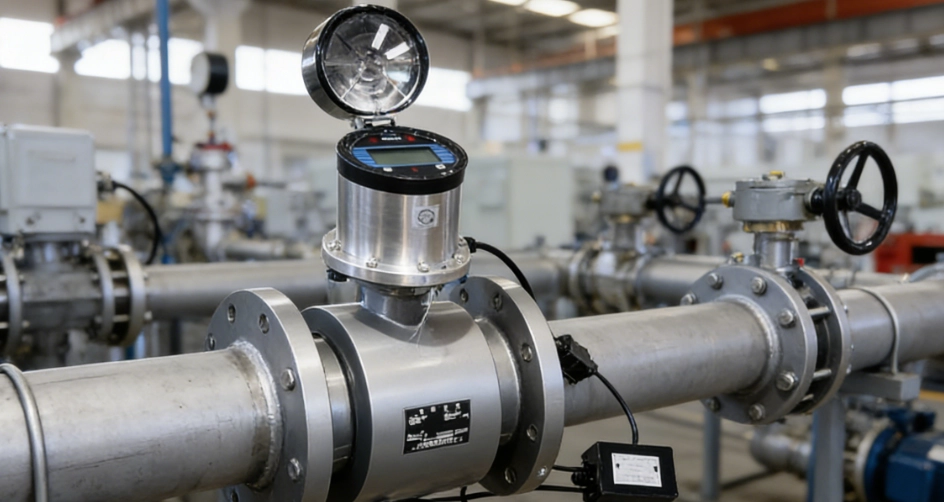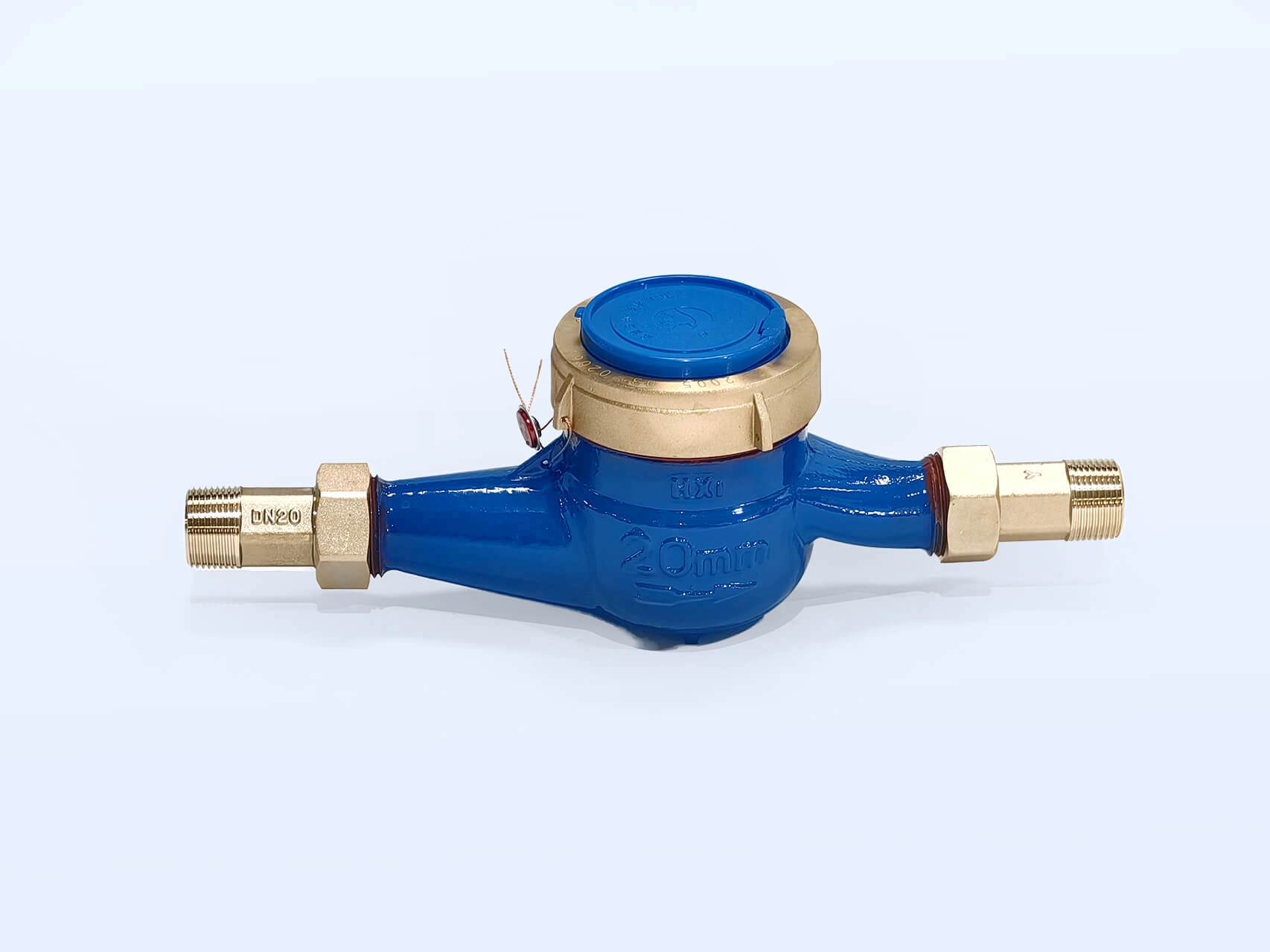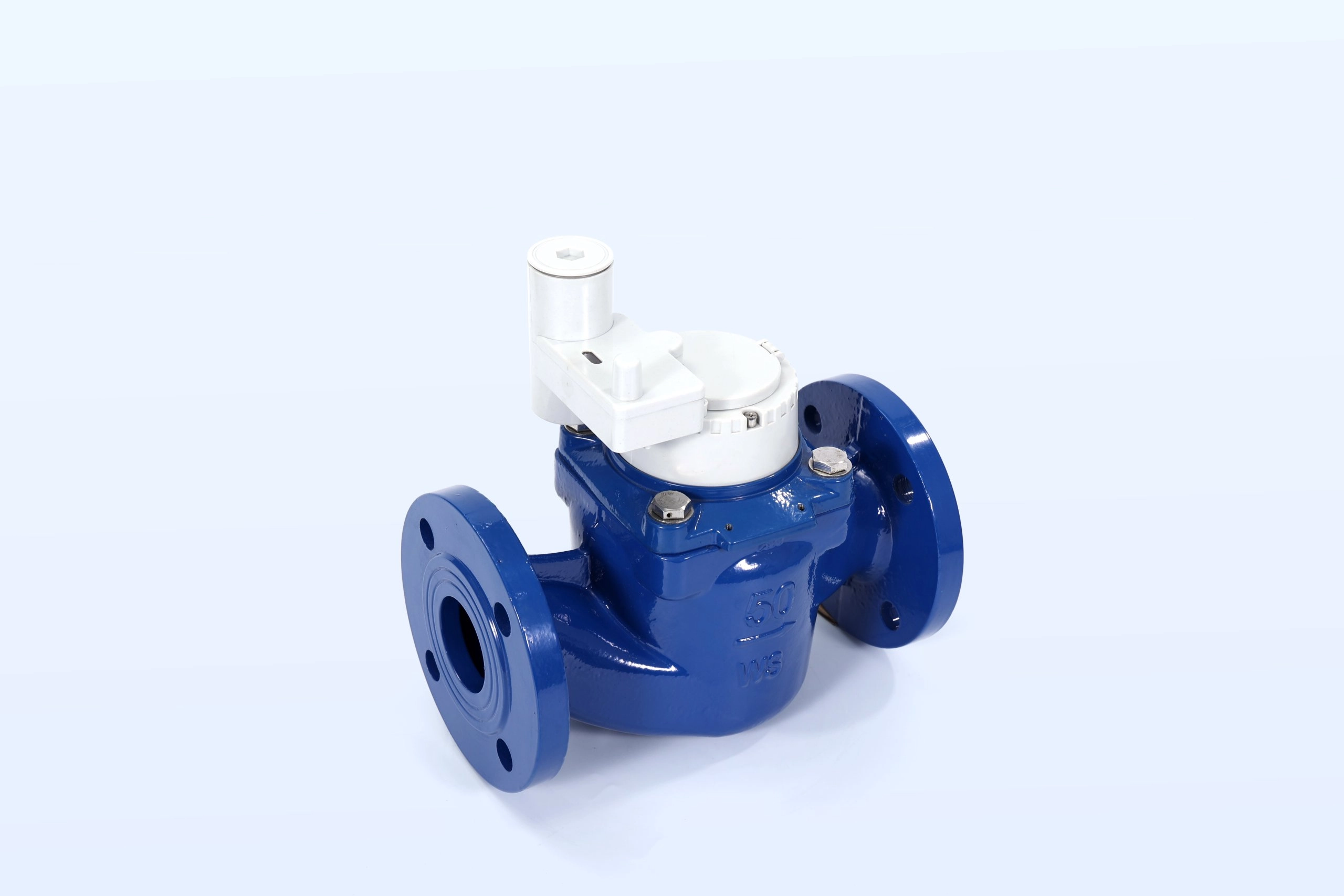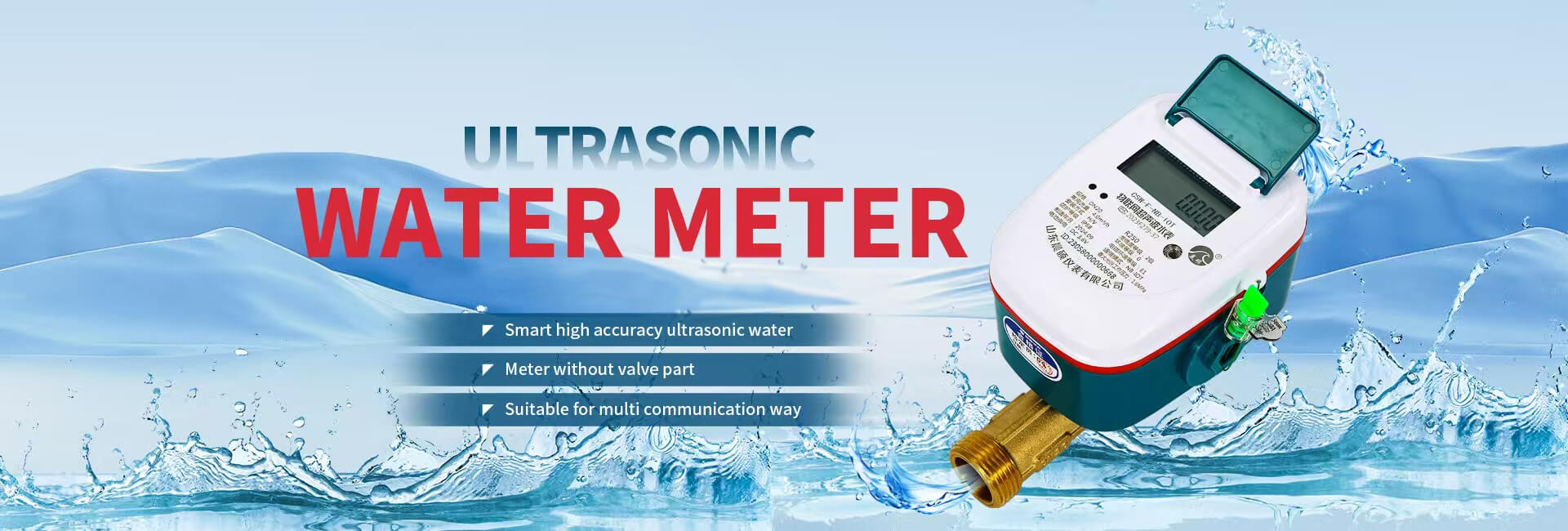


Ultrasonic water meters play a key role in today’s fluid measurement setups. Their non-intrusive style and digital exactness make them reliable. They work by checking how ultrasonic waves travel through water. This method avoids mechanical wear and tear. Still, even top-notch tech runs into hurdles that can affect how precise they are.
If you want high-precision options, チェンシュオ shines as a solid smart metering supplier from Shandong, China. The company operates up-to-date factories. These places have automated production lines. They also carry out thorough quality controls at each stage. Chenshuo’s lineup covers ultrasonic, electromagnetic, and LoRaWAN water meters for industrial, municipal, and home uses. With sales in over 50 countries and built-in IoT tools for live monitoring, Chenshuo’s smart metering systems blend fresh ideas with solid performance. For tech advice or custom setups, reach out to their specialists. Or check out practical examples in their ケースセンター. In my view, their focus on real-world fixes sets them apart a bit.
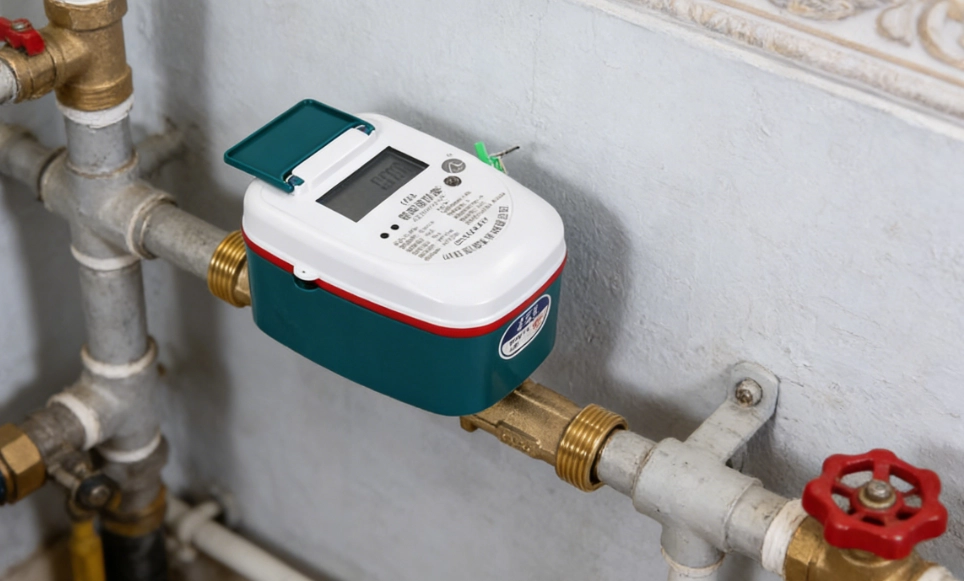
Getting accurate readings relies on good meter build and steady surroundings. Ultrasonic sensors pick up on various outside factors. These can mess with results if you don’t handle them right.
Temperature shifts directly change the speed of ultrasonic signals. This tweaks the time-of-flight math. So, when water heats up or cools down quickly, the wave speed varies a little. That leads to small but important changes in measurements. Pipe materials and their inside state count too. A rusty or buildup-covered surface scatters sound waves in uneven ways. Vibrations from close-by pumps or big machines add background racket. This muddles the signal sharpness. For Doppler meters, they gauge sound frequency bounces from moving bits. Without any bits in the water, the meter struggles for a true read. The same idea holds for transit-time meters. Outside sound noise can warp the timing signals. In one factory setup I recall, nearby equipment vibrations cut accuracy by up to 3% until they added dampers.
Steady calibration matches your meter to standard benchmarks. Ultrasonic types skip moving pieces, yet you still need checks now and then to keep things steady over long runs. Sensor setup is key too. Off-kilter transducers create uneven signal routes. This results in off readings. Wear builds up bit by bit from heat swings or mineral buildup on sensor surfaces. If you skip routine upkeep plans, problems might hide until they show up in bills or control processes. For instance, in municipal lines, skipping checks every two years often leads to 1-2% drifts, based on field reports.
Good setup often gets overlooked, but it matters a lot for precision. Sensors need a pipe that’s fully full of water. This prevents air pockets that scatter sound waves. It’s like how bubbles in pipes can ruin readings in electromagnetic flow meters. Placement counts as well. Horizontal setups usually give steadier results than vertical ones, especially with changing flows. Sticking to maker rules on straight pipe runs before and after the meter helps even out flow patterns. In residential installs, ignoring upstream pipe length has caused over 5% errors in low-flow tests.
Today’s ultrasonic meters lean on smart electronics more than pure mechanical accuracy. The inner setup decides how well they cope with everyday ups and downs.
Digital signal processing boosts sharpness by weeding out noise from real signals. It uses adaptive filters that tweak themselves to flow changes. This helps a lot during pressure jumps or short bursts of rough flow in factory pipes. Noise-cutting methods spot good echoes versus fake bounces from nearby fittings or turns. Thanks to this, gear like the 超音波水メーター-DN80 holds ±1–2% accuracy amid varying setups. Interestingly, in high-traffic urban lines, these filters have proven vital during peak hours when flows spike suddenly.
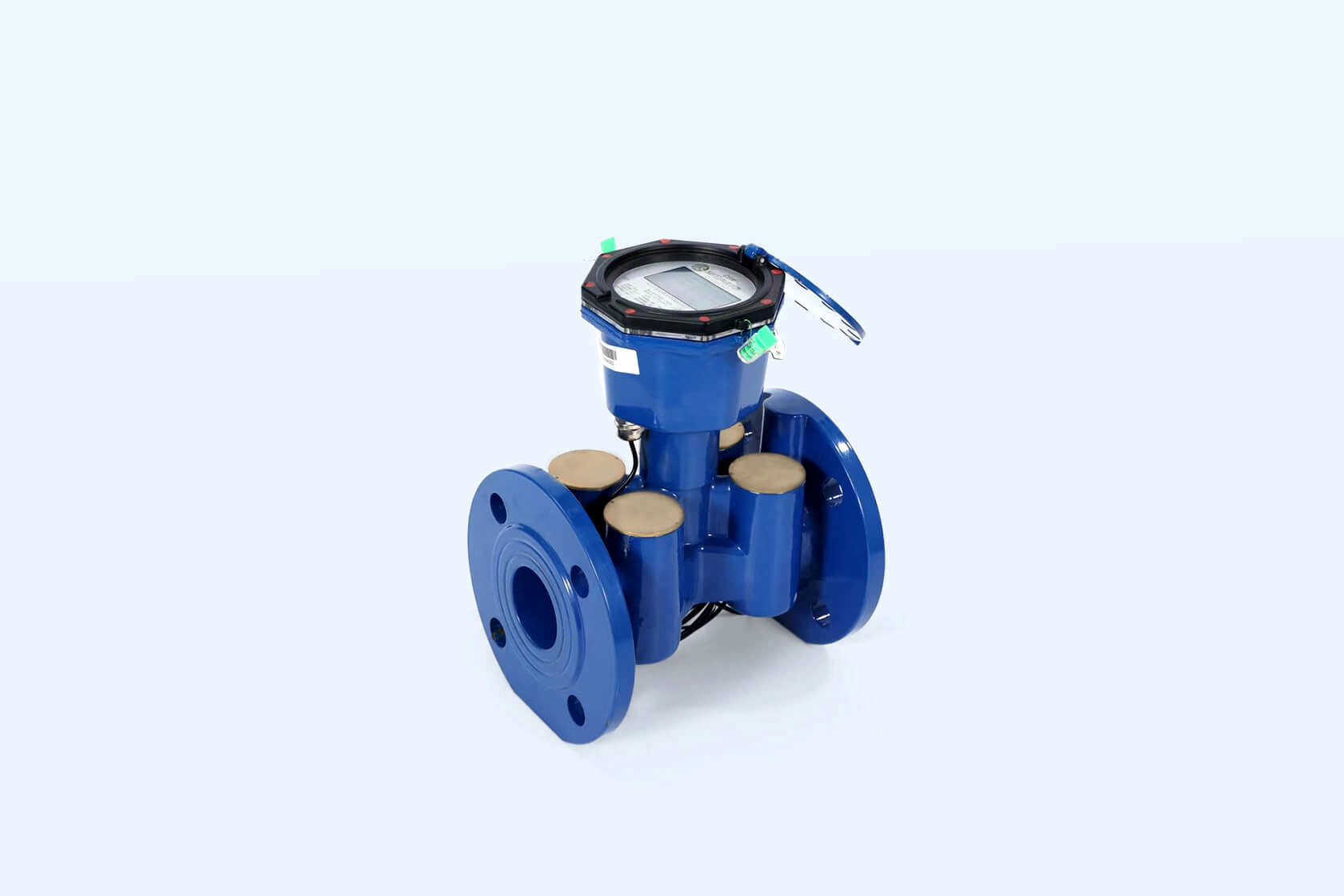
Strength starts with materials that fight rust and heat strain. At Chenshuo, they stick to top materials like green brass, sturdy plastics, and parts that resist corrosion well. Such builds cut down on shifts over time. A strong outer case also guards electronics from water leaks. Many units have IP68 rating for underwater work. That’s crucial in buried spots where floods might hit. From experience in coastal areas, these materials hold up better against salty air than cheaper ones.
Linking up turns basic tools into active oversight aids. IoT ties let you do remote checks and ongoing data sends for upkeep forecasts. When you connect ultrasonic meters to main screens, workers spot odd usage or leaks early. No need for hands-on looks. The 超音波水メーター-DN32 handles cloud data storage and far-off reads. This eases watching big networks. In one city project, this setup cut leak detection time from days to hours.
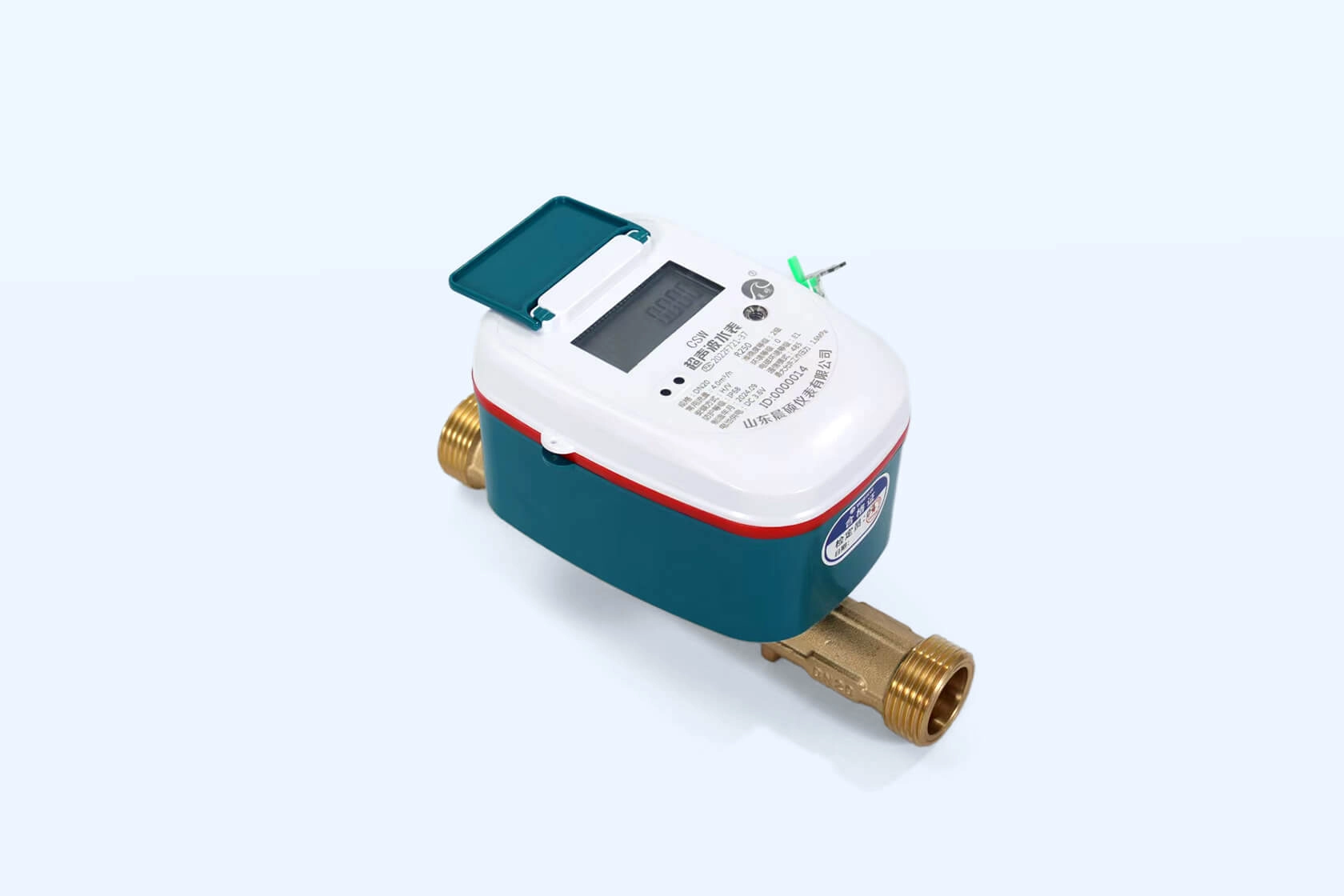
Water movement in pipes isn’t always even. Grasping these shifts aids in making sense of readings better.
Smooth laminar flow gives steady numbers since speed spreads predictably over the pipe’s width. Rough turbulent flow brings swirls that twist average speed figures. Unless multi-path sensors fix it, like in four-channel DN80 models. Quick speed shifts from valve turns or pump kicks briefly upset the balance in up and down signals. Things settle once flow steadies. In irrigation systems, turbulent spots near bends have dropped accuracy to 4% without compensation.
Heat changes water thickness and sound speed. Pressure swings tweak these more by squeezing water bits under heavy push. Tough spots might call for firmware tweaks to keep precision at ±2%. For example, in hot industrial loops reaching 60°C, built-in adjustments prevent drifts beyond 1.5%.
Floating bits or bubbles block wave passage, much like junk messes with Doppler sensor bounces. Water makeup plays a part too. High salt levels shift sound resistance a touch, but it’s noticeable in ongoing watches. Keeping lines clear boosts sensor life and tightens repeat reads over runs. In wastewater trials, fine sand has cut signals by 2%, but regular flushes fixed it.
Picking models hinges on job size, flow span, and site limits, not just cost.
For factory loops or big city mains, DN80 units offer broad range ratios up to 400:1 with tiny pressure drops under 0.05 MPa. Smaller jobs like home areas suit DN32 models. They match accuracy in small packages for cramped spots. Both hit Class 2 precision at ±2%, but vary in flow handling. Right sizing is key for best work. In a recent municipal rollout, DN32s handled 90% of household needs without issues.
Upfront costs might top mechanical ones, but running savings come from no pressure loss and no part swaps every few years. Power use drops since sensors cause no flow drag in steady runs. Upkeep stays cheap with sealed electronics at IP68 for dust and wet exposure. Over 10 years, this often saves 20-30% versus older types.
Site notes show steady work over 15-year spans if set up right. Folks like the far-off read features tied to smart city setups for wider resource tracking. Input like this pushes firmware tweaks for self-adjusting calibration in new releases. One user in Europe noted fewer service calls after an update.
Your supplier choice affects product quality and ongoing help through project spans.
Chenshuo Instrument focuses on customer and market needs. They supply a broad set of flexible, tech-forward, and dependable items plus full solutions. Their research-led style matches IoT growth. They hold CE and ISO 4064 standards for global fit. This mix keeps things reliable across borders.
From setup tips to far-off fix help, tech staff stay reachable by phone or email on their contact page. Long warranties build trust in years-long projects where steady run matters. In tough installs, their quick response has saved downtime in several cases.
Shandong Chen Shuo Instrument Co., Ltd displayed various fresh products and fixes. This drew notice from many experts, buyers, and partners. Such nods highlight steady output in fields from city utilities to factory automation needing spot-on non-invasive metering. Their global installs top thousands now.
Q1: How does an ultrasonic water meter measure flow?
A: It figures flow rate by checking the time gap of ultrasonic waves going up versus down in water-filled pipes.
Q2: What affects its accuracy most?
A: Heat changes, bad setup with air traps, off transducers, or big vibrations nearby all hit precision.
Q3: How often should calibration be performed?
A: In steady spots, every few years works. But hot or shifting-pressure systems gain from yearly checks.
Q4: Can it handle dirty water?
A: Yes, to a point. Units like DN80 have clog-proof builds for irrigation with small bits, not thick muck.
Q5: What lifespan should be expected?
A: No moving parts and rust-proof builds at IP68 for wet spots mean over 15 years in normal use.
 住所:Xiao'anzi Industrial Park、Baishabu Town、Lanshan District、Linyi City、Shandong州
 今すぐお電話ください:+86 15562945993
 メール: ivy@sdchenshuo.cn


Shandong Chenshuo Instrument Co.、Ltd。