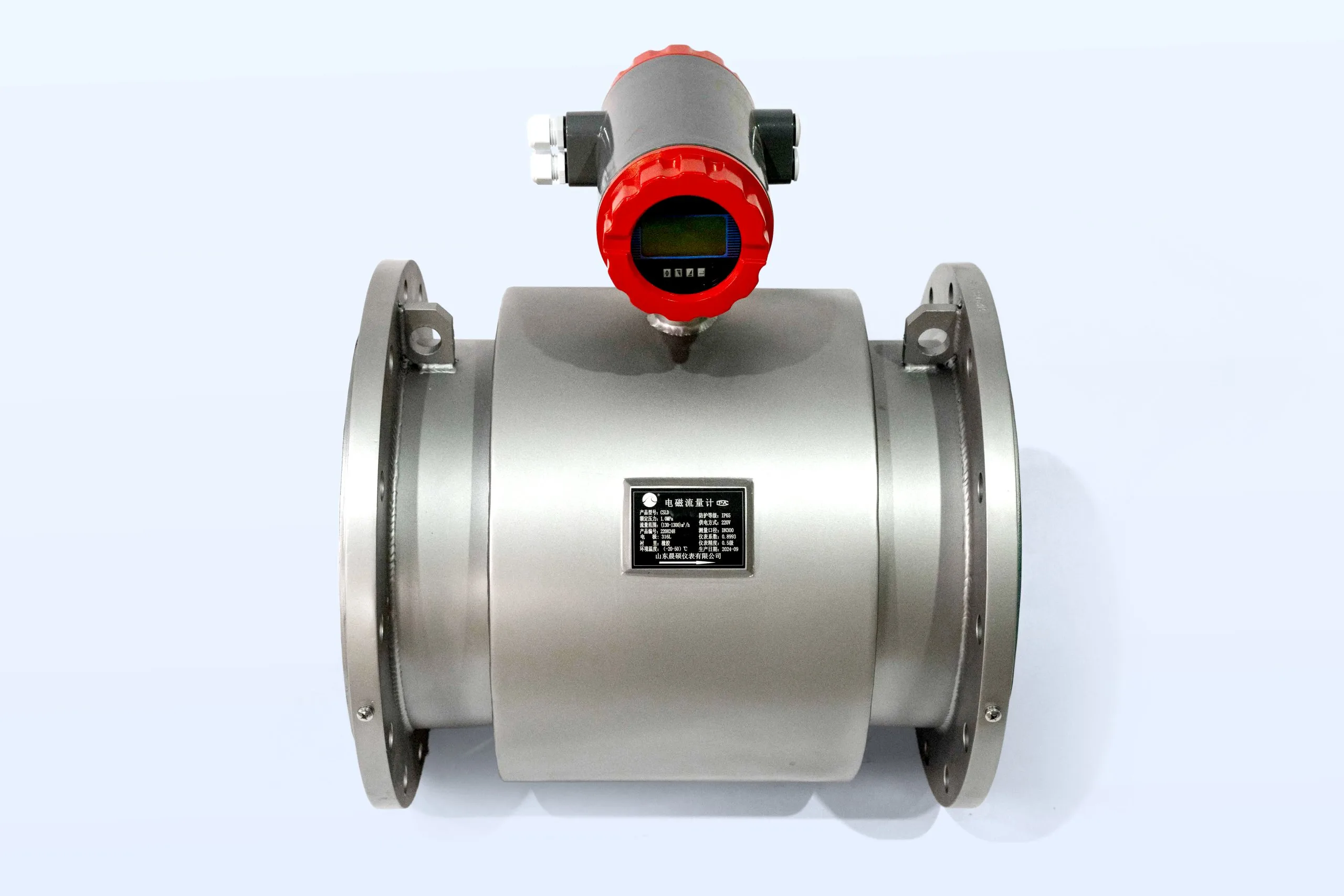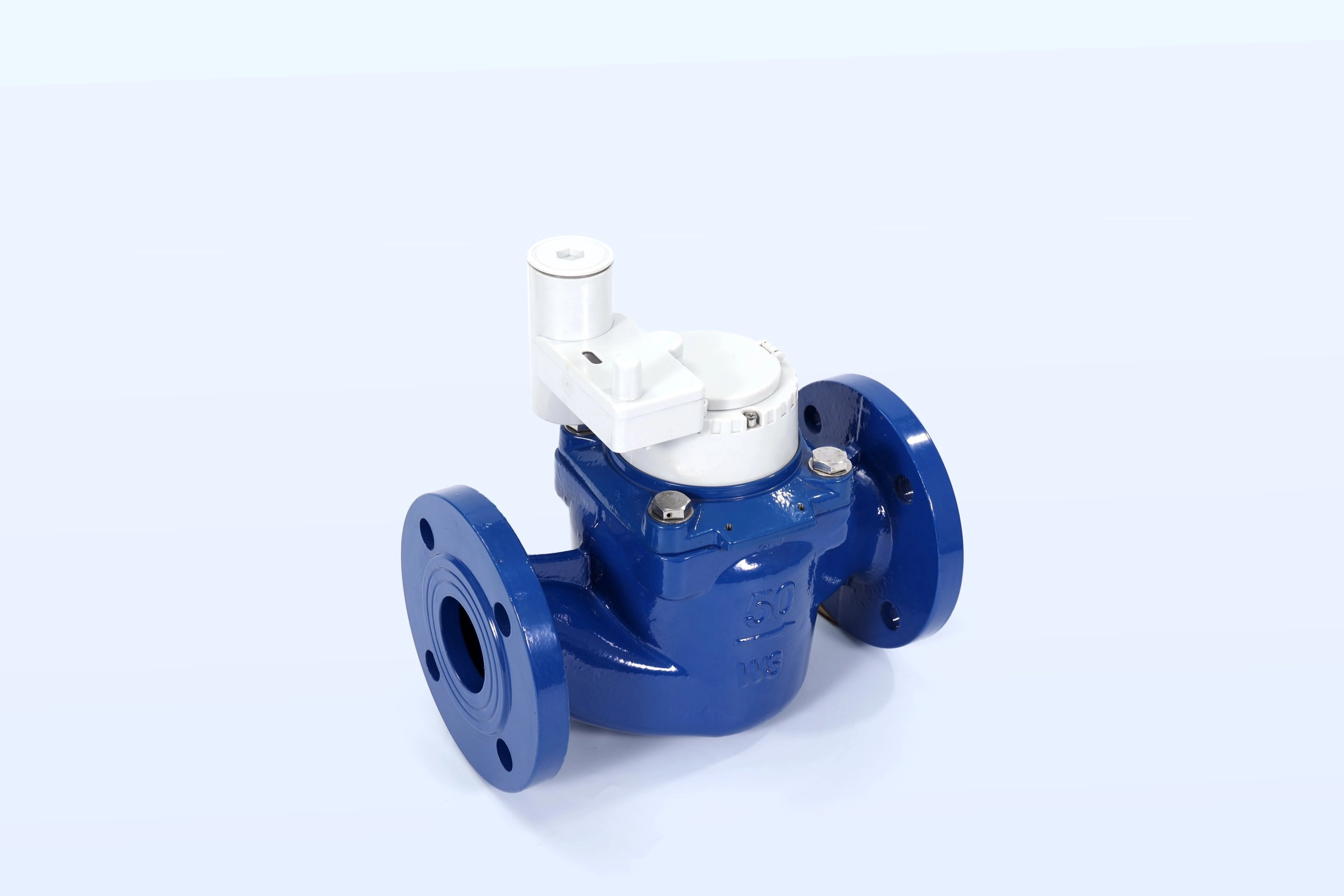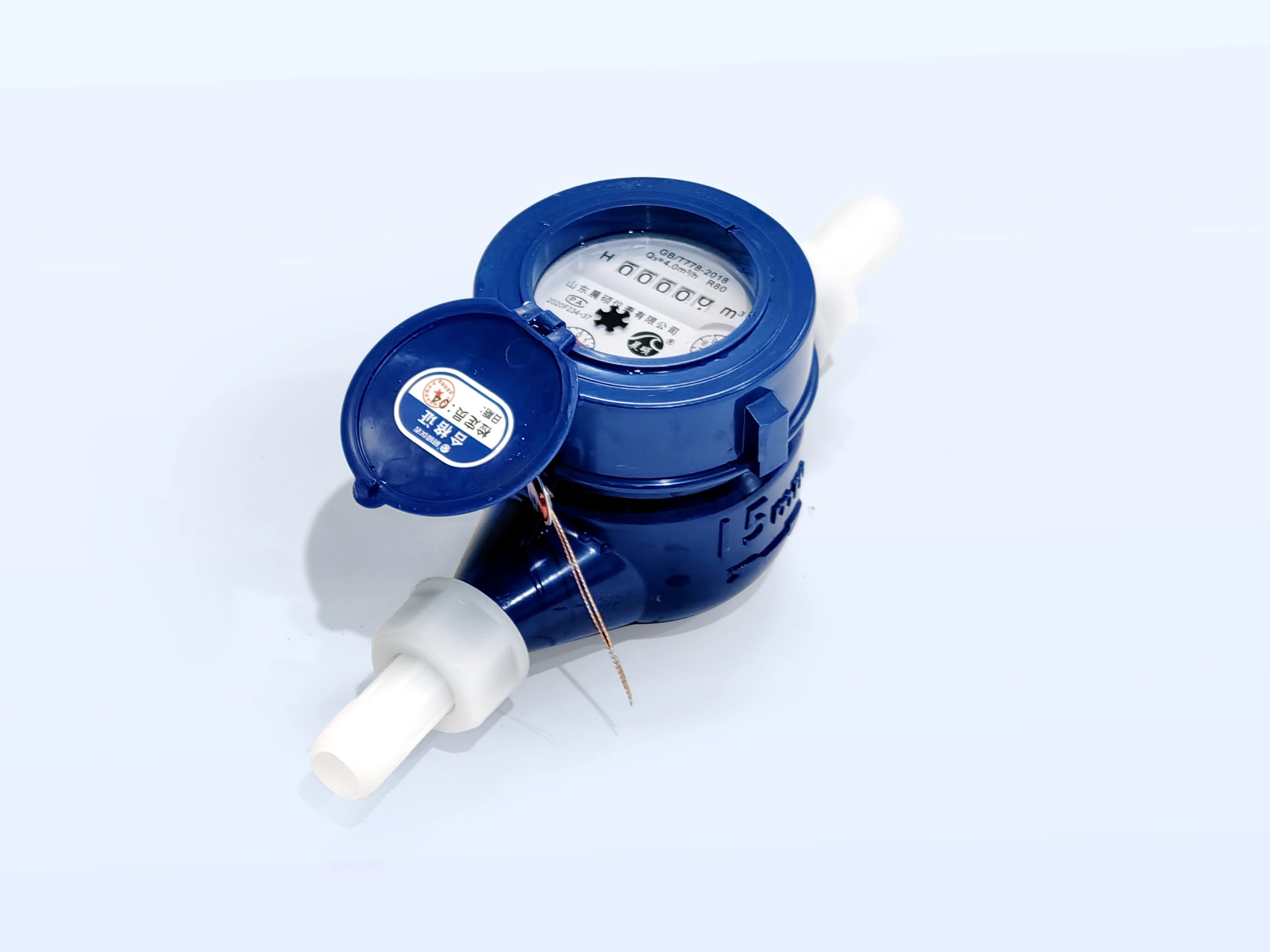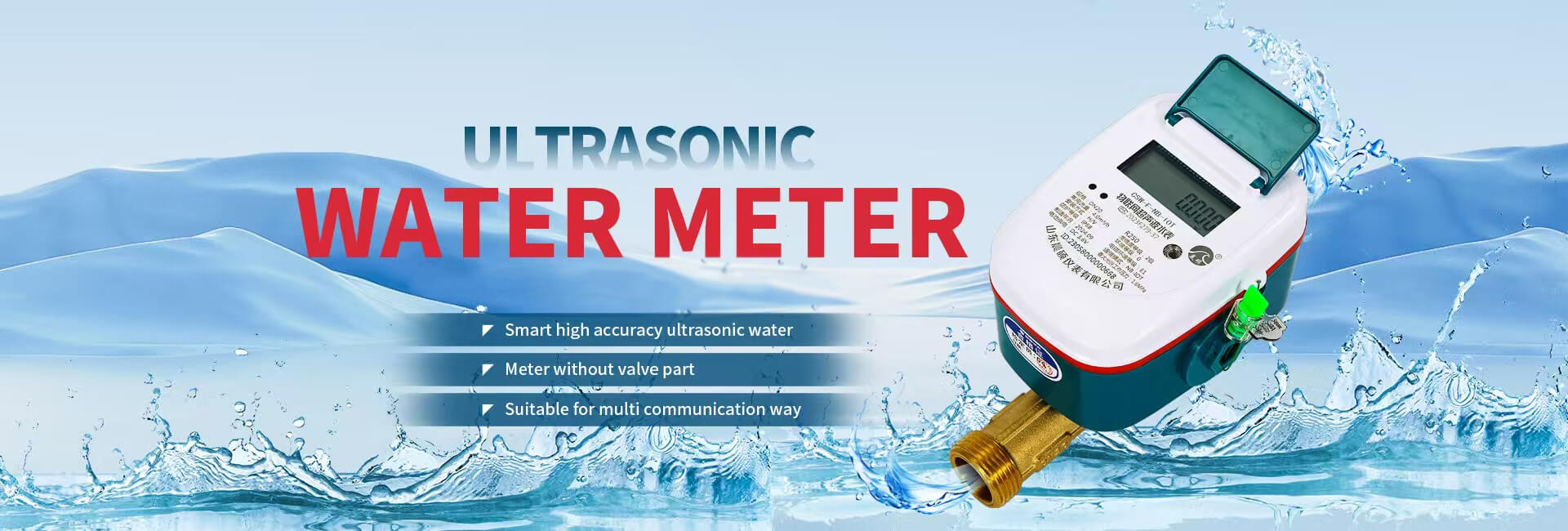


The world of water handling is seeing a big change right now. As we move into 2026, the need for exact measures, saving supplies, and smooth work has grown a lot. If you manage water services, build places, or run factory setups, you face a key choice. Should you keep using the usual mechanical water meter? Or is it time to switch to ultrasonic methods? This decision affects your daily tasks. It shapes how you handle costs. Teams look for tools that fit long term. The shift brings new ways to track flows. You gain better control over resources. This helps meet growing demands. Let us explore the options in detail to see what works best.
For many years, mechanical meters held the main spot in the field. They did their job when water cost little and info needs stayed basic. But today’s world asks for better tools. Problems like old pipes and higher costs from lost water (NRW) show that basic setups no longer cut it for your money goals. This is where チェンsホー steps in to help. They supply the parts needed to link old steady work with new digital exactness. The company focuses on real needs. Their tools bridge gaps well. You get reliable gear for modern use. This mix supports your operations fully. Teams benefit from the change. It cuts down on waste. Now, think about why this matters for your site.
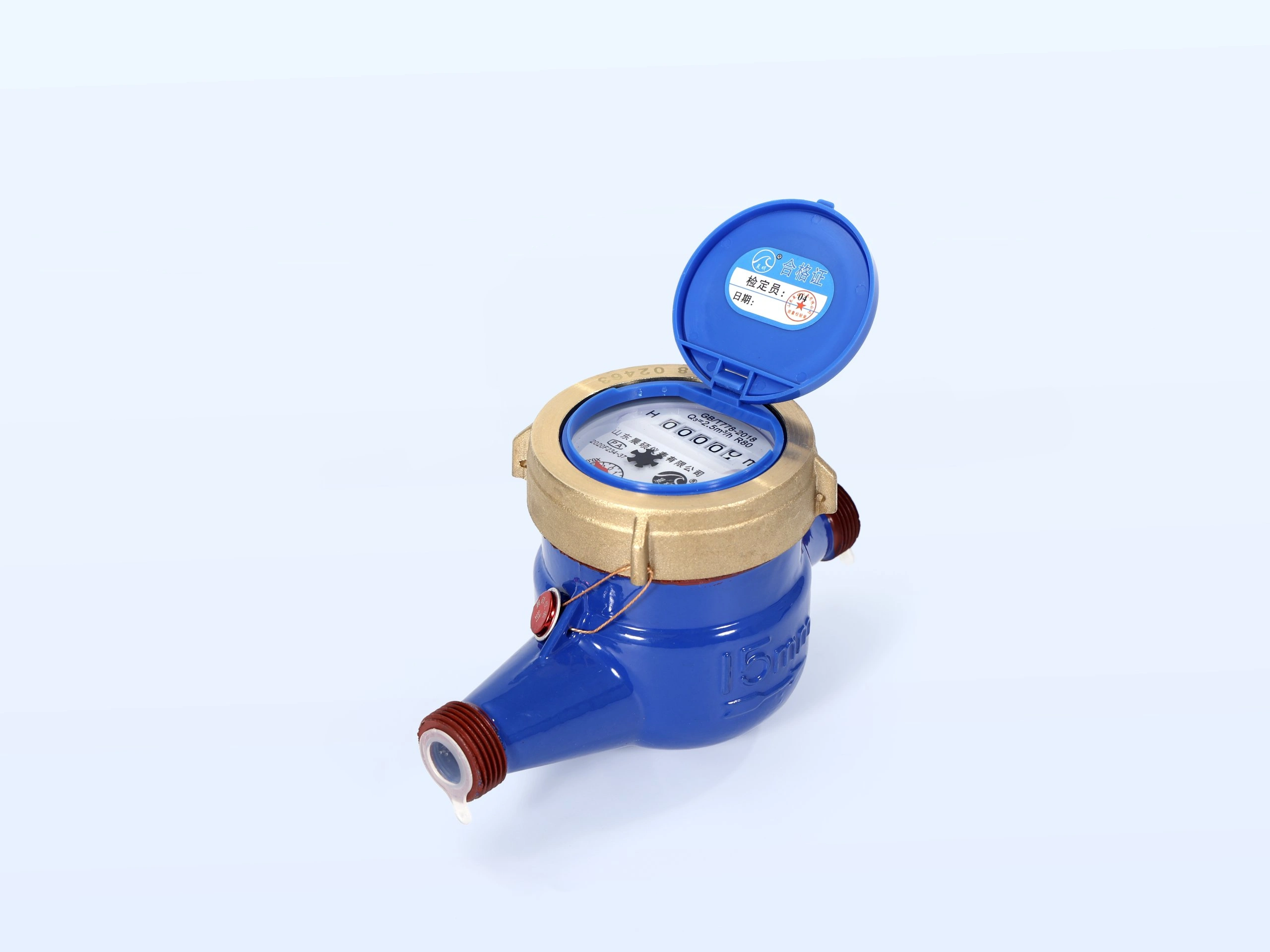
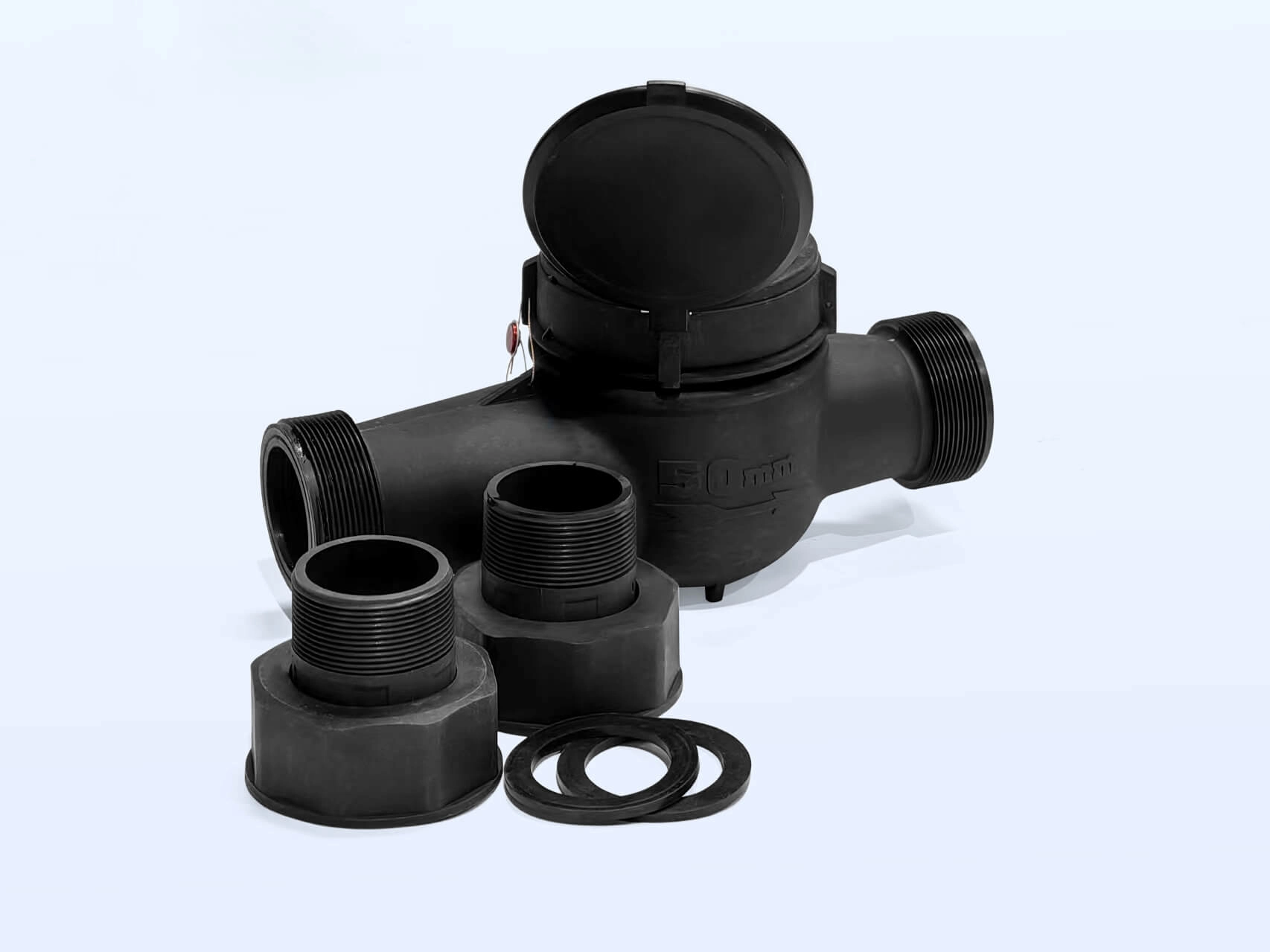
You likely see that old mechanical meters start to weaken soon after you put them in. These tools depend on real moves, like wheels or blocks that turn when water goes by. The idea seems easy. But in practice, it brings issues. As time passes, the steady rub wears out these parts. When the pieces break down, the meter reads less than the true amount of water. This happens slowly at first. Then it grows. You notice bills drop without reason. Teams check but find no clear fix. The wear affects all units over time. This leads to bigger money losses. Now, consider how to avoid this in your setup.
Past the wear, there is the ongoing problem of missed water counts. Mechanical meters need a certain speed to start. So, if a small leak happens or a tap drips a bit, the parts may not turn at all. For a big water service, these small misses add up to lots of lost money each year. Also, bits of dirt or grit in the pipes can harm mechanical meters. This causes blocks and costly hand fixes often. The clogs stop flows. Repairs take time and tools. Workers spend days on sites. This pulls from other tasks. The full cost hits hard. You seek ways to cut these troubles. Better tools can change that.
To fix these constant issues, you need a fix that cuts the weak spots in how you measure. By changing from mechanical turns to sound wave exactness, Chenshuo gives a clear path to steady your charges and lower your fix work. The shift brings steady reads. Bills match true use. Teams handle less breakdowns. The setup runs smooth. You save on parts and time. This builds a strong base for growth. Users trust the system more. The change pays back quick.
Ultrasonic water meters mark the top of current flow checks. They skip the turning wheel. Instead, they use sets of senders to push sound waves through the water. By timing how long the waves take to go with the flow or against it, the tool figures the speed with great care. This method works on clear math. No parts touch. The waves move free. This gives true data every time. Teams use it for all sizes. The tech fits new builds and old ones. It handles changes well. Now, see the main gains it brings.
The biggest win you get is no moving pieces at all. Since nothing turns or rubs, there is no rub wear. This gives two key upsides for your work: a very long use time and no drop in exactness as years go. A mechanical meter may need new parts or checks every few years to keep true. But an ultrasonic one stays sharp in year ten like it did at the start. The steady work saves money. No surprise fixes. Teams plan ahead easy. The full life matches your goals. This cuts long term costs. You focus on main tasks. The benefit shows in reports.
In 2026, info holds worth like the water does. New ultrasonic tools fit the digital time. They link easy to smart city links. When you pick an ultrasonic fix, you do more than get a meter. You add a data spot that helps find leaks, watch high use times, and improve your whole pipe net from a far screen. The links send info fast. You see patterns clear. Actions come quick. This boosts full control. Teams act on facts. Users get better service. The net grows stronger. Data turns to smart choices.
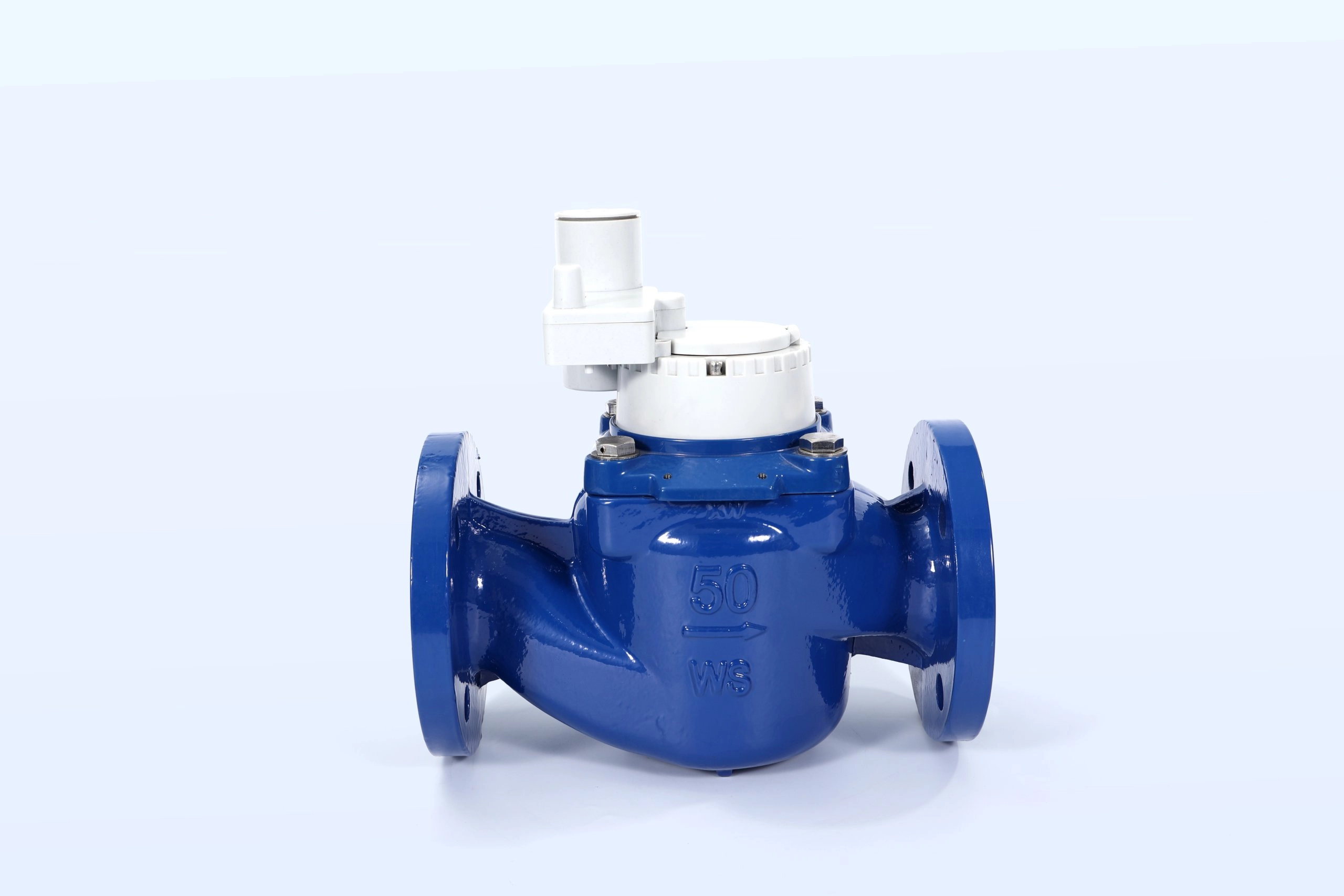
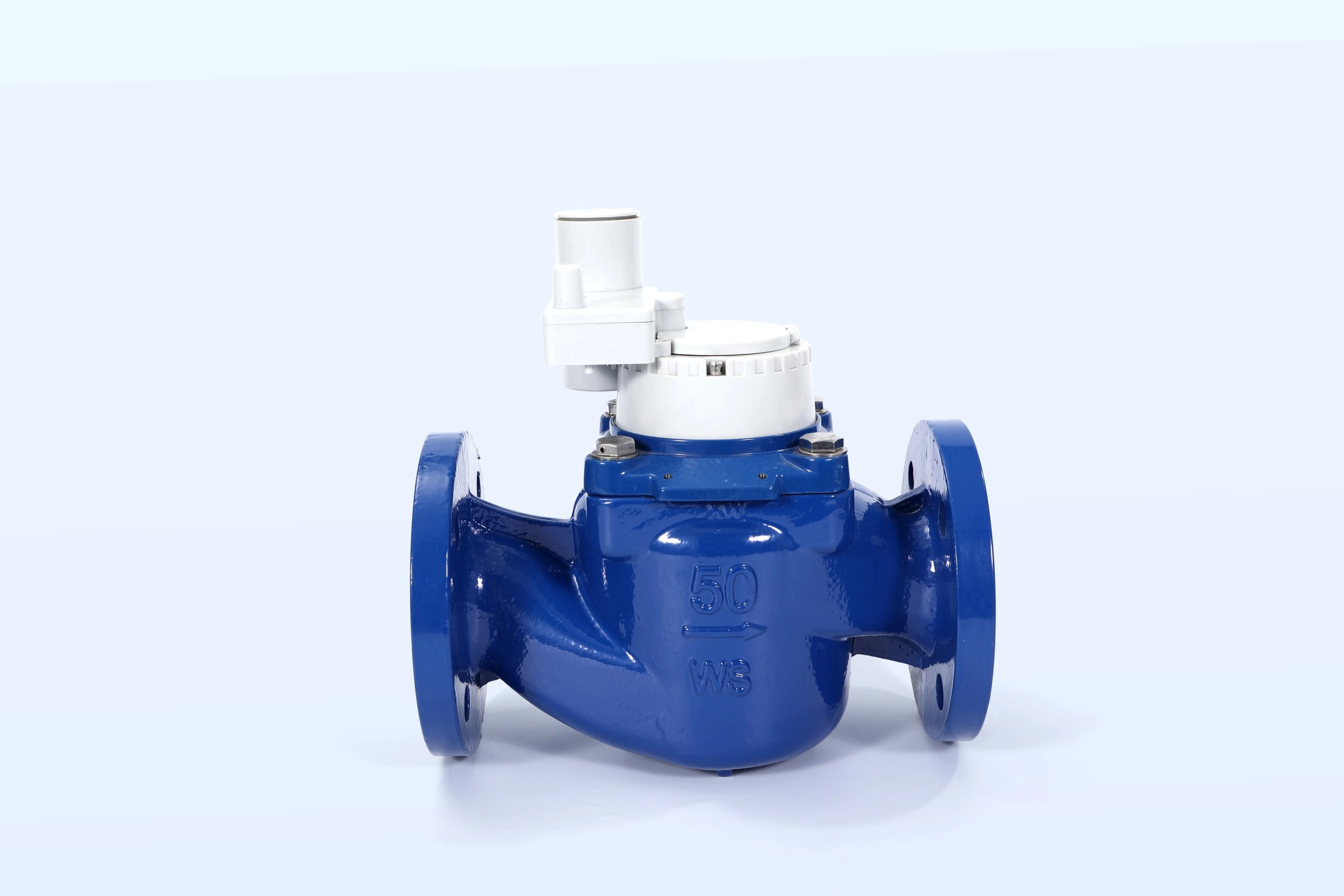
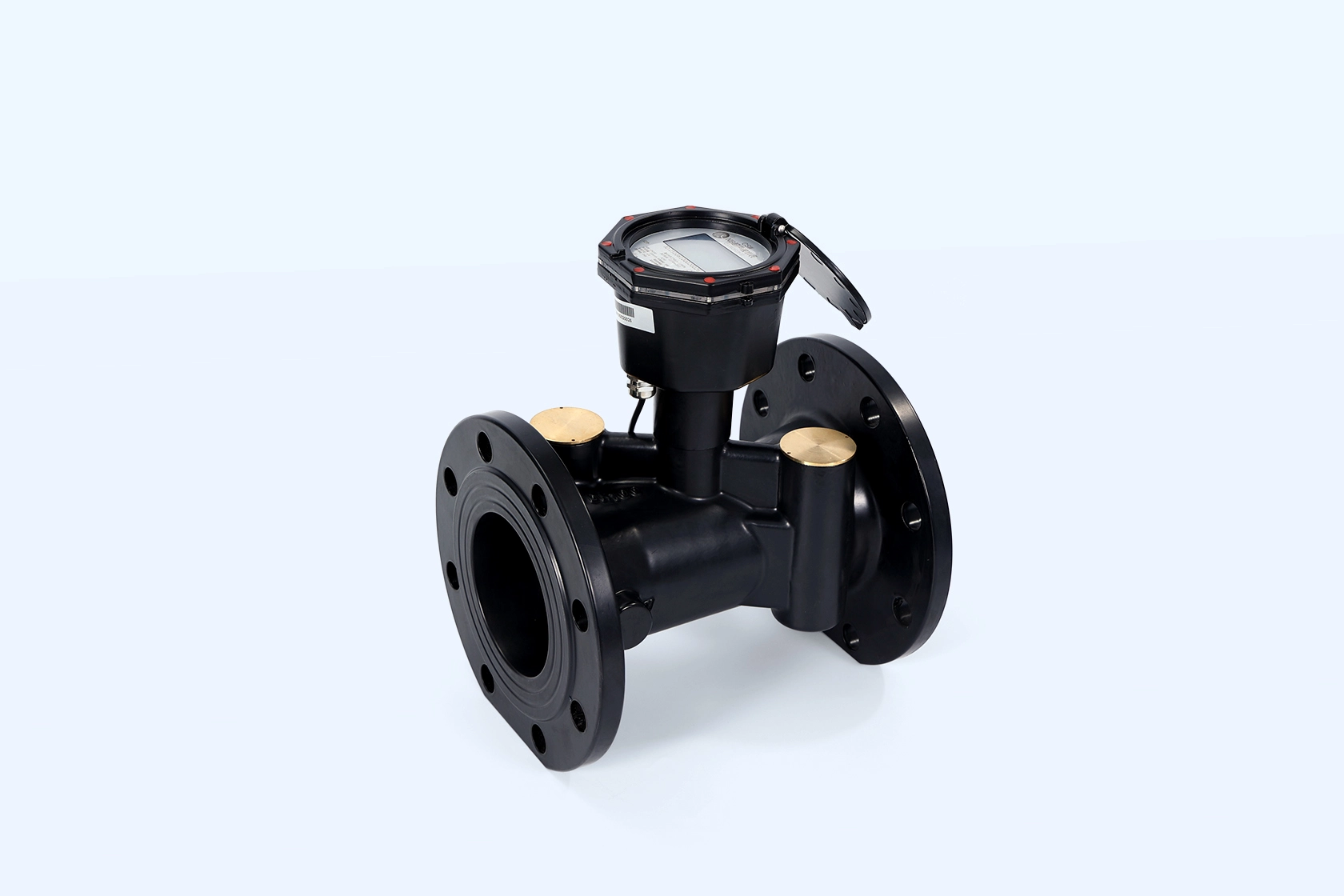
When you handle main water pipes or factory sites, the risks grow bigger. A break in a wide pipe can cause huge water loss. That is why picking the right size for your setup matters a lot. For those running city or business nets, the 超音波水メーター-DN100 works as a solid pick. This model takes big flows with the care and sharpness often seen in small home units. The build handles tough spots. Flows stay true. No big drops. Teams trust the reads. This fits wide nets well.
The DN100 model comes made to face hard factory settings. It has a broad range for speeds. This lets it check big rushes at busy times and small flows at night right. By using this tech level, you end the no-read spots common in big mechanical group meters. You get a full, steady look at your water use. Every bit gets noted and charged true. The range covers all. No misses in data. Bills run fair. Teams spot issues fast. This saves on waste. The view helps plan better. Long run, it boosts health.
As you check your net, think of how cutting fix times helps. With no wheels to stick and no teeth to wear, your group spends less out fixing bad units. They do more on key net improvements. Switching to this tech is not just a gear update. It is a smart step for your group’s money strength. The time saves add up. Workers stay safe. Plans run on track. The move brings clear wins. You see changes in work flow. The full gain ties to goals.
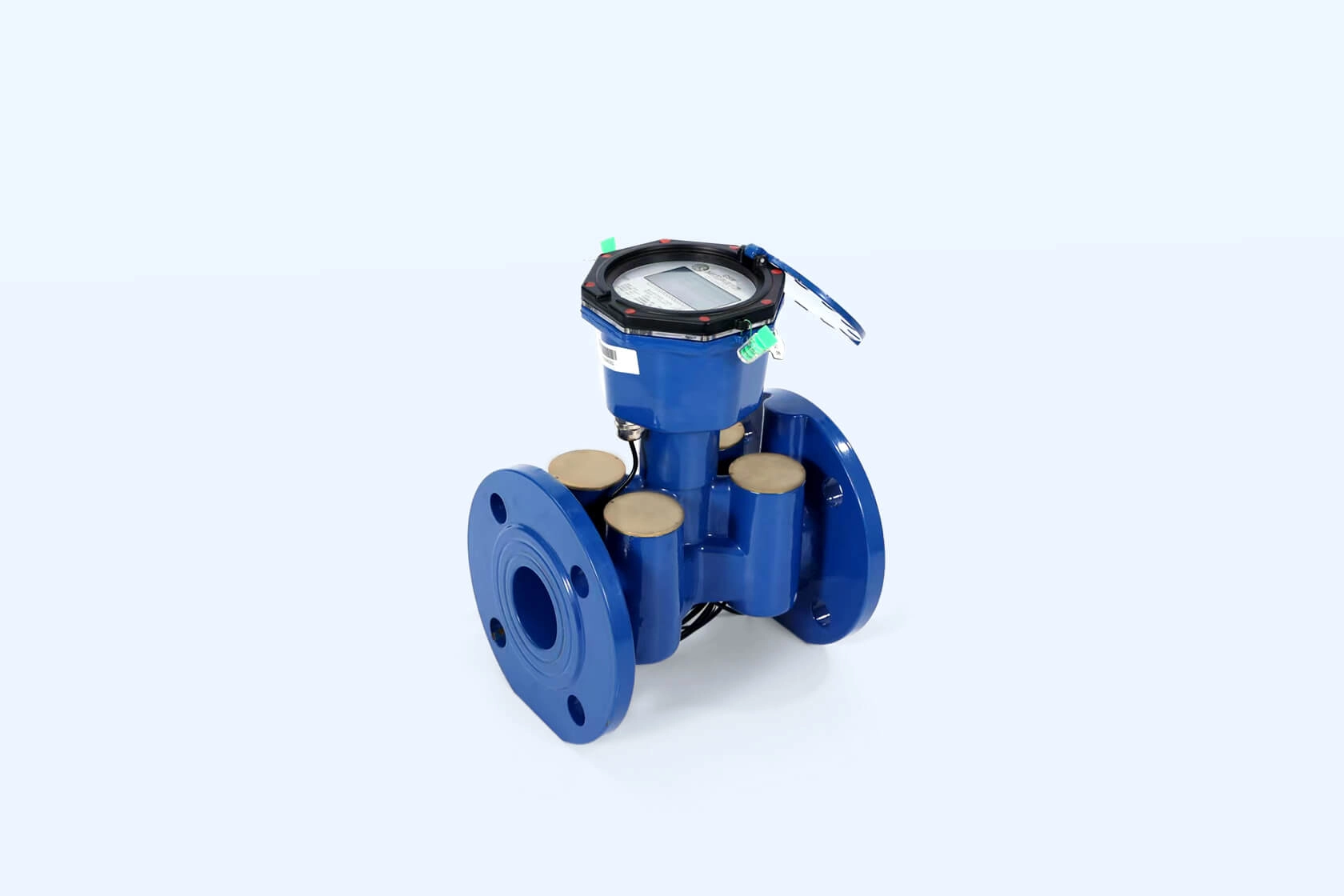
Big mains matter a lot. But medium pipes, seen in flats or small factories, need a mix of strong hold and high catch. For these uses, the 超音波水メーター-DN80 often fits best. It gives the same advanced perks as bigger ones but sizes right for mid pipes. The scale matches needs. Flows read true. No over or under. Teams set up easy. This works for many spots. The benefits reach all levels.
One main worry you may hold is how well electric meters take weather hits. Chenshuo builds these with an IP68 water block rate. This seals the parts full and tight. The meter works fine even if water covers it in a wet hole. In old times, water in meant end for electric gear. Now, it causes no trouble. The seal holds strong. Storms pass no harm. Teams check less. The build lasts long. You gain peace on that. The rate meets high standards. Daily use shows it.
Also, these meters fix the air in pipe issue that bugs mechanical ones. Old meters turn on air pass, giving fake reads and user gripes. Ultrasonic ways spot the flow type better. They make sure charges come only for true water used. This clear way builds good ties between service and users. It matters for current providers. The spot keeps bills fair. No wrong counts. Users stay happy. Trust grows over time. The fix aids smooth runs.
If you check the full own cost, the case for ultrasonic tech stands clear. A mechanical meter costs less at first buy. But its hidden spends add up big. Think of worker pay for hand reads, gas for trucks to fix sites, and lost money from low reads. These pile over years. You pay more in the end. Teams lose time. The total hits profits. Now, see how ultrasonic changes that.
In other ways, the ultrasonic line from Chenshuo follows a put in and leave it view. With battery time over 10 years often, these give ten years of no worry work. No clean filters or oil parts. You move your spend from quick fixes to growth steps. The long hold cuts needs. No early changes. Plans stay set. The shift frees budget. You build on strengths. The view leads to wins.
In 2026, the world push for green ways means you answer for each drop. Ultrasonic meters serve best for leak finds (NRW cut). They catch very small flows. You spot tiny leaks before they grow to big breaks. This ahead look comes only when you leave old mechanical plans and take new sound builds. The catch works early. Fixes cost less. Water saves big. Teams act smart. The tool fits green goals. Long term, it helps all.
Picking the top water meter for 2026 boils to one point. Do you run your setup on guesses or true facts? Mechanical meters give an old way that fits less with a world of short water and digital smooth. They wear easy, miss low speeds, and need hand help often. The flaws show in use. Costs rise steady. Teams chase issues. This holds back growth. Now, turn to better choices.
Ultrasonic meters fix these spots with no fix needs, high true reads, and digital ties. If you eye the DN80 for mid uses or DN100 for heavy factory work, the switch to ultrasonic guards your setup for years. By teaming with a focused maker like Chenshuo, you keep your service money strong, green, and steady for ten years and more. The team guides well. Tools match needs. The path leads to success. You gain full control. The future looks solid.
A: Yes. Unlike mechanical meters that can jam or wear out when debris hits the moving internal parts, ultrasonic meters have a clear-bore design with no obstructions. The sound waves pass through the water regardless of small particulates, making them much more durable in real-world pipe conditions. The open path lets flows go free. Debris passes no block. Waves keep true. This holds in dirty lines. Teams see less breaks. The strong build pays off. Daily, it runs fine. No extra cleans needed.
A: These meters are designed for the modern “Internet of Things” (IoT) era. They typically support various communication protocols such as LoRaWAN, NB-IoT, and M-Bus. This allows you to receive automated readings and leak alerts directly to your office without sending a technician to the site. The sends work over nets. Info reaches fast. No hand trips. Bills update auto. Alerts spot issues quick. Teams stay in office. This cuts costs big. The link ties to your setup. Full control comes easy.
A: Most high-quality ultrasonic meters are built with high-capacity lithium batteries designed to last 10 to 15 years, covering the entire functional lifespan of the meter. While many are sealed for maximum waterproof protection (IP68), the long battery life ensures you do not have to worry about power issues during the meter’s service years. The hold covers full use. No mid swaps. Seal keeps water out. Power stays strong. Teams plan long. The life matches gear time. This saves on work. You focus on key parts. The steady run builds trust.
 住所:Xiao'anzi Industrial Park、Baishabu Town、Lanshan District、Linyi City、Shandong州
 今すぐお電話ください:+86 15562945993
 メール: ivy@sdchenshuo.cn


Shandong Chenshuo Instrument Co.、Ltd。