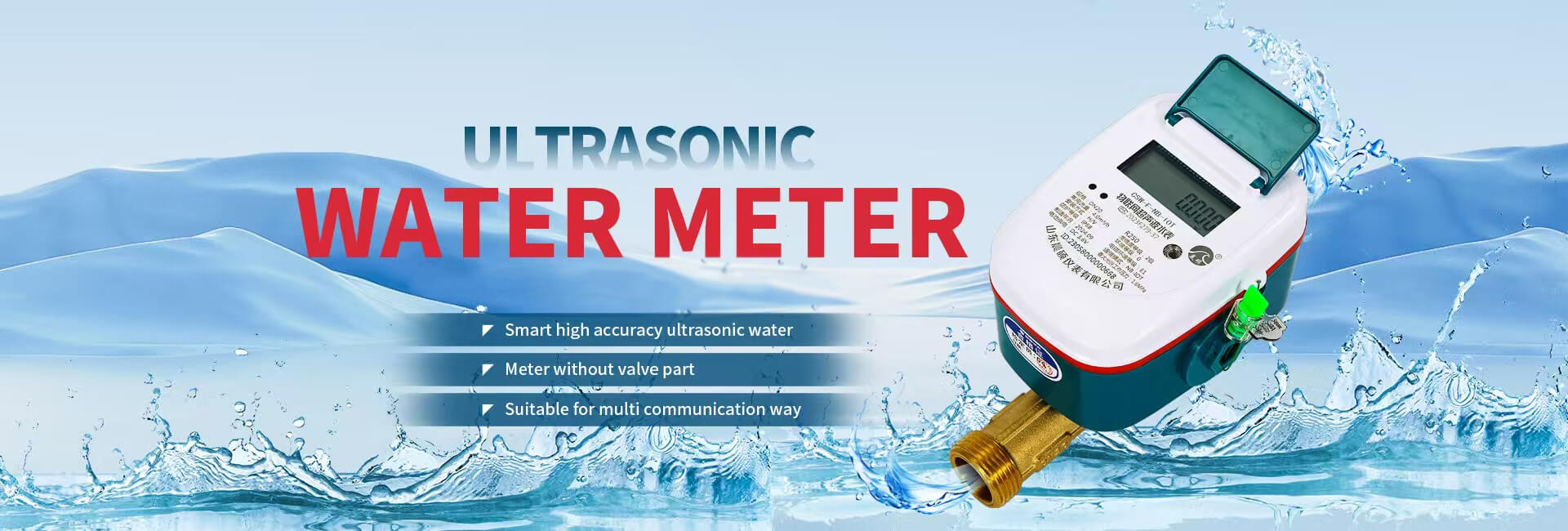


現代のプロセス産業では,精密な流体測定は選択以上です.それは不可欠です。正しい流量計を選ぶことは,操作をスムーズに運行させるのに役立ちます.また、規則をサポートし、費用を削減します。これは水処理,化学用量またはエネルギー請求に適用されます.フロー読み込みの小さなエラーは、大きな問題を引き起こす可能性があります。
液体計量の固体サプライヤーのために, チェン シュオ 現代的な流れオプションの完全なセットを提供します。専門家のスタッフとトップ製造は強いメーターを作成します。これらには電磁,超音波,機械的な種類が含まれています.ISO 9001などの世界的な販売と承認を受け、50カ国以上の顧客にサービスを提供しています。新しいセットアップを計画したり セットアップを更新したり Chen Shuoへ彼らは安定した正確な仕事のためのカスタム計画を提供します。
間違った流量計を選択することは、一連の作業問題を引き起こす可能性があります。読み込みの間違いは流体配達に害を与えるだけではない。システムのパフォーマンスのチェックも混乱します。
よく機能しない流量計は,重要なプロセスで悪い選択を導くことができます.精度は水基混合物で最も重要です。コストを減らし、生産を高める。間違ったフローの読み取りは,化学物質の使用過度,商品の廃棄物,環境規則の失敗を引き起こす可能性があります.
厚さ,電気流れ,熱が変わる流体を取り扱う際には,これらの特徴に合わせたツールが必要です.たとえば,磁気計は液体が電気を導く場合のみよく測定します.石油、蒸気、ガスなどの非伝導性タイプで失敗します。流体を知る’sの特徴は,メーターがその検出方法に適合することを確認します.
都市の水システムや工場加工などの分野では、正確なツールは余分ではありません。法律によって要求されています。良い磁気流量計は厳しい工場設定を処理します。彼らはほとんどメンテナンスを必要とし、危険な場所のためのクラス1、ディビジョン2の規則を満たしています。標準に従うには,厳しい条件で設定を保持するデバイスを選択します.
それぞれの使用には、それ自身の環境と流動性があり、それがどれだけ機能するかに影響を与えています。これらの要因をチェックすると,選択したメーターが安定した結果を得ることができます.
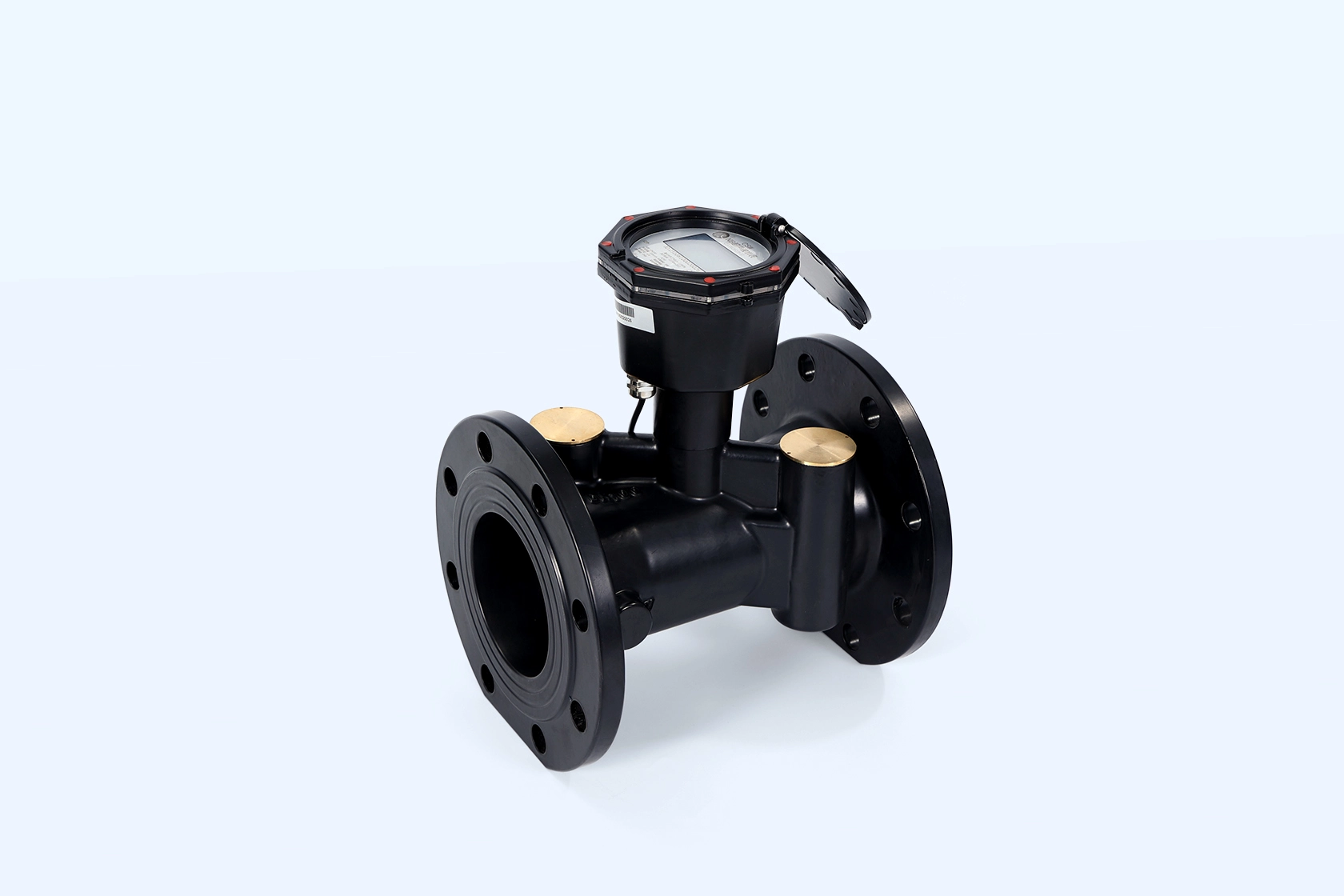
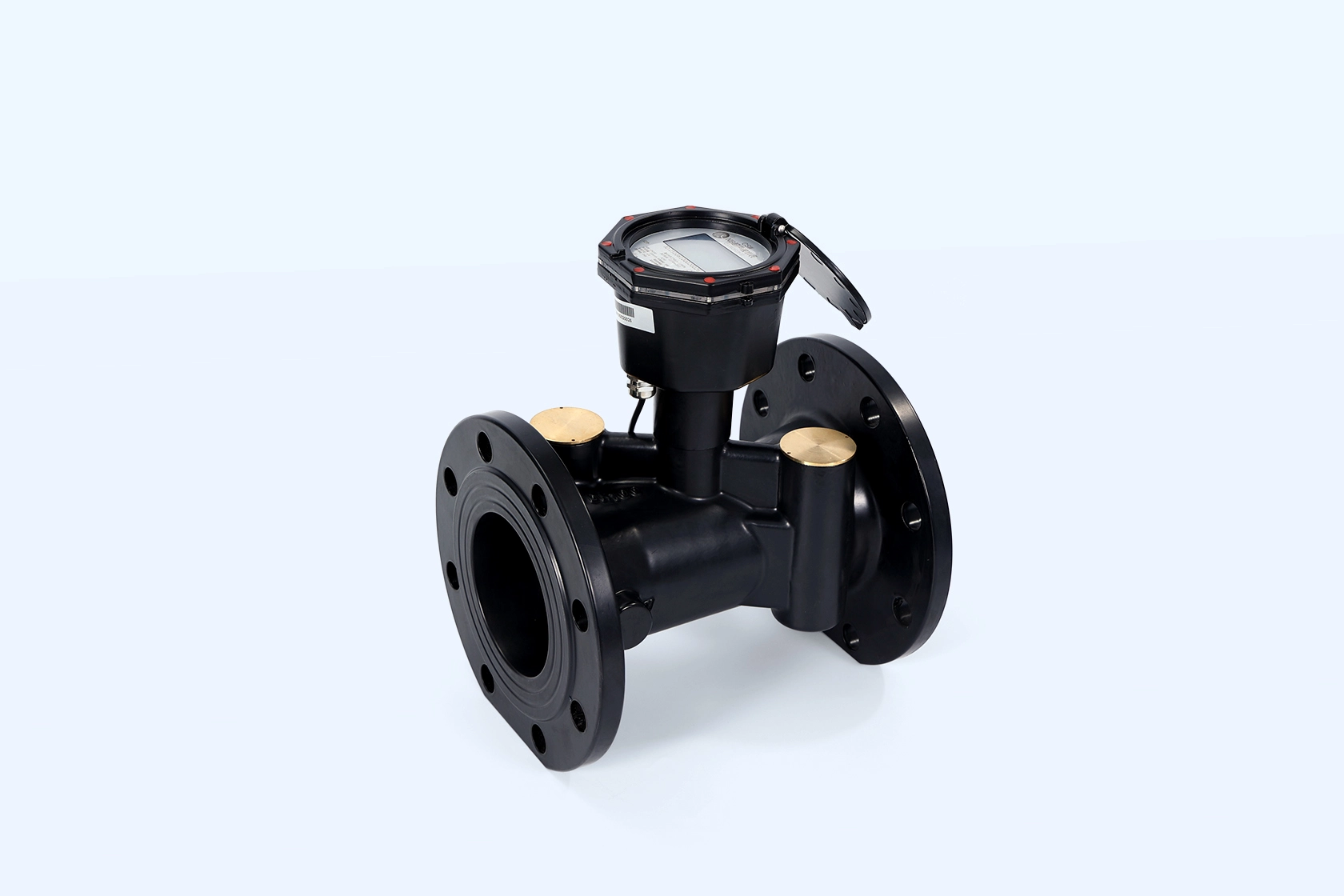
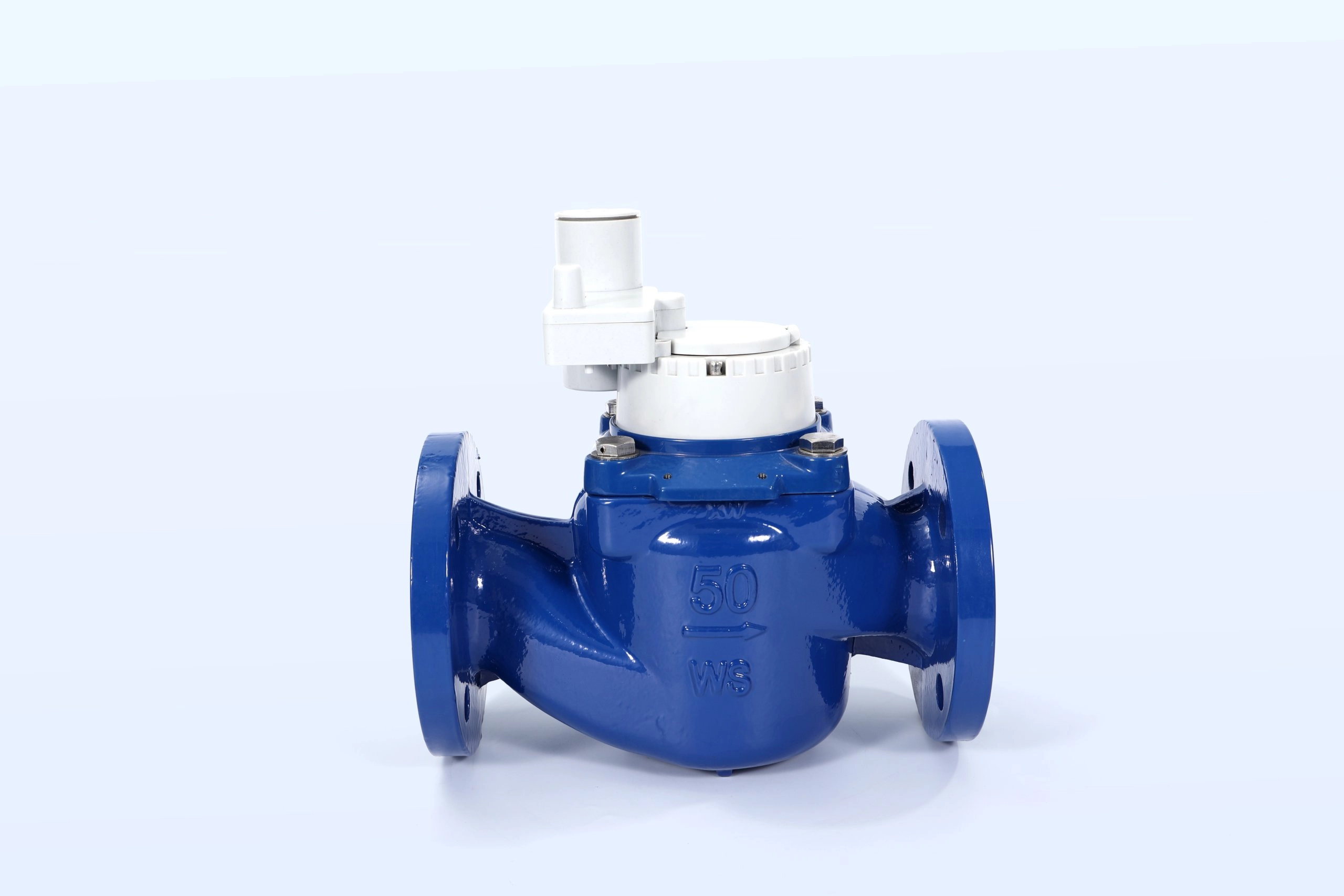
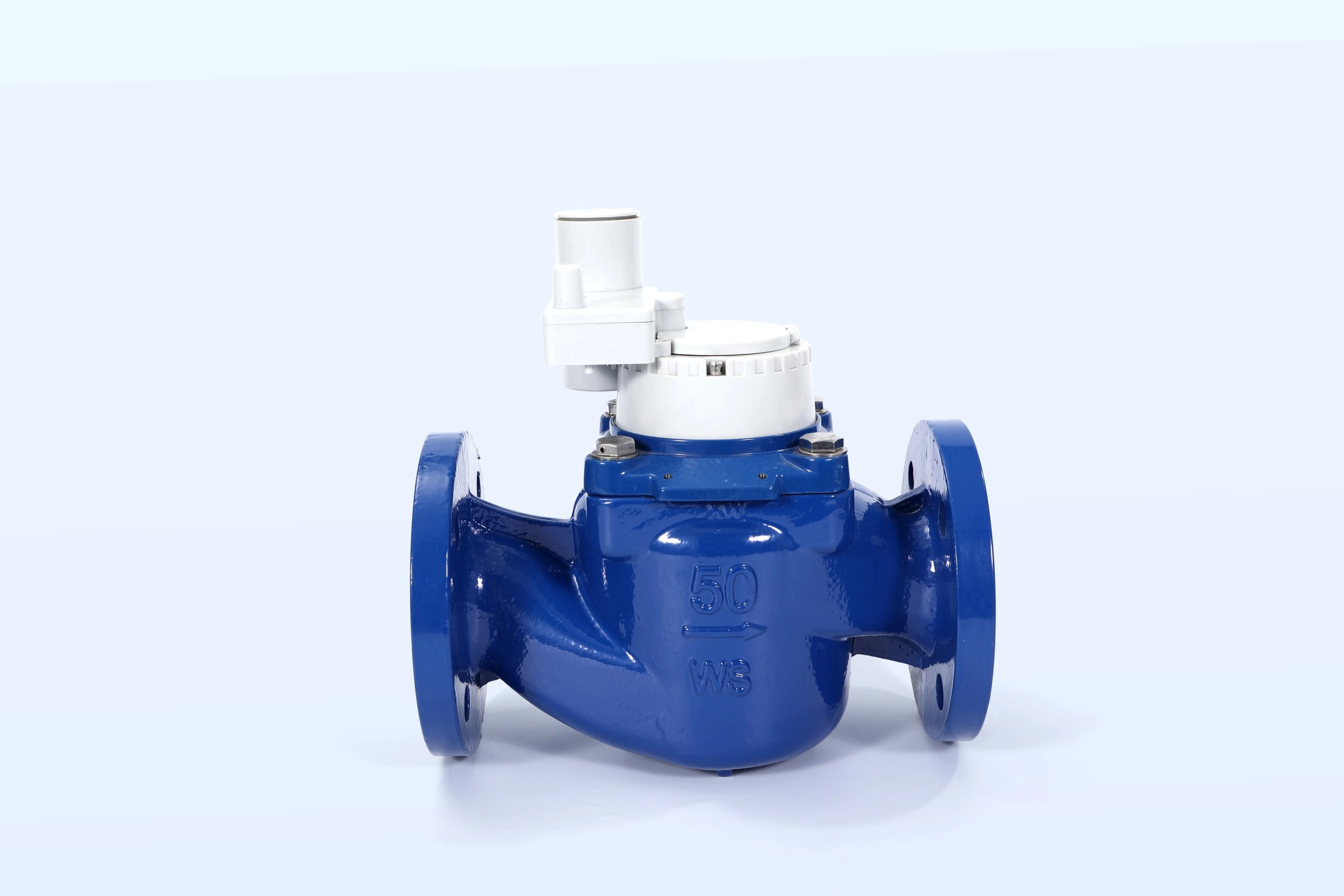
電気の流れ,固体ビット,液体の構成は,センサーの機能を変える.電磁流量計は体積ベースのツールです。液体の速度を確認するために電場を使用します。この方法で水基の流体を非常によく測定し,パイプを通じて移動します.廃水や酸性混合物のような使用を行うために、電磁流量計のような DN50モデル 最適です。彼らは
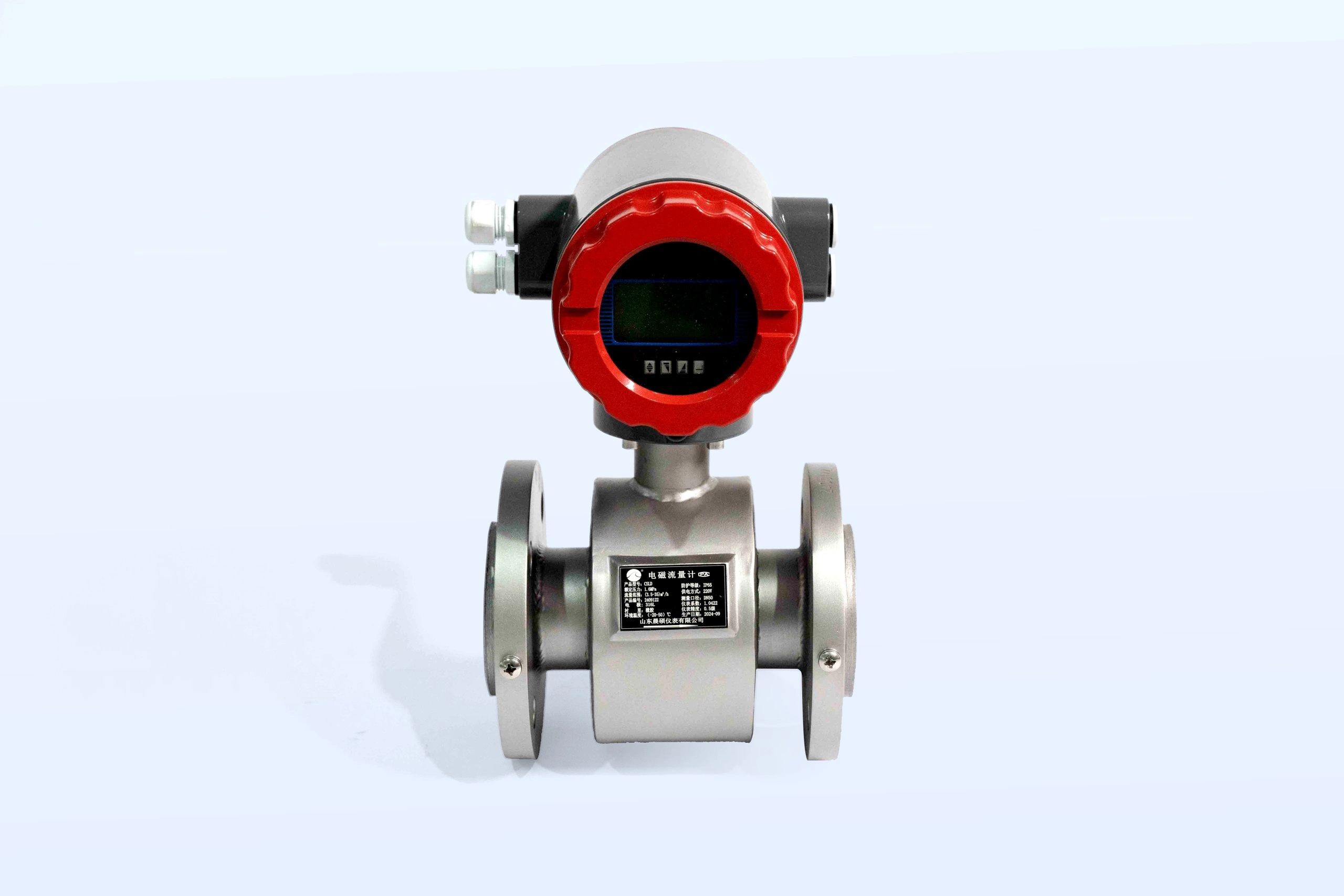
高いまたは低い熱,化学的接触,および設定は,すべての形状の持続的な強さを制限します.強いメーターは非常に熱い場所や寒い場所でも動作します。天気はそれを止めない。PTFEまたはゴムからのライナーとチタンまたはタンタルの先は粗い設定に対して保護します。
パイプの前後の直線セクションは,均等な流れデータの鍵です.バルブやメーターに近いメメメートルからのメメメートルのメメメートルからのババルブやメメートルに近い曲線からのメメートルからのババルブやメメメートルのメメートルからのメートレーメートルメートルに近右の設定により,センサーは混乱なしにスムーズな流れ速度を捕捉できます.
選択された流量計は,設定に必要な正確な限界と迅速な反応に合わなければなりません.
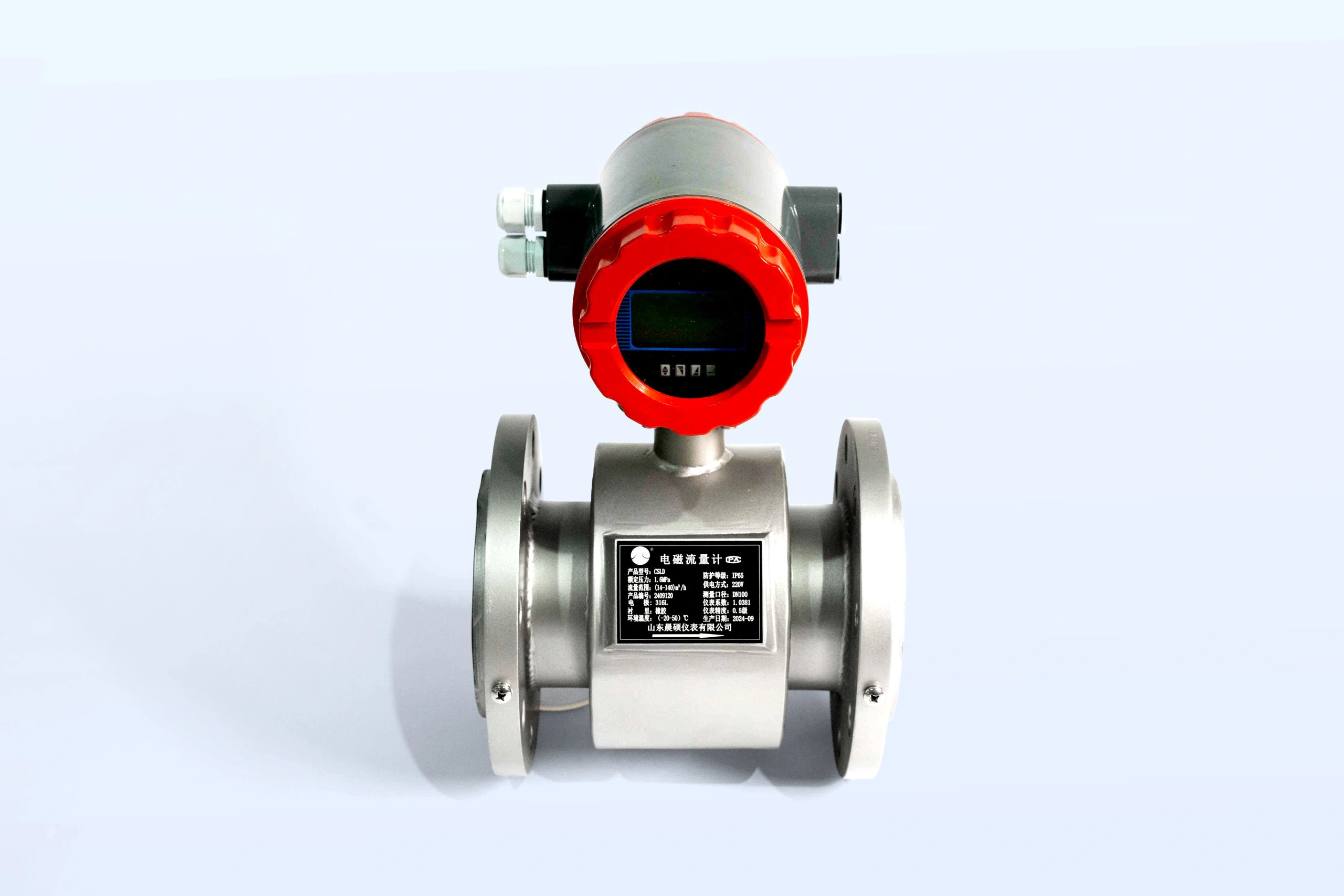
重要なタスクには、密接な測定範囲が必要です。幅広い流れスパンの精度は,速度の±0.5%以上です. 「 The DN100電磁流量計 このレベルを与えます。タイプに基づく0.3%、0.5%、または1.0%の精度の選択肢があります。
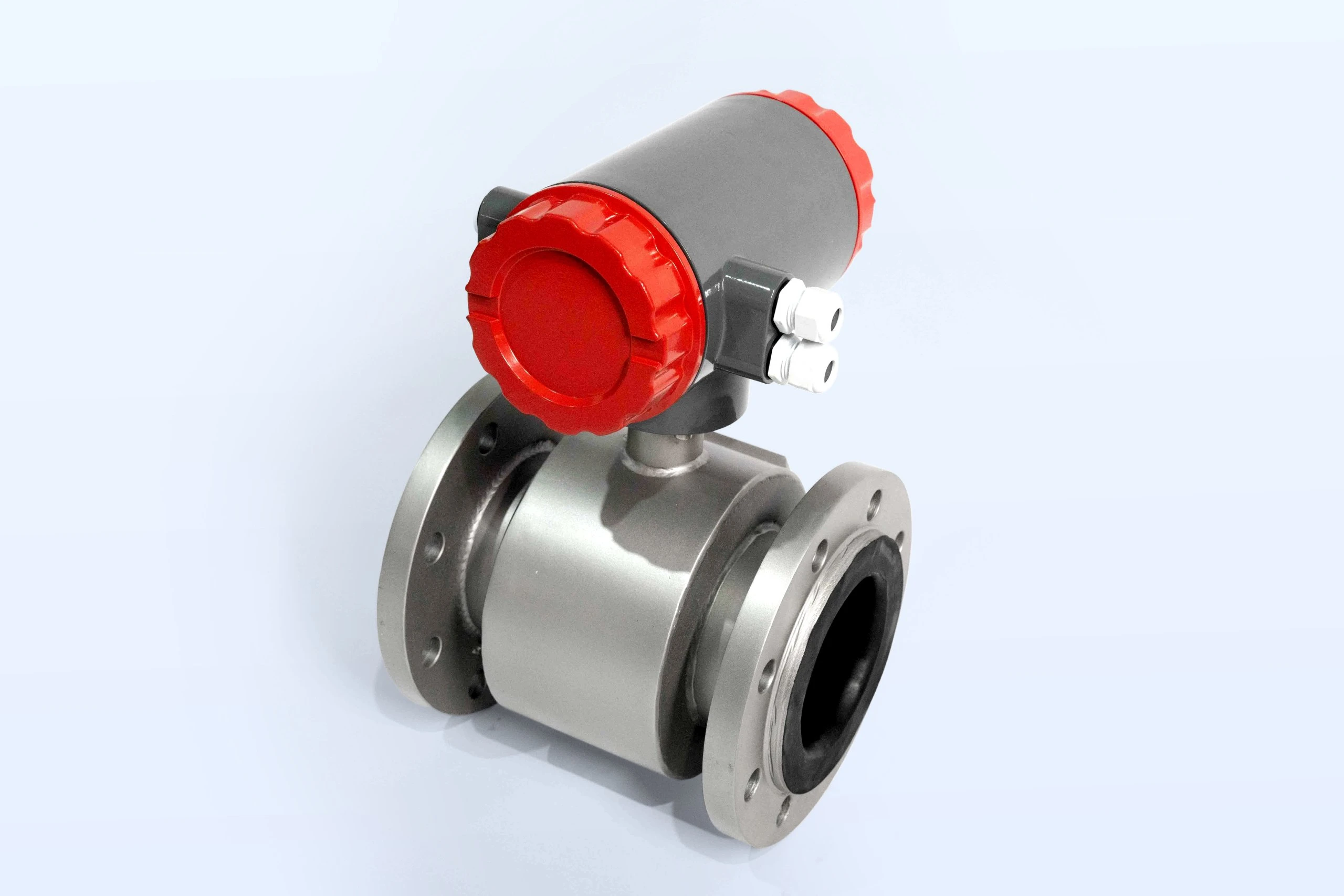
急速なシフトのタスクには 迅速に反応するメーターが必要です電磁計はライブデジタル信号を送ります。RS485やHARTなどの設定を使用しています。これはプロセス制御セットアップと簡単に結びつく。
しばしばリセットは作業時間と停止時間を上げます。マグメーターには動く部品が不足しています。したがって、ケアや交換はほとんど必要ありません。その構造は、長い走行で安定した出力を維持します。
現在の設定に適合し,メンテンメントを削減することは,完全な寿命コストを削減するために不可欠です.
選択したメーターがSCADAまたはPLCセットアップのトークメソッドと動作していることを確認してください.電磁メーターは、MODBUS RS485などのデジタルアウトや基本信号(4〜20 mA)を提供します。これにより、リンクが簡単になります。
ボルト付きの小型型は,追加の保持なしに迅速なセットアップを可能にします.このようなタイプの構築 DN300電磁流量計 選択肢を提供します。遠くあるいは近くの形で動作します。
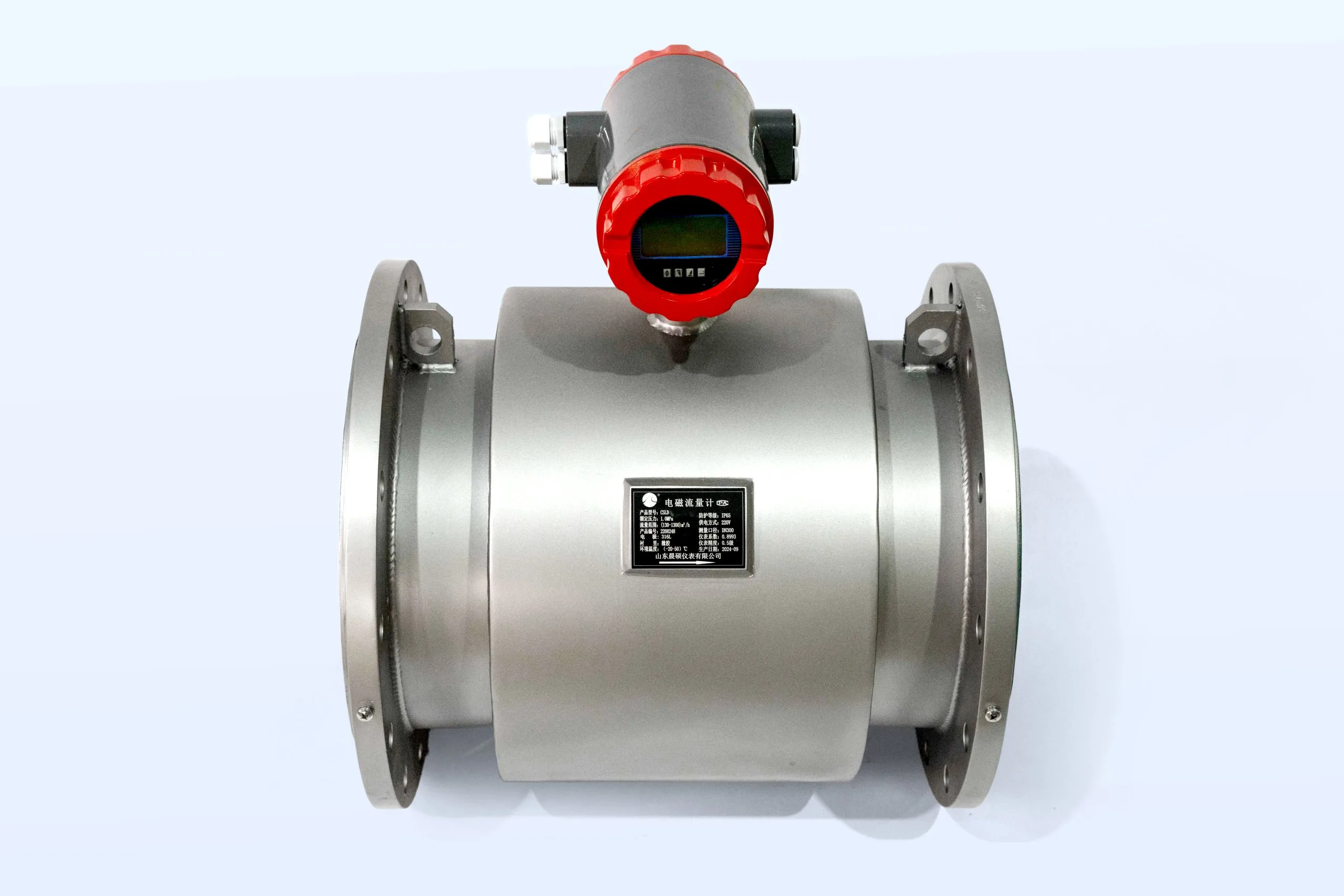
メンテーンライトメーターは,サービス時間と完全な所有コストを削減します.Magメーターは都市および工場の使用で大きいです。それらは水やスラリーのような導電液体をチェックするためのトップピックです。
良いサプライヤーを選ぶことは、商品を超える信頼を増やします。Chen Shuoの範囲は,様々な分野のために作られた多くの強いオプションをカバーしています.
Chenshuoのツールは,ビジネススポットでより良い出力,節約,ルール維持のために正確でライブデータを提供します.電磁流量計のサイズはDN50からDN3000までです。DMA請求からスラリーチェックまでの用途に適しています.
各スマートウォーターメーターとメータリングシステムは、ISO 9001およびその他の重要なグループからノッドを得ます。DN100モデルは、工場での重い作業でこの強さを示しています。
フィールドおよび50カ国のバイヤーの10年以上で、 チェン Sホー 販売後のケアへの話し合いをカバーする迅速な助けを与えます。
Q1: どのようなタイプの流体が電磁流量計に適しているか。
A: 伝導率≥5 μS/cmの伝導性液体のみが適しています。これらには,スラリー,廃水,酸,アルカリなどの水基溶液が含まれています.
Q2:電磁流量計は高温環境で使用できますか。
A: はい。PTFEライナー付きモデルは,仕様に応じて180°Cまでの温度をサポートします.
Q3:電磁メーターはまっすぐパイプの走行を必要としますか。
A: はい。ストリートパイプの長さは,上流と下流で正確な読み取りのための流れプロフィールを安定させるのに役立ちます.
Q4: 電磁計はどのくらい頻度で校正を必要としますか。
A:非機械的な設計により,通常,頻繁な再校正なしに長期間精度を維持します.
Q5:これらのメーターはデジタル制御システムと互換性があります。
A: はい。アナログ(4-20 mA)およびデジタル(HART、MODBUS RS485)出力をサポートし、シームレスなSCADA/PLC統合を可能にします。
 住所:Xiao'anzi Industrial Park、Baishabu Town、Lanshan District、Linyi City、Shandong州
 今すぐお電話ください:+86 15562945993
 メール: ivy@sdchenshuo.cn


Shandong Chenshuo Instrument Co.、Ltd。