

Non-Revenue Water (NRW) is the quiet money loser in the water supply business. It is the water you clean and push into the pipes, but it never gets to a paying customer. This water might go missing from real breaks in old pipes or from unfair use and wrong meter reads. The end result stays the same. It hits your profits hard. As someone who runs a water company, you probably feel the growing stress of short water supplies along with the money pain from costs you cannot get back. These issues build up over time. They affect daily work. Teams struggle to keep balance. The problem touches every part of the operation. You see bills drop while expenses rise. This makes planning tough. Now, let us look at ways to fix it step by step.
Old ways of checking by hand do not work well anymore for these hard issues. To really take charge of your pipe system, you need a setup that lets you see every bit of water. This is where Smart IoT tech steps in, mainly LoRaWAN and NB-IoT. These tools change how things run. They move you from fixing problems after they happen to spotting them early. In this way, you turn your work from a place of waste into one of smart use. The shift brings big changes. You save water and money. Teams work better with clear info. The full system ties together well. It fits current needs. Long term, it helps growth too. We will cover each part below with real examples.
To fix water loss, you first need to find where the money gaps are in your setup. For many water companies, the main trouble spots split into two clear groups: real and business types. Real losses come from pipe breaks and drips that stay hidden for days when you use hand checks. Business losses feel even worse. They include water taken without pay or old gear meters that miss small flows right. These issues add up quick. You lose track of amounts. Teams chase shadows. The gaps grow without notice. This leads to big hits later. Daily, it cuts into goals. Now, think about how to spot them early.
When you lack live views of your pipe lines, you run without clear sight. You hold off until a user calls about a wet road or a huge charge before you see the trouble. By that point, tons of water has gone to waste. The fix cost seems small next to the worth of that lost water. Switching to a digital base is the sole path to halt these hidden wastes before they turn into money messes. The live data changes everything. You act fast on signs. Teams reach spots quick. This cuts loss times. Users get better service. The whole flow improves. Over months, you see real savings. It builds trust too.
Before we get into the tech fixes, let us discuss the skills needed to set up these systems. If you seek a team that really gets the details of flow watch and digital shifts, Shandong ChenSHuo stands as a top name in this area. They go beyond just making parts. They create new ideas after years of fine-tuning gear strength and program smarts. Their group handles each job with a focus on people needs. This way, their smart meters fix true daily problems for real workers. When you team up with them, you do not just get a tool. You gain years of study and a helper set on your company’s long health. Their drive for good work makes them the first pick for those who need exact reads without cuts. The partnership builds strong. They guide from start to end. You get custom plans. This fits big or small sites. Teams learn fast. The support lasts years. It ties into your goals well.
The key win in cutting NRW comes from links between tools. In old days, the price of wires for data send from meters was too high. Now, Low Power Wide Area Network (LPWAN) methods like LoRaWAN and NB-IoT break those walls. These ways let your meters send talks to your main server over far spaces while using very small power from batteries. The reach covers wide areas. Power stays low for long. This fits city and country spots. Teams set up with ease. Data flows steady. No big costs up front. The change speeds up work. You see gains quick.
LoRaWAN works best if you plan your own closed net. It gives great distance and goes deep into ground holes or thick walls. NB-IoT uses current phone nets, bringing strong trust and easy start for city spots. Both ways give the core good: they swap once-a-month pics with a steady flow of info. With this at hand, you can find a drip in hours not months. This shrinks the time of water waste a lot. The steady watch spots odd flows. Alerts hit your screen fast. Teams check and fix soon. This saves big amounts. Users notice less issues. The net runs smoother. Over time, costs drop clear.
Info works only as well as the gear that grabs it. If your meters miss small flows or break in bad weather, your IoT base turns pointless. You need special tools made for different parts of your pipe net to make sure every drop counts. The picks match site needs. Small for homes, big for mains. This covers all. Teams choose based on flow. The fit boosts reads. No gaps in data. Daily use shows true amounts. This builds full trust.
In home areas, the main test is the quiet drip, like a leaky tap or toilet that runs. A basic gear meter might skip it. Across many homes, these tiny leaks build to large NRW. The small amounts add fast. You lose track easy. Teams miss them in checks. This hits bills hard. Now, see how to catch them all.
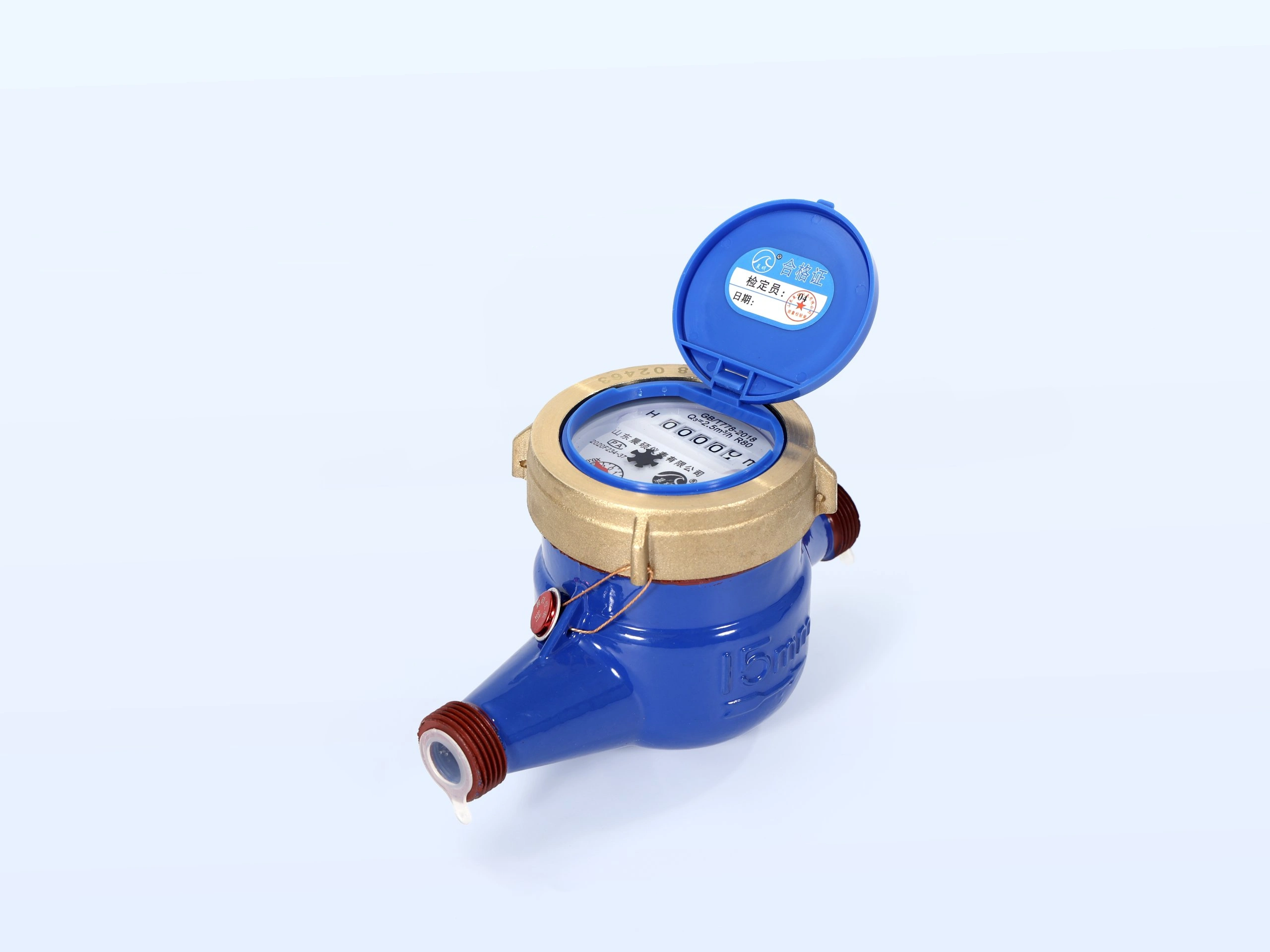
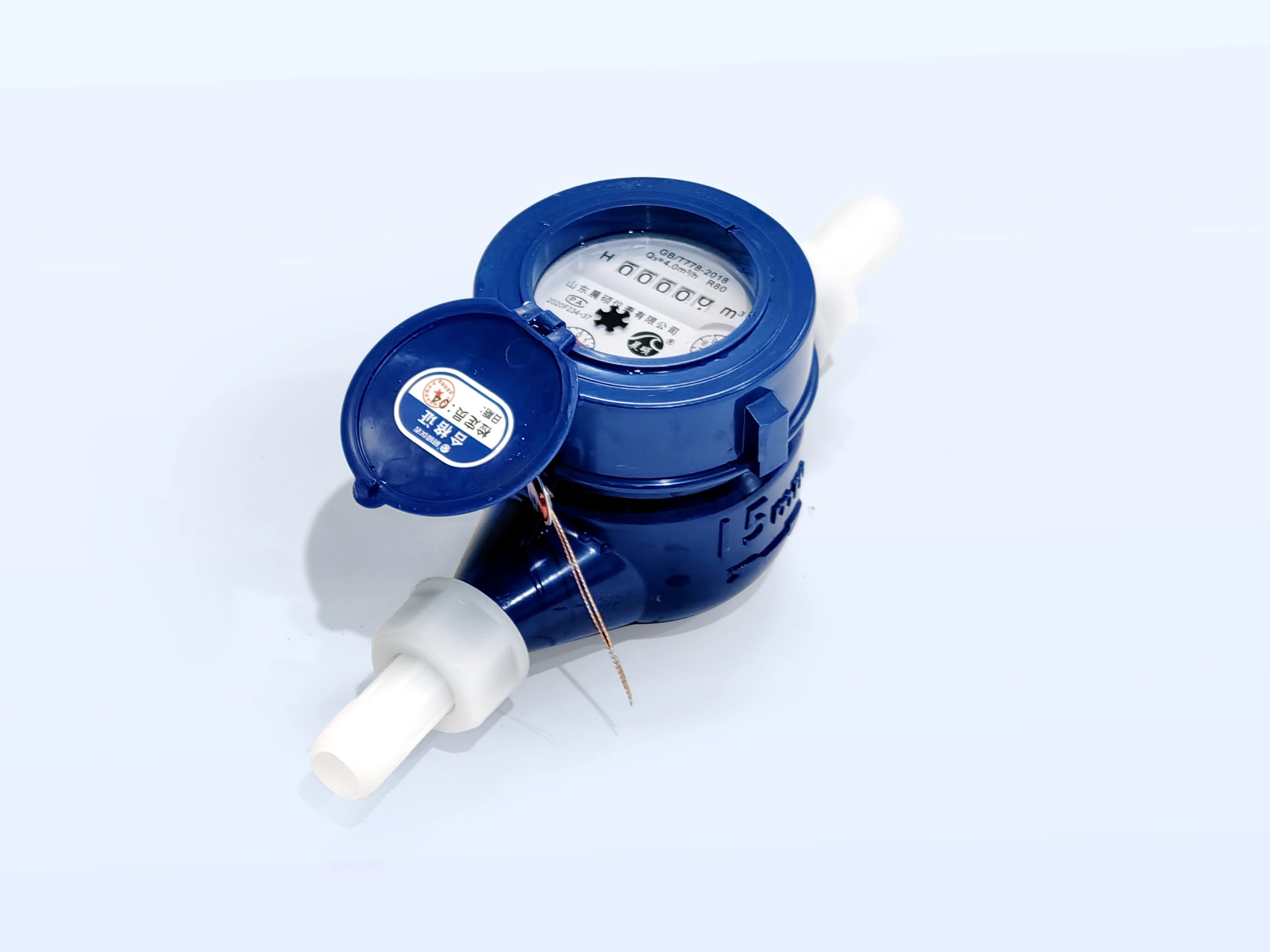
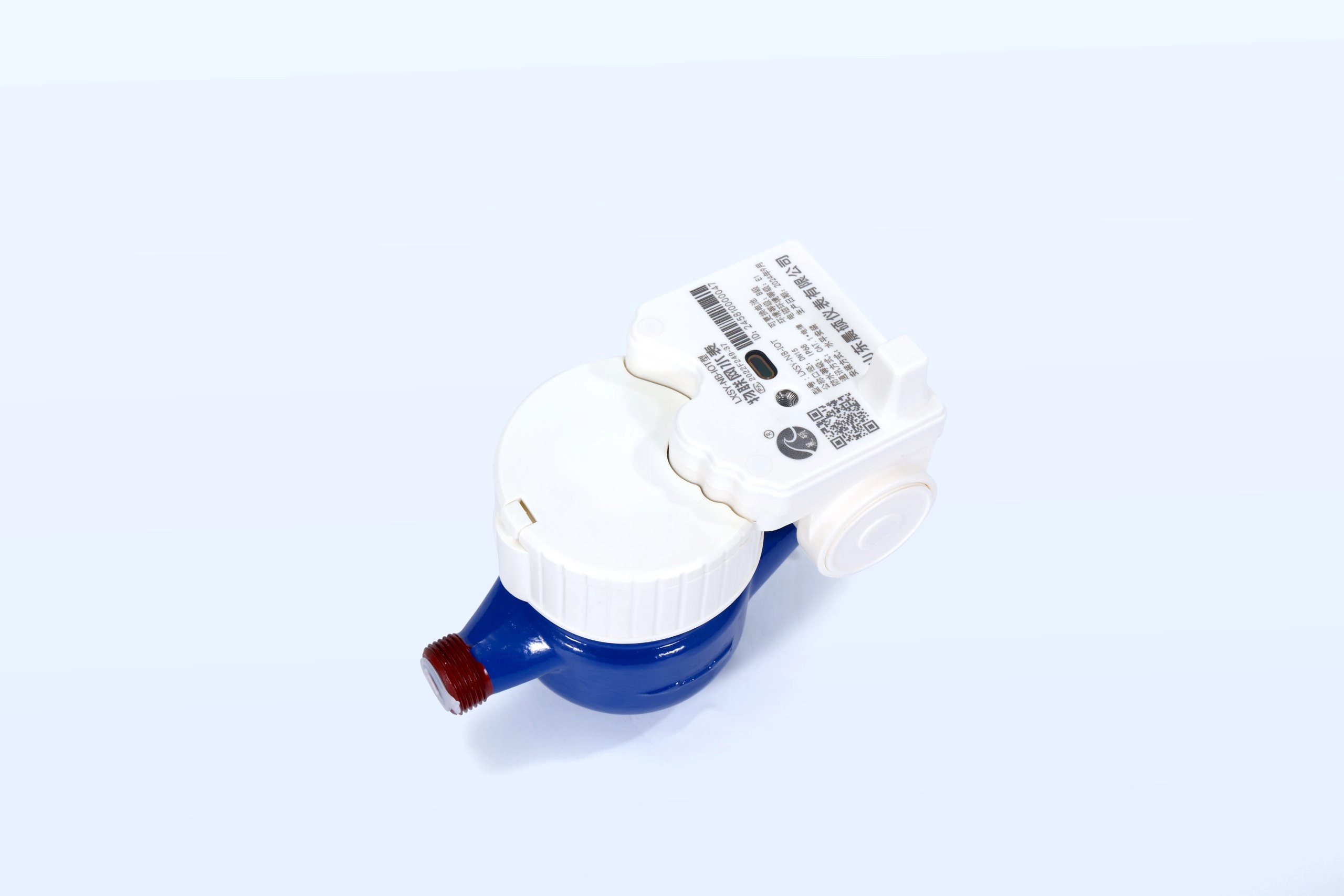
To fight this, you need a sharp fix like the Lorawan Wassermesser DN15. This tool is built just for home uses where catch is key. It grabs even the tiniest water moves, so every bit into a house gets noted and charged. By putting these at user spots, you end the fake loss from wrong reads. Also, the in-built LoRaWAN link sends quick warns if it sees steady flow over a full day. This lets you tell the user of a possible drip before it hits their pay or your stock. The catch works on small drips. Alerts go out fast. Users fix soon. This saves water and trust. Bills match true use. Teams handle less calls. The setup fits easy in homes. Long run, it cuts waste big.
While home meters guard your money at the door, you also need to watch the main pipes of your setup. This happens through District Metered Areas (DMA). Here, you split your net into small, easy zones. By checking the full water in a zone and matching it to the total from all home meters there, you can find just where a big pipe break or unfair take is going on. The zones make checks simple. Data shows gaps clear. Teams target right spots. This speeds fixes. No blind hunts. The full net gets control. Daily, it works smooth.
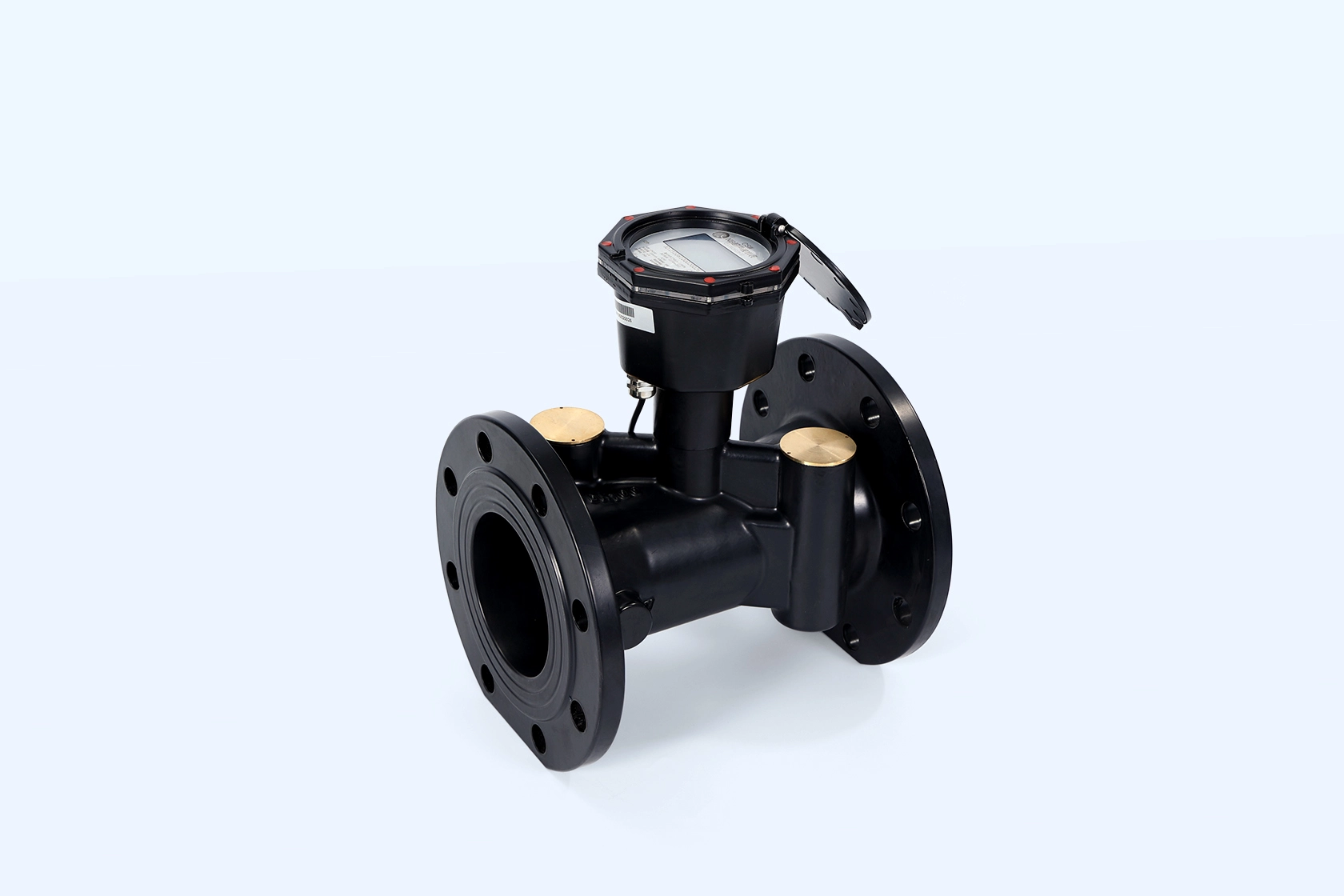
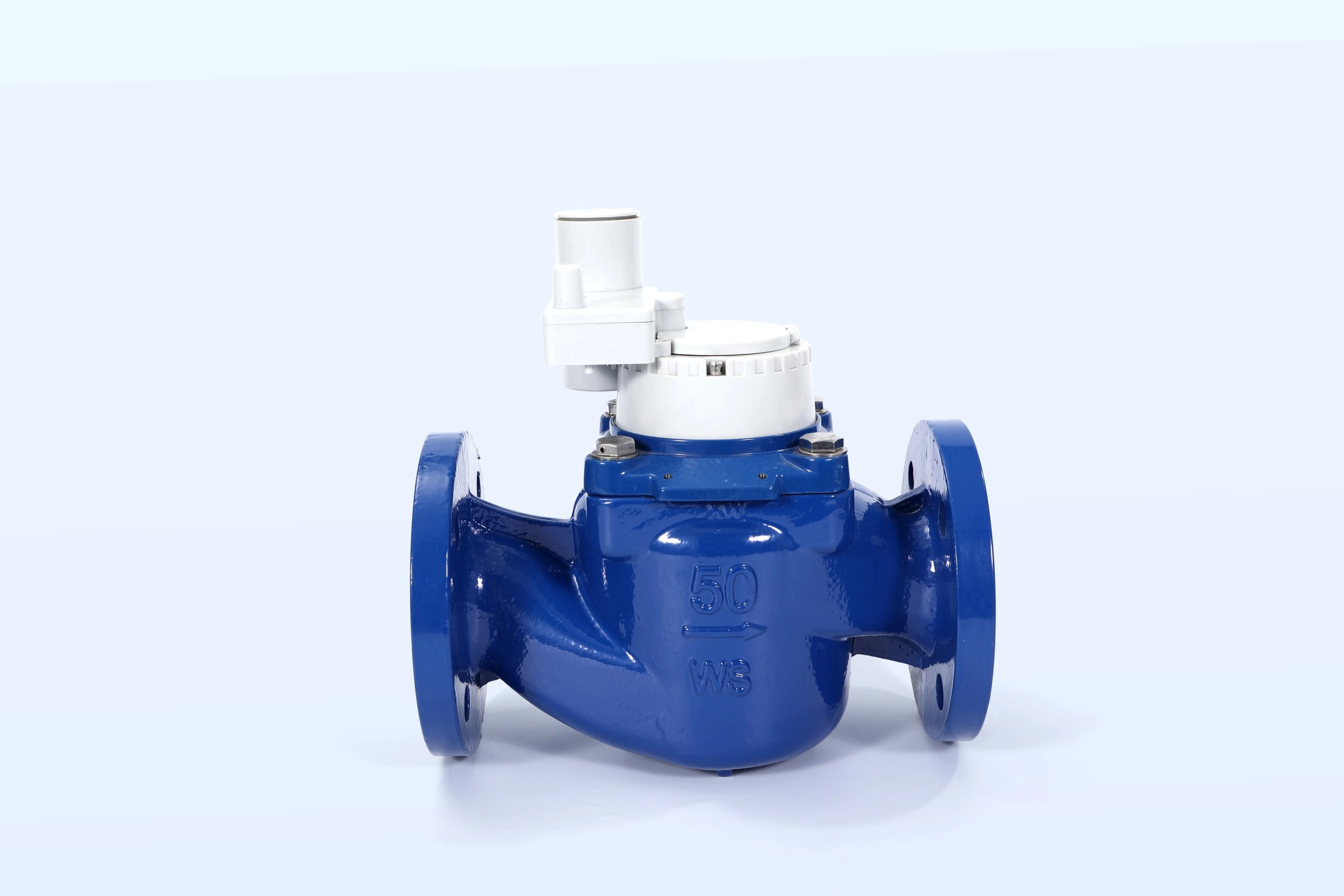
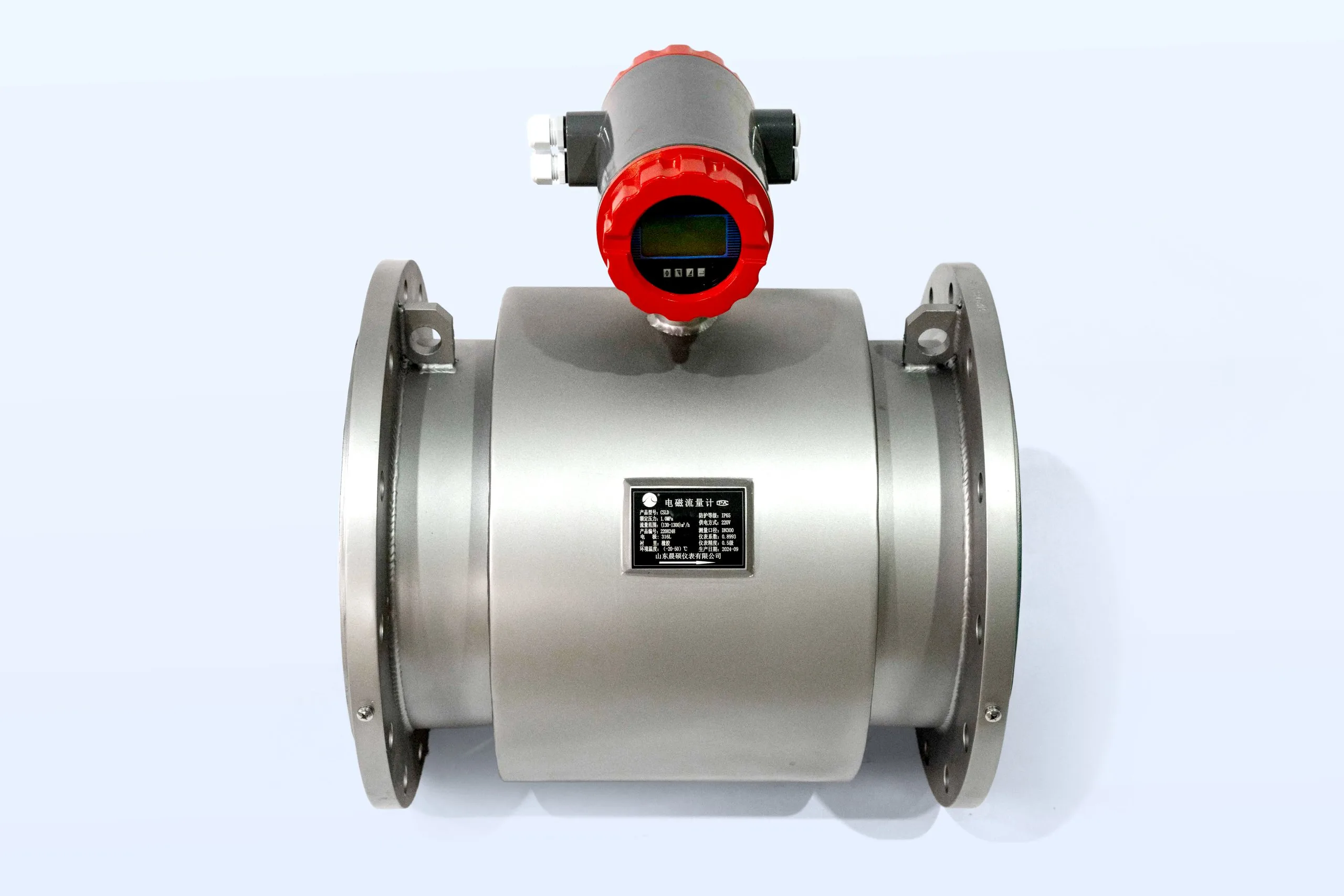
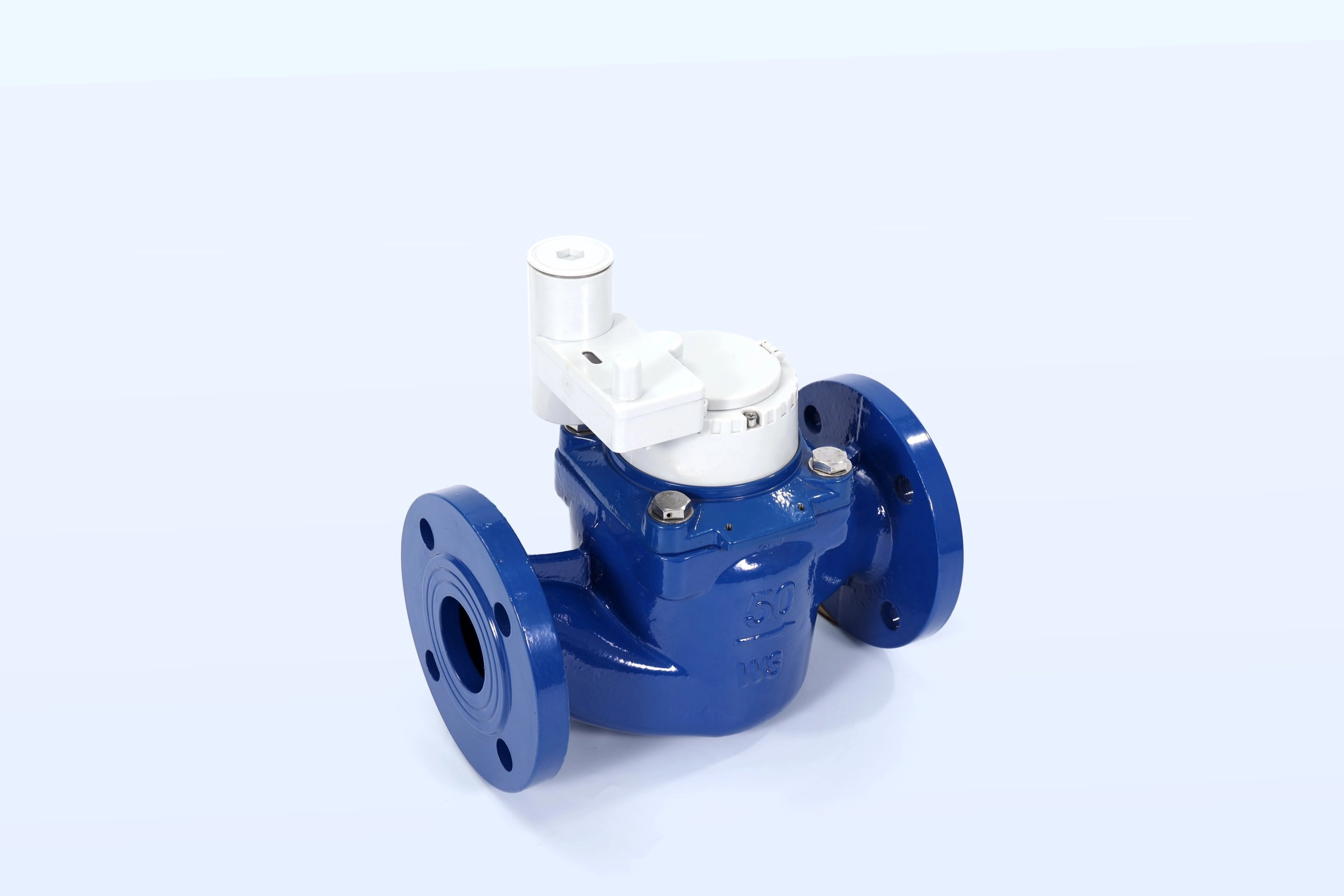
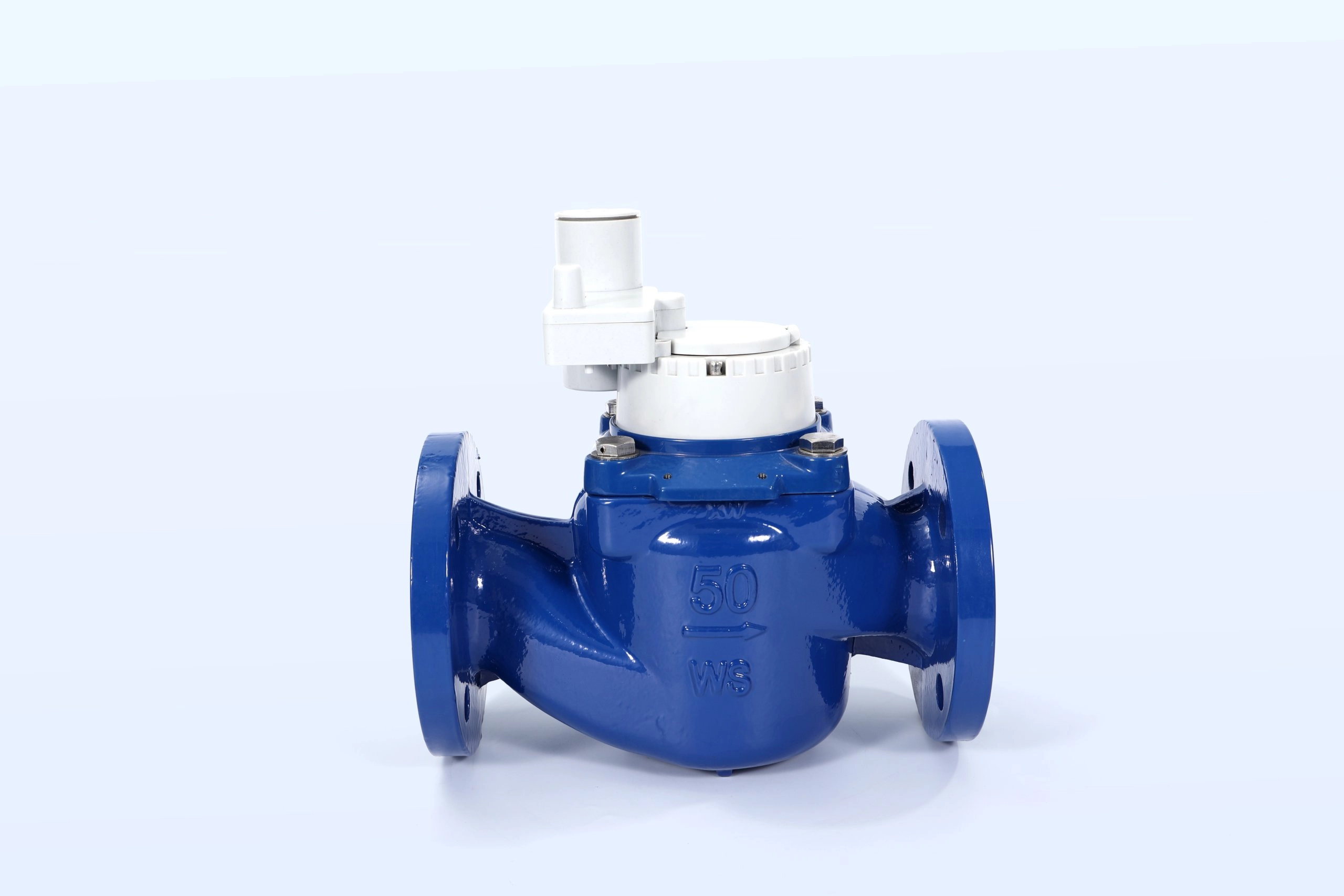
For these wide pipe lines and factory links, you need a strong tool like the Lorawan Wassermesser DN50. These big size meters are the main drivers of a smart water net. They handle high flows for key lines while keeping the smart parts for far checks. When info from these shows a mismatch between zone in and total home use in it, you know which road needs a check group. This aimed way saves tons of time on hand drip hunts and makes sure your fix teams are always at the right place. The strong build takes big flows. Data links to center fast. Gaps show in reports. Teams act on facts. This cuts loss quick. Zones run tight. Over time, the net holds strong.
Moving to smart IoT meters is a spend that pays back by turning gone water into money. When you cut NRW, you do not just hold water. You save the power to push it and the mixes to clean it. This makes a good loop of smart work. The savings stack up. Power bills drop. Clean costs fall. Teams use less for same output. This boosts full health. Users see fair charges. The loop grows over years. Now, see the money side clear.
With live warns, you can stop unfair water takes right away. Smart meters spot magnet pulls or back flows, which point to meter tricks. When the setup marks these odd signs, you can send a checker at once. This watch level works as a strong block against water use without pay. Plus, the auto charge work cuts person mistakes and the spends on hand meter checks. This lifts your work edges more. The blocks keep theft low. Checkers reach fast. Charges run true. No big errors in books. Teams focus on key tasks. The full gain shows in reports. Profits rise steady.
As you eye the years ahead, the push on water stocks will grow more. Rules groups set harder goals for NRW cuts, and users want clear views of their use info. Setting up an IoT-based system is not a later plan anymore. It is a now must for any water company that aims to stay strong. The rules push for change. Users ask for truth. The tech meets both. Teams adapt quick. The full shift builds base. No more guess work. Data guides all.
The mix of tough gear and smart links gives a safe hold for your pipe base. It lets you step from the worry of quick fixes to a smooth, info-led work. By picking the right tech and the right teams, you make sure your company stands against the money and earth costs of water loss. The hold covers breaks. Links keep data fresh. Work flows easy. Teams gain skills. The future looks bright. Sustainability ties in well.
If you are set to take hold of your pipe net and stop the money leak, the way ahead is plain. Update your meter gear, take on the strength of IoT, and make your info your top worth. The steps lead to wins. You see changes fast. Teams build on it. The net turns strong. Long term, it pays big.
Kontaktieren Sie uns today to learn more about how we can help you design a customized NRW reduction strategy tailored to your specific infrastructure needs.
Q: How does a smart meter actually detect a leak inside a customer’s home?
A: The meter monitors flow patterns continuously. If the meter detects that water has not stopped flowing for a certain period (e.g., 2 hours) during the middle of the night when usage is typically zero, the system flags this as a “potential leak” and sends an alert to the utility dashboard. The watch runs all time. Night flows stand out. Alerts go to screens quick. Teams note and act. This catches home issues early. Users get help fast. Water saves add up. The flag system works well. No big wastes. Daily, it aids control.
Q: What is the lifespan of the battery in a LoRaWAN or NB-IoT water meter?
A: These meters are designed for extreme efficiency. Under normal reporting conditions (such as once or twice a day), the high-capacity lithium batteries can last up to 8 to 10 years, which aligns with the typical replacement cycle of the meter hardware itself. The power use stays low. Sends happen few times. Batteries hold charge long. This matches gear life. No early swaps. Teams plan easy. The fit cuts down time. Long run, costs stay low. Users see steady work.
Q: Can these smart meters be installed in existing pits that often flood?
A: Yes. Professional-grade smart IoT meters are built with an IP68 rating. This means they are completely dust-tight and can withstand long periods of total immersion in water, making them ideal for underground pits that may flood during heavy rain. The rate blocks dust full. Water dips hold no harm. Pits stay safe in storms. Setup uses old spots. No big changes needed. Teams install quick. The build takes rough use. Long term, it works fine. Floods do not stop reads. Data keeps coming. This fits wet areas well.
 Adresse: Xiao'anzi Industrial Park, Stadt Baishabu, Lanshan District, Linyi City, Provinz Shandong
 Rufen Sie uns jetzt an:+86 15562945993
 E-Mail: ivy@sdchenshuo.cn


Shandong Chenshuo Instrument Co., Ltd.