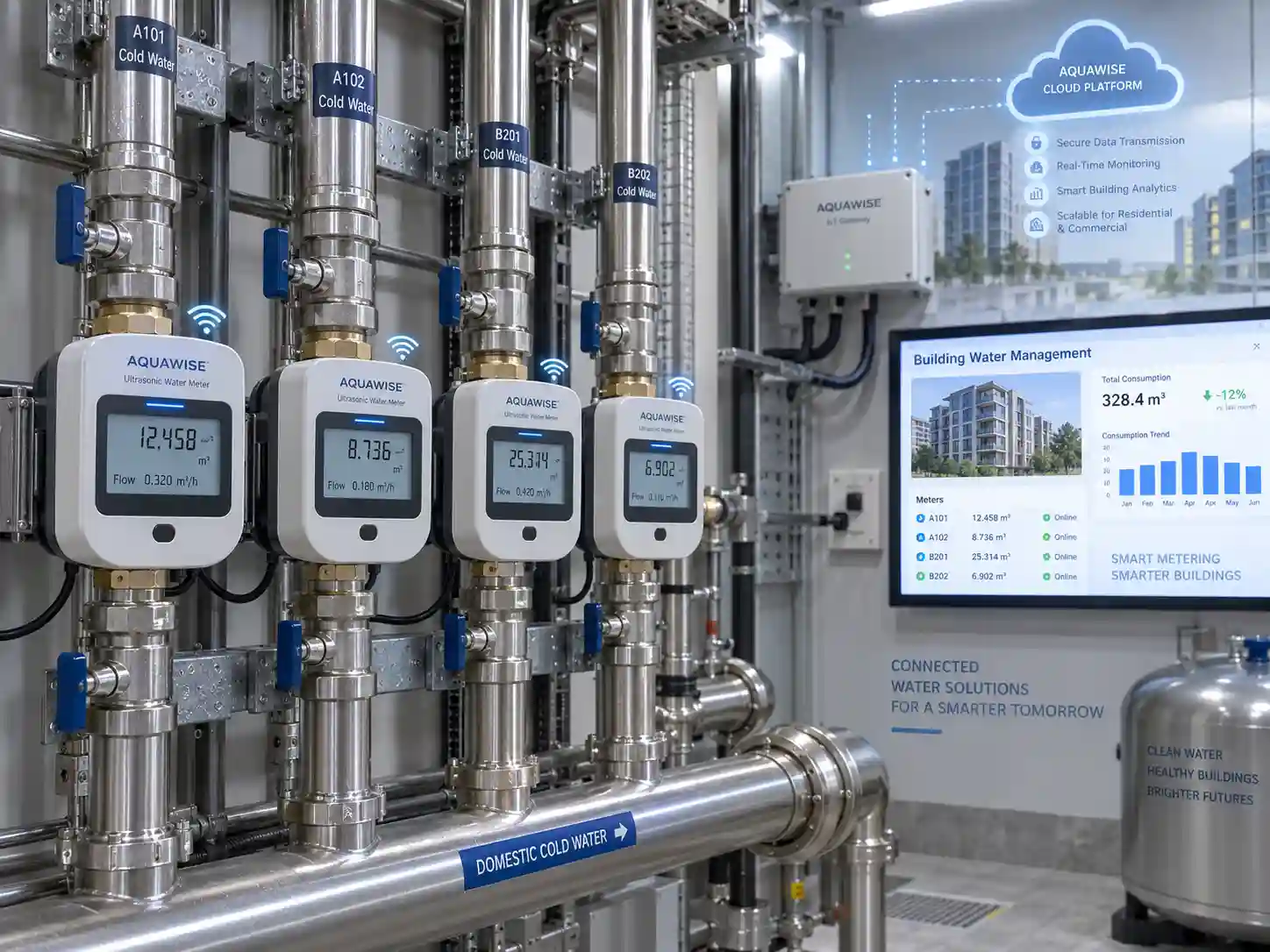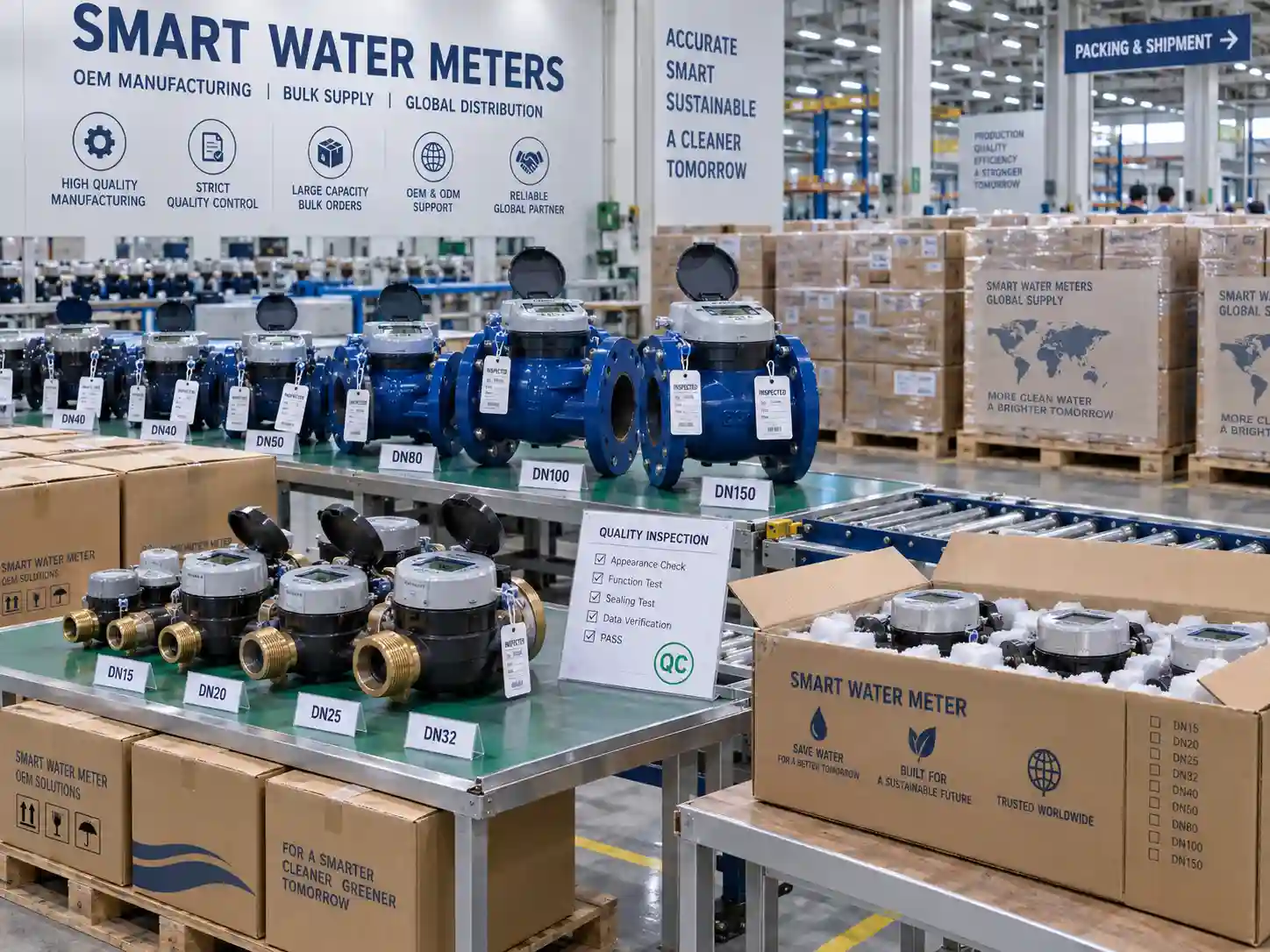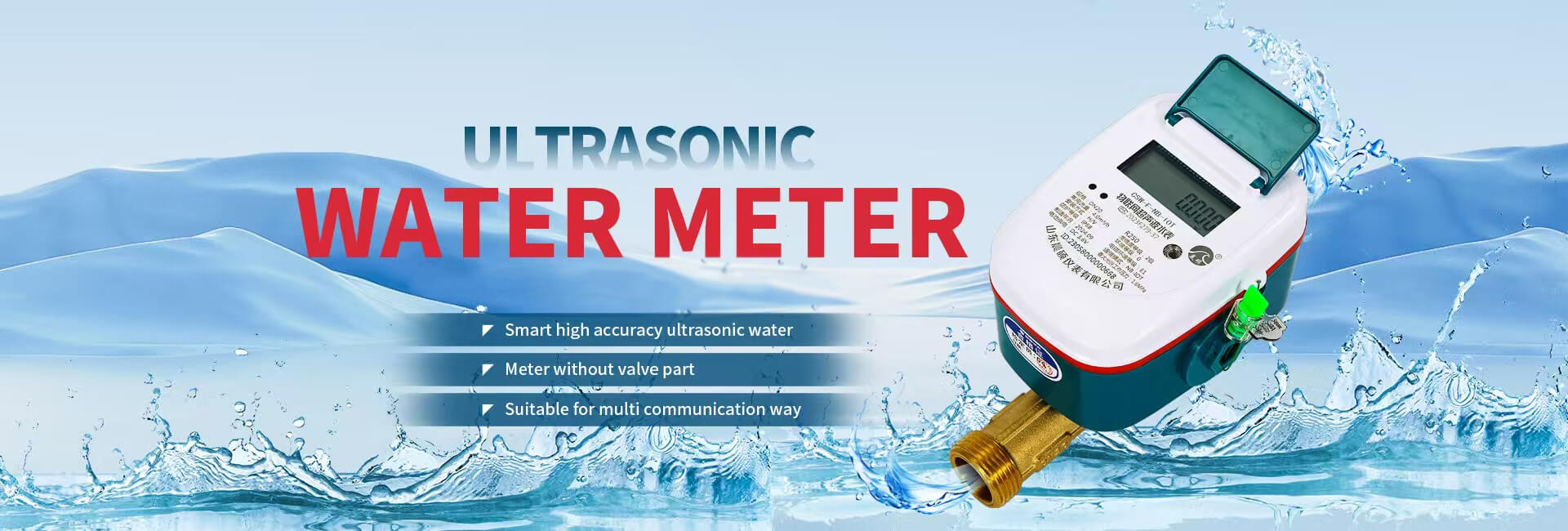


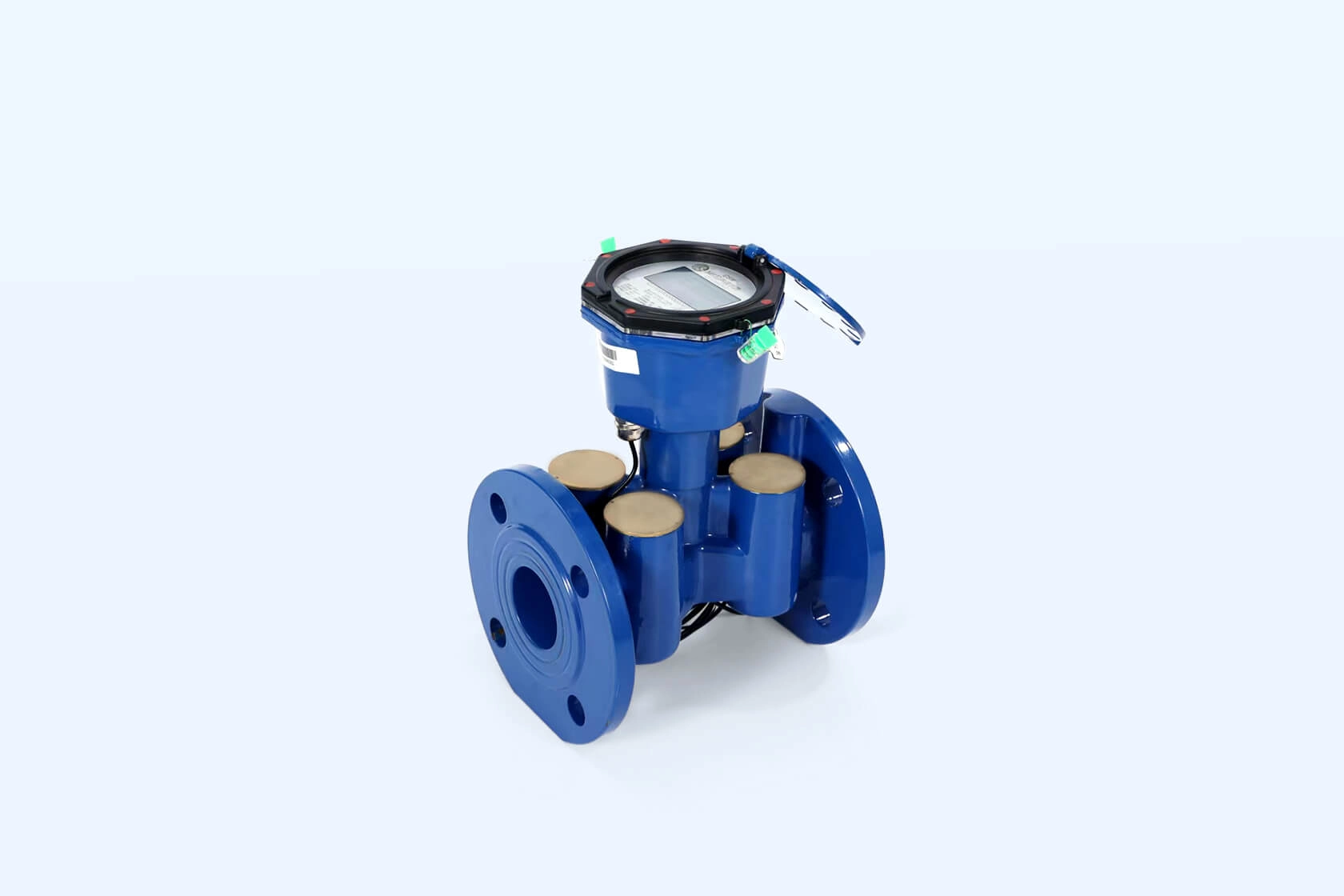
Die Wahl des richtigen Messsystems spielt eine entscheidende Rolle bei der Handhabung der Wasserversorgung, da sie beeinflusst, wie gut der Betrieb läuft und wie Geld im Laufe der Zeit eingespart wird. Traditionelle mechanische Zähler arbeiten seit vielen Jahren im Feld, aber ihre eingebauten Mängel, wie Fehler durch Verschleiß und die Notwendigkeit hoher Startströme, machen sie heute weniger nützlich. intelligente Wassernetze. Ultraschallsysteme bieten eine bessere Wahl, da sie sich auf Schallwellen verlassen, um die Strömungsgeschwindigkeit zu messen, ohne dass sich Teile bewegen. Damit diese Veränderung gut funktioniert, ist es wichtig, mit einem führenden Unternehmen auf dem Gebiet zusammenzuarbeiten. Chenshuo entsteht als führendes Technologieunternehmen in Linyi City, bekannt als “ Heimatstadt der Wassermesser. ” Mit der Fähigkeit, jährlich eine Million Einheiten zu produzieren, und einem starken Forschungsaufbau bieten sie flexible, ISO-zugelassene intelligente Messoptionen. Ihre Fähigkeiten im DMA (District Metered Area) Setup Management und digitalen Upgrades bedeuten, dass Kunden mehr als nur Grundgeräte erhalten; Sie erhalten einen vollständigen Plan, um das verlorene Wasser zu reduzieren und den Wert ihrer Dienstleistungen zu erhöhen.
Die Wahl eines Messgeräts, das nicht zu Ihren speziellen Wasserdurchflussbedingungen passt, verursacht sowohl kurzfristige als auch anhaltende Geldprobleme. Einheiten für Haushalte benötigen eine große Empfindlichkeit, um langsame Tropfen aus Wasserhahnen zu erkennen, während solche für Fabriken eine stetige Leistung unter großen Mengen erfordern, um schweren Gebrauch zu bewältigen. Wenn die Messfunktionen nicht dem vorgesehenen Einsatz entsprechen, entstehen Lücken in der Datenerfassung und das gesamte System wird zusätzlichem Druck ausgesetzt.
Fabrikleitungen transportieren häufig Wasser unter hohen Geschwindigkeiten und Kräften. Wird dort ein nicht für solche Bedingungen gebautes Messgerät platziert, können die Schallsignale schwanken, was zu erheblichen Messfehlern führt. Diese Fehler führen zu Wasser, das unberechnet und unsichtbar bleibt und somit direkt in Einkommensströme schneidet. Infolgedessen stehen Versorgungsunternehmen vor anhaltenden Umsatzmangeln, die mit der richtigen Ausrüstungswahl vermieden werden könnten.
Alle Zähler schaffen ein gewisses Maß an Widerstand gegen den Wasserstrom. In Fabrikumgebungen führt zu viel Druckabfall dazu, dass die Pumpen extra hart laufen, was den Stromverbrauch erhöht und Schaden am Getriebe beschleunigt. Die Auswahl eines Zählers mit einem gut gestalteten inneren Durchgang hilft dem Setup, seine Leistung stabil zu halten, ohne zusätzlichen Verschleiß an der Maschine. Dieser Ansatz spart nicht nur Energiekosten, sondern verlängert auch die Lebensdauer der angeschlossenen Komponenten.
Ein intelligenter Zähler funktioniert am besten, wenn seine Informationen reibungslos zum zentralen Hub fließen. Wenn das Meter’ s Datenformat kollidiert mit der Website’ Im Netzwerkaufbau bilden sich isolierte Informationstaschen. Ohne sofortige Ansichten der Daten verzögern sich die Reaktionen auf Linienunterbrechungen oder ungewöhnliche Nutzungstrends, was später zu kostspieligen Behebungen führt. Eine richtige Abpassung der Technologie stellt sicher, dass solche Probleme selten und handhabbar bleiben.
Der Bedarf an der Durchflussmessung unterscheidet sich zwischen einem typischen Haus und einem großen Produktionsstandort stark. Ultraschallzähler verwenden verschiedene R-Werte (Turndown-Verhältnisse), um korrekte Messungen über die gesamte Strömungsspanne zu erhalten, angefangen von den kleinsten Mengen bis zu den höchsten Anforderungen.
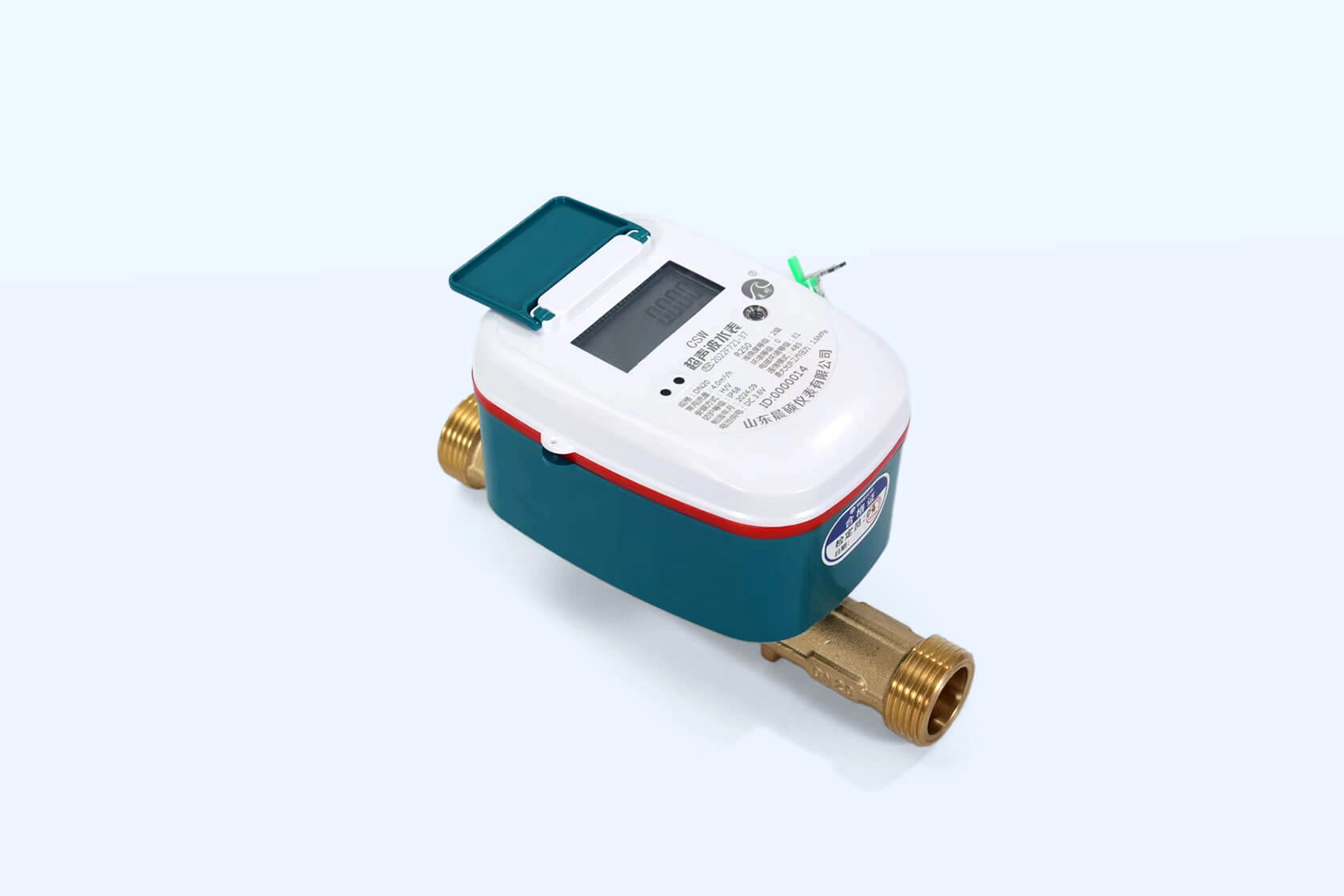
In Heimeinstellungen für Rechnungszwecke ist die Erfassung sogar winziger Wassermengen, einschließlich kleiner Leckagen, die ältere Zähler übersehen, unerlässlich. Die Ultraschall Wassermesser-DN20 liefert die für solche Haushaltspunkte erforderliche scharfe Genauigkeit, so dass der geringe Einsatz ordnungsgemäß protokolliert wird und jegliche Verluste in rechnungspflichtigen Beträgen verhindert wird. Diese Funktion hilft Dienstleistern, das zu sammeln, was sie verdienen, ohne kleinen, aber häufigen Verbrauch zu verpassen.
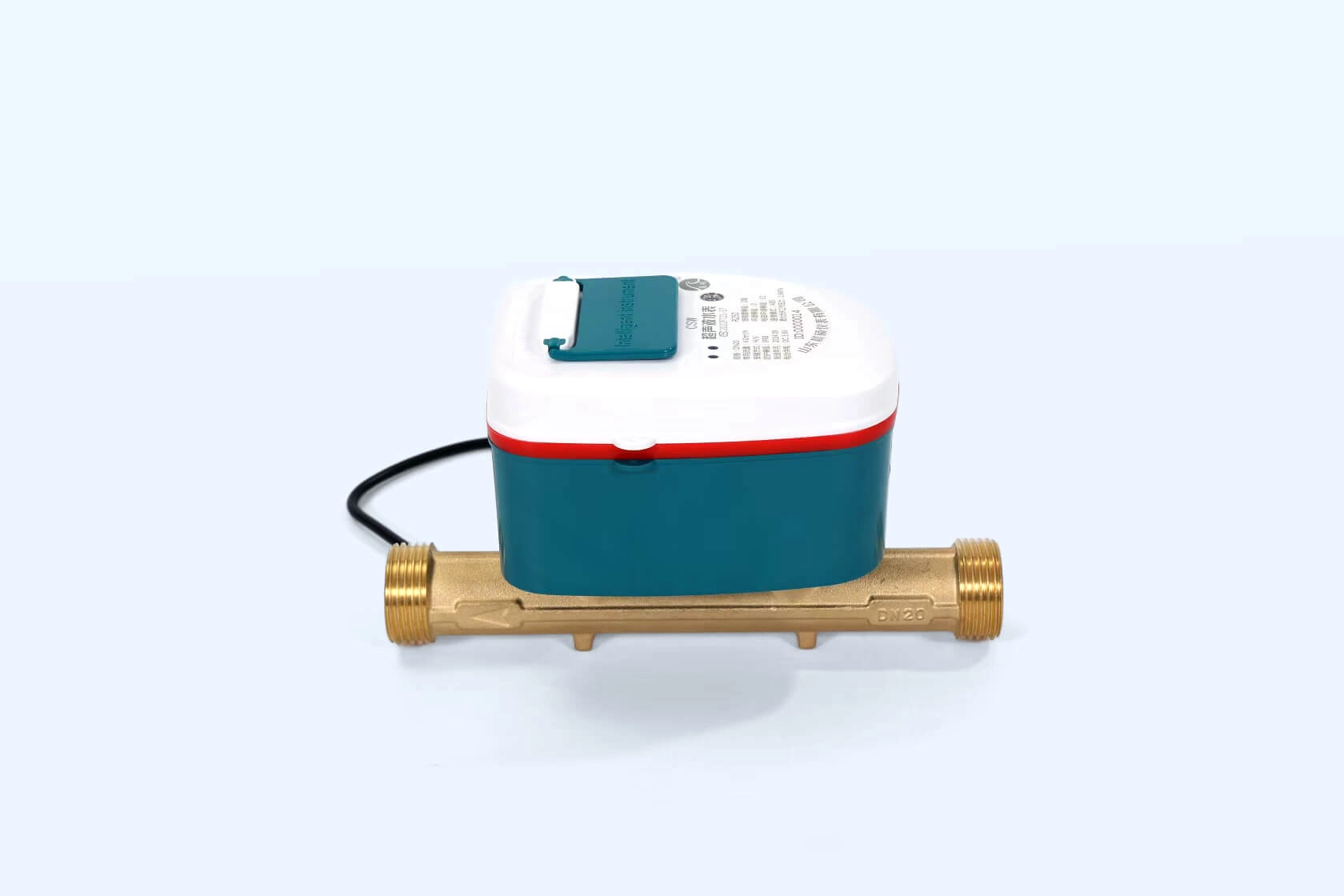
Orte wie Wohnhäuser und kleinere Geschäftsstandorte erfordern eine Mischung aus feiner Erkennung und solider Kapazitätsbehandlung. Die Ultraschall Wassermesser-DN32 verwaltet größere Stöße als grundlegende Heimmodelle, während eine kleine Größe beibehalten wird, die gut in gemeinsame Rohreinstellungen in Servicebereichen passt. Diese Balance unterstützt eine effiziente Überwachung in dichteren Wohn- oder Arbeitsräumen.
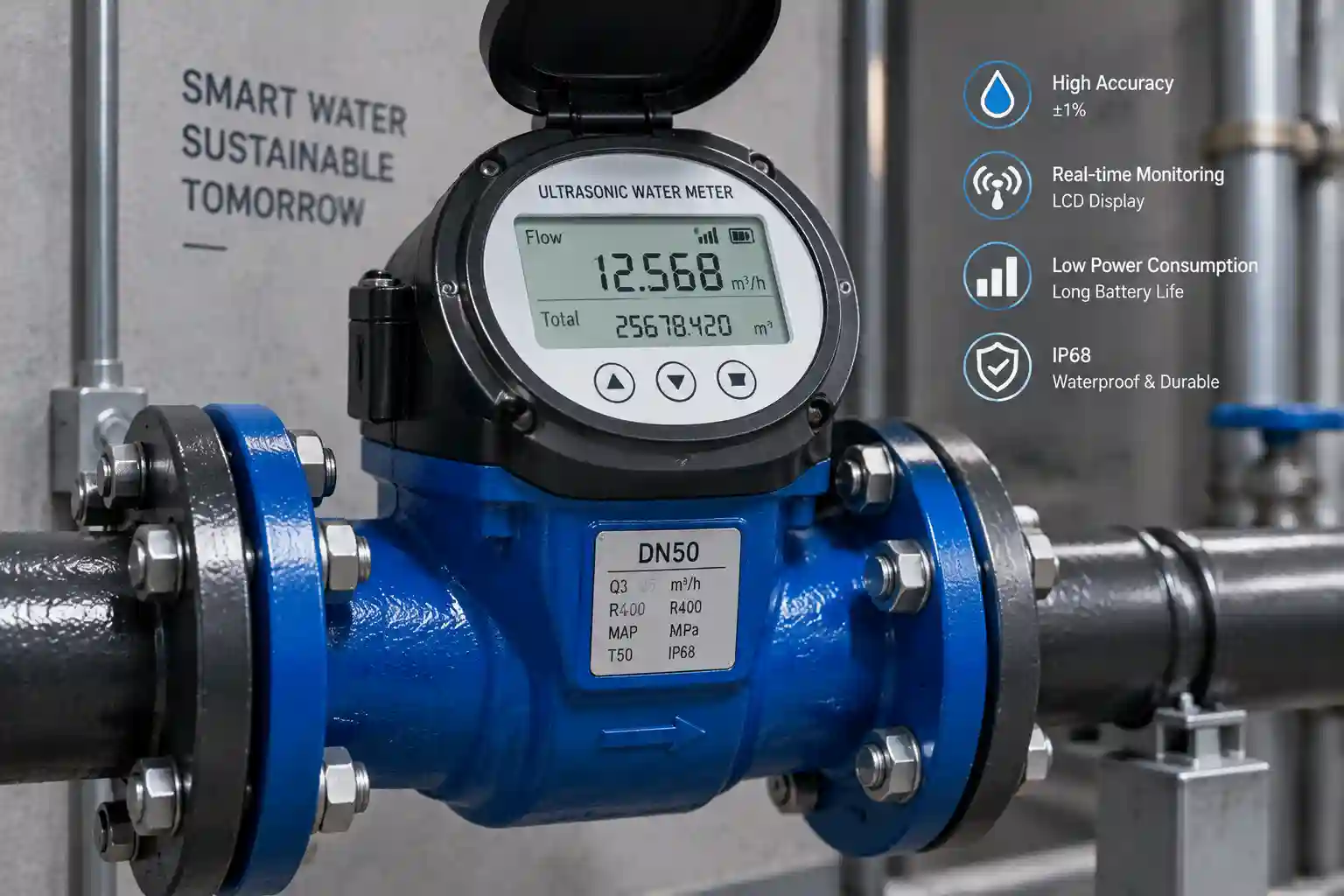
Große Betriebe erfordern Messgeräte, die ununterbrochen große Strömungen aushalten können, ohne im Laufe der Zeit zusammenzubrechen. Die Ultraschall Wassermesser-DN100 ist für diese schweren Aufgaben entwickelt und bietet den Firmenbau und ein breites Messspektrum, das für Primärversorgungsleitungen und Fabrikprozesse geeignet ist. Diese Zuverlässigkeit gewährleistet einen reibungslosen Betrieb in riskanten Umgebungen.
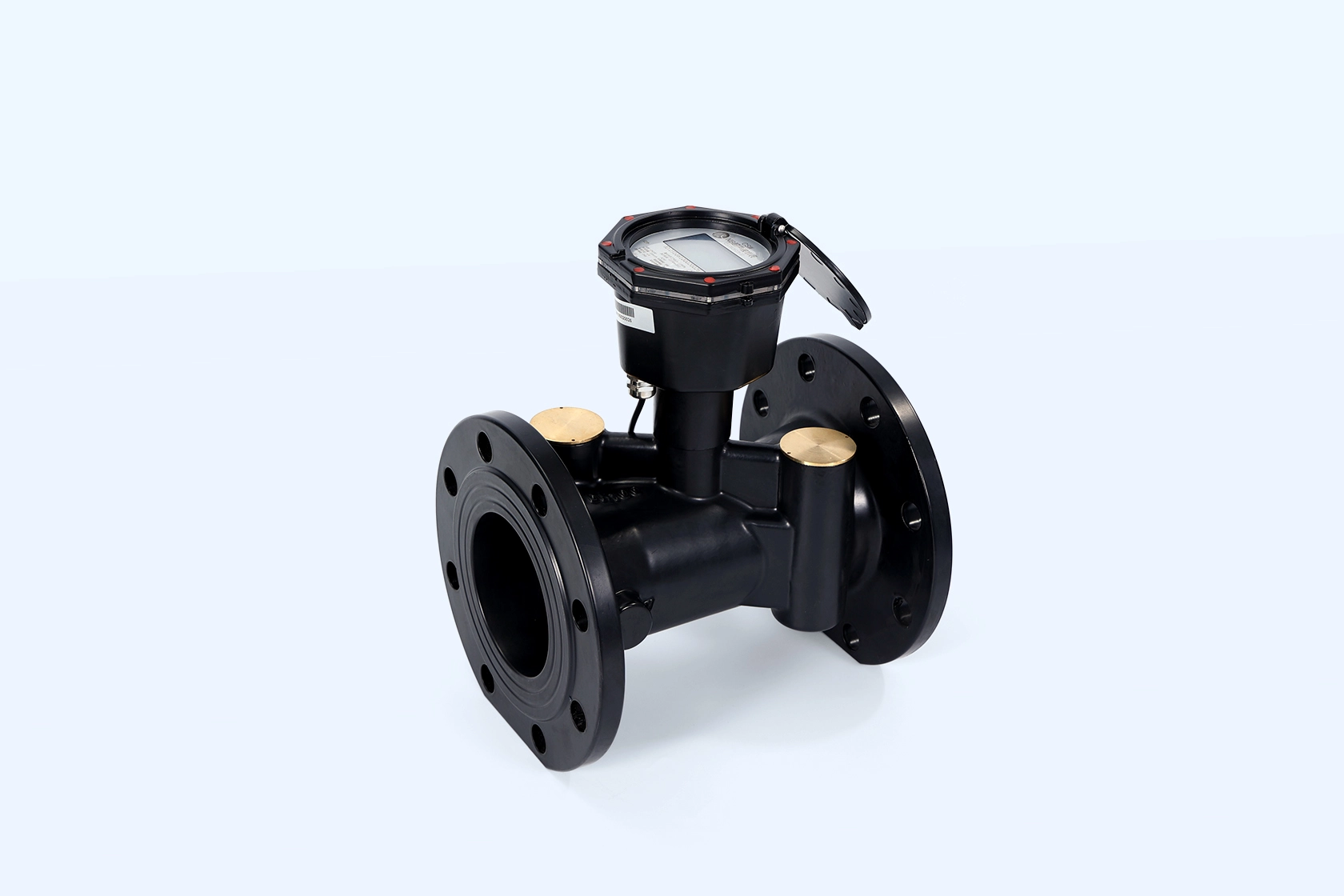
Der Ort, an dem ein Zähler geht, bestimmt, welche Materialien er verwenden soll. Zuhauszähler bleiben in der Regel an sichereren Innen- oder geschützten Orten, aber diejenigen für Fabriken oder große Versorgungen können sich mit Freiluft, begraben Flecken oder Wasser mit rauen Chemikalien befassen.
Zähler für Häuser müssen strenge Sicherheitsvorschriften erfüllen, um Trinkwasser sauber für Benutzer zu halten. Hersteller verwenden starke, rostfeste Materialien, die schädliche Bits in die Versorgung vermeiden, und sie halten die Gesamtgröße klein, um in enge Installationsbereiche zu passen. Diese Optionen stellen sicher, dass sich die Geräte problemlos sicher in die täglichen Hauswassersysteme einfügen.
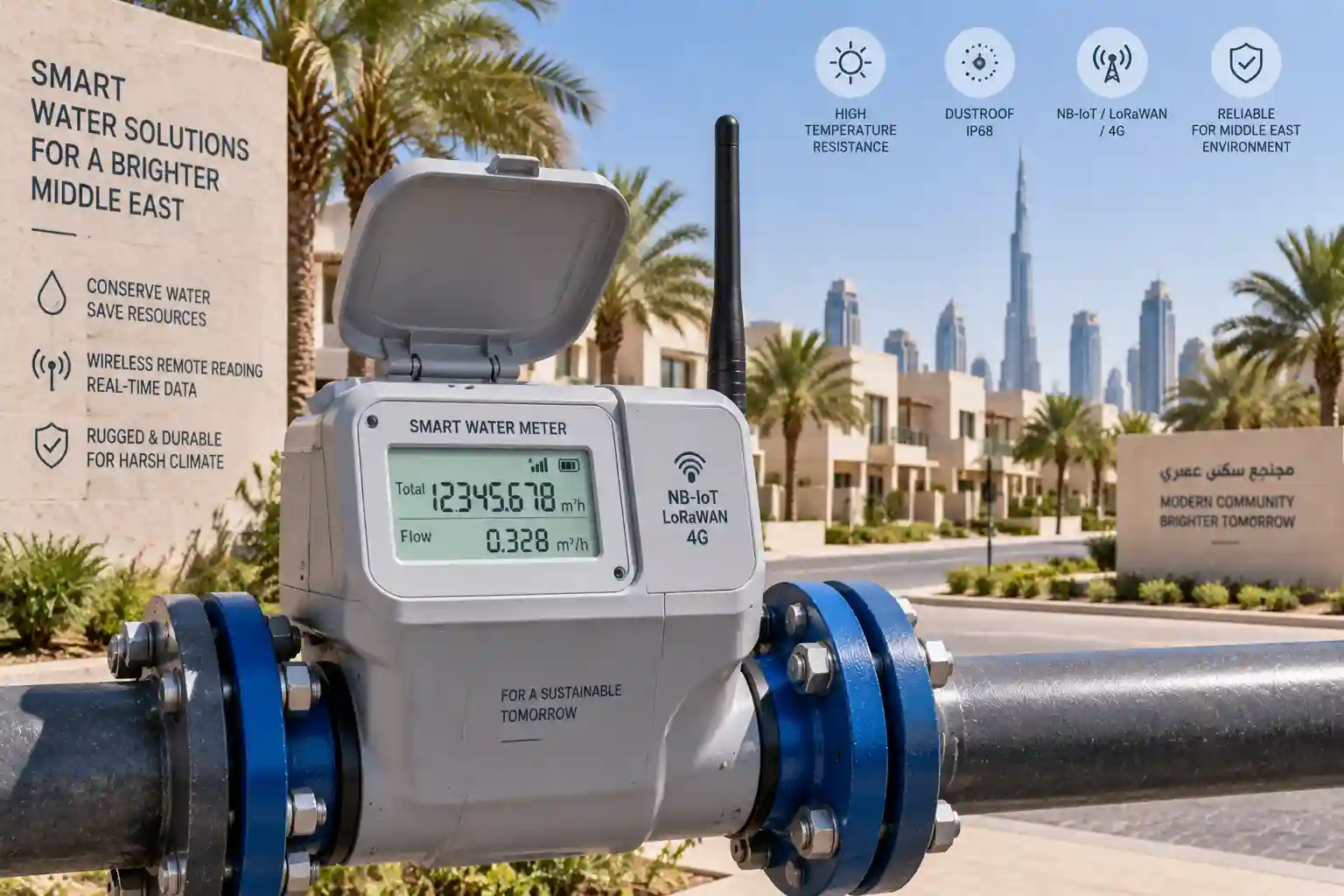
Fabrikzähler enden oft in wasserfüllten Löchern oder unter rauen Wetterbedingungen. Eine Schutzstufe IP68 ist ein Muss, da sie die innere Elektronik auch nach längerem Einweichen gut funktioniert. Robuste Gehäuse aus Gusseisen oder Edelstahl bieten den notwendigen Schutz gegen Schläge von außen und starke Kräfte im Inneren. Zusammen ermöglichen diese Elemente es den Zählern, an schwierigen Stellen zu halten.
Wasser im industriellen Gebrauch kann Bits oder Ansammlungen tragen, die im Laufe der Zeit zu Verstopfungen führen. Da Ultraschallzähler einen direkten Rohrverlauf ohne bewegliche Elemente aufweisen, widerstehen sie Blockaden und Beschädigungen besser als ältere mechanische Typen, was eine stetige Betriebszeit von mehr als zehn Jahren in anspruchsvollen Aufstellungen unterstützt. Diese Konstruktionswahl reduziert den Reparaturbedarf und hält die Messungen vertrauenswürdig.
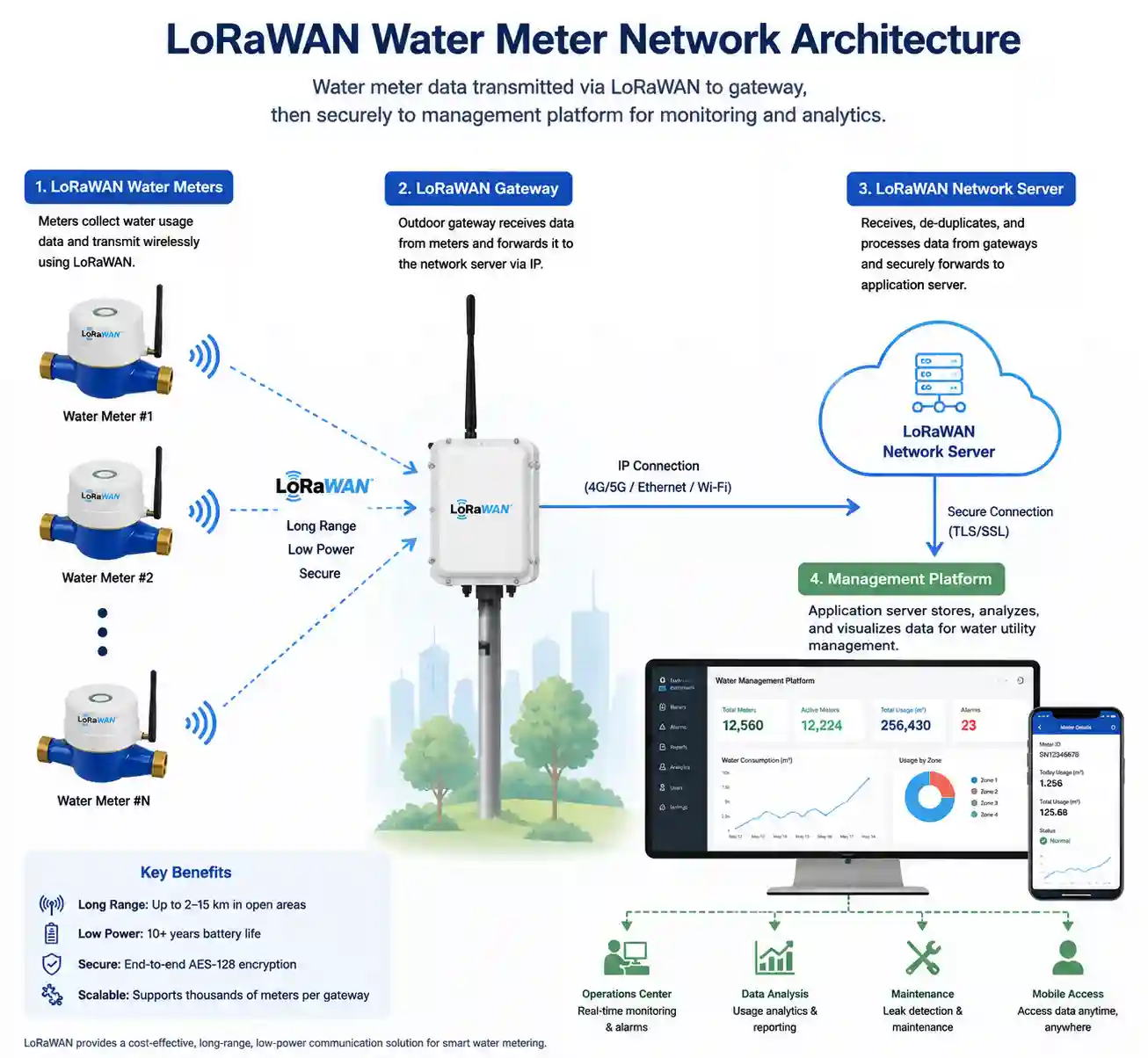
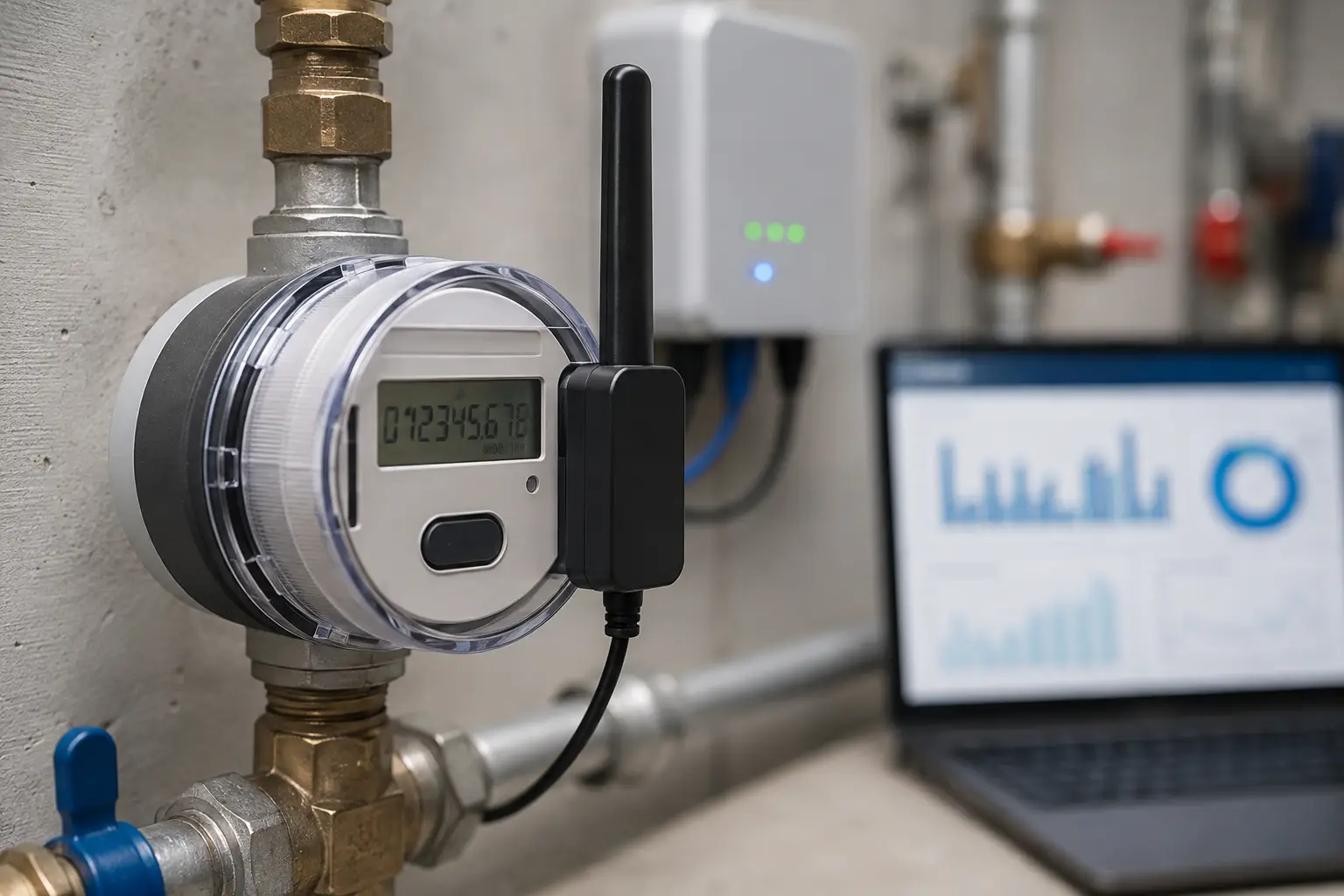
Der Umstieg zu einer intelligenten Wasserbehandlung hängt von der einfachen Datenaustausch über das Netzwerk ab. Die Art der gewählten Kommunikationsmethode hängt von der aktuellen Einrichtung am Standort ab und wie weit das Signal zum Steuerpunkt gelangen muss.
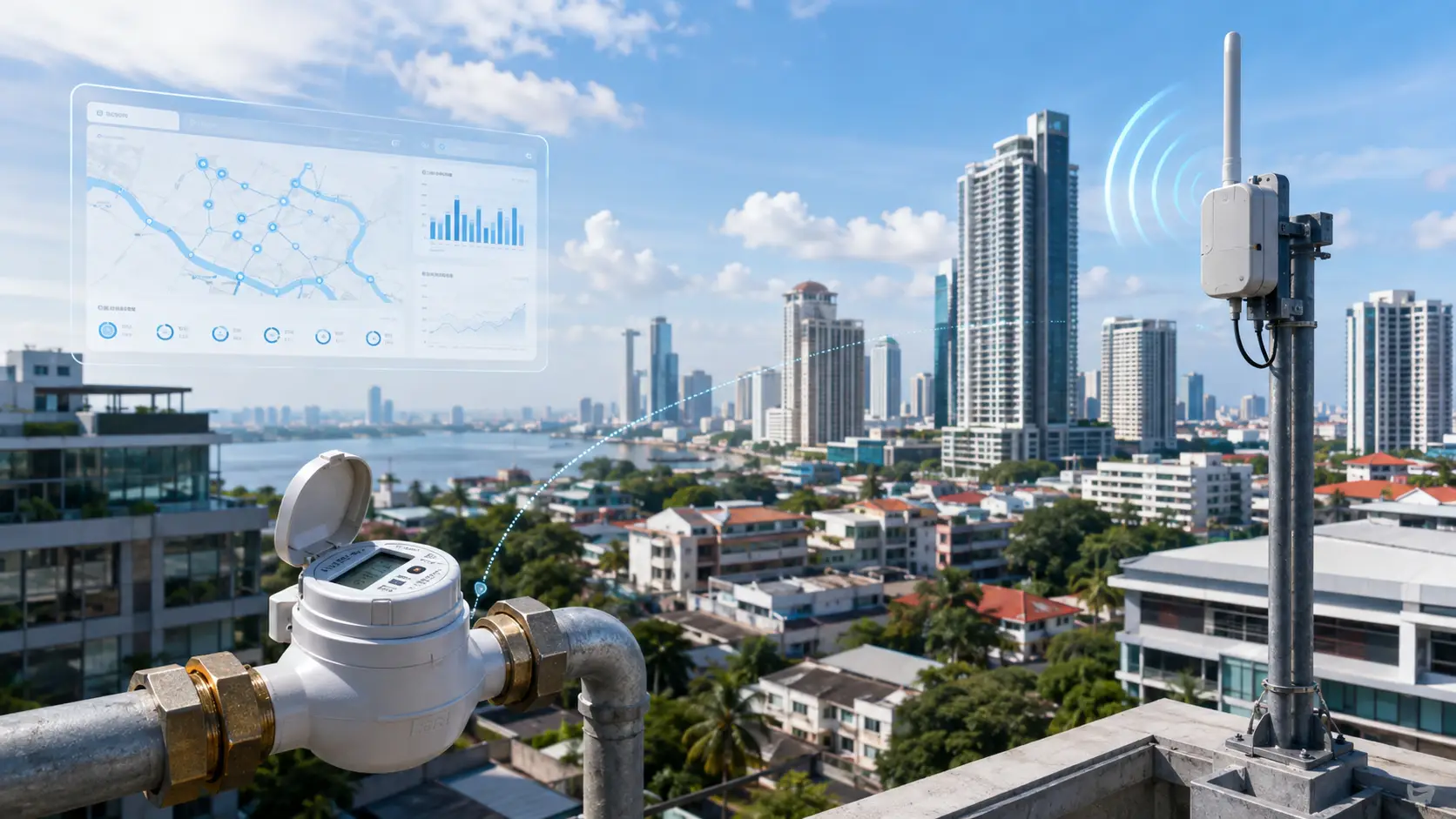
Für weite Heimanstallationen in Städten passen drahtlose Optionen wie NB-IoT und LoRaWAN perfekt. Diese Methoden greifen tief durch Barrieren und decken lange Strecken ab, so dass Daten von vielen Metern ohne praktische Kontrollen oder teure Kabellaufe gesammelt werden können. Diese Einrichtung vereinfacht die Überwachung für städtische Wasserversorger.
Fabrikstandorte verbinden in der Regel Wasserinformationen über Kabel direkt in ihre aktuellen Steuerungs- oder Gebäudesysteme. Standards wie RS485 oder M-Bus liefern feste, aktuelle Datenströme, die schnelle Prozessänderungen und eine genaue Verfolgung des Wasserverbrauchs im Betrieb ermöglichen. Solche Verbindungen verbessern die Gesamteffizienz der Fabrik.
Die Verknüpfung von Zählern mit Cloud-Diensten ermöglicht eine effektive DMA-Zonenaufsicht. Dieser Prozess vergleicht den gesamten Wassereintrag auf eine Fläche mit der Gesamtmenge von separaten Messungen, der Identifizierung von Leitungsfehlern oder unbefugten Entzügen im System. Dadurch bekommen die Führungskräfte klare Einblicke, auf die sie umgehend reagieren können.
Eine starke Wasserkontrolle erfordert eine Teamkollege mit solider Technologie Know-how und eine komplette Produktpalette. Der beste Hersteller liefert die Mittel, um einen Standarddienst in einen datengestützten und für eine dauerhafte Nutzung gebauten zu verlagern.
Zeichnung aus langen Jahren in der “ Heimatstadt der Wassermessgeräte ” die Expertengruppe richtet sich auf praktische Herausforderungen wie Signalstörungen und Batteriebeständigkeit. Dieser Antrieb nach neuen Ideen hält die Ausrüstung über die gesamte Arbeitsspanne hinweg zuverlässig. Kunden profitieren von Lösungen, die realen Anforderungen im Feld gerecht werden.
Von kleinen Hausgruppen bis hin zu großen Fabrikbereichen erleichtert das Festhalten an einer Technologiequelle Wartungsaufgaben. Die Ultraschall Wassermesser-DN80 zusammen mit anderen in der Linie sorgt dafür, dass jeder Teil des Netzwerks auf der gleichen zuverlässigen Ultraschallbasis läuft. Diese Einheitlichkeit unterstützt reibungslose globale Rollouts.
Der Gewinn bei der intelligenten Wasseraufsicht besteht darin, Technologie auf die richtige Weise anzuwenden. Der Zugriff auf fokussierte Hilfe verhindert typische Einrichtungsfehler und bestätigt, dass die Datenverbindungen für höchste Zuverlässigkeit und Energieeinsparungen eingestellt sind. Diese Unterstützung stärkt die Geschäftsergebnisse.
Q1: Was ist der Hauptvorteil von Ultraschallzählern gegenüber mechanischen?
A: Ultraschallzähler haben keine beweglichen Teile, was mechanischen Verschleiß beseitigt und eine viel niedrigere Startdurchflussrate ermöglicht, die langfristige Genauigkeit und reduzierte Wartung gewährleistet.
Q2: Wie lange hält die Batterie in diesen intelligenten Zählern?
A: Die meisten hochwertigen Ultraschallzähler sind mit energiearmer Elektronik ausgelegt, die es der Lithiumbatterie ermöglicht, je nach Datenübertragungsfrequenz 10 Jahre oder mehr zu halten.
Q3: Können diese Zähler vertikal installiert werden?
A: Ja, im Gegensatz zu vielen mechanischen Zählern, die horizontal sein müssen, um genau zu bleiben, können Ultraschallzähler in der Regel in jeder Orientierung installiert werden, solange das Rohr voller Wasser bleibt.
 Adresse: Xiao'anzi Industrial Park, Stadt Baishabu, Lanshan District, Linyi City, Provinz Shandong
 Rufen Sie uns jetzt an:+86 15562945993
 E-Mail:info@sdchenshuo.cn


Shandong Chenshuo Instrument Co., Ltd.