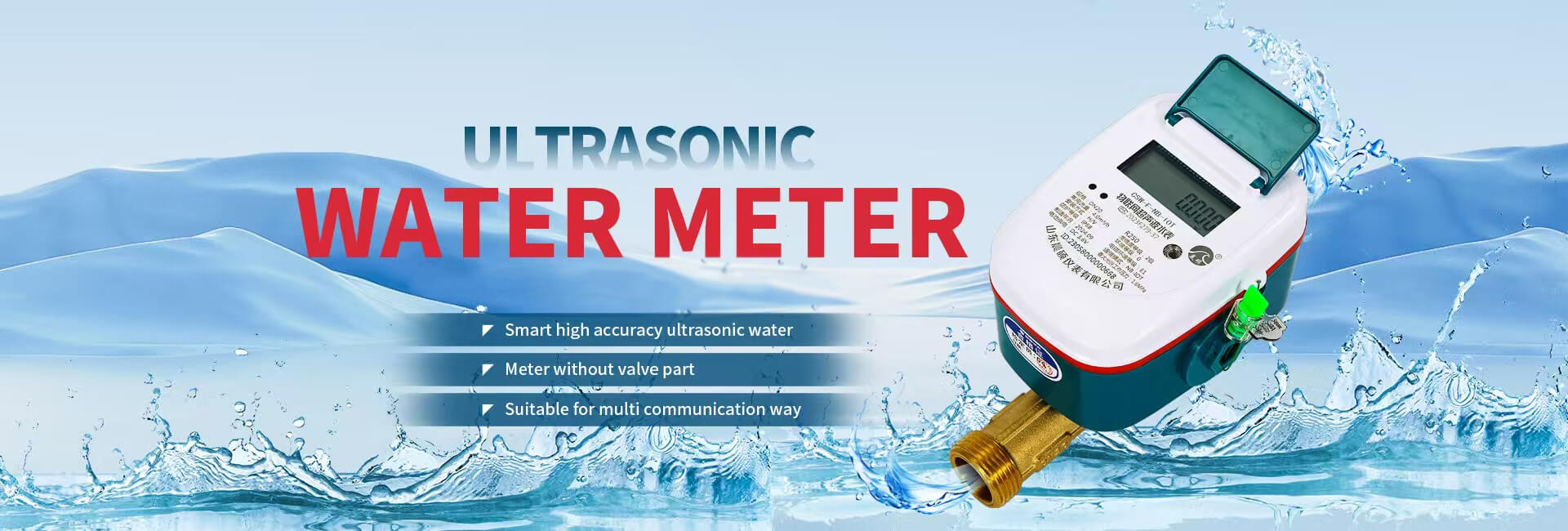


Im Nahen Osten treiben die rasante Urbanisierung und die chronische Wasserknappheit die Versorgungsunternehmen zu intelligenteren Lösungen. Da alternde Pipelines riesige Mengen an behandeltem Wasser verlieren und die Bevölkerung boomt, können traditionelle mechanische Zähler einfach nicht mithalten. Die Region umfasst jetzt IoT-fähige intelligente Wasserzähler, Prepaid-Systeme und LoRaWAN-Technologie, die Echtzeit-Einblicke, automatisierte Abrechnung und frühe Leckwarnungen liefern. Diese Upgrades senken nicht nur die nicht umsatzbedingten Wasser- und Betriebskosten, sondern entsprechen auch den ambitionierten nationalen Nachhaltigkeitszielen. Diese Veränderung führen robuste, regional angepasste Produkte wie die LoRaWAN-Meter von Shandong Chen Shuo, die für den Erfolg unter rauen Wüstenbedingungen gebaut wurden.
Im Nahen Osten verändern das schnelle Stadtwachstum und der ernsthafte Wassermangel die Art und Weise, wie die Menschen die Wasserversorgung beobachten und behandeln. Mehrere Nationen haben sich hier mit trockenem Wetter, kleinen Süßwassermengen und großen Verlusten aus Nicht-Einkommenswasser (NRW) aufgrund alter Rohre und Systeme befassen. Um dies zu bekämpfen, bewegen sich Führungskräfte und Wasserunternehmen zu cleveren Messgeräten, die es ihnen ermöglichen, den Gebrauch eindeutig zu verfolgen, Dinge in Echtzeit zu überprüfen und Rechnungen selbst zu bearbeiten. Diese Werkzeuge setzen nicht nur die Ressourcengrenzen fest, sondern passen auch zu Plänen für eine grünere Zukunft.
Vielleicht haben Sie den Wandel von alten mechanischen Zählern zu helleren Optionen gesehen. Dieser Schalter ist mehr als nur Tech-it’ Ein intelligenter Plan. Da sich die Technologie verbessert, beginnen sich Prepaid-Wasserzähler und Remote-Wasserzähler zu verbreiten und sich mehr anzuwenden, was den Menschen einen einfacheren Weg bietet, mit Wasserrechnungen umzugehen. Diese Bemühung bekommt zusätzliche Hilfe von der Region’ Ausgaben für intelligente Städte, in denen vernetzte Wassermesssysteme eine Schlüsselrolle für den guten Betrieb von Versorgungsunternehmen spielen.
Regeln und Pläne in den GCC-Ländern und an anderen Orten neigen sich jetzt an Versorgungsunternehmen, die Daten klug nutzen. Wassergruppen auf nationaler Ebene setzen fest Regeln für den Einsatz intelligenter Messgeräte in neue Gebäude und ältere Anlagen. Viele frische Haushalts- und Geschäftsprojekte müssen Zähler hinzufügen, die von fern lesen können und mit Prepaid-Funktionen arbeiten, was die Kosten für Wasserunternehmen senkt und gleichzeitig die Benutzer stärker einbezieht.
Darüber hinaus helfen Informationen aus diesen besseren Zählern, Richtlinien auf der Grundlage intelligenter Analysen zu entwickeln, um Leckagen zu reduzieren, Bedürfnisse vorherzusagen und seltsame Probleme zu erkennen, bevor sie zu großen Problemen für Rohre und Systeme werden. Solche Schritte sind sehr wichtig in einem Bereich, in dem kein Tropfen Wasser verschwendet werden kann.
Prepaid-Wasserzähler werden im gesamten Nahen Osten beliebt als nützliche Lösung sowohl für die Budgetierung von Menschen für Wasser als auch für die Art und Weise, wie Unternehmen Geld sammeln. Diese Zähler lassen die Leute im Voraus bezahlen, was sie verwenden, was Verzögerungen reduziert und die Dinge für alle klarer macht.
Genaues Messen verwandelt jedes Stück Wasser in etwas Kostbares, und die Prepaid-Methode baut darauf auf, indem die Benutzer ihre Nutzung sofort sehen können. Für Wasserunternehmen reduziert dieses Setup Kämpfe über falsche Rechnungen und erleichtert die Belastung der Büroarbeit.
An Orten mit niedrigeren Einkommensstufen handeln Prepaid-Zähler als gerechte und faire Wahl. Sie lassen die Menschen ihren Wasserverbrauch verwalten, ohne auf Ende-Monats-Rechnungen zu warten. Diese Zähler lehren auch Benutzer - Familien lernen über ihre Gewohnheiten mit Wasser, das das Gebiet unterstützt. Ziel ist es, Ressourcen zu sparen.
Die größte Veränderung im Bereich der Wassermessgeräte ist die Hinzufügung von Internet of Things (IoT) -Technologie und Low Power Wide Area Networks (LPWANs) wie LoRaWAN. Diese Schritte ermöglichen es Wasserunternehmen, den Wasserverbrauch in ganzen Städten zu überprüfen, während sie wenig Strom verwenden und weniger Wartung benötigen.
Der Konzentrator spricht mit der Hauptstation über das GPRS/LoRaWAN-Modul, um Daten an die Hauptstation zu senden, wodurch das vollautomatische Fernlesen von Wassermessdaten sowie die Verknüpfung von Daten mit dem Zahlungszentrum möglich ist. Diese Strompflecken Leckagen oder falschen Gebrauch sofort - große Sorgen an Stellen, wo Wasserverlust sowohl Geld als auch Natur schadet.
Mit den in Echtzeit erfassten Daten können Wasserunternehmen Bedürfnisse besser erraten und ihre Netzwerke reibungsloser funktionieren. Dieser vorausschauende Weg führt zu einer intelligenteren Verteilung des knappen Wassers und hilft bei den Plänen für die kommenden Jahre.
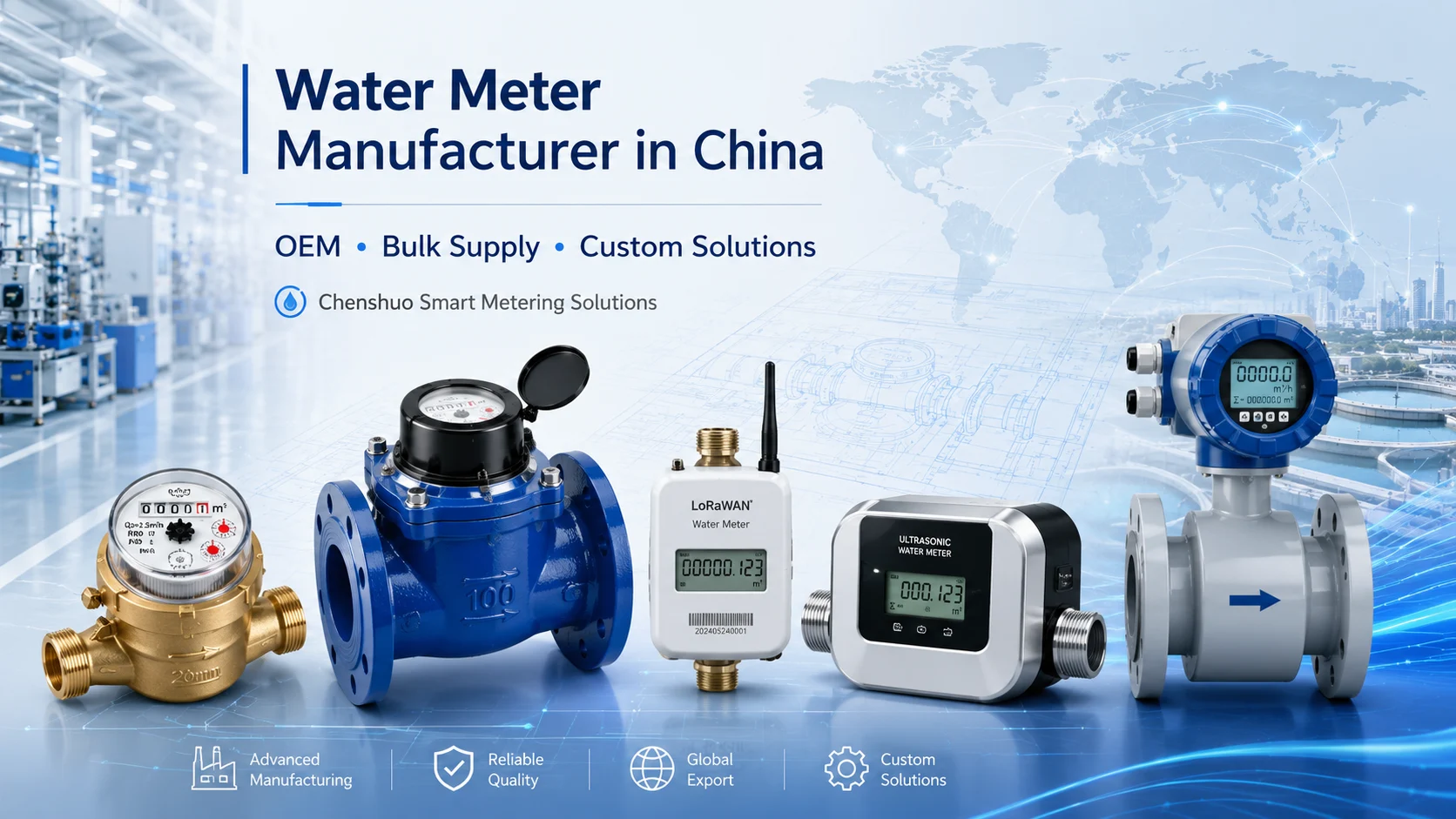
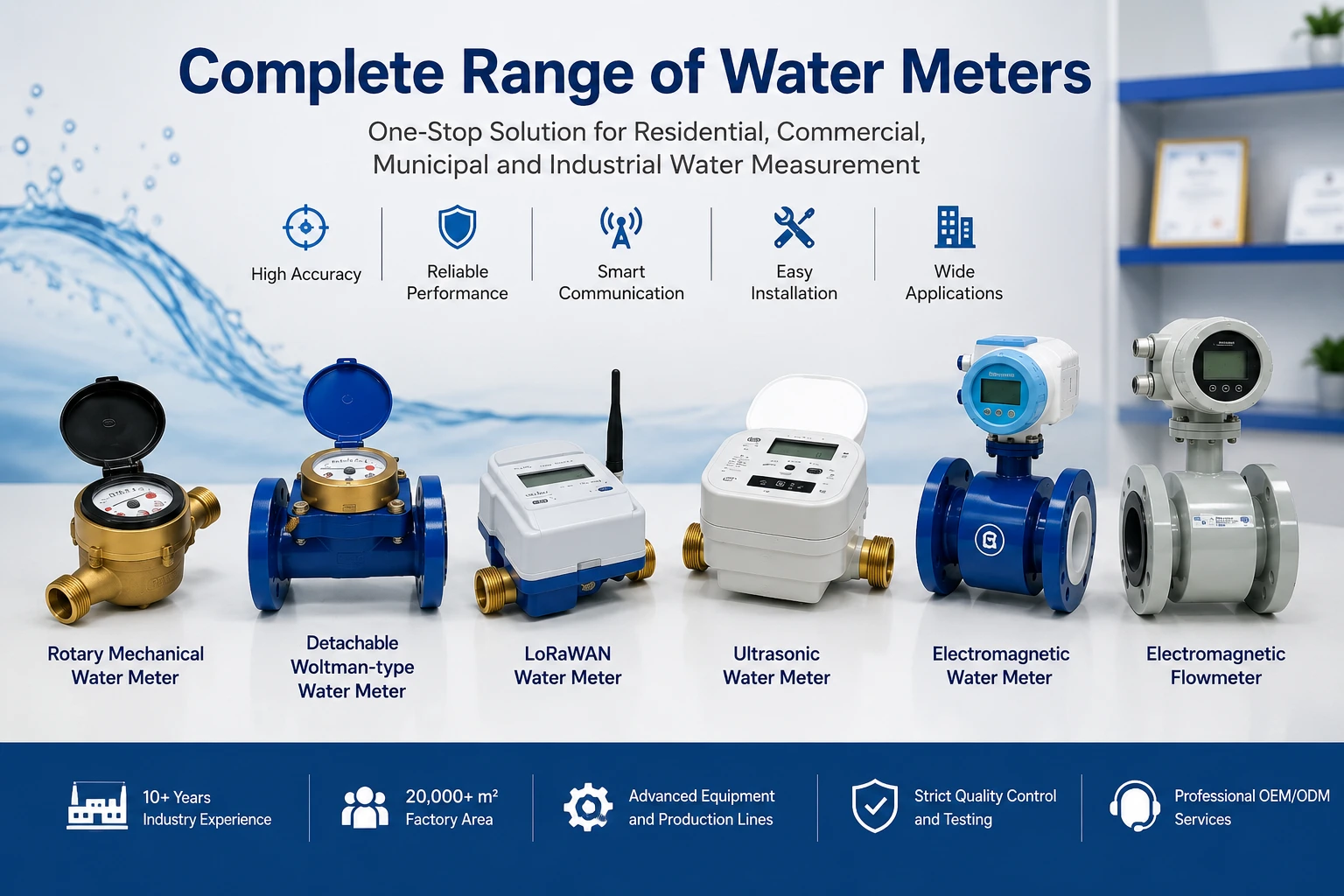
Wenn Sie einen soliden Hersteller benötigen, der intelligente, robuste und für die Region bereite Wassermessgeräte bietet, Shandong Chen Shuo Instrument Co., Ltd. fangt das Auge mit seiner gesamten Produktpalette. Ihr Angebot zeigt einen starken Schub für neue Ideen, die heute passen’ Nützlichkeitsprobleme. Das Unternehmen mischt erstklassige drahtlose Gesprächsmethoden mit starker Messtechnik, die in rauen Umgebungen standhält - genau richtig für die Märkte im Nahen Osten. Mehr als nur Artikel, sie geben Ratschläge und Hilfe, um sicherzustellen, dass sich Ihre Einrichtungsaufwendungen im Laufe der Zeit auszahlen.
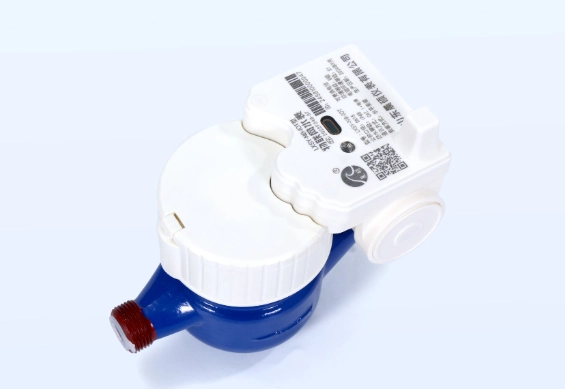
Die Lorawan Wassermessgerät DN15 ist nur für Wohngebäude gemacht, wo Platzeinsparung viel zählt. Mit seinem Rotor trocken oder nass Setup für die Messung, liefert es spot-on Ergebnisse, auch wenn Wasser langsam fließt - sicherzustellen, dass Rechnungen sind fair, unabhängig vom Druck.
Der Schutz gegen Wasser erreicht IP68. Es behält den Grundbau des üblichen nassen oder trockenen Wassermessers, so dass es nicht stört, wie gut es misst oder wie empfindlich es ist. Dies macht es zu einer großartigen Wahl für Häuser, die sowohl Genauigkeit als auch Festigkeit wünschen.
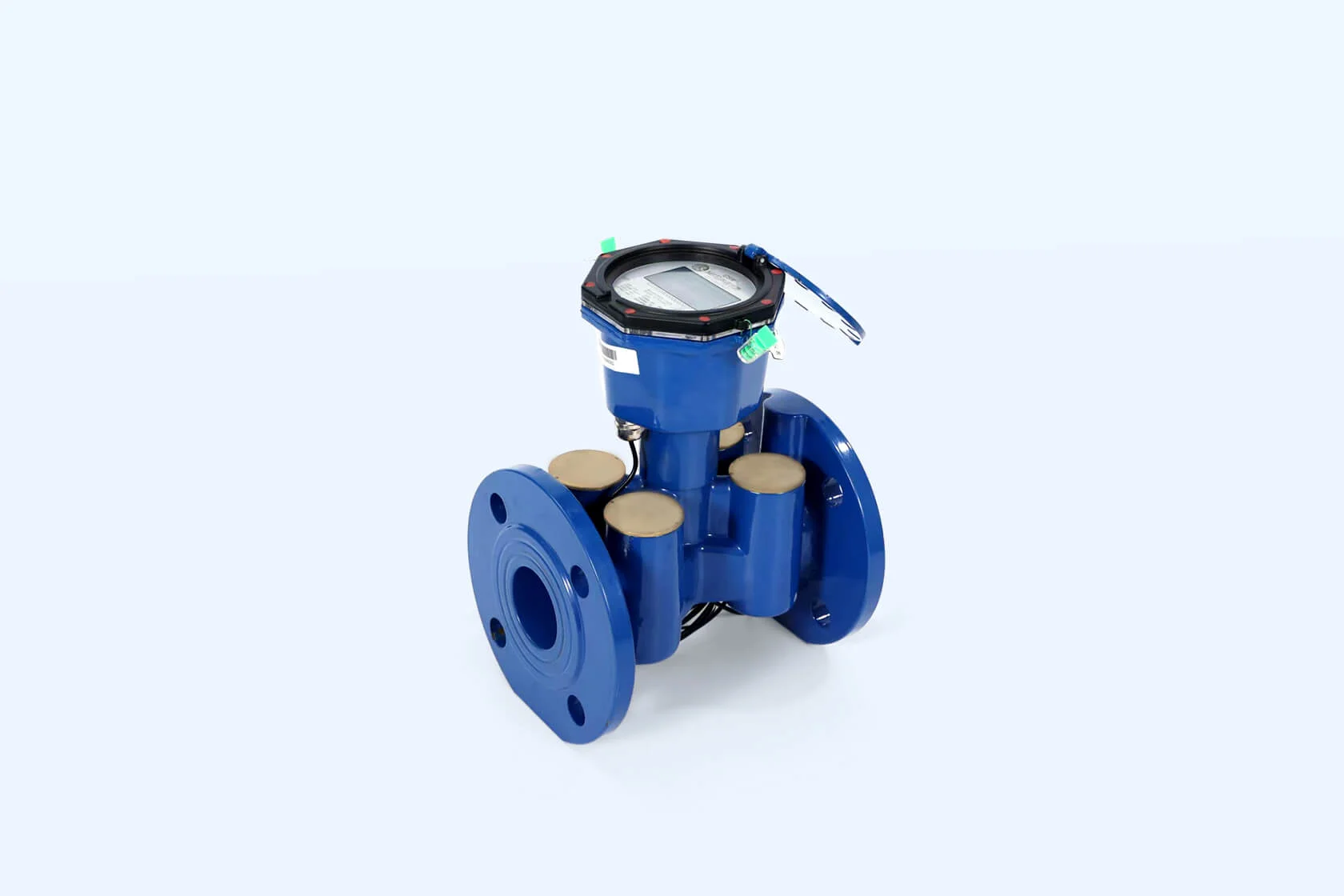
Dieser Typ passt direkt in LoRaWAN-Netzwerke, ohne dass Frequenzbänder beantragt werden müssen. Sein eingebauter Gesprächsteil unterstützt das Lesen von weit weg, bis zu 6 Kilometern - so dass das automatisierte Zählerlesen stattfindet, ohne dass Menschen es von Hand tun oder falsch erraten.
Es verwendet einen Split-Stil und das elektronische Teil sitzt in seinem eigenen vollständig geschlossenen Raum. Dieser Stil sorgt dafür, dass es gut für eine lange Zeit bei schlechtem Wetter funktioniert, das’ Es ist in vielen Gebieten des Nahen Ostens üblich.
Der Typ DN15 ist mit optionalen Ventilsteuerungen für Prepaid-Anwendungen ausgestattet. Dadurch können Sie oder Ihre Mieter die Nutzungsbegrenzungen vollständig über Telefon- oder Web-Tools handhaben, zusätzliche Nutzung reduzieren und bei Geldplänen helfen.
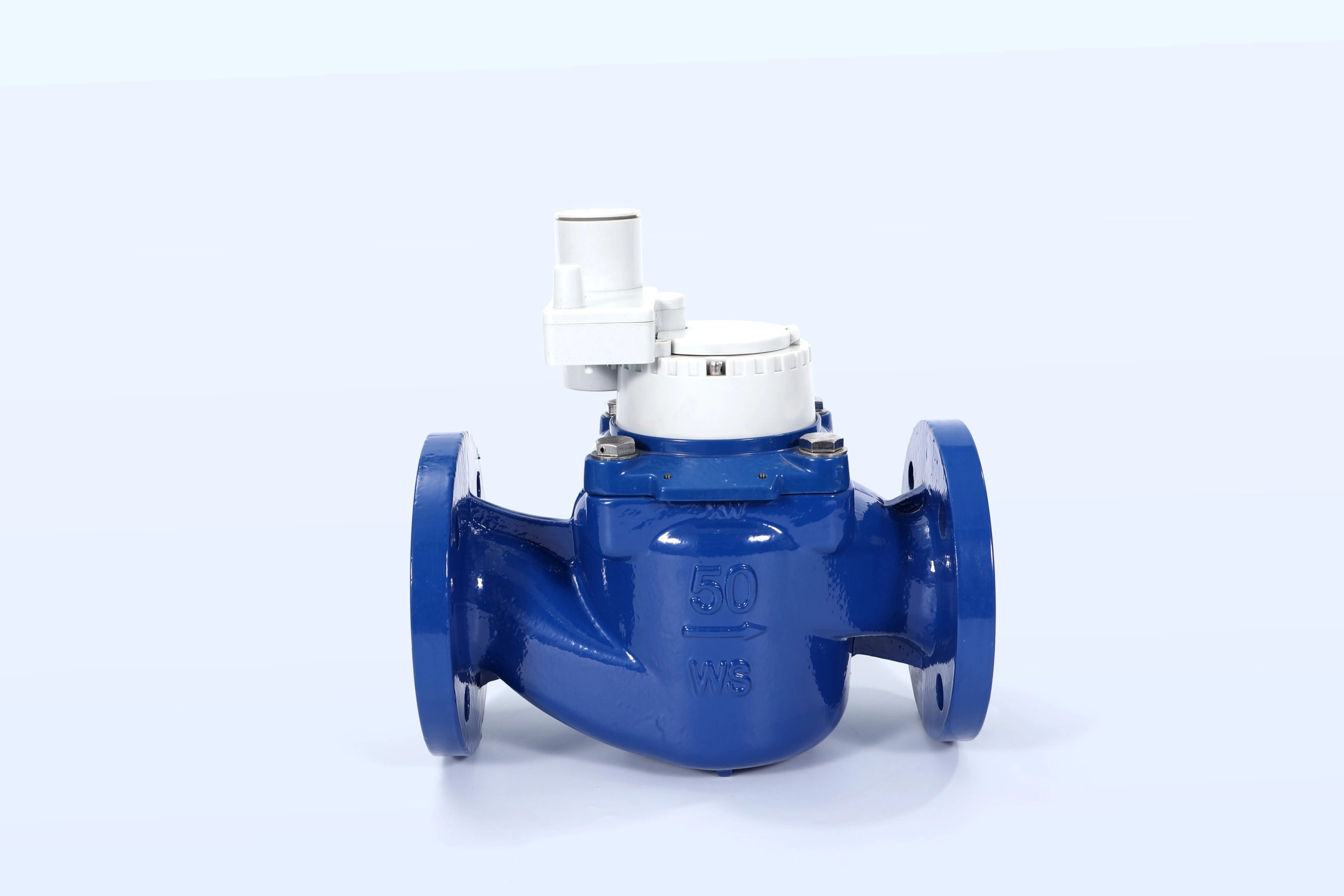
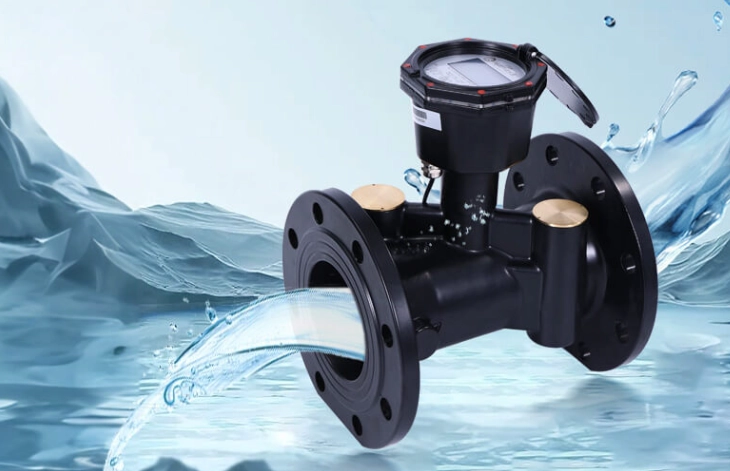
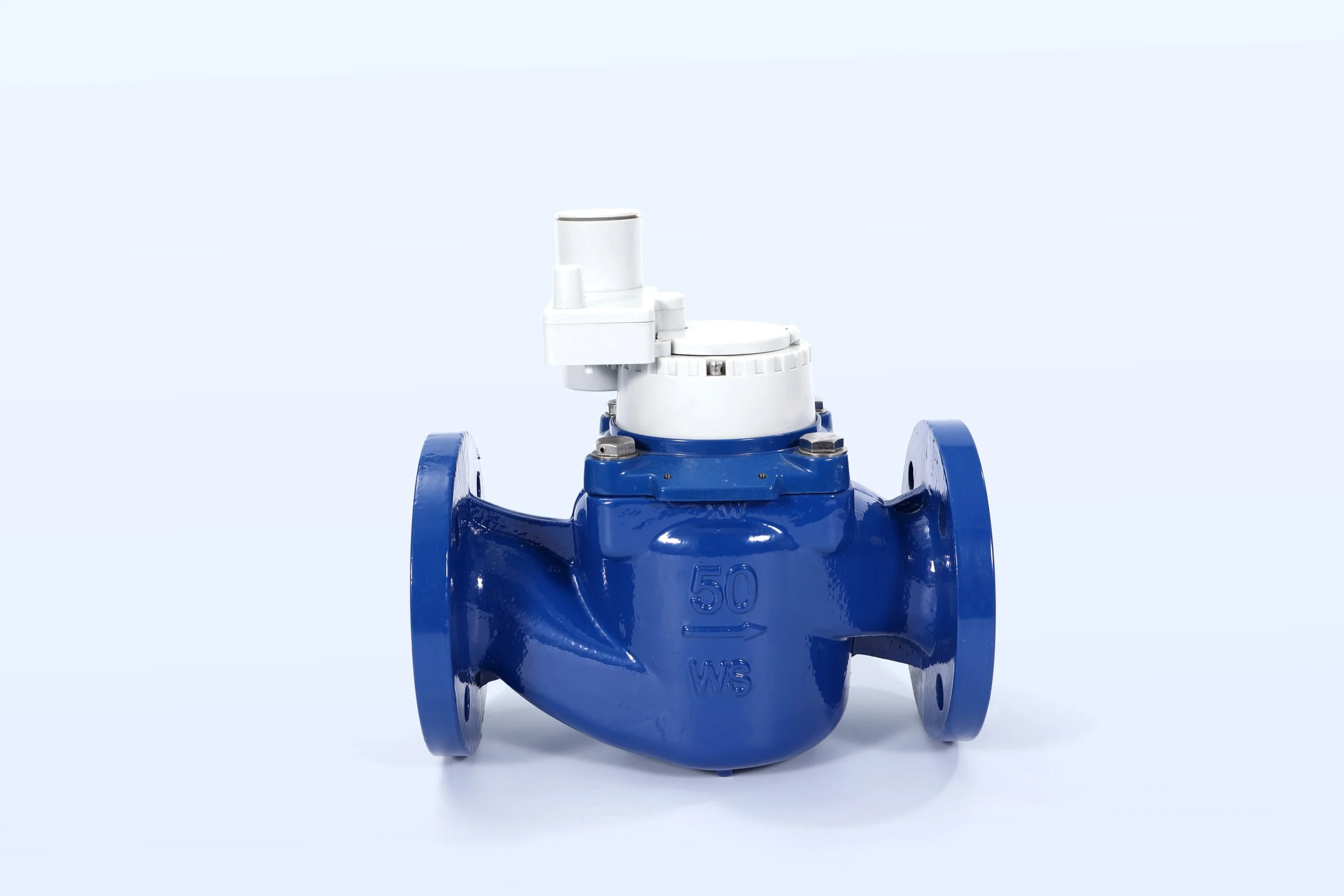
Für Orte mit viel Bedarf, wie Geschäftszentren oder Fabriken, die Lorawan Wassermessgerät DN50 ist eingestellt, um auch unter Stress eine stetige Arbeit zu geben. Die größere Größe ermöglicht es, direkt über verschiedene Durchflussgeschwindigkeiten zu messen, ohne zu verlieren, wie gut es läuft oder wie wahr die Messung ist.
Es kann Ventilsteuerung hinzufügen und hat die guten Punkte eines Prepaid-Wassermessers. Diese Flexibilität macht es nicht nur für Unternehmen gut, sondern auch für Orte mit Häusern und Arbeitsplätzen gemischt, wo sich der Wasserbedarf häufig ändert.
Dieser Typ ist mit Materialien gebaut, die Rost bekämpfen, die für hohe Hitze, Feuchtigkeit und Reibung über Jahre hergestellt wurden - Schlüssel für Außenaufgaben oder Fabrikanwendungen, in denen die Umgebung hart drückt.
Arbeitstemperatur: -20-100°C (Arbeitstemperatur elektronischer Module), was zeigt, dass es in sehr schwierigen Stellen stetig laufen kann, ohne sich verschlechtern zu lassen.
Warnungen in Echtzeit helfen, Probleme wie seltsame Verwendung oder mögliche Leckagen auf einmal zu erkennen. Seine einfache Passung in die Hauptversorgungssysteme sichert Pläne für die Reparatur von Dingen im Voraus, was Ausfälle reduziert und das Getriebe länger hält.
Empfangsempfindlichkeit: -136 ± 1dBm; Kommunikation Entfernung: typische Entfernung: 1-6Km, passend es für große Setups in Städten oder Arbeitszonen.
Mit der Mischung von Setups in den Ländern des Nahen Ostens - von Top-Städten bis hin zu fernen Städten - müssen sich Zählwerkzeuge anpassen. Wenn die ausgewählte Wassermessergröße nicht übereinstimmt, gibt der Wassermesser falsche Messungen oder einen Bruch. Dies zeigt, warum die Wahl der richtigen Messgröße an Orten mit wechselnden Strömungen wie Trockenlanden so wichtig ist.
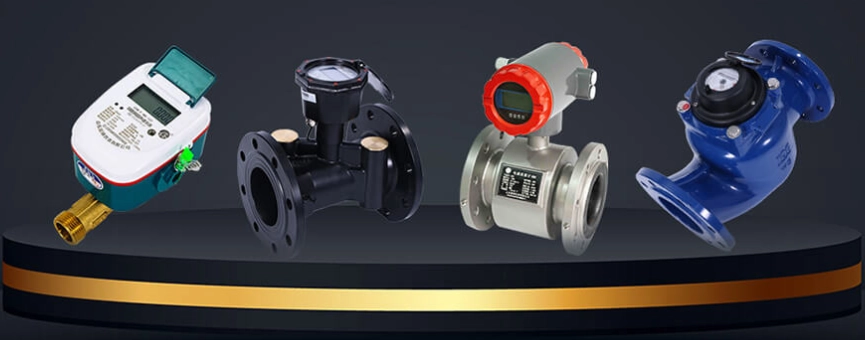
Diese Zähler kommen in Größen von DN15 bis DN50, so dass sie wahr messen, ob Sie sie in Einzelhäusern oder hohen Geschäftsgebäuden setzen.
Intelligente Zähler reduzieren die Notwendigkeit, dass Menschen sie von Hand lesen. Wasserunternehmen schicken keine Gruppen mehr, um Standorte zu überprüfen; Sie erhalten frische Updates direkt in ihre Haupträume. Vollautomatisches Fernlesen von Wassermessdaten und Datenvernetzung mit dem Siedlungszentrum vereinfacht die Arbeit und erhöht gleichzeitig die Richtigkeit der Informationen.
Dieser Rückgang der Fehler durch Menschen erreicht auch das Finden von Leckagen, Warnungen über Einmischungen und ungewöhnliche Nutzungsmuster - alle Zahlen, die für einen guten Umgang mit Ressourcen erforderlich sind.
Eine eindeutige Verfolgung der Nutzung drängt die Menschen zu Hause und an Arbeitsplätzen, Wasser klug zu verwenden. Wasserzähler sind Werkzeuge, die häufig im Wasserversorgungsfeld zu sehen sind, um die volle Menge an Wasser zu überprüfen, das durch Rohre geht. Wenn sie landesweiten Smart City-Systemen hinzugefügt wird, wird diese Messtechnik zu einer starken Hilfe zur Wassereinsparung.
Für Führungskräfte, die versuchen, NRW zu senken oder Klimaziele zu erreichen, ist echte Messung ein Grundbedarf - und diese intelligenten Zähler füllen das einfach.
Wenn Sie für eine Regierungsgruppe arbeiten, die große Veränderungen im ganzen Land plant, oder für einen privaten Bauherrn, der Projekte mit Häusern und Unternehmen gemeinsam führt, arbeiten Sie mit Shandong Chen Shuo Instrument Co., Ltd. öffnet Türen für technische Beratung, maßgeschneiderte Produkteinrichtungen, Schulungshilfe und starken After-Sales-Service - alles gestaltet nach den Bedürfnissen Ihres Projekts.
Ihre Gruppe sorgt dafür, dass die Passform reibungslos von der Auswahl der Spezifikationen bis zur Einrichtung geht, während sie Tipps zur Wartung gibt, die den Wert der Produkte über lange Zeiträume erstrecken.
Sie können Kontakt aufnehmen direkt über ihre Hauptwebsite oder erreichen Sie ihre Verkäufer per E-Mail oder Telefon 86 15562945993. Sie teilen vollständige Produktlisten, technische Details und sogar Chancen, Demos auszuprobieren, wenn Sie fragen.
F: Was macht Prepaid-Wasserzähler für Wohnentwicklungen im Nahen Osten geeignet?
A: Prepaid-Zähler ermöglichen es den Menschen in Häusern, ihren eigenen Gebrauch zu verwalten, während sie Wasserunternehmen helfen, zuerst Zahlungen zu erhalten - sehr hilfreich an Orten, an denen Kämpfe um Rechnungen häufig auftreten oder sicherstellen, dass Zahlungen schwierig sind.
F: Können diese intelligenten Zähler in Wüstenumgebungen zuverlässig arbeiten?
A: Ja, sie sind für harte Stellen mit wasserdichten IP68-Abdeckungen und Arbeitswärme von -20 ° C bis 100 ° C entwickelt - perfekt für das raue Wetter in vielen Orten im Nahen Osten.
F: Wie unterstützen diese Messgeräte die Nachhaltigkeitsziele der Regierung?
A: Durch die Bereitstellung wahrer Daten über den Wasserverbrauch in Echtzeit reduzieren sie die Verluste aus Wasser, das nicht zu Einnahmen führt, und helfen sowohl Benutzern als auch Unternehmen, Schwachstellen frühzeitig zu finden - genau im Einklang mit den Zielen zur Umweltretterung.
 Adresse: Xiao'anzi Industrial Park, Stadt Baishabu, Lanshan District, Linyi City, Provinz Shandong
 Rufen Sie uns jetzt an:+86 15562945993
 E-Mail: sales2@sd-chenshuo.com


Shandong Chenshuo Instrument Co., Ltd.