

اختيار عدادات المياه المناسبة لمشاريع إمدادات المياه البلدية يُعدّ اختيار العداد قرارًا فنيًا وشرائيًا في آنٍ واحد. قد تشمل شبكة البلدية خطوط أنابيب النقل الرئيسية، ومناطق القياس في الأحياء، وخطوط الرفع في المباني الشاهقة، ونقاط الفوترة التجارية، ومحطات إمداد المياه الثانوية، ومناطق تجديد خطوط الأنابيب القديمة. لكل نقطة ظروف تدفق ومستويات ضغط وحدود تركيب ومتطلبات بيانات مختلفة. عند اختيار العداد الخاطئ، قد ينتج عن ذلك فواتير غير دقيقة، وفقدان ضغط يمكن تجنبه، وضعف أداء القراءة عن بُعد، أو زيادة أعمال الصيانة بعد التركيب.
بالنسبة لشركات المرافق العامة والمقاولين وفرق المشتريات، فإن أفضل عداد مياه ليس بالضرورة أحدث طراز أو أقلها سعراً، بل هو العداد الذي يناسب حجم الأنابيب، ونطاق التدفق، وجودة المياه، وطريقة القراءة، وبيئة التشغيل على المدى الطويل. شركة Shandong Chenshuo Instrument ، Ltd. يوفر فئات متعددة من عدادات المياه لتلبية احتياجات هذه المشاريع، بما في ذلك عدادات المياه الميكانيكية، وعدادات المياه القابلة للفصل من نوع وولتمان، وعدادات المياه بتقنية LoRaWAN، وعدادات المياه فوق الصوتية، وعدادات المياه الكهرومغناطيسية، وعدادات التدفق الكهرومغناطيسية.
ينبغي أن يبدأ دليل اختيار عداد المياه البلدي المفيد بتحديد نقطة الاستخدام. قبل طلب عرض سعر، يجب على المشترين تحديد ما إذا كان العداد سيُستخدم في خط أنابيب رئيسي تابع للبلدية، أو منطقة قياس مياه تابعة لهيئة إدارة المياه، أو نقطة فوترة لمستخدم تجاري، أو خط أنابيب رأسي في مبنى شاهق، أو شبكة إمداد مياه ريفية، أو نظام قراءة ذكي عن بُعد. هذه التفاصيل هي التي تحدد نوع المنتج المناسب.
يُعدّ قطر الأنابيب، ونطاق التدفق، وحالة الضغط، واتجاه التركيب، وجودة المياه، وتواتر القراءة، وسهولة الوصول للصيانة، ومتطلبات الاعتماد، عوامل بالغة الأهمية. قد يكون عداد المياه المنزلي الصغير مناسبًا لفواتير الشقق، ولكنه قد لا يكون كافيًا لشبكة المياه الرئيسية الكبيرة. قد يوفر العداد الذكي بيانات مفيدة، ولكن يجب أن تتوافق خطة الاتصال مع تصميم الموقع. في مشاريع إمدادات المياه واسعة النطاق، قد يؤدي اختيار العداد بناءً على السعر فقط إلى مشاكل ميدانية مكلفة لاحقًا.
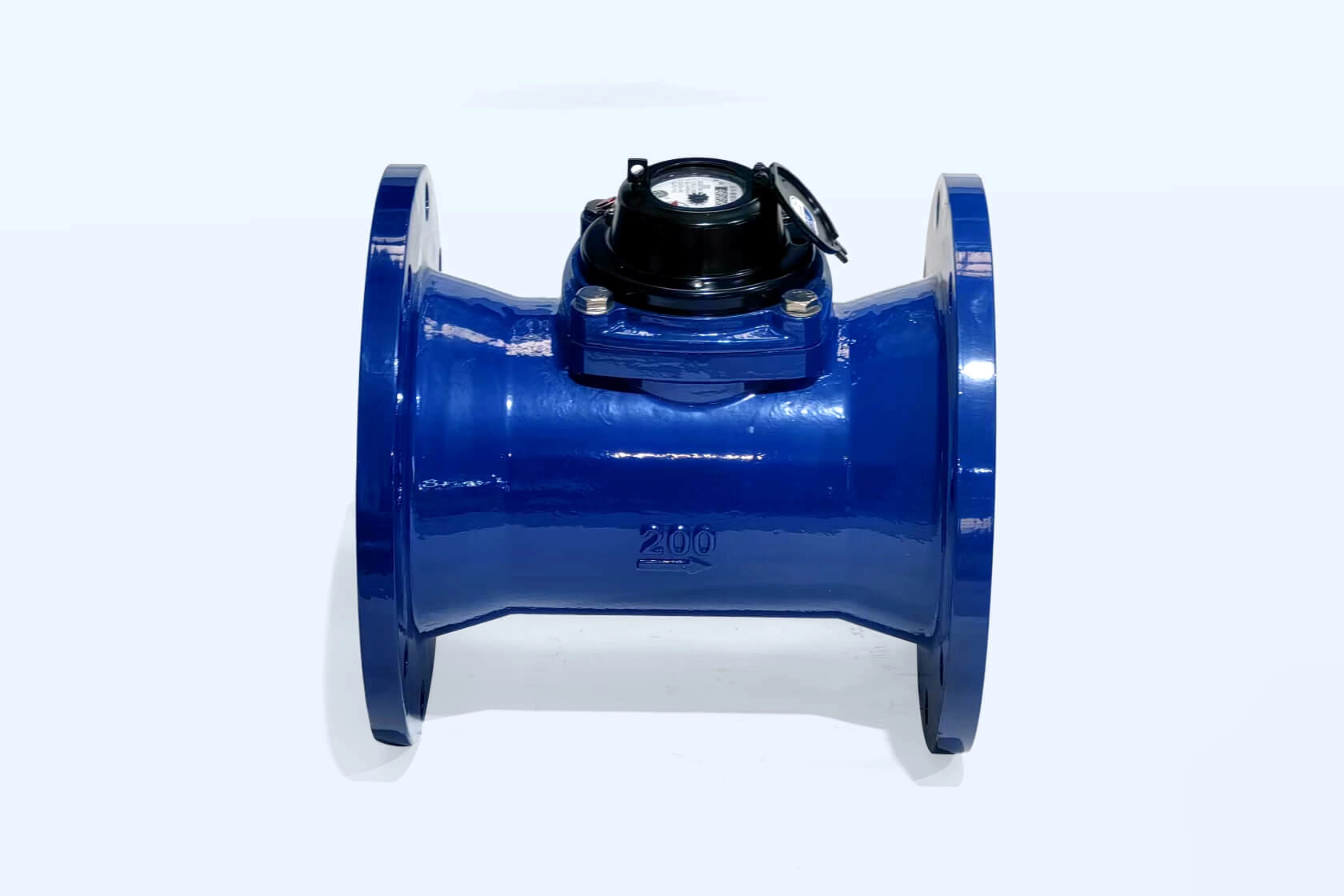
تُستخدم عدادات المياه من نوع وولتمان بشكل شائع في الأنظمة البلدية التي تتطلب قياسات دقيقة عبر أنابيب كبيرة ومعدلات تدفق عالية. ويُعدّ عداد المياه القابل للفصل من نوع وولتمان مناسبًا غالبًا لخطوط التوزيع الرئيسية، وشبكات إمداد المياه ذات التدفقات الكبيرة، ونقاط الإمداد الصناعية المتصلة بالأنظمة البلدية، وعدادات المياه الرأسية في المباني الشاهقة.
في المشاريع العملية، يُفضّل استخدام عدادات وولتمان عندما تعجز العدادات الميكانيكية الصغيرة عن تلبية نطاق التدفق المطلوب. كما أنها مفيدة في الحالات التي يكون فيها سهولة الوصول للصيانة والموثوقية الميكانيكية أمراً بالغ الأهمية. بالنسبة للمقاولين البلديين الذين يتعاملون مع أنظمة الأنابيب الرأسية، أو نقاط نهاية شبكات الأنابيب ذات الضغط المنخفض، أو شبكات توزيع المياه ذات التدفق الكبير والسرعة المنخفضة، يُمكن أن يُوفّر عداد مياه وولتمان حلاً بسيطاً ودائماً.
لوازم تشينشو عدادات مياه قابلة للفصل من نوع وولتمان بالنسبة لتطبيقات التدفق الكبير، مما يمنح مشتري المشاريع خيارًا عمليًا لشبكات إمدادات المياه البلدية وشراء البنية التحتية.
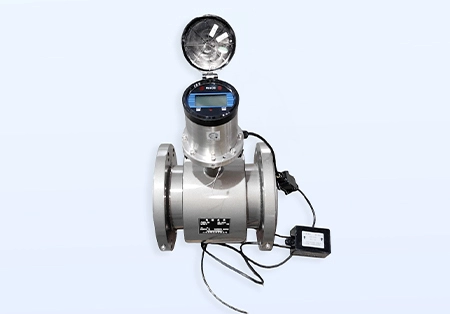
تُعتبر عدادات المياه الكهرومغناطيسية خيارًا شائعًا في المشاريع البلدية التي تتطلب قياسًا أكثر دقة للشبكة، وبيانات مستقرة، وتشغيلًا قليل الصيانة. وهي ذات أهمية خاصة للمناطق ذات العدادات الموزعة، والمستخدمين التجاريين الذين يحتاجون إلى فواتير عالية الدقة، ومحطات تقوية إمدادات المياه الثانوية، ومشاريع تجديد خطوط الأنابيب القديمة.
في أنظمة قياس استهلاك المياه بتقنية DMA، ترتبط الدقة ارتباطًا وثيقًا بتحليل فقد المياه وإدارة الشبكة. فإذا لم يتمكن العداد من توفير قراءات موثوقة، فقد تواجه شركات المياه صعوبة في تحديد الاستهلاك غير الطبيعي، أو اتجاهات التسرب، أو مشاكل القياس المتعلقة بالضغط. ويمكن لعداد المياه الكهرومغناطيسي أن يدعم إدارة إمدادات المياه بشكل أفضل استنادًا إلى البيانات، وذلك عندما تكون ظروف السائل وبيئة التركيب مناسبة.
تشينشو منتجات عدادات المياه الكهرومغناطيسية تم تصميمها لتطبيقات إمدادات المياه ويمكنها دعم المشترين البلديين الذين يبحثون عن خيارات عالية الدقة للفواتير ومراقبة الشبكة.
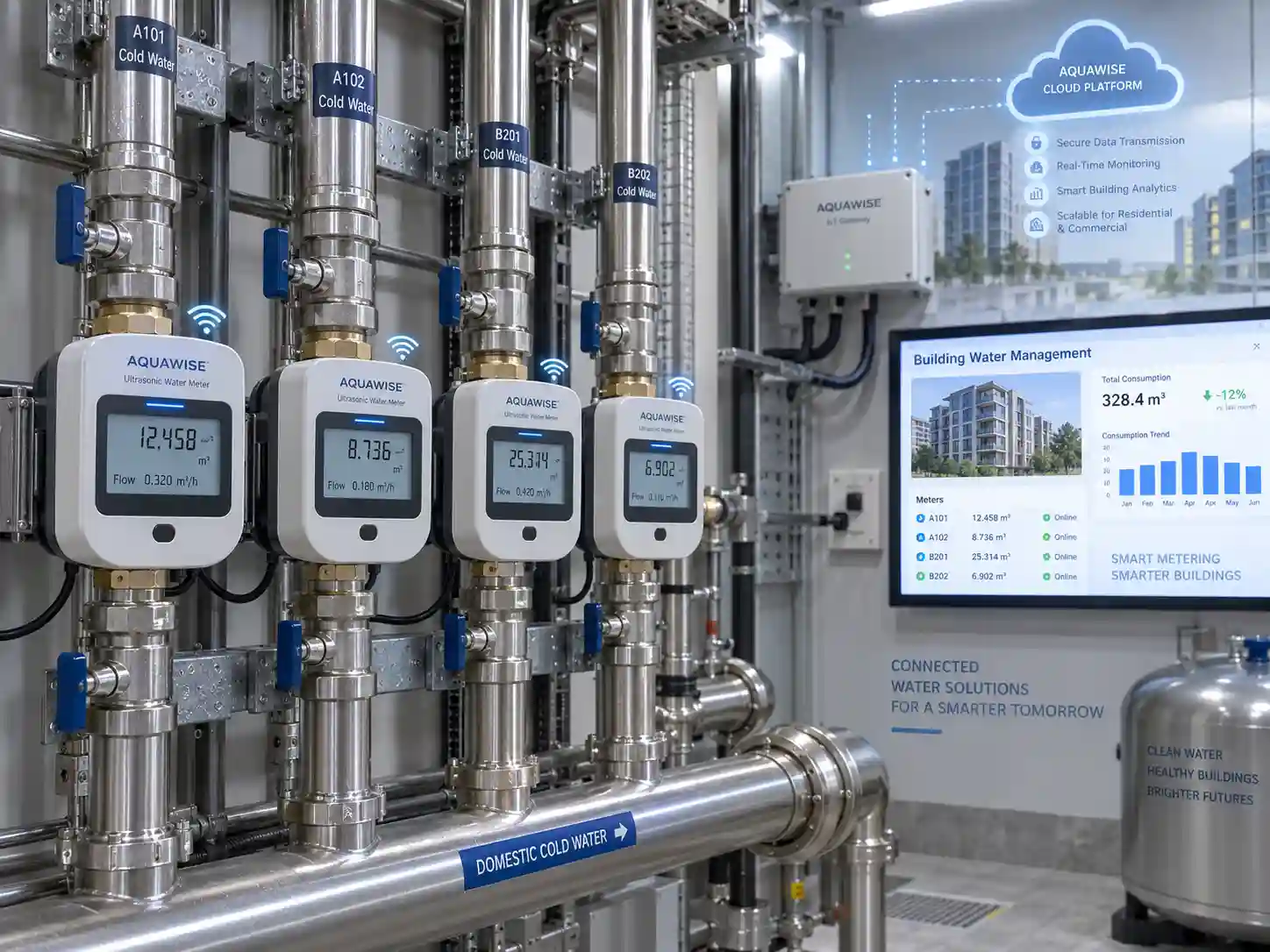
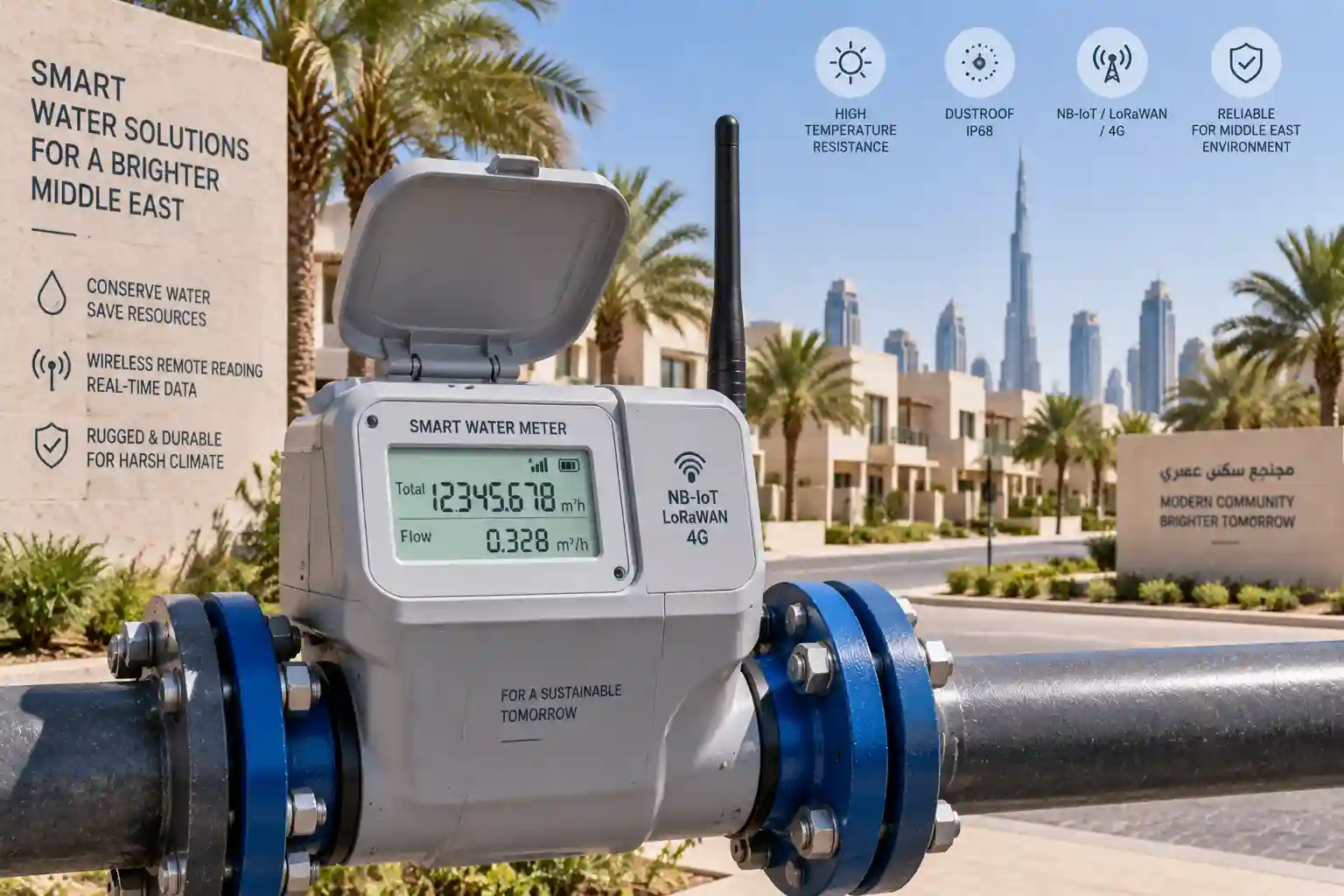
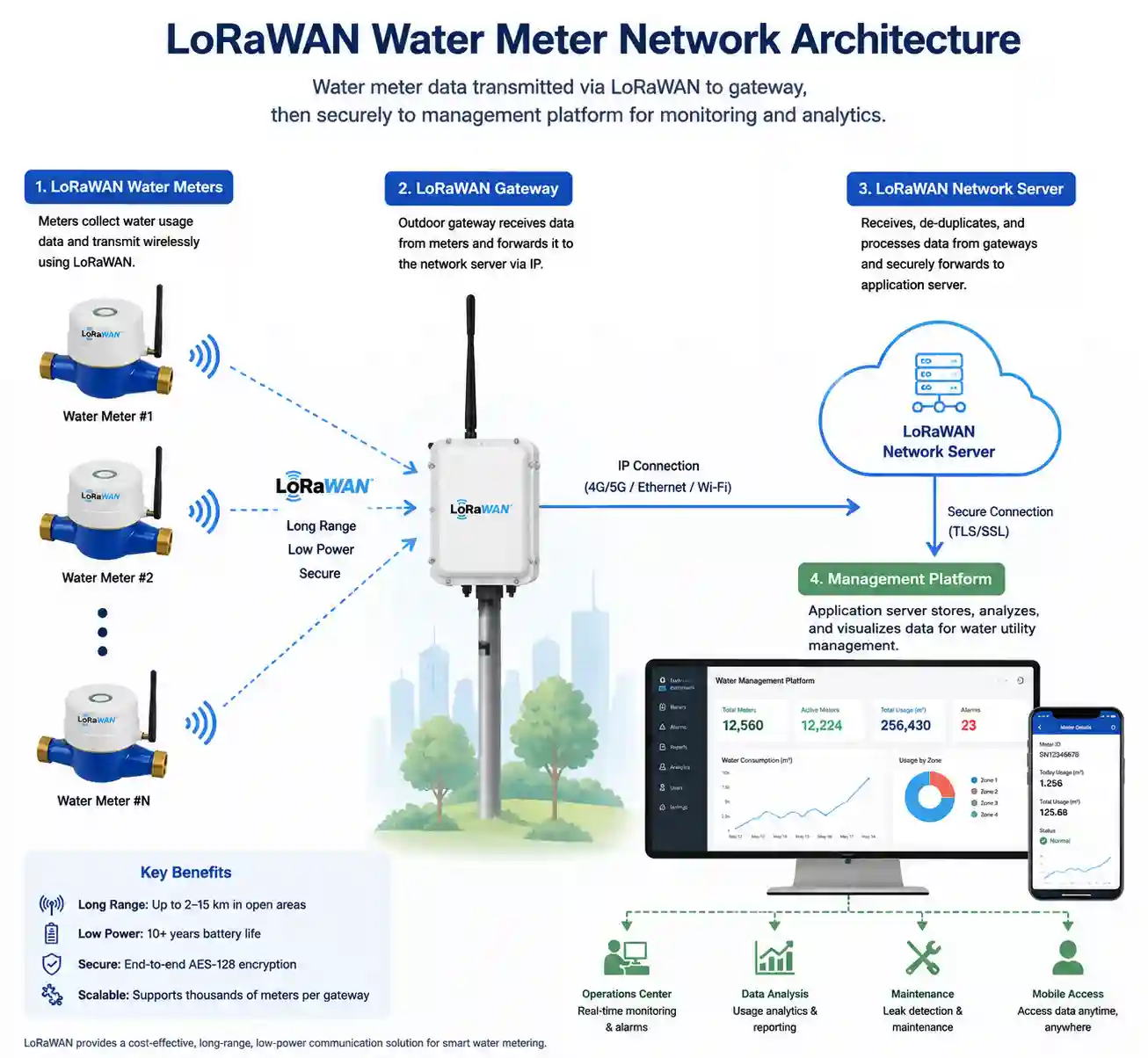
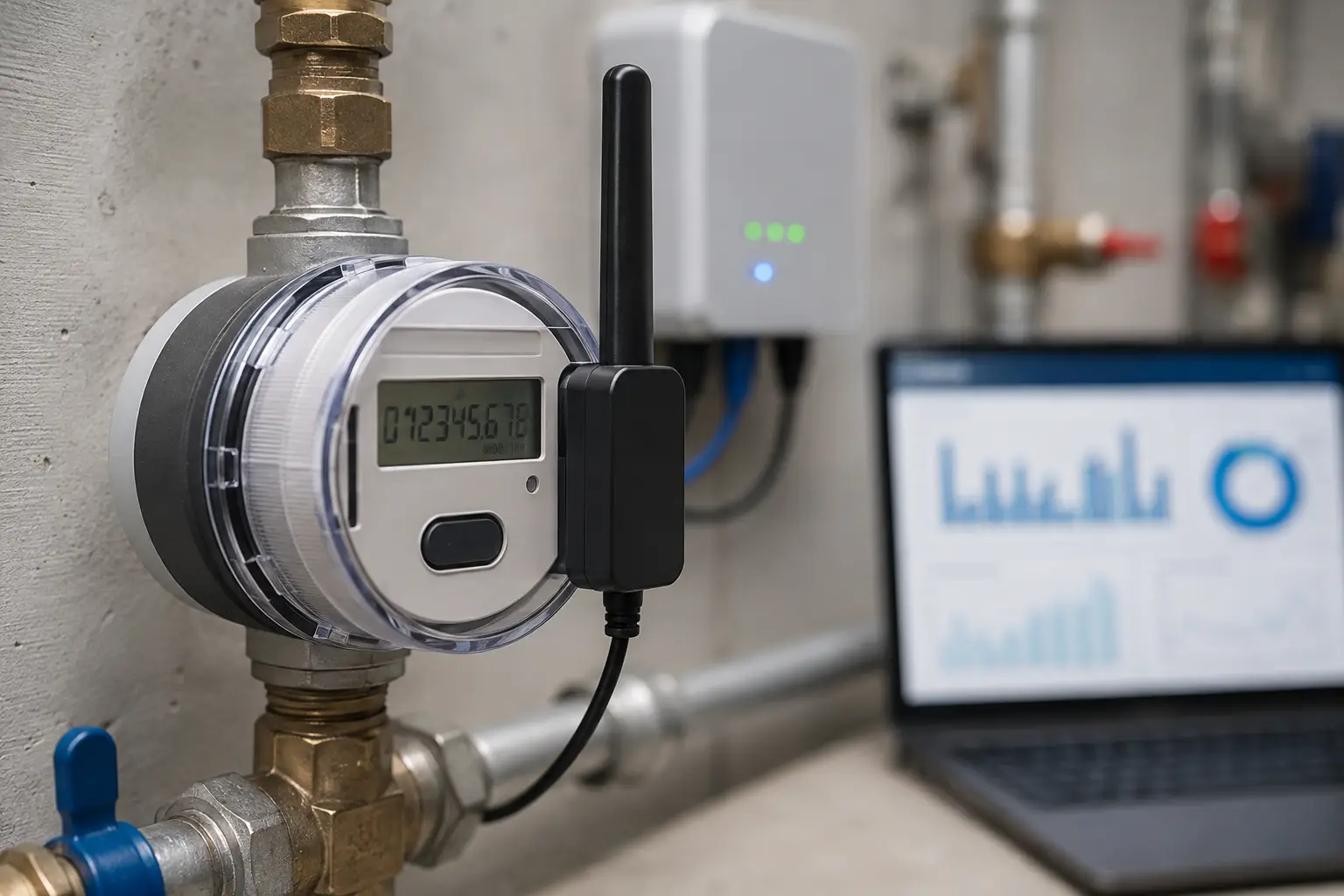
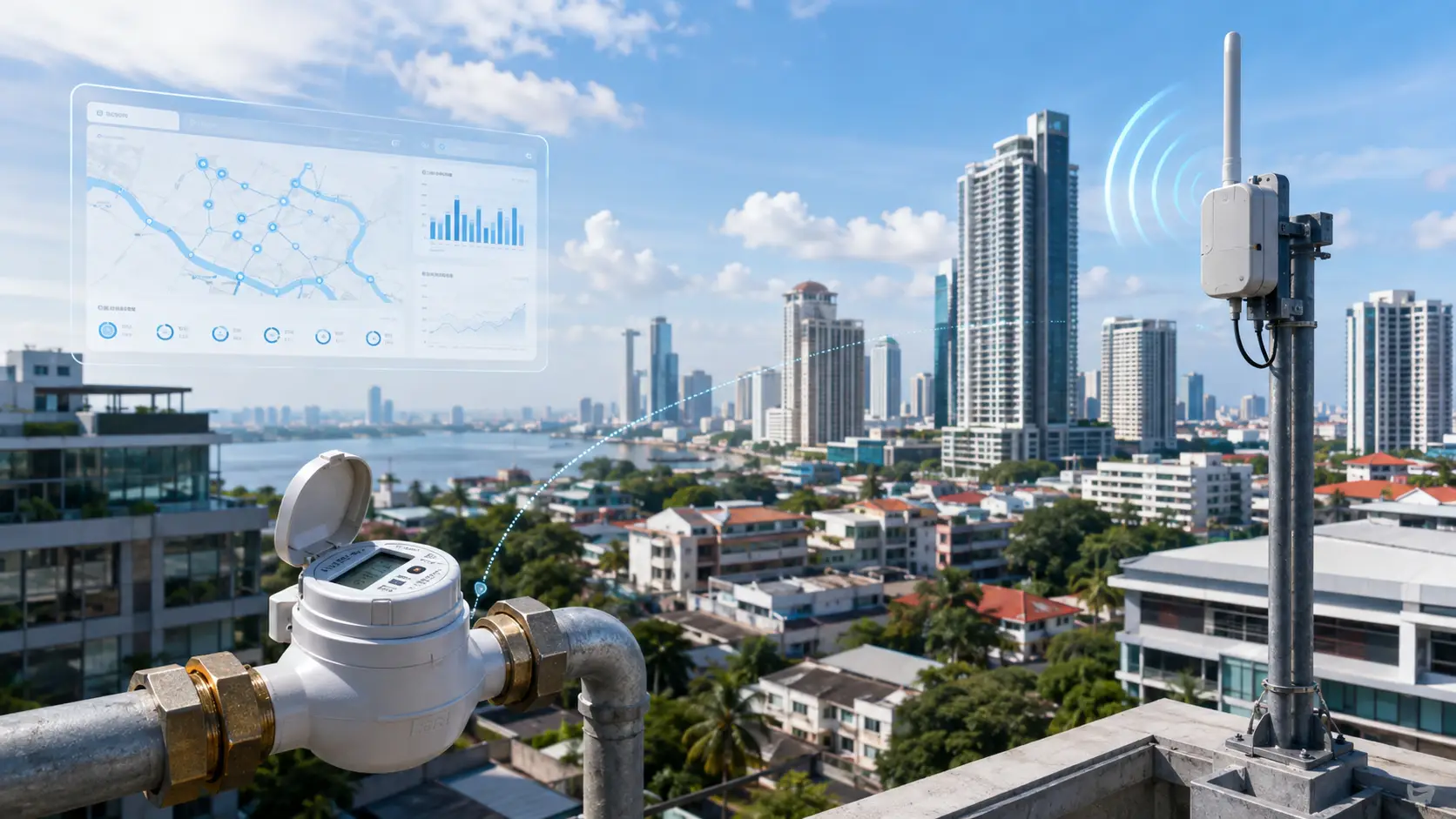
تُستخدم عدادات المياه الذكية بشكل متزايد في المشاريع البلدية حيث تكون القراءة اليدوية بطيئة أو مكلفة أو صعبة الإدارة. وتُعدّ عدادات المياه الذكية بتقنية LoRaWAN مناسبة لمشاريع قراءة عدادات المياه عن بُعد في المناطق السكنية المتفرقة، وشبكات إمداد المياه الريفية، وأنظمة المدن الذكية، ومشاريع المرافق الكبيرة.
لا تقتصر الفائدة على تقليل الجهد المبذول فحسب، بل يمكن للبيانات عن بُعد أن تُحسّن كفاءة الفوترة، وتتبّع استهلاك المياه، واكتشاف الاستهلاك غير الطبيعي، وتقليل الوقت المُستغرق في جمع القراءات من مناطق الخدمة الواسعة. قبل اختيار عداد مياه بتقنية LoRaWAN للمشاريع البلدية، ينبغي على المشترين التحقق من مسافة الاتصال، وعمر البطارية، وفترة إرسال البيانات، وكثافة التركيب، وتخطيط البوابة، والتوافق مع نظام قياس المياه المُستهدف.
توفر شركة Chenshuo عدادات مياه بتقنية LoRaWAN للمشترين الذين يحتاجون إلى قراءة عن بعد ووظائف إدارة المياه الذكية في البيئات البلدية والمرافق العامة.
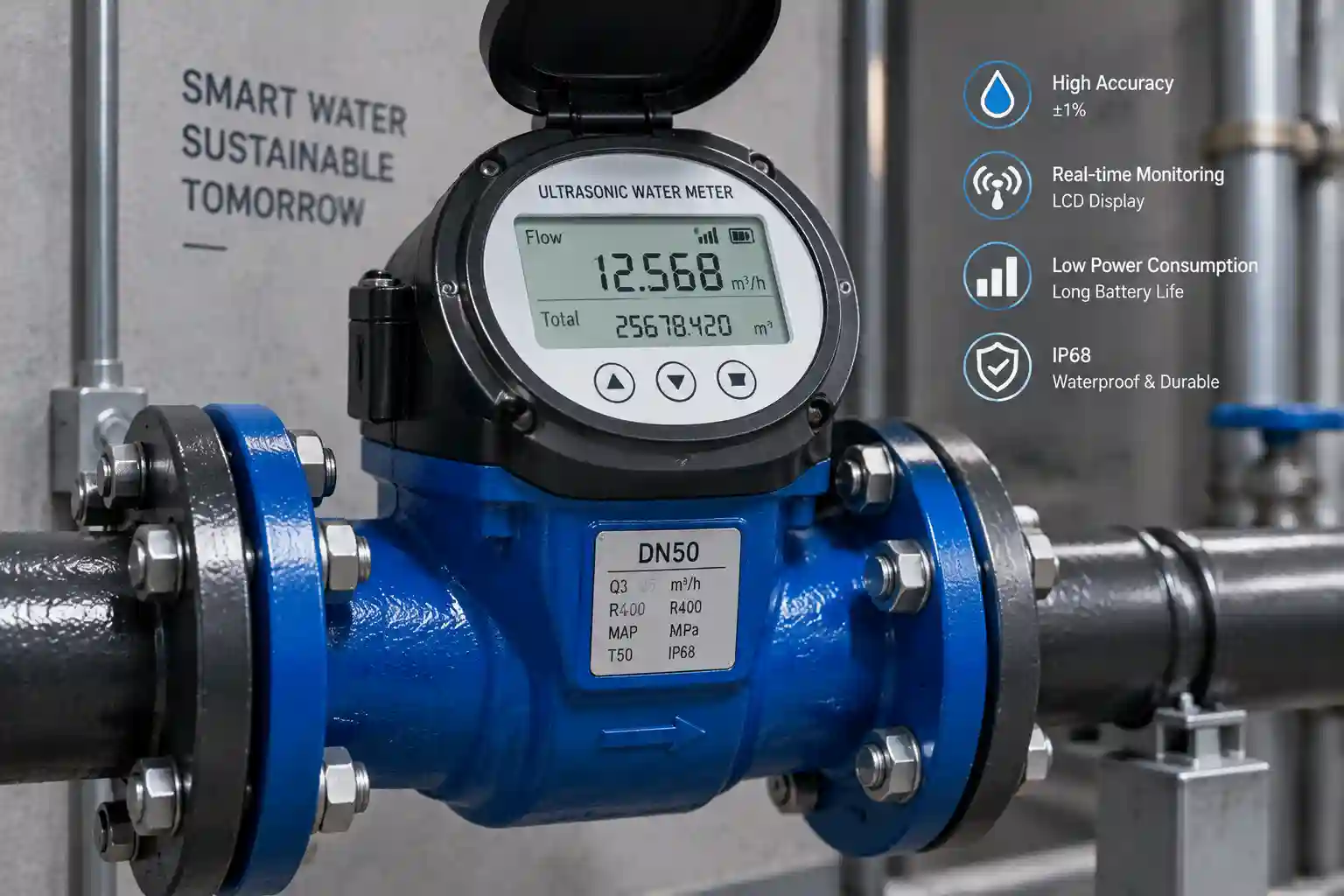
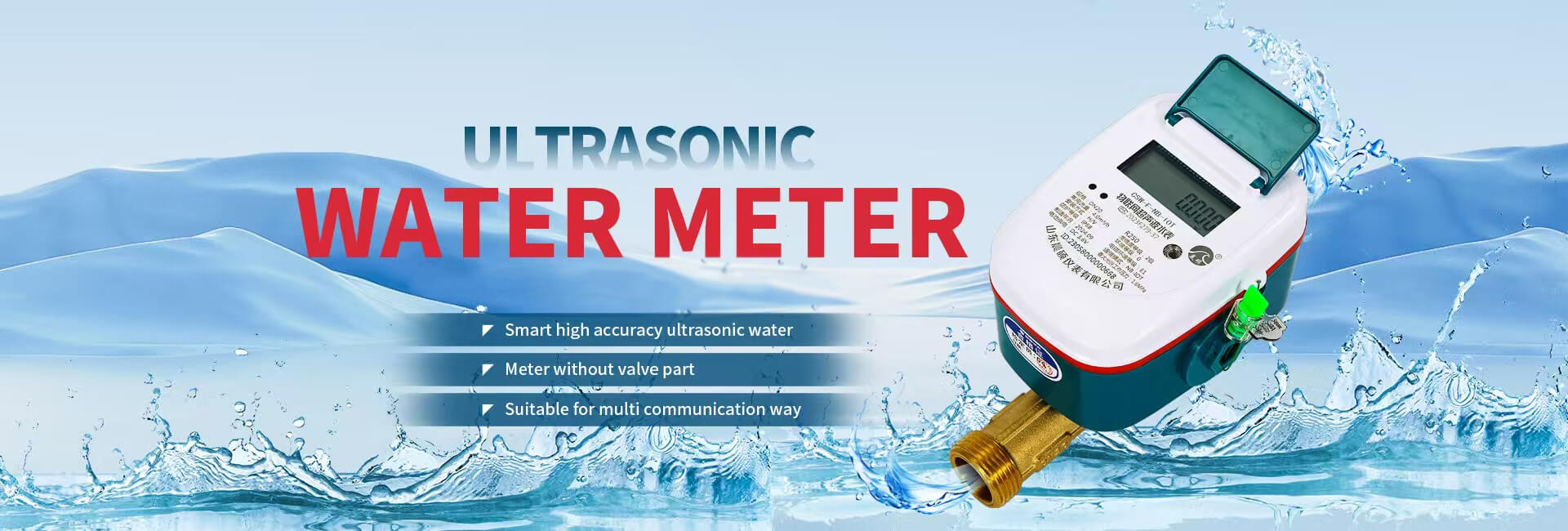
تُختار عدادات المياه فوق الصوتية عادةً عندما تكون الدقة العالية، والإخراج الرقمي، وقلة الصيانة أموراً بالغة الأهمية. ولأن القياس فوق الصوتي لا يعتمد على الأجزاء المتحركة التقليدية، فإنه يُعد خياراً مناسباً للمباني التجارية، وأنظمة المياه السكنية المُطوّرة، ونقاط التوزيع البلدية التي تتطلب استقراراً في القراءة على المدى الطويل.
في مشاريع إمداد المياه البلدية، يُمكن النظر في استخدام عدادات المياه فوق الصوتية للفروع الصغيرة للشبكات، وقياس المياه على مستوى المباني، والفواتير التجارية، أو المواقع التي يُفضّل فيها القراءة الرقمية. ينبغي على المشترين مراجعة نطاق التدفق، ومساحة التركيب، وجودة المياه، ومتطلبات الطاقة، ومخرجات البيانات قبل اختيار النموذج النهائي. يضم مركز منتجات Chenshuo نماذج من عدادات المياه فوق الصوتية مثل DN20 وDN32 وDN80 وDN100، مما يُساعد المشترين على اختيار العداد المناسب لأحجام الأنابيب المختلفة وظروف المشروع.
تُستخدم عدادات التدفق الكهرومغناطيسية على نطاق واسع في تطبيقات قياس التدفق المعقدة التي تشمل السوائل الموصلة. في المشاريع البلدية، يمكن استخدامها لمراقبة التدفقات الكبيرة في شبكات المياه الرئيسية، ومراقبة تصريف مياه الصرف الصناعي أو مياه الصرف الصحي، وقياس السوائل الكيميائية، وأنظمة الأنابيب الأخرى التي قد لا تكون عدادات المياه العادية مناسبة لها.
يجب أن يراعي مقياس التدفق المستخدم في مراقبة مياه الصرف الصحي ظروف الموقع بدقة. ينبغي مراجعة موصلية السائل، وقطر الأنبوب، وطول التركيب، ونمط التدفق، وسهولة الوصول للصيانة قبل اختياره. تدعم مقاييس التدفق الكهرومغناطيسية من Chenshuo قياس السوائل الموصلة وتطبيقات التدفقات الكبيرة، مما يجعلها مناسبة لشبكات المياه البلدية ونقاط تصريف المياه الصناعية المتصلة بالبنية التحتية العامة.
بالنسبة لخطوط الأنابيب البلدية الرئيسية، قد تكون عدادات المياه من نوع وولتمان أو عدادات التدفق الكهرومغناطيسية مناسبة، وذلك حسب قطر الأنبوب ومعدل التدفق ومتطلبات البيانات. أما بالنسبة لمراقبة مناطق إدارة المياه، فتُتيح عدادات المياه الكهرومغناطيسية قياسًا دقيقًا للشبكة وإدارةً فعّالة لفقدان المياه. وبالنسبة للمباني الشاهقة وخطوط الأنابيب الرأسية، قد تُناسب عدادات المياه من نوع وولتمان تطبيقات خطوط الأنابيب الرأسية ذات التدفق العالي.
بالنسبة لمستخدمي أنظمة الفوترة التجارية، توفر عدادات المياه الكهرومغناطيسية أو فوق الصوتية قراءات أكثر دقة، حيث تُعدّ موثوقية الفوترة أمرًا بالغ الأهمية. أما بالنسبة لشبكات المدن الذكية وشبكات القراءة عن بُعد، فتساعد عدادات المياه الذكية بتقنية LoRaWAN على تقليل العمل اليدوي في القراءة وتحسين وضوح البيانات. وفي مشاريع تجديد خطوط الأنابيب القديمة، تدعم عدادات المياه الذكية والكهرومغناطيسية مراقبة أفضل، وتحديد التدفقات غير الطبيعية، وإدارة الشبكة على المدى الطويل.
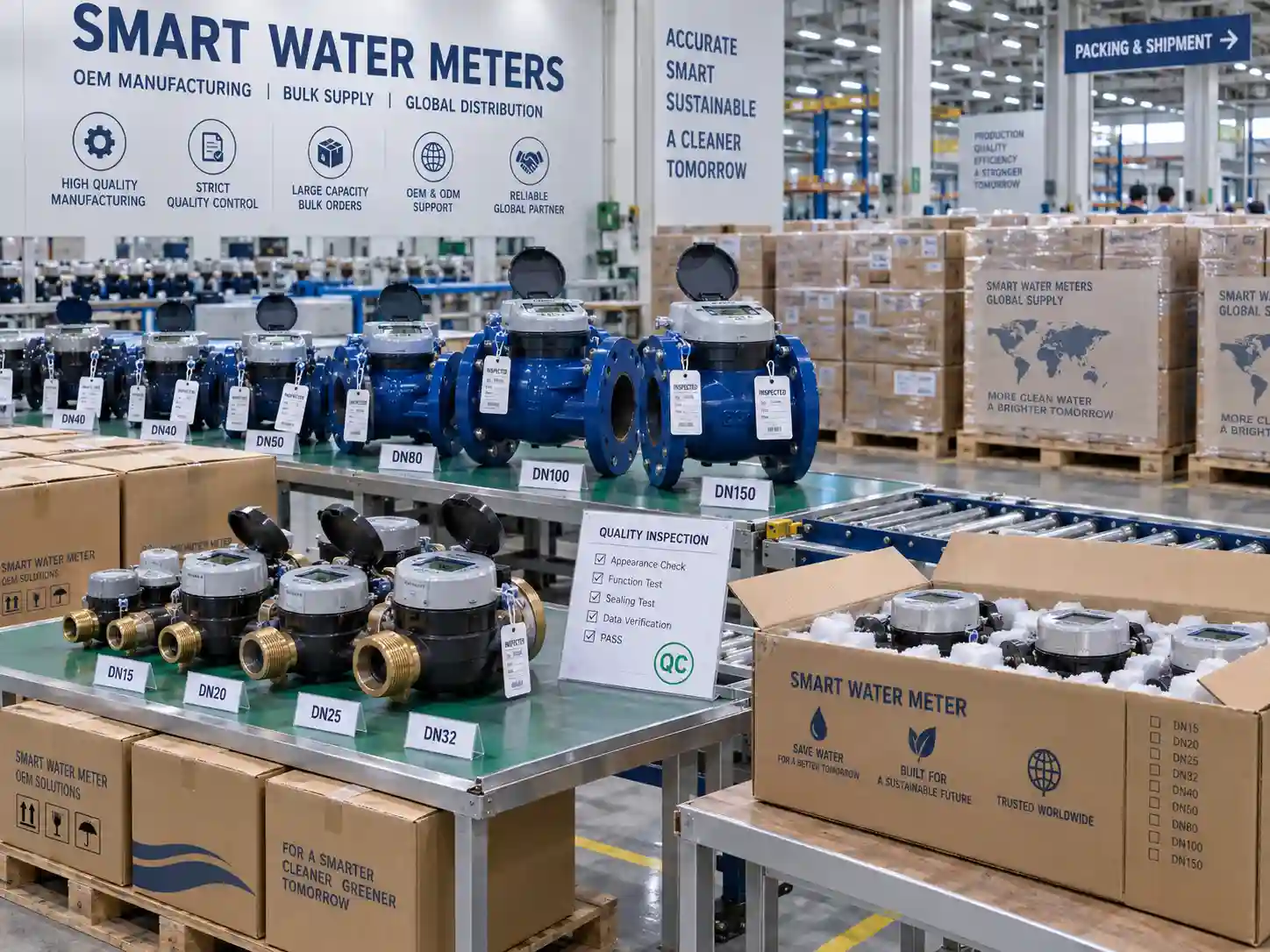
ينبغي تقييم مورد عدادات المياه للمشاريع البلدية بناءً على نطاق منتجاته، ووثائقه الفنية، وقدرته على الاختبار، وطاقته الإنتاجية، وتغليفه المخصص للتصدير، وخدمات ما بعد البيع. يجب أن تكون عدادات المياه البلدية بالجملة متطابقة في جميع الدفعات، لأن حتى نسبة عيوب ضئيلة قد تتسبب في تأخير التركيب وزيادة تكاليف الصيانة.
ينبغي على المشترين طلب بيانات تفصيلية خاصة بكل طراز، ومعلومات عن دقة المنتج، ومتطلبات التركيب، واختبارات العينات، وتفاصيل التغليف، وجداول التسليم، وشهادات الاعتماد. وتؤكد شركة تشينشو أن عدادات المياه الذكية وأنظمة قياس المياه الخاصة بها حاصلة على شهادات اعتماد مثل CE وISO 4064. كما تضم خبرتها التصنيعية نخبة من المتخصصين، ومعدات تصنيع ضخمة، ومصنعاً تزيد مساحته عن 20,000 متر مربع، وخبرة تزيد عن 10 سنوات في هذا المجال.
تُقدّم شركة Chenshuo مجموعة واسعة من المنتجات لإمدادات المياه البلدية، تشمل عدادات المياه الميكانيكية الدوارة، وعدادات المياه القابلة للفصل من نوع Woltman، وعدادات المياه بتقنية LoRaWAN، وعدادات المياه فوق الصوتية، وعدادات المياه الكهرومغناطيسية، ومقاييس التدفق الكهرومغناطيسية. تدعم هذه المجموعة قياس التدفقات الكبيرة، ومراقبة DMA، وإصدار الفواتير بدقة عالية، والقراءة عن بُعد، وإمدادات المياه الثانوية، وتجديد خطوط الأنابيب القديمة، والشراء بالجملة لمشاريع إمدادات المياه.
توفر شركة Chenshuo لشركات المرافق والمقاولين والموزعين قاعدة توريد عملية لكل من عدادات المياه البلدية القياسية وحلول عدادات المياه المصممة حسب الطلب. ويركز عمل الشركة على عدادات المياه الذكية، وأنظمة عدادات المياه، وخدمات تصنيع المعدات الأصلية (OEM) وتصميمها (ODM)، ودعم المشاريع الدولية، مما يجعلها خيارًا مناسبًا للمشترين الذين يحتاجون إلى أكثر من مجرد نموذج منتج واحد.
تعتمد أفضل عدادات المياه لمشاريع إمدادات المياه البلدية على معدل التدفق، وحجم الأنابيب، ونقطة التركيب، وطريقة القراءة، ومتطلبات الدقة، واحتياجات الاتصال، وخطط الصيانة. تُناسب عدادات وولتمان خطوط الأنابيب ذات التدفق العالي، بينما تُناسب عدادات المياه الكهرومغناطيسية أنظمة إدارة البيانات الرقمية (DMA) وفواتير عالية الدقة، وتدعم عدادات المياه الذكية بتقنية LoRaWAN القراءة عن بُعد، وتُوفر عدادات المياه فوق الصوتية قياسًا رقميًا وصيانة منخفضة، وتعمل عدادات التدفق الكهرومغناطيسية بكفاءة في تطبيقات التدفق العالي أو السوائل الموصلة.
بالنسبة للمشترين من البلديات، لا يكمن القرار الأقوى في اختيار عداد واحد شامل، بل في مطابقة كل نوع من أنواع العدادات مع الموقع المناسب في شبكة إمداد المياه. وتدعم شركة Chenshuo هذا النهج بمجموعة منتجات متكاملة لتطبيقات إدارة المياه في البلديات والصناعة والتجارة والأنظمة الذكية.
Q1: ما هي أفضل عدادات المياه لمشاريع إمدادات المياه البلدية؟
ج: يعتمد اختيار أفضل عدادات المياه لمشاريع إمدادات المياه البلدية على التطبيق. عدادات وولتمان مناسبة لخطوط الأنابيب ذات التدفق الكبير، وتدعم عدادات المياه الكهرومغناطيسية تقنية DMA والفواتير عالية الدقة، وتناسب عدادات المياه الذكية بتقنية LoRaWAN شبكات القراءة عن بُعد، وتُستخدم عدادات المياه فوق الصوتية للقياس الرقمي، بينما تُعد عدادات التدفق الكهرومغناطيسية مفيدة لتطبيقات التدفق الكبير أو السوائل الموصلة.
Q2: كيف أختار عداد المياه المناسب لخط أنابيب المياه البلدي؟
أ: اختر عداد مياه مناسبًا لخط أنابيب المياه البلدية من خلال التحقق من قطر الأنبوب، ونطاق التدفق، وحالة الضغط، وجودة المياه، وموقع التركيب، وطريقة القراءة، ومتطلبات الدقة، وما إذا كانت هناك حاجة إلى بيانات عن بُعد. قد تتطلب خطوط الأنابيب البلدية الكبيرة عدادات مياه من نوع وولتمان أو عدادات تدفق كهرومغناطيسية، بينما قد تحتاج مناطق المراقبة إلى عدادات مياه كهرومغناطيسية.
Q3: متى يجب على شركات المرافق استخدام عداد مياه وولتمان؟
ج: ينبغي على شركات المياه استخدام عداد مياه وولتمان للأنابيب الكبيرة، وخطوط التوزيع ذات التدفق العالي، وخطوط الرفع في المباني الشاهقة، وشبكات إمداد المياه البلدية التي تتطلب قياسًا ميكانيكيًا دقيقًا. وغالبًا ما يُختار هذا النوع من العدادات عندما تعجز العدادات المنزلية الصغيرة عن تلبية نطاق التدفق المطلوب.
الربع الرابع: هل عدادات المياه الذكية مناسبة لمشاريع إمدادات المياه البلدية؟
ج: تُعدّ عدادات المياه الذكية مناسبة لمشاريع إمدادات المياه البلدية التي تتطلب قراءة عن بُعد، وجمع بيانات المدن الذكية، وتحسين الفواتير، وإدارة العدادات المنتشرة، أو تحسين الرؤية الشاملة لشبكة المياه. وتُعدّ عدادات المياه الذكية بتقنية LoRaWAN مفيدة بشكل خاص عندما تكون العدادات موزعة على مساحات واسعة.
س5: ما الذي يجب على المشترين التحقق منه قبل طلب عدادات المياه البلدية بكميات كبيرة؟
ج: قبل طلب عدادات المياه البلدية بكميات كبيرة، ينبغي على المشترين التحقق من نوع المنتج، ودقة المعلومات، والشهادات، وبيانات المنتج، واختبار العينات، والطاقة الإنتاجية، والتغليف، ومدة التسليم، ومتطلبات التركيب، والدعم الفني لما بعد البيع. تساعد هذه الفحوصات على تقليل مخاطر الشراء ومشاكل التركيب الميداني.
 العنوان: حديقة Xiao'anzi الصناعية ، مدينة Baishabu ، مقاطعة Lanshan ، مدينة Linyi ، مقاطعة Shandong
 اتصل بنا الآن:+86 15562945993
 بريد إلكتروني:info@sdchenshuo.cn


شركة Shandong Chenshuo Instrument ، Ltd.