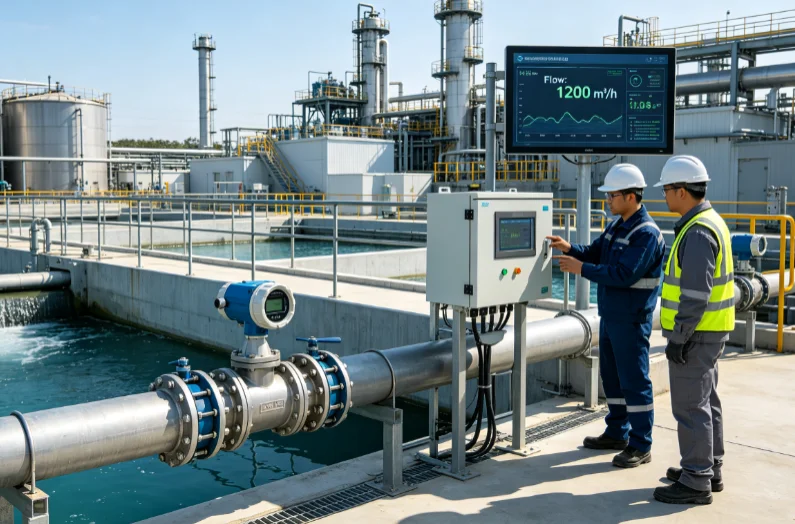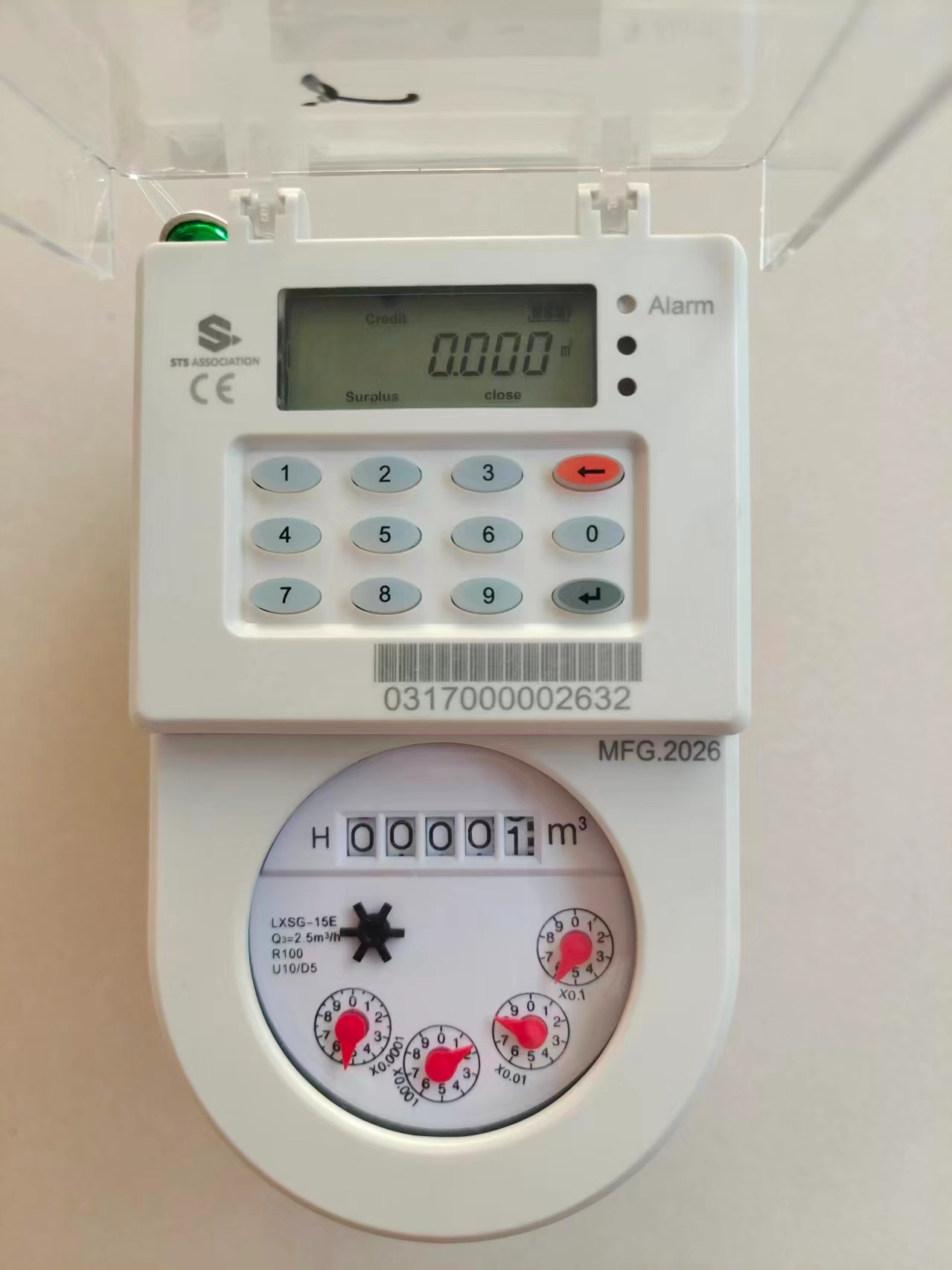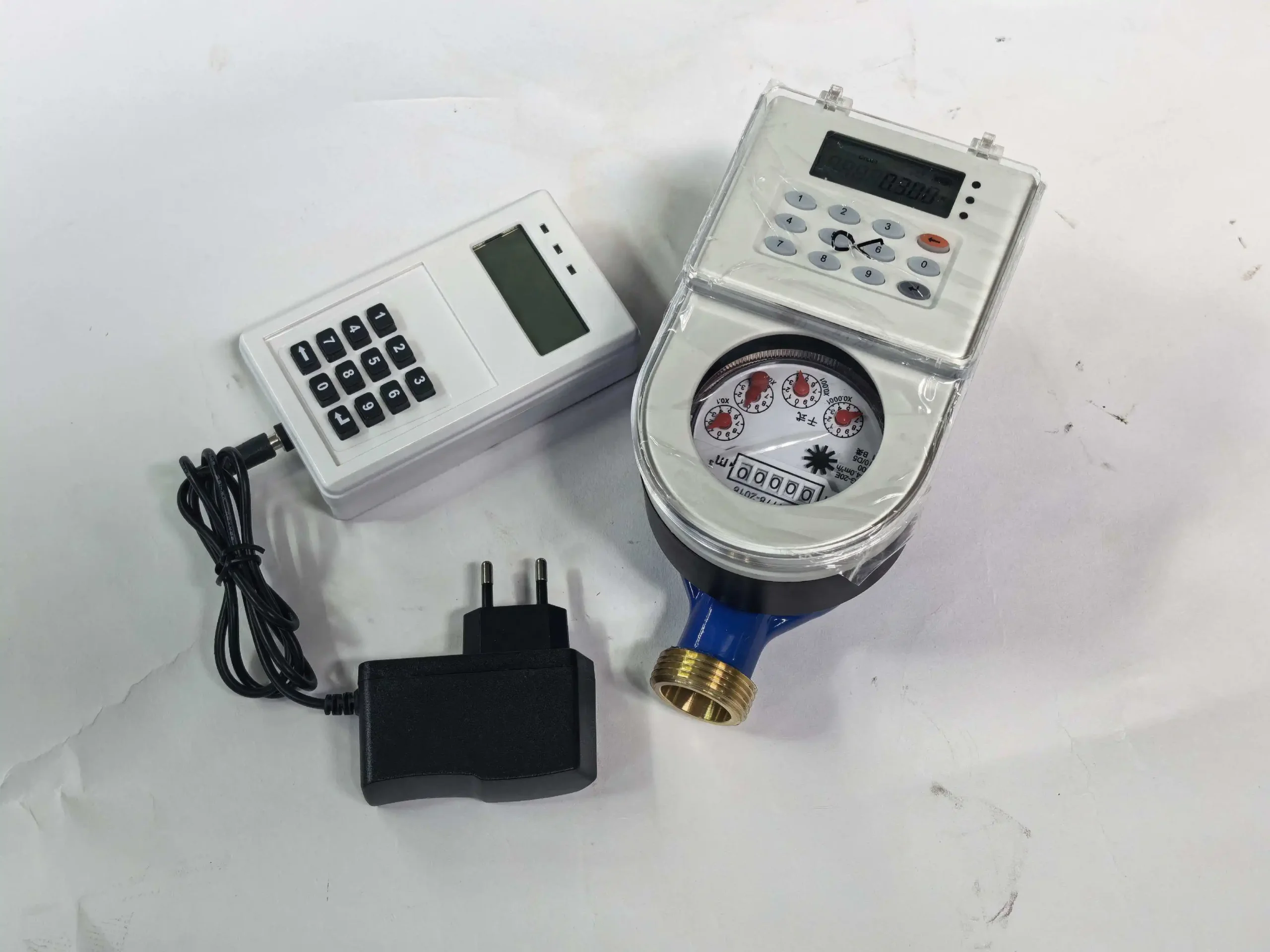


Smart cities need water data that comes in on time. Not next week. Not after someone opens a meter box and writes down numbers by hand. عدادات المياه بتقنية LoRaWAN help cities move from old meter reading work to smart water metering. They support remote reading, low power operation, and wide area coverage. That makes them useful for homes, public buildings, industrial parks, and many city water network sites.
A city water system has many small problems that add up. Some meters are in basements. Some sit in wet roadside pits. Some are behind locked doors. Manual reading takes time, and missed data can lead to wrong bills or customer complaints. LoRaWAN water meters for smart cities help by sending water meter data collection records through a wireless network.
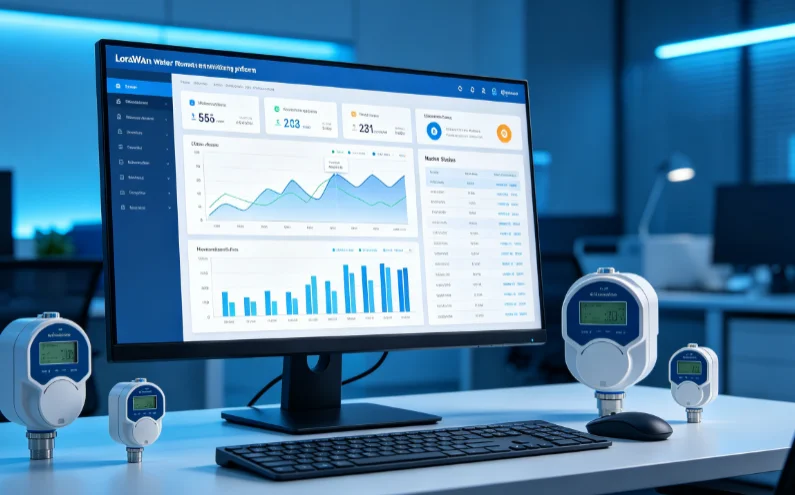
For smart city water management, meter data is not only about billing. You can use real time water data to check high night flow, spot strange use, and support non revenue water control. For example, if a school keeps using water at 2 a.m., something may be wrong. If one apartment block suddenly uses twice as much water, the platform can mark it before the next bill is made.
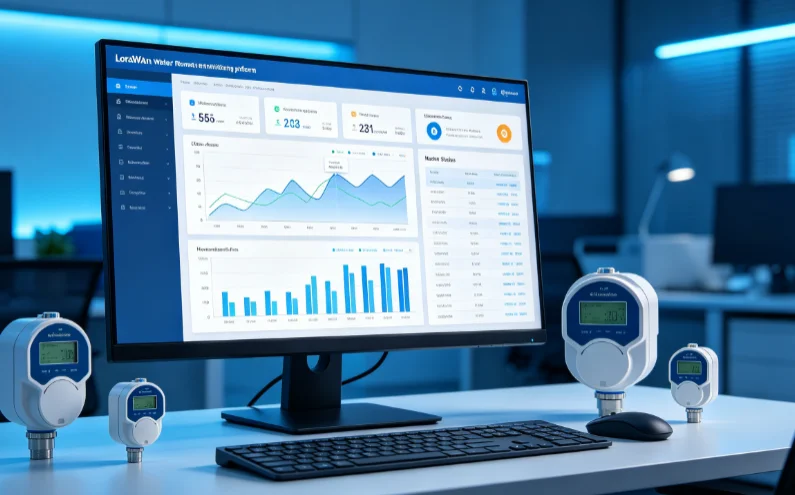
Remote meter reading is not hard to picture. The meter records water use. Then it sends small data packets to a gateway. After that, the data moves to a network server and a management platform. Staff do not need to walk into every building just to copy numbers.
Automatic data collection can make water utility operations much easier. In an old community with 800 meters, manual reading may take several days. There may also be locked doors, dark corners, or unclear handwriting. With remote reading, the utility can collect regular data and spend more time on unusual cases. It is a simple change, but it saves many small trips.
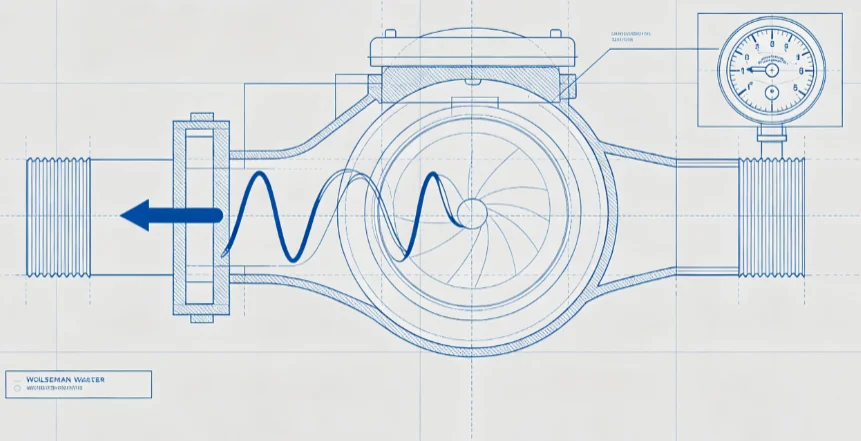
لوروان smart water metering fits city projects because water meters send small amounts of data. They do not need fast video-style speed. They need steady signals, long battery life, and coverage across hard places. That is where low power wide area coverage becomes useful.
Low power water meters matter because battery changes are not easy. A meter may be under a metal cover, in a damp pit, or inside a tight basement. Longer battery life means fewer field visits and less daily trouble. This matters even more when a city has thousands of wireless water meters across different areas.
Wide area network coverage helps a smart city water network grow from a small test area to a full district. But site testing still matters. Concrete walls, metal lids, and underground rooms can weaken signals. So, water meter network planning should include signal checks before a large rollout. A pilot with 50 or 100 meters can save a lot of later repair work.
Smart water meter deployment should not start with unit price only. A LoRaWAN water meter project needs the right meter, a good reporting plan, and a platform that can use the data. If the data cannot reach your billing system or service system, the project may become just another screen that nobody checks often.
Before buying, check pipe size, accuracy, protection level, battery design, reporting frequency, alarm functions, and gateway compatibility. You should also ask about leakage alarms, low battery alerts, reverse flow alarms, and magnetic interference alarms. For remote water monitoring, these small warning functions can be more useful than a clean-looking dashboard.
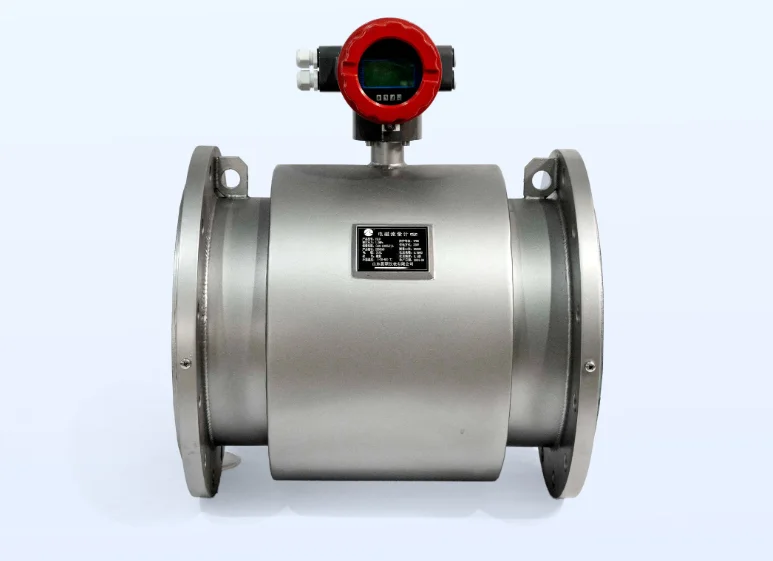
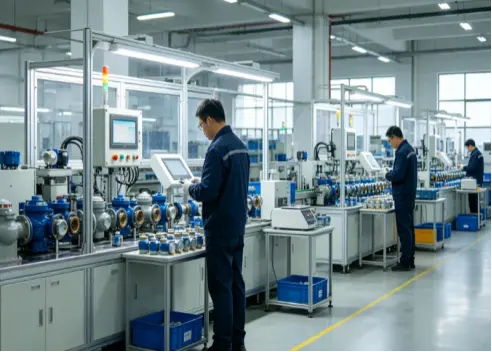
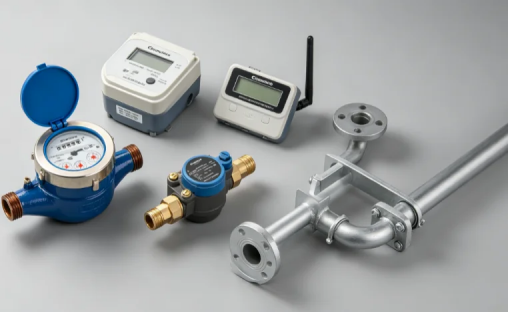
When you compare suppliers, product range and field support should matter. تشينشو focuses on smart metering and water measurement products. Its product line includes LoRaWAN water meters, ultrasonic water meters, electromagnetic water meters, electromagnetic flowmeters, and mechanical water meters. For smart city infrastructure buyers, this range makes project matching more direct. You can check different meter types in the product center instead of treating every site the same. Its LoRaWAN water meters are made for long-range wireless connection, accurate water flow reading, and easier use in industrial water systems. That helps when your project has both city needs and real field limits.
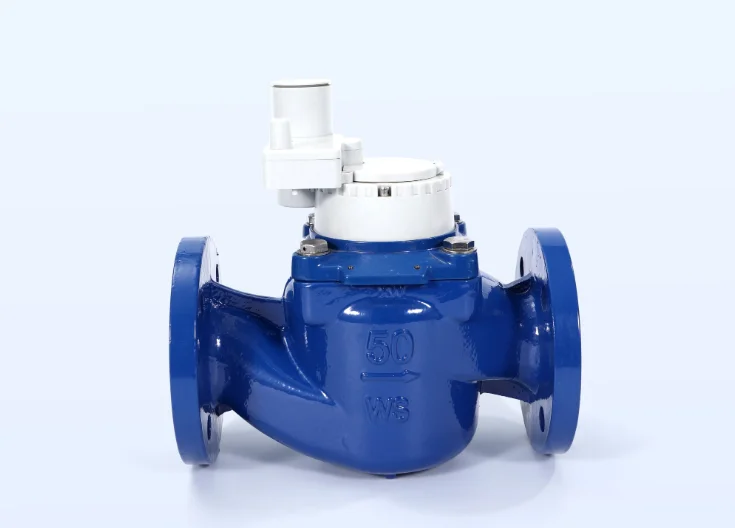
A supplier should help you check the site, not only send a price. A DN15 household meter in a corridor and a DN50 meter in an industrial park do not face the same signal, flow, or fitting issues. Ask for clear advice before a bulk order. It is a small step, but it can avoid a messy job later.
Q1: What are LoRaWAN water meters?
A: LoRaWAN water meters are wireless water meters that send usage data through a low power wide area network for remote meter reading.
Q2: Why are they useful for smart cities?
A: They support smart city water management by improving data access, cutting manual reading work, and helping find unusual water use.
Q3: Can LoRaWAN support wide area coverage?
A: Yes. It is made for long-range, low-power IoT communication, so it suits city water network projects.
Q4: Do low power water meters reduce maintenance?
A: Yes. Longer battery life means fewer site visits, especially for meters in basements, pits, or remote places.
Q5: What should you check before buying?
A: Check meter size, accuracy, signal coverage, battery life, alarm functions, platform connection, and supplier support.
 العنوان: حديقة Xiao'anzi الصناعية ، مدينة Baishabu ، مقاطعة Lanshan ، مدينة Linyi ، مقاطعة Shandong
 اتصل بنا الآن:+86 15562945993
 بريد إلكتروني:info@sdchenshuo.cn


شركة Shandong Chenshuo Instrument ، Ltd.